Fish Trap Workshop
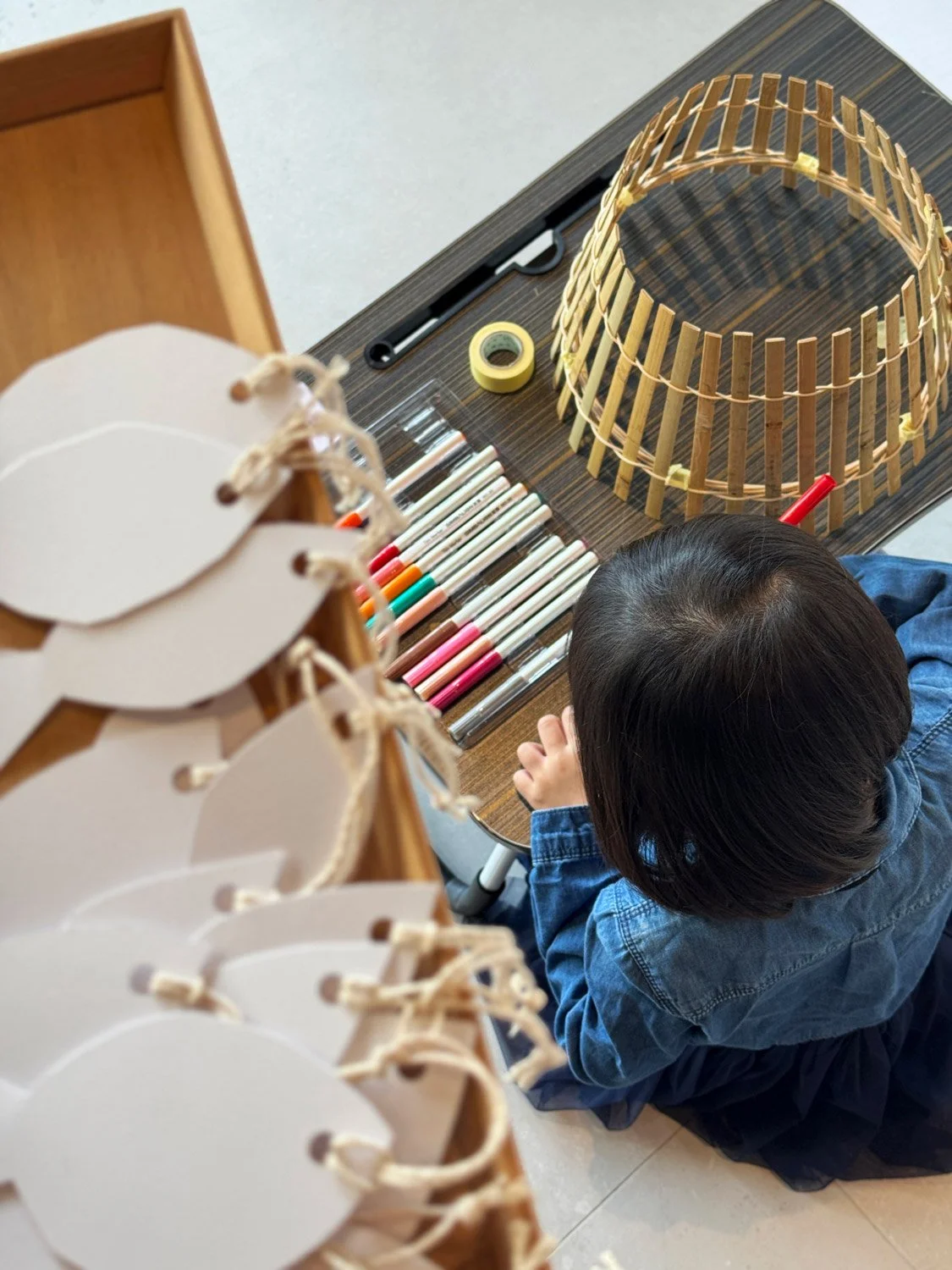
fish trap workshop
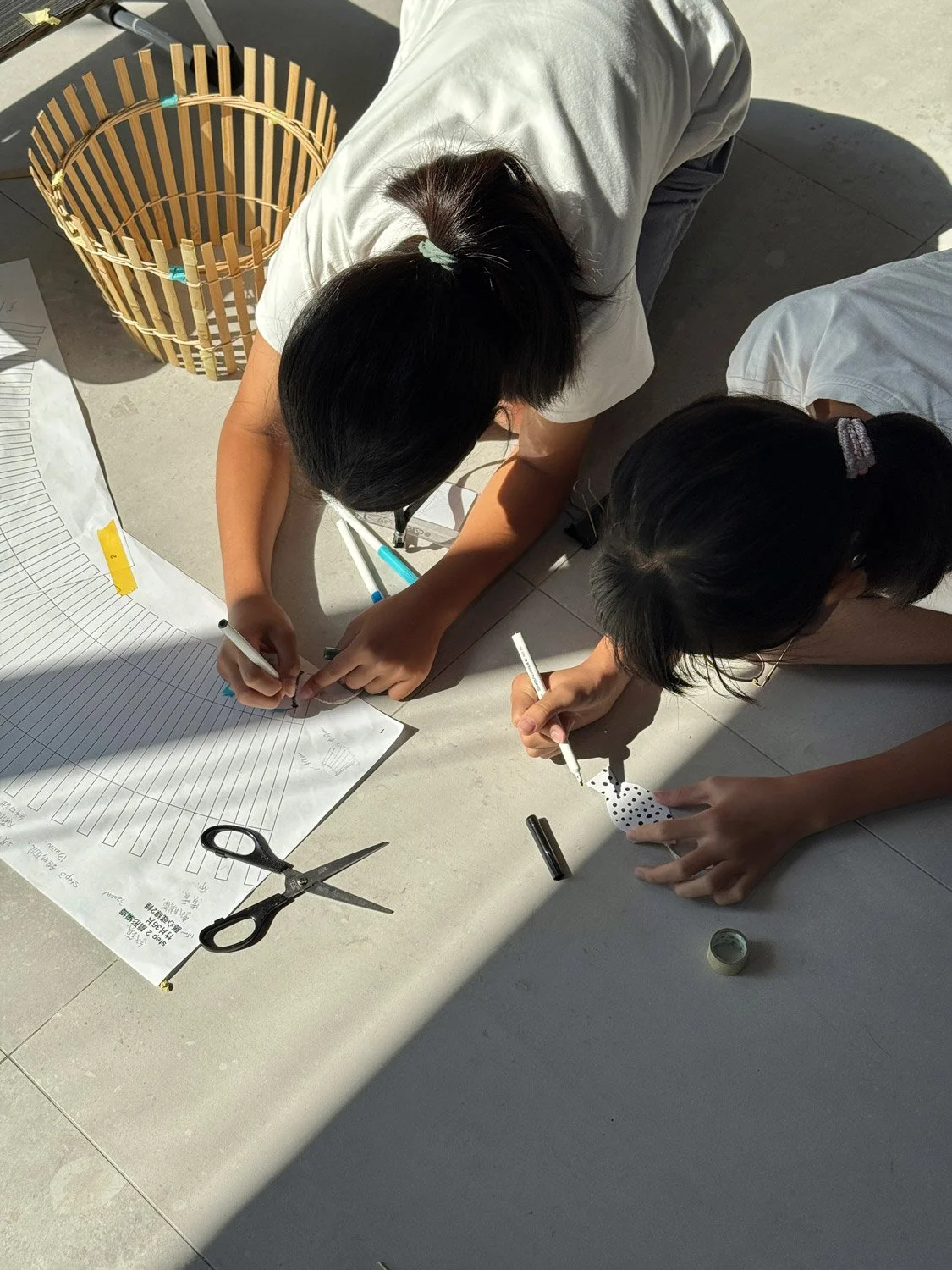
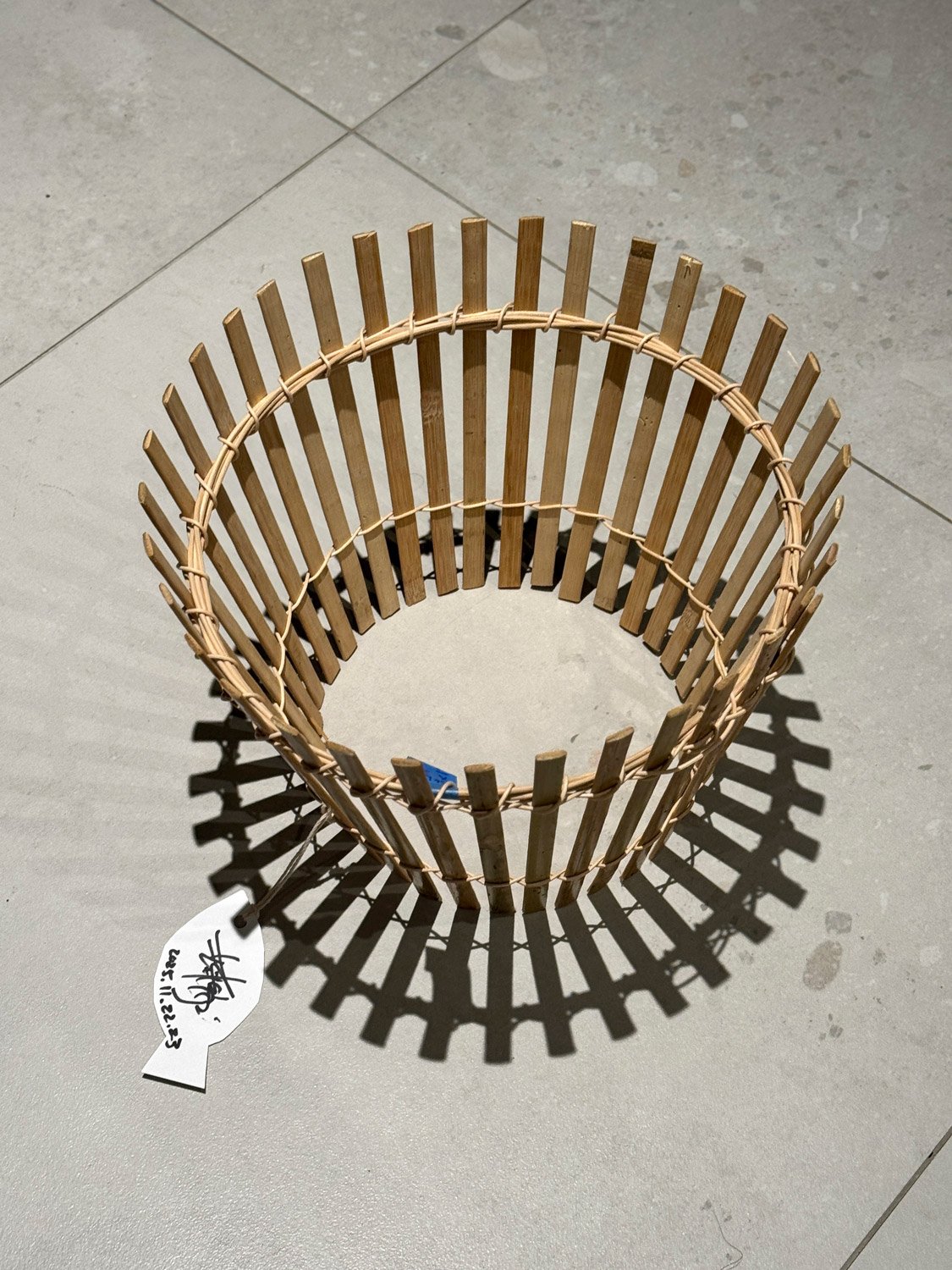
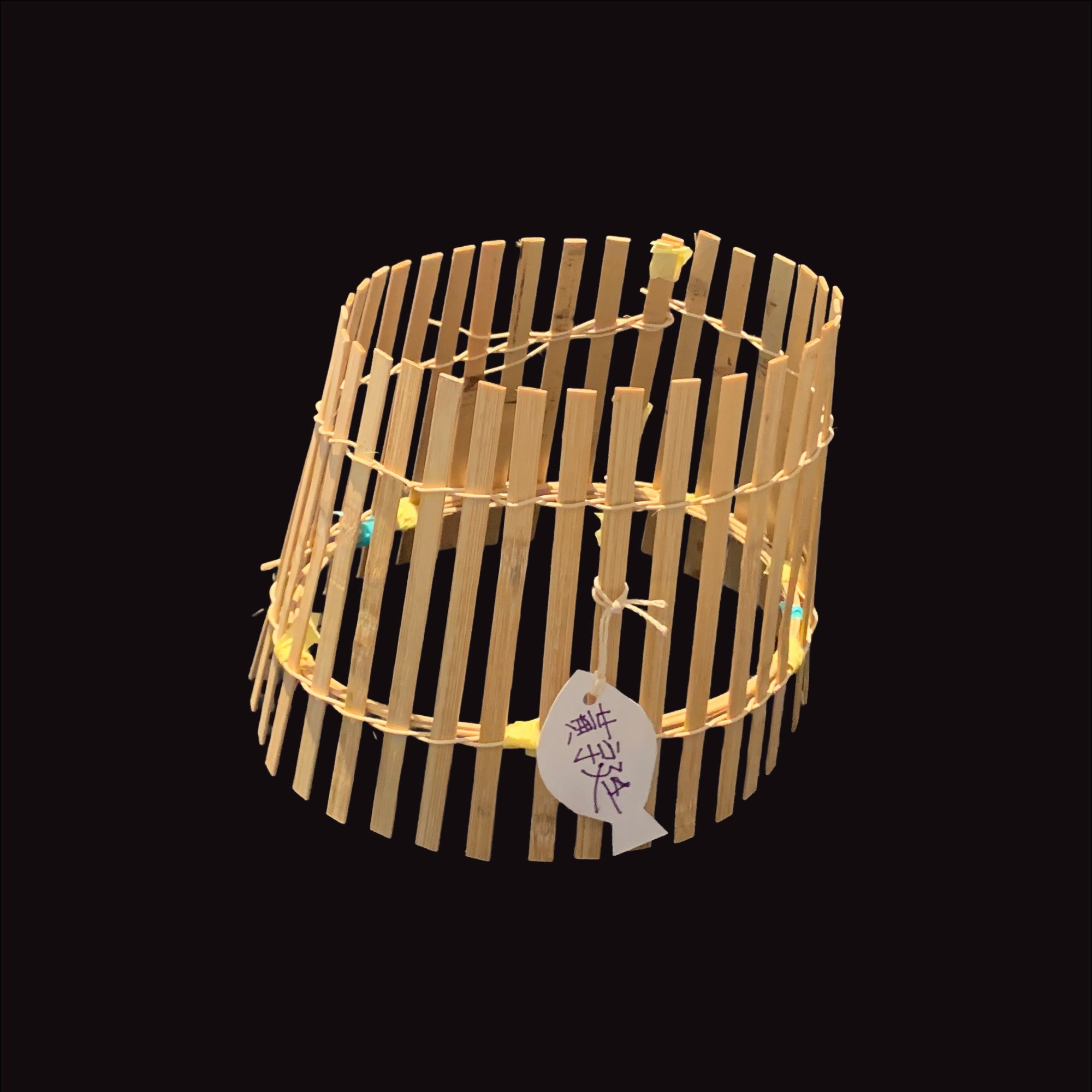
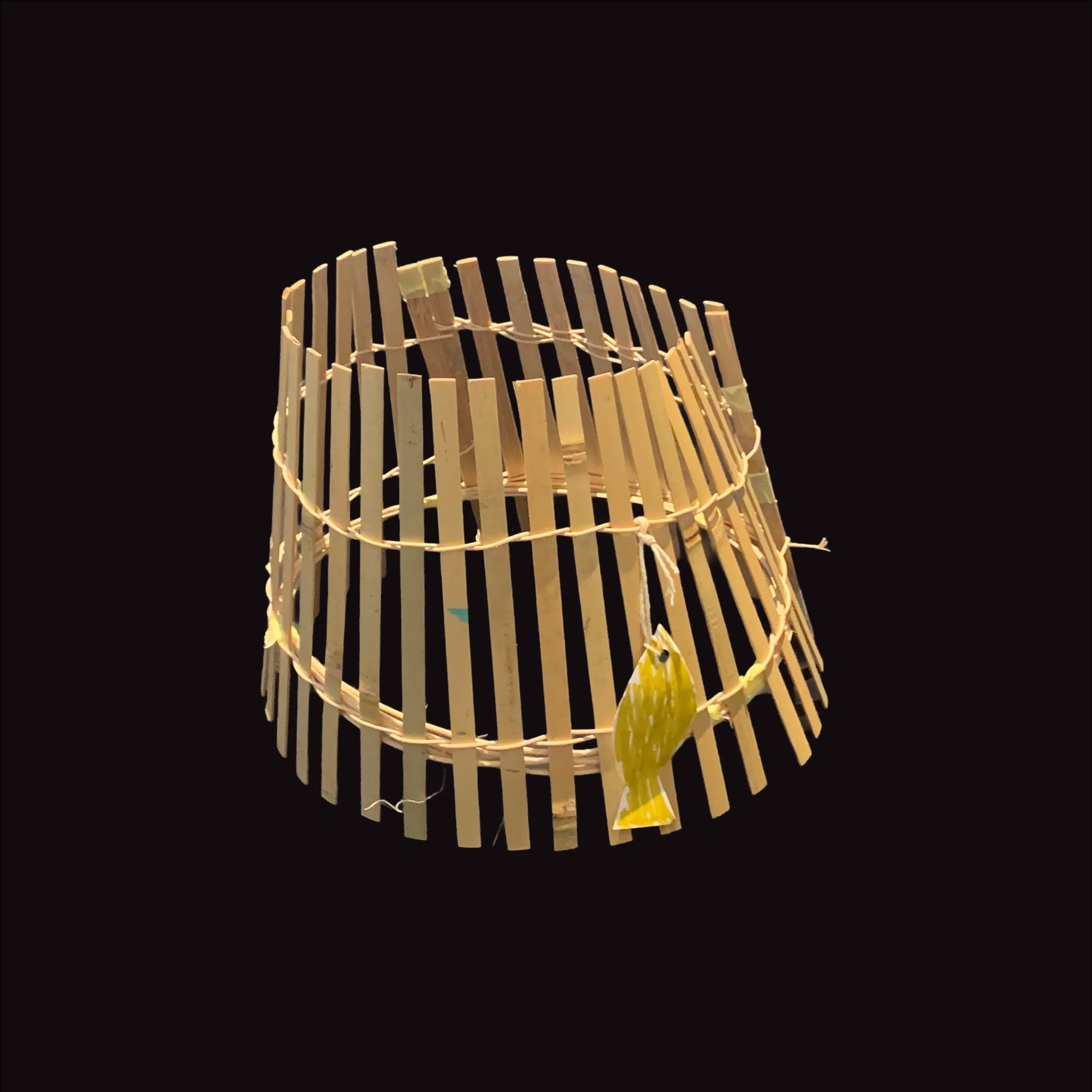
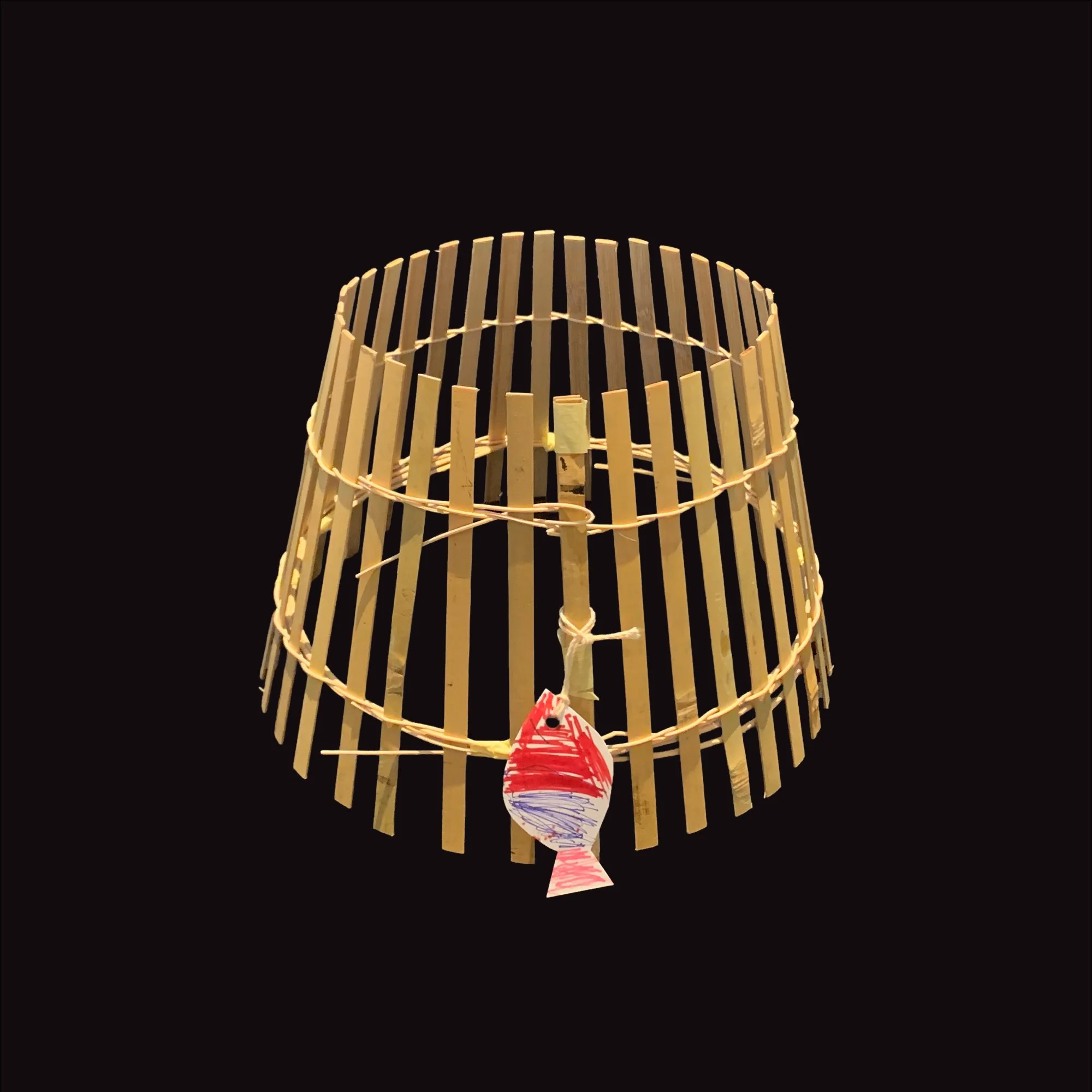
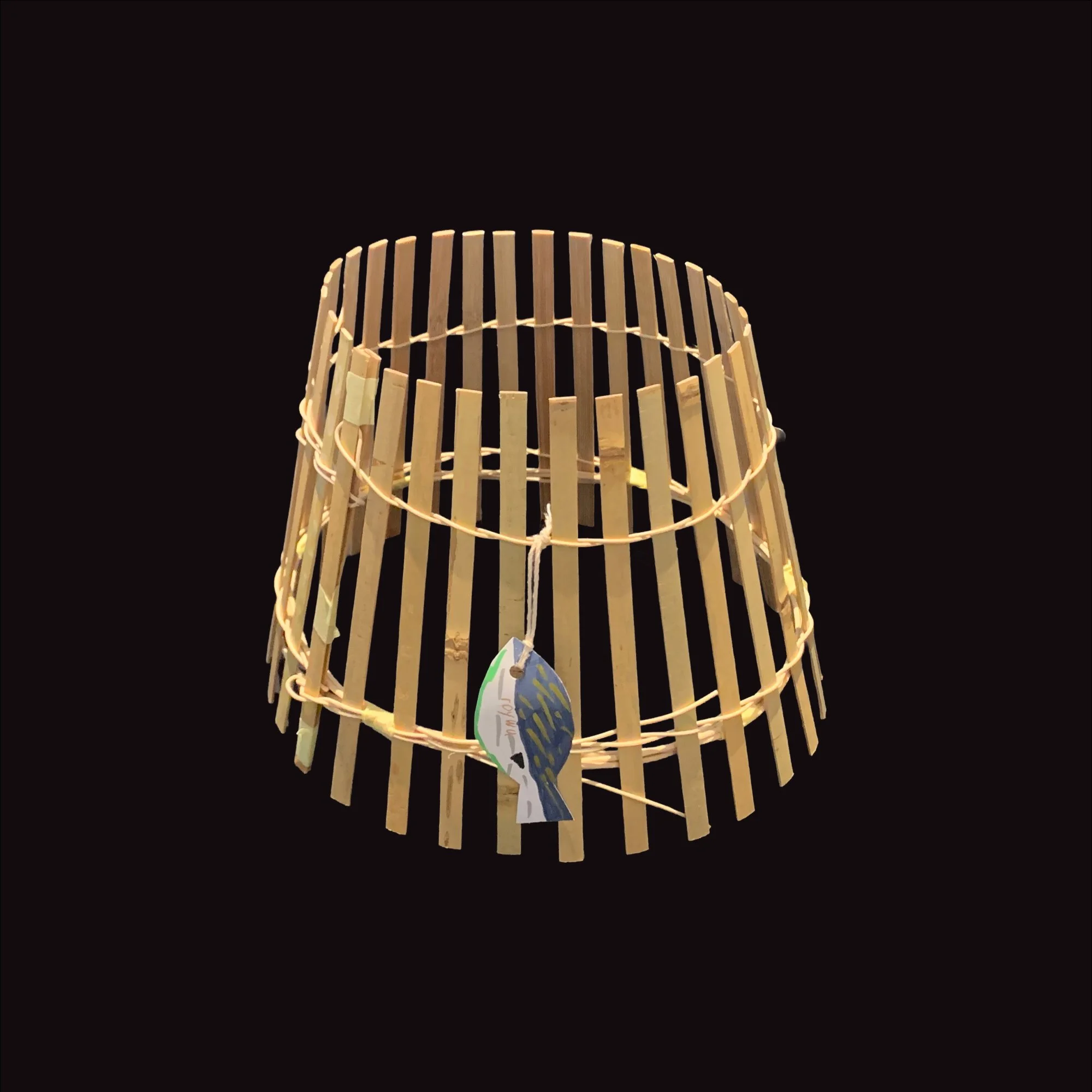
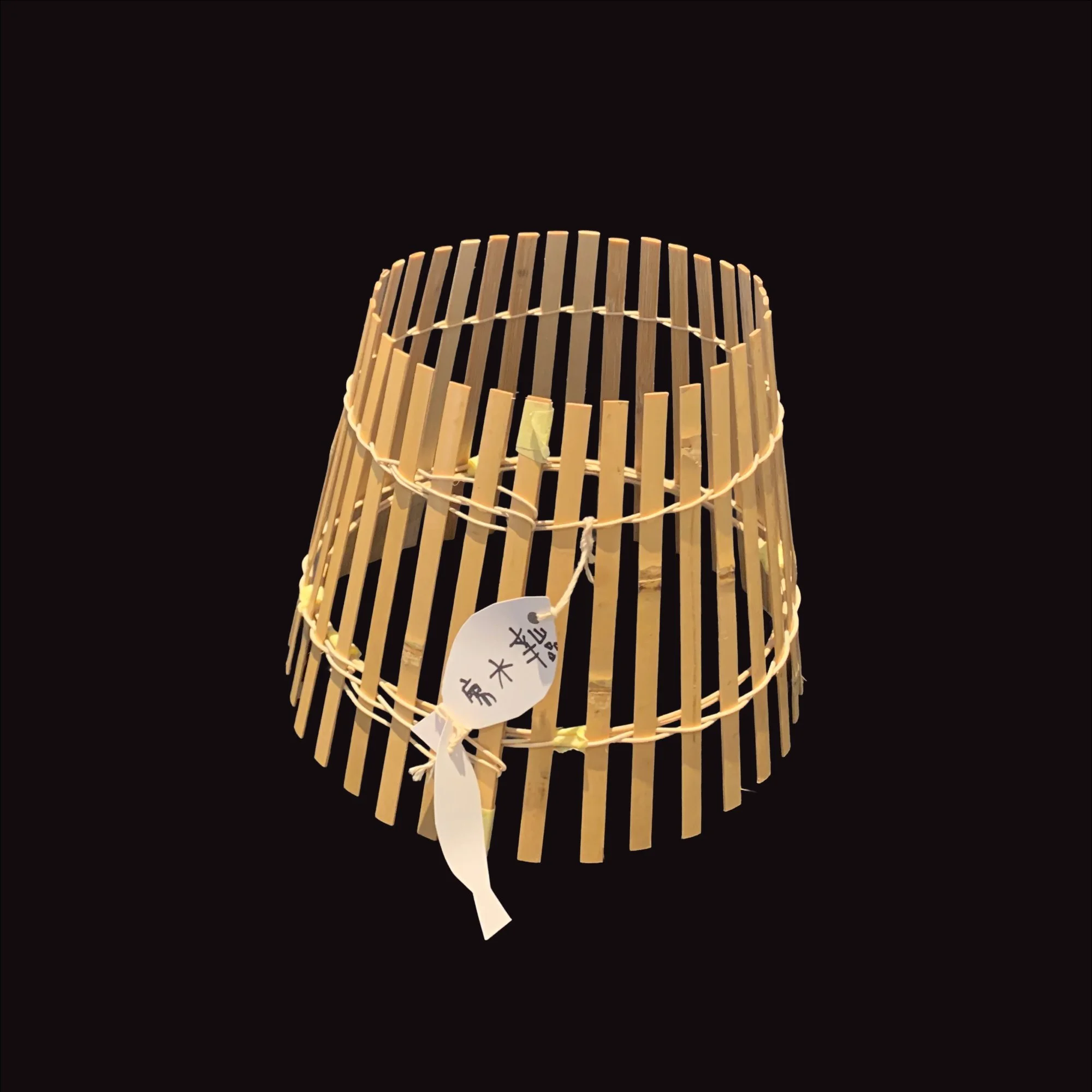
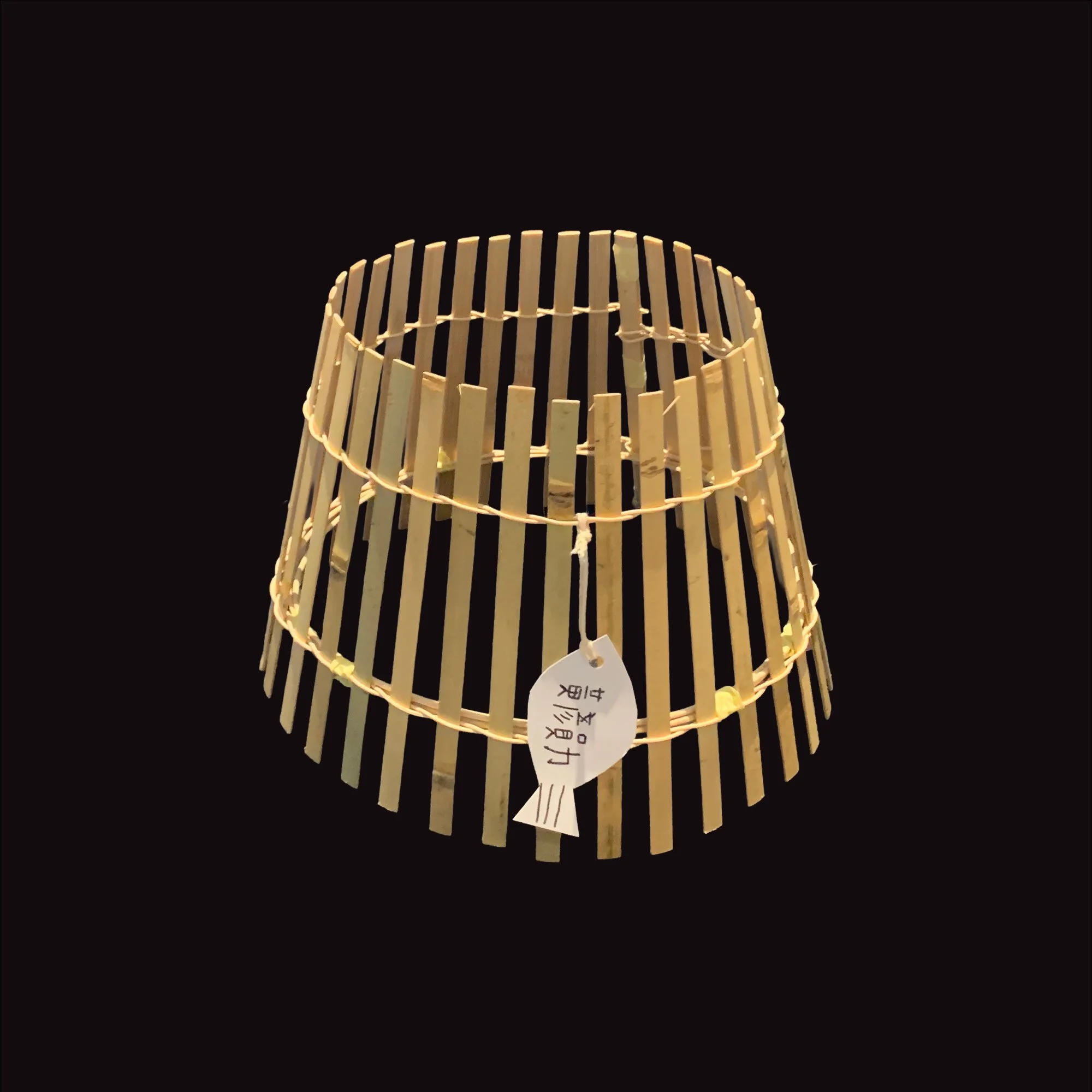
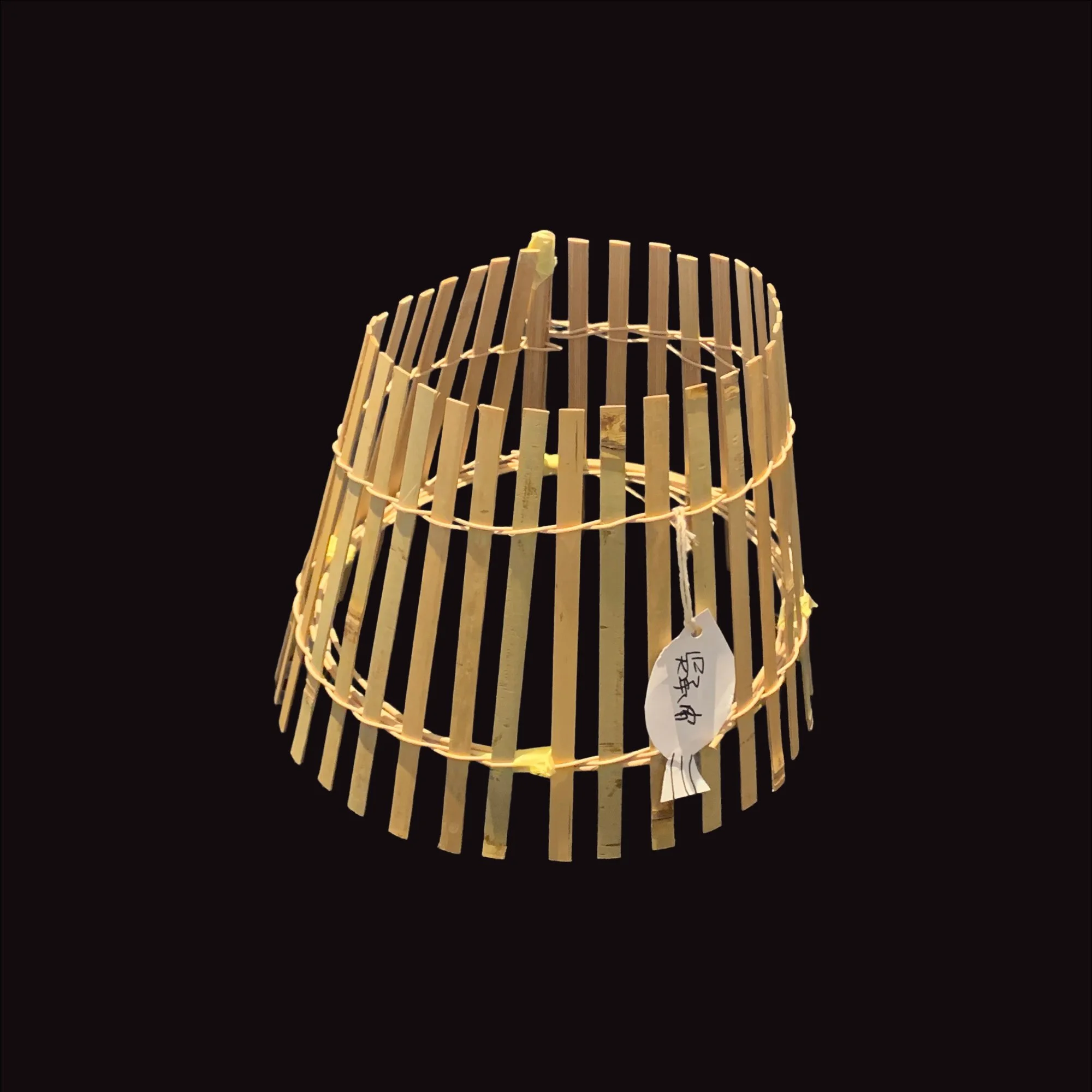
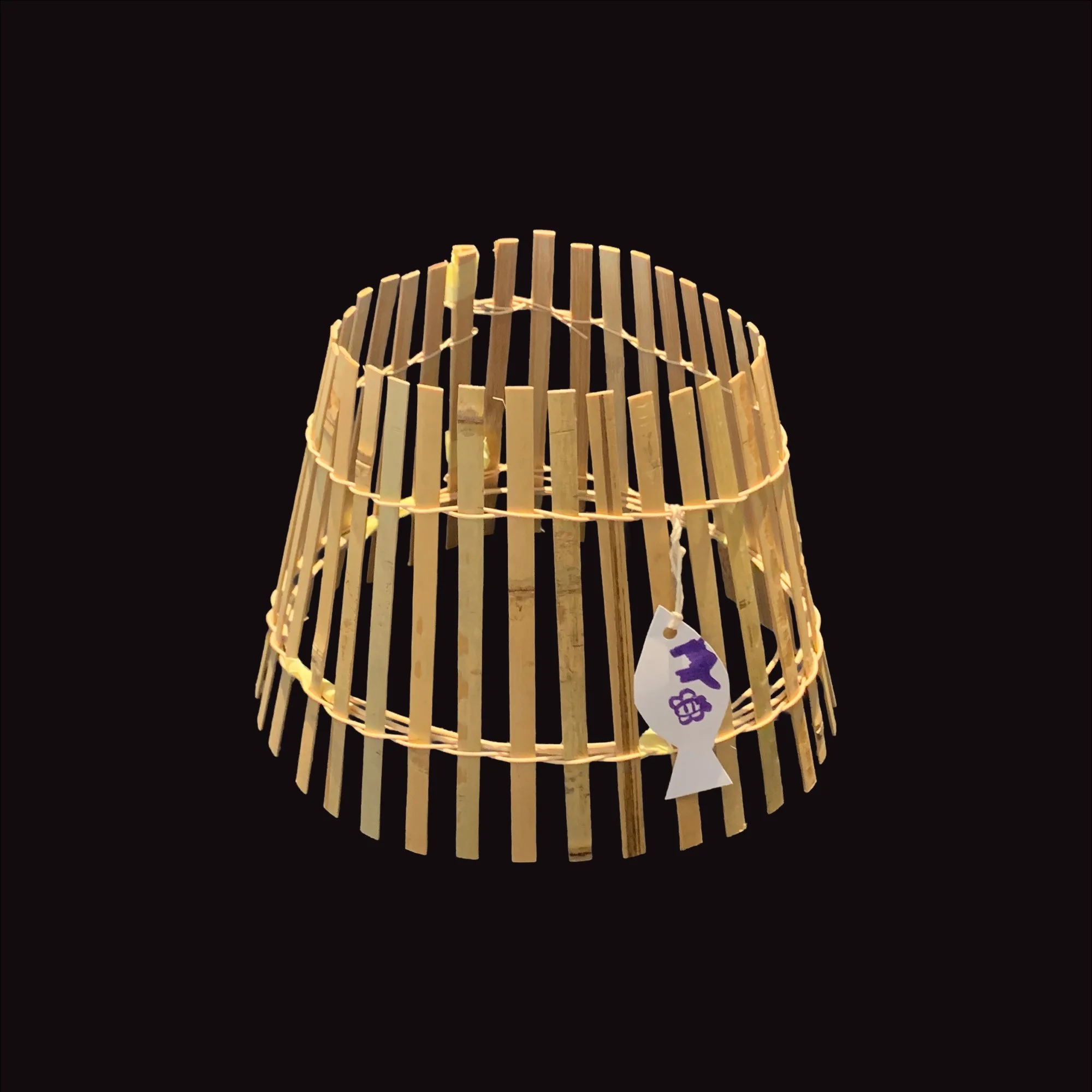
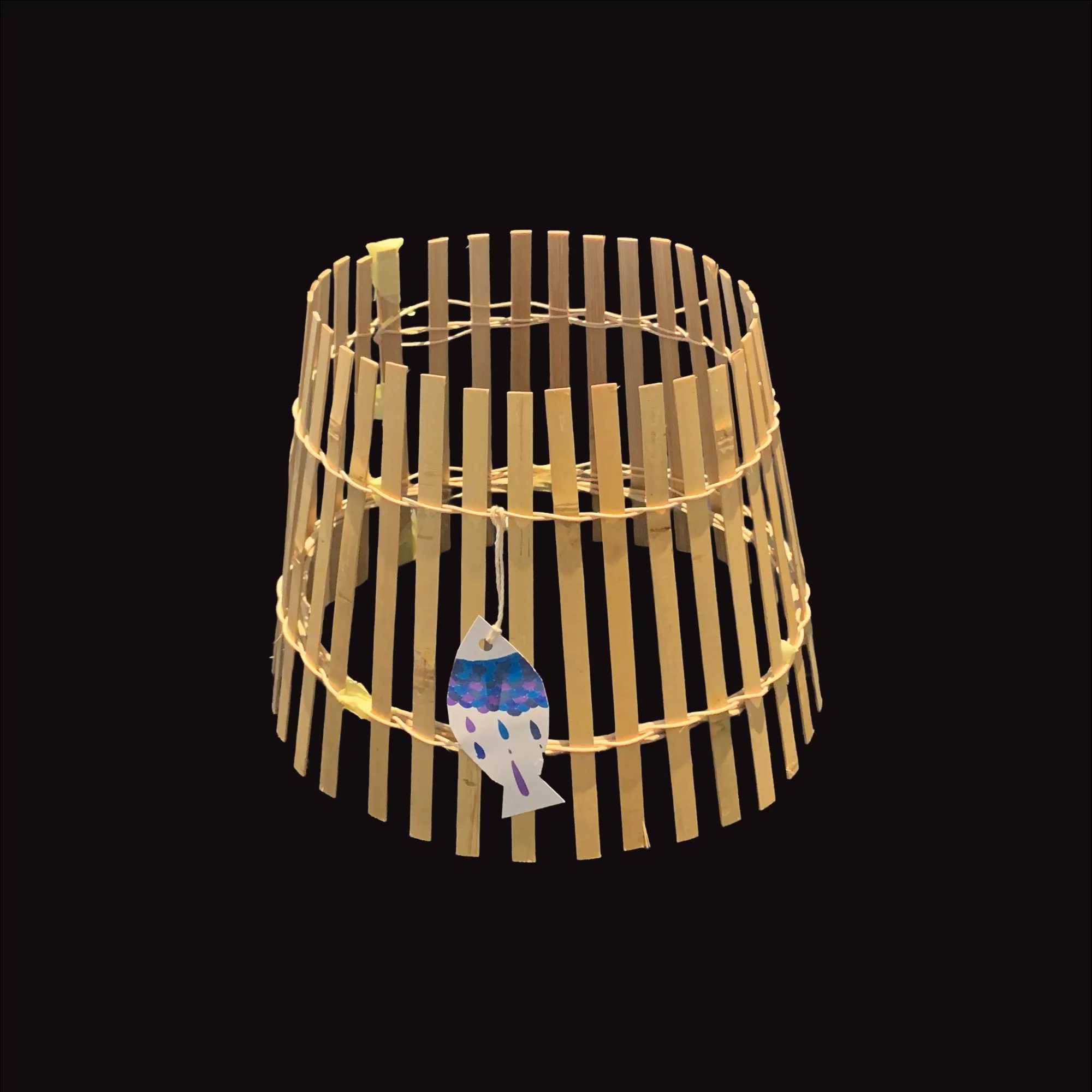
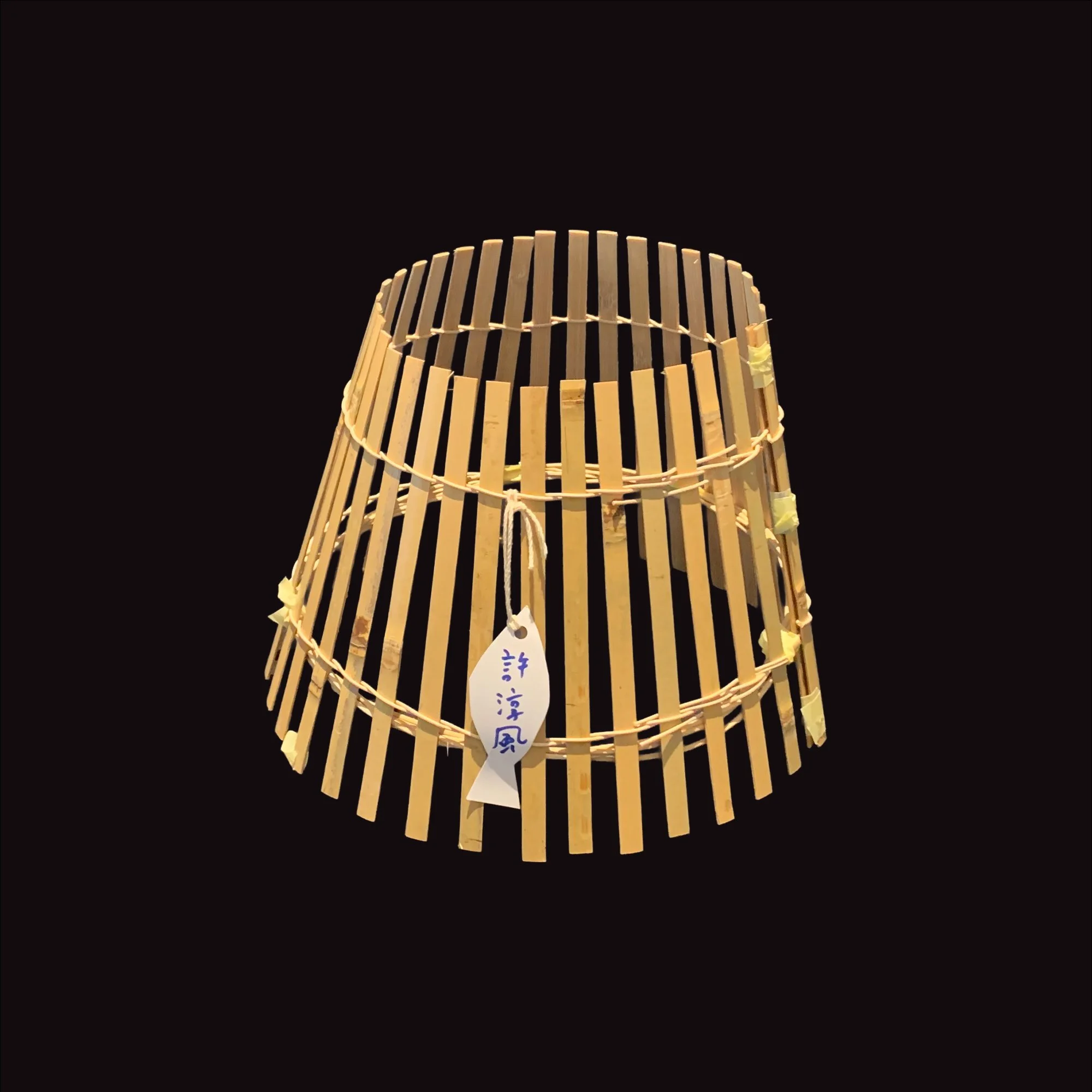
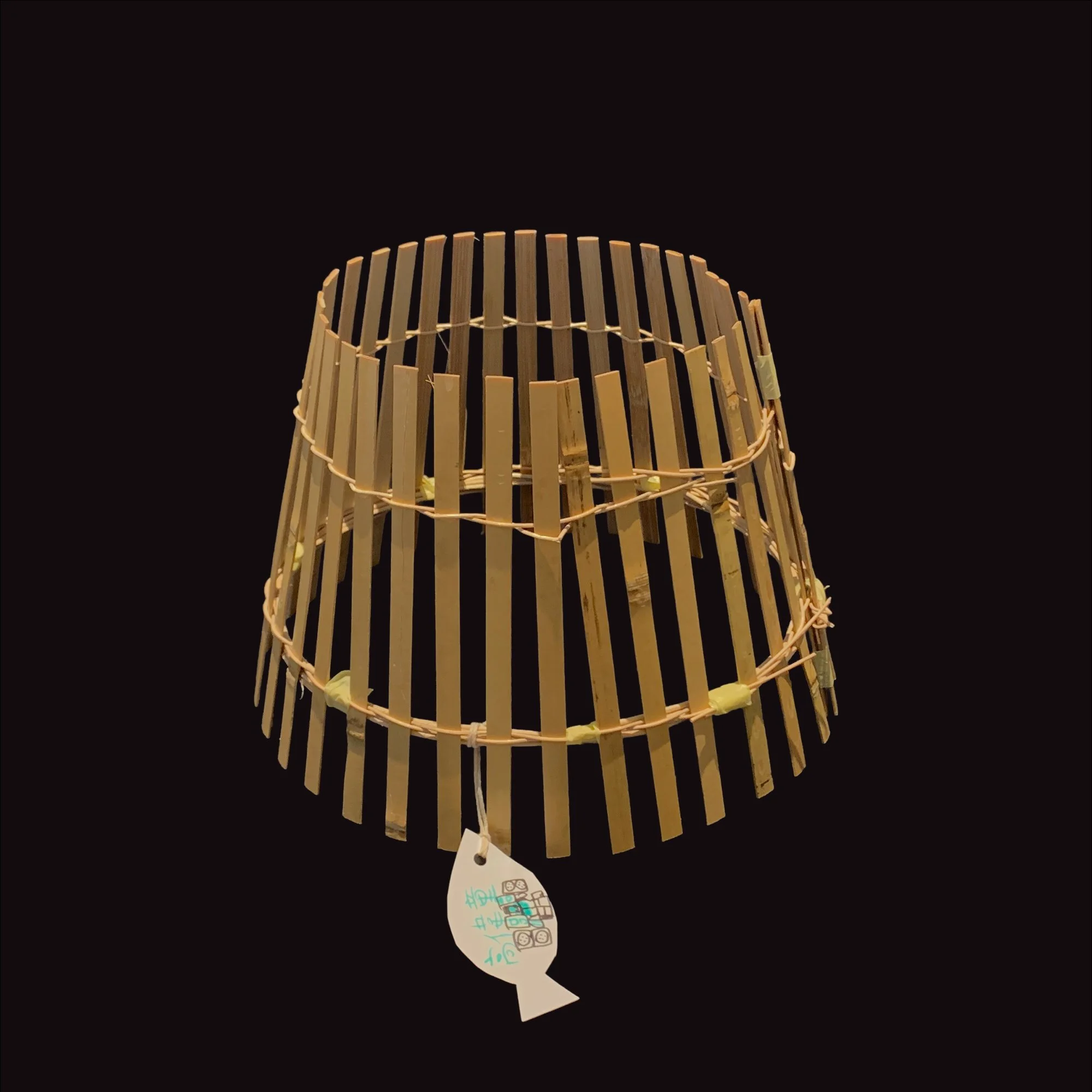
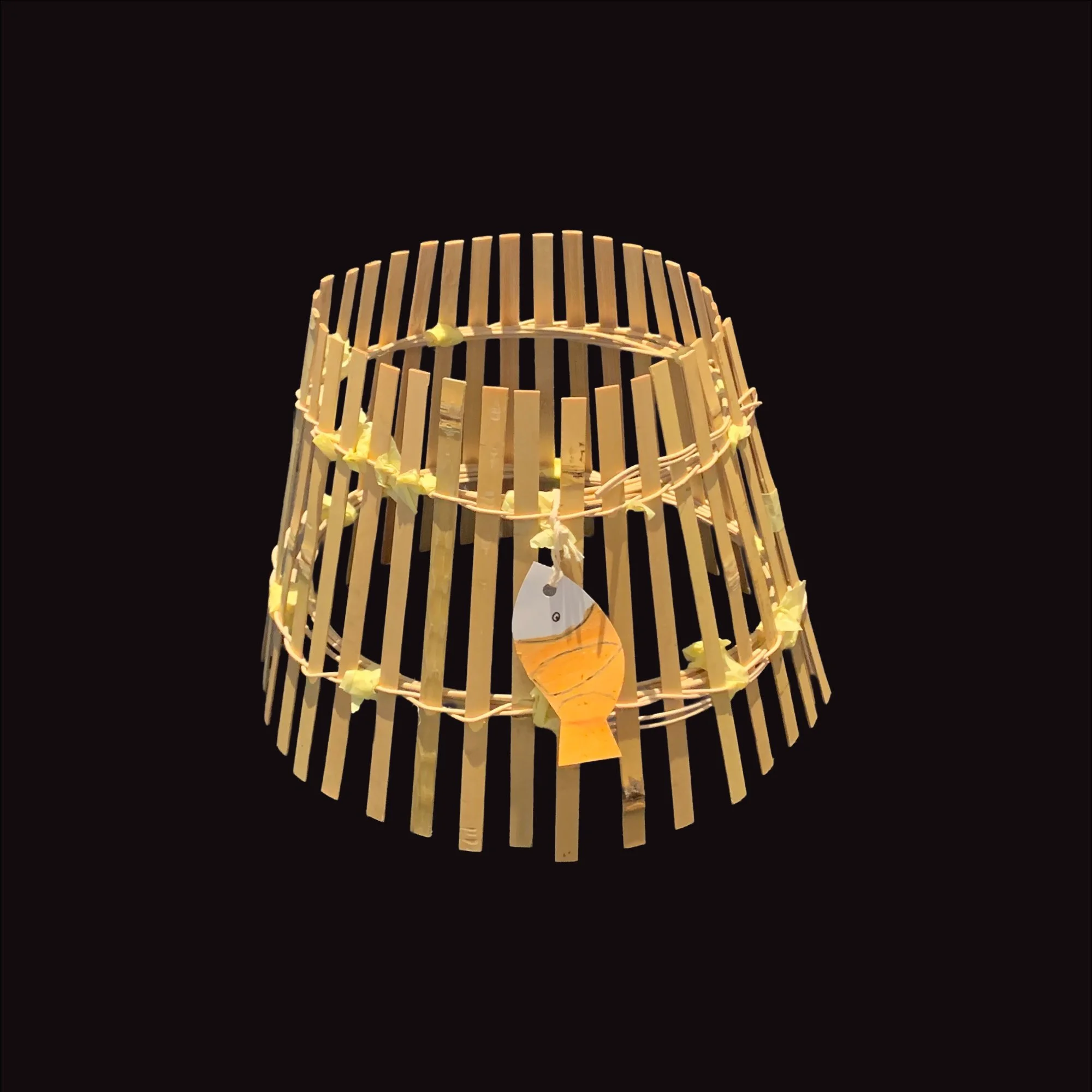
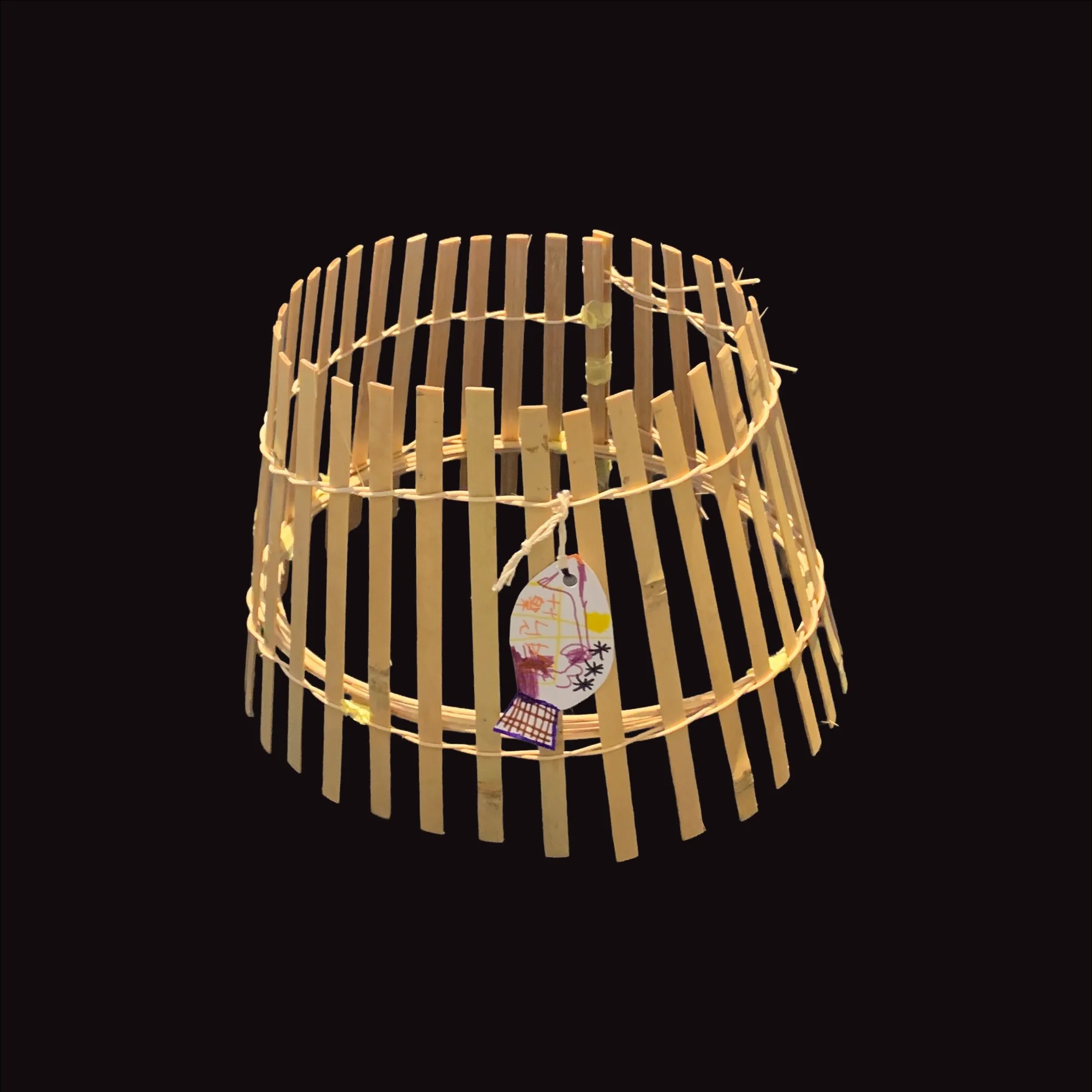
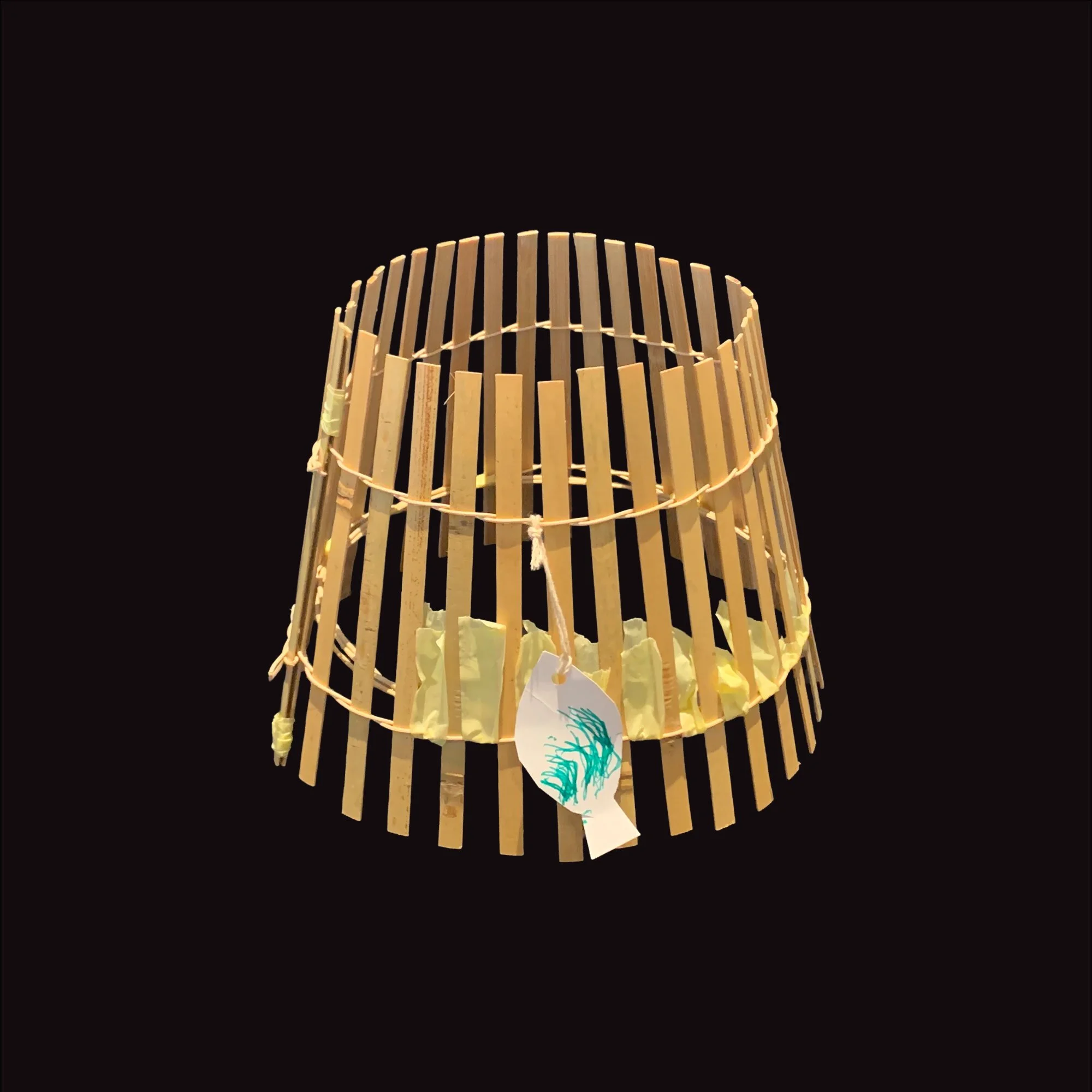
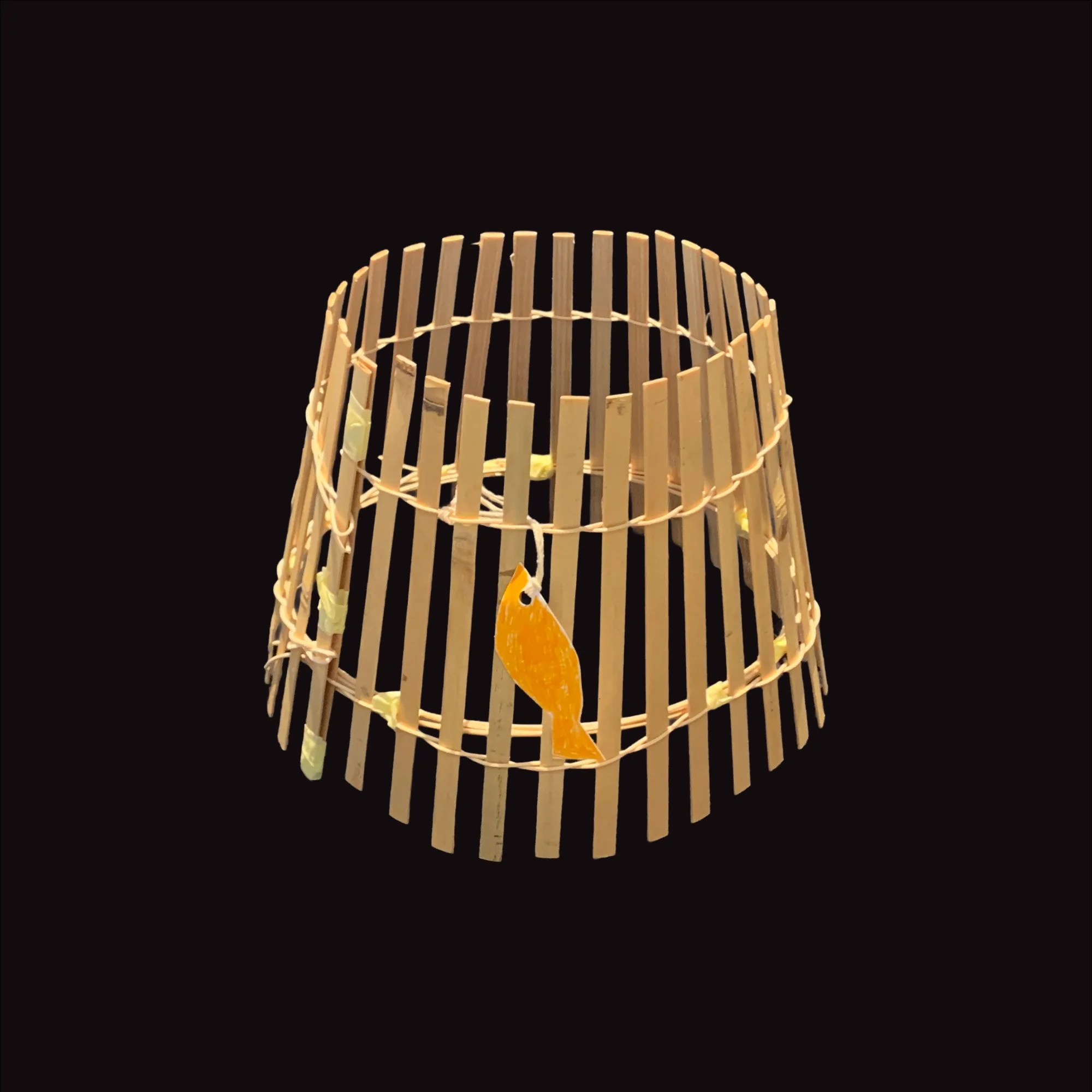
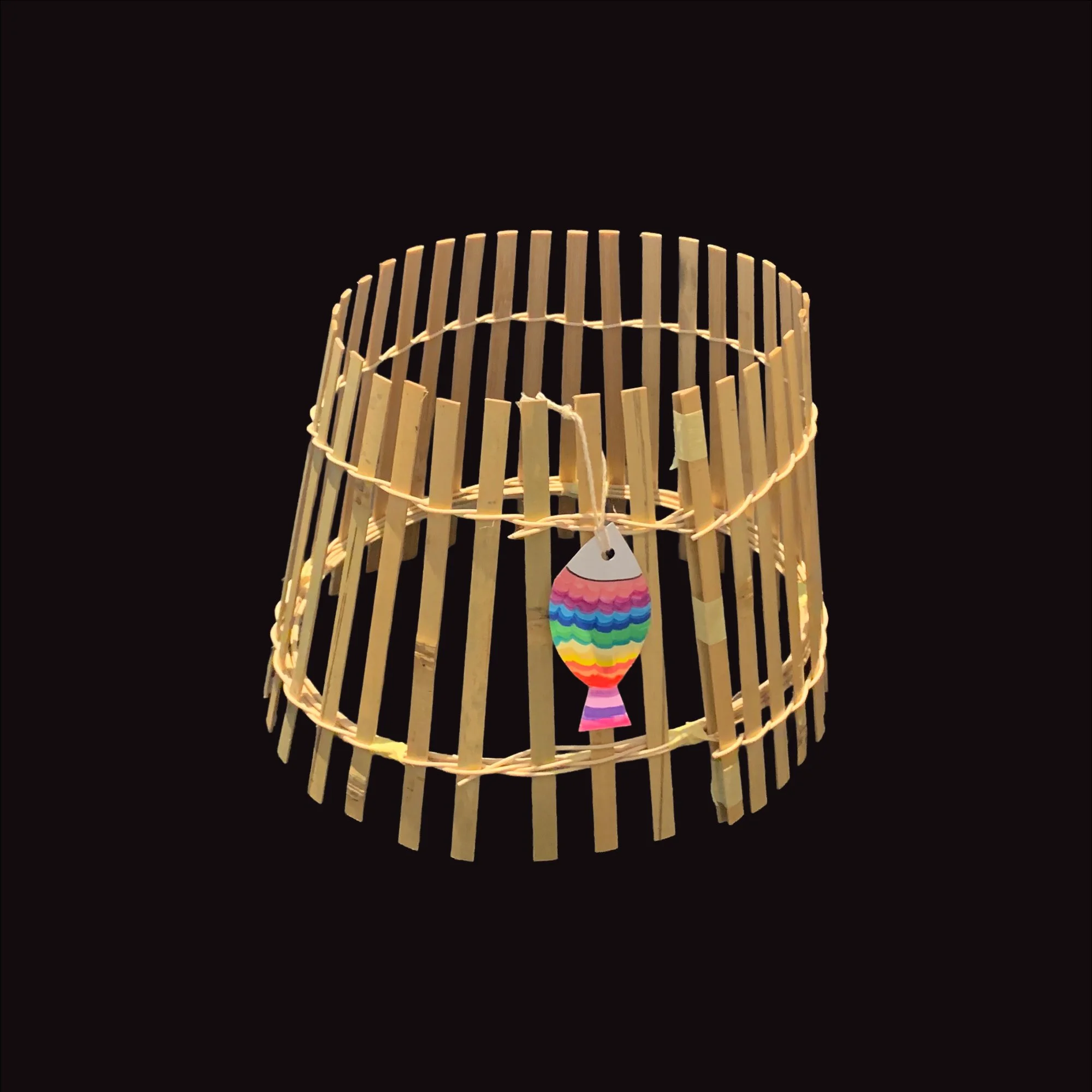
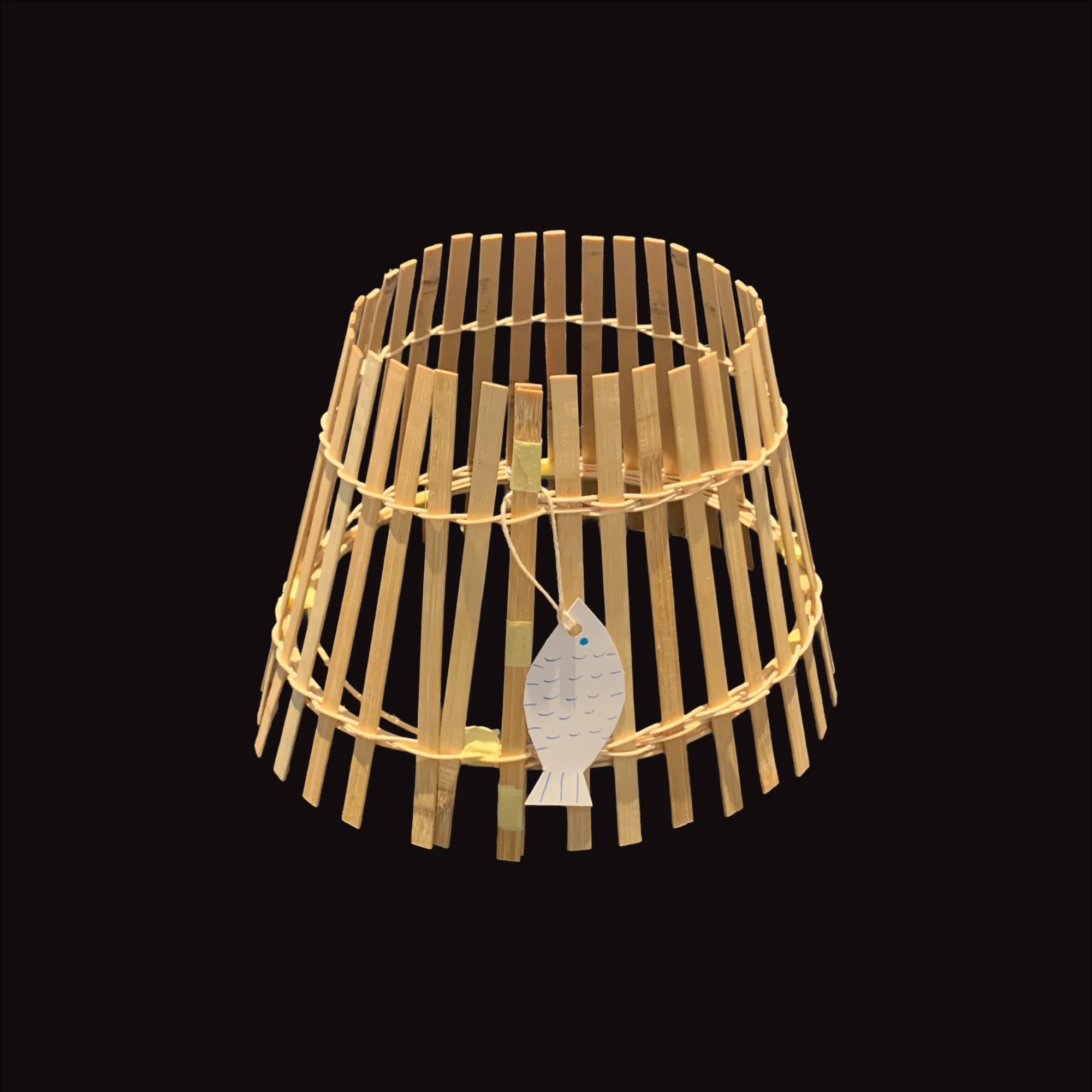
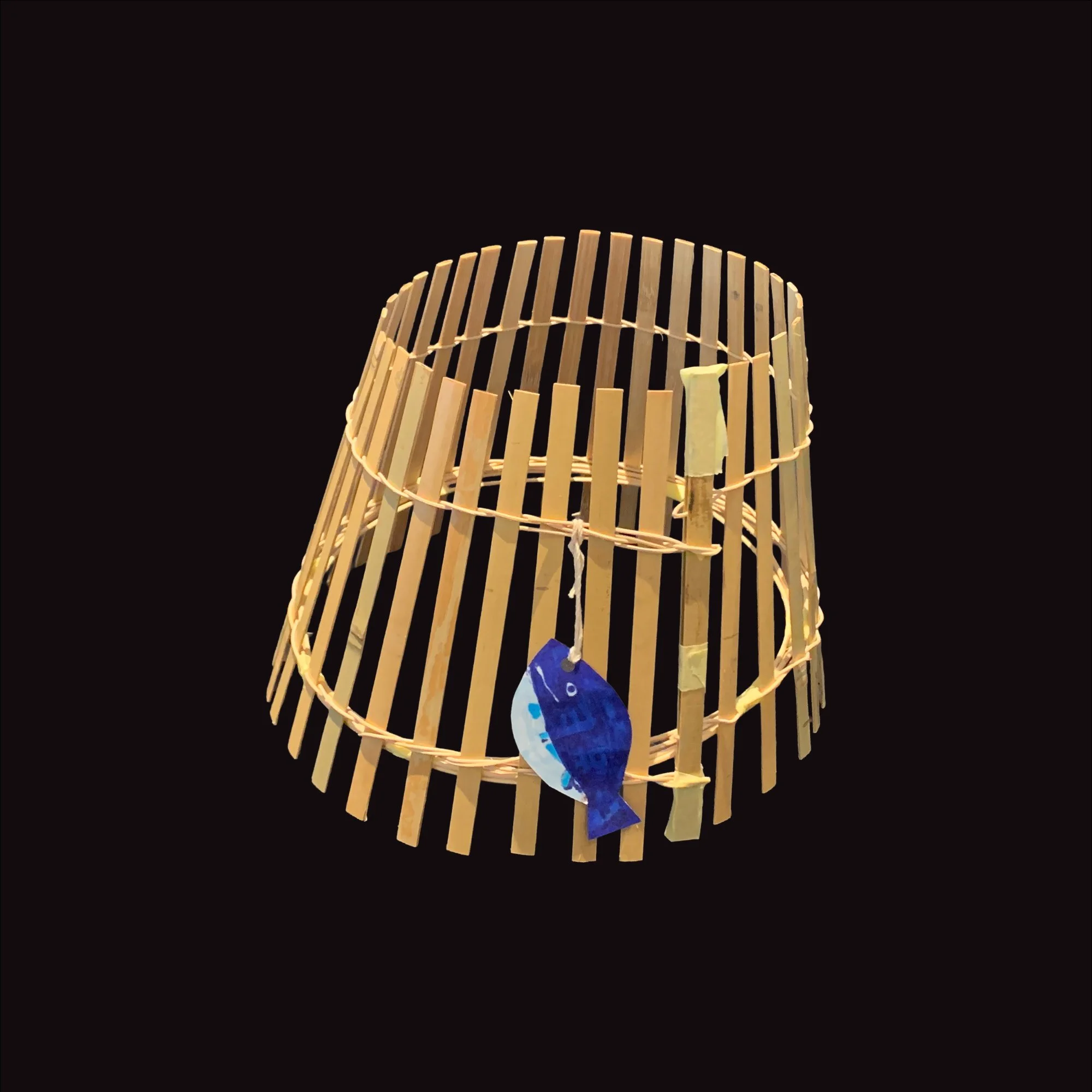
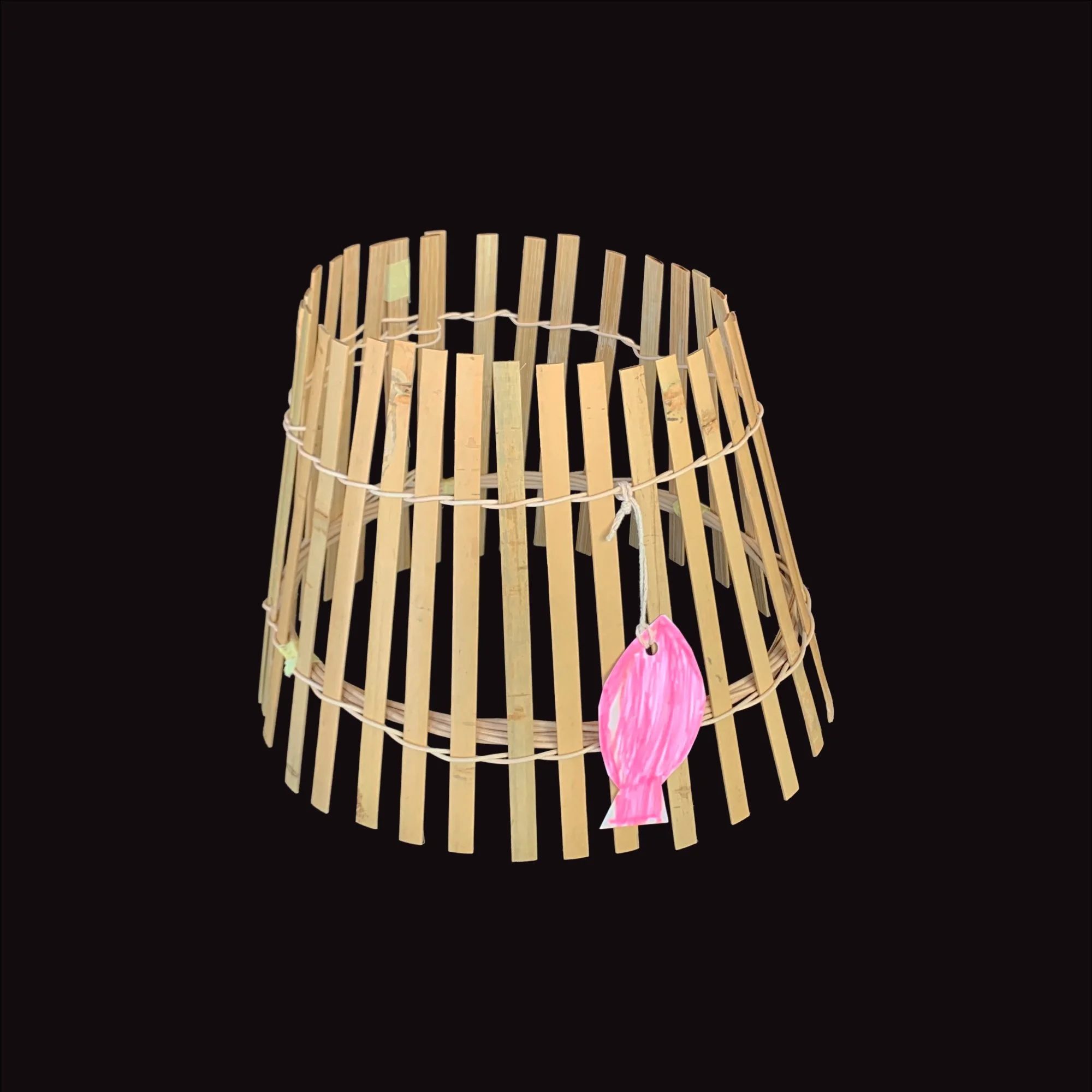
Led children in creating fish traps approximately 20 cm in height, each finished with a hand-drawn small fish name tag. Over two days, about 40 pieces were completed and assembled into a sphere approximately 100 cm in diameter, forming a collaborative installation artwork suspended in the space of Guang Long Hang.
#local culture
Through the artist's explanations and the observation of objects, students learn about the wisdom of how early inhabitants sourced materials from nature and gain an understanding of Taiwan's local living culture.
#craftsmanship
Through thoughtfully designed materials, and the artist's guidance, participants handcraft their own fish traps, experiencing the qualities and beauty of natural materials by their own hands.
#collaborate & create
Through the process of learning the craft, participants collaborate with others and practice social interaction. Ultimately, everyone's efforts come together to form a large-scale sculptural work completed collectively.
魚筌工作坊
帶領孩子們學習製作高度約20 公分的魚筌,完成後繪製小魚名牌掛上。兩天活動製作總數量約40 個,最後集合構成一顆大約直徑100cm 的球體,作為一間共創裝置藝術懸吊展示於光隆行的空間之中。
#認識在地文化
藉由藝術家的講解與觀察實體物件,認識先民從自然取材的智慧,了解屬於台灣本土、在地的生活文化。
#學習傳統工藝
透過經設計的材料、教具與藝術家的帶領,親手製作魚筌,實際體會自然材質的特性與美感。
#團隊合作共創
學習工藝的過程中,與他人合作,練習社交互動。最終集結眾人的努力,合為共同完成的大型雕塑作品
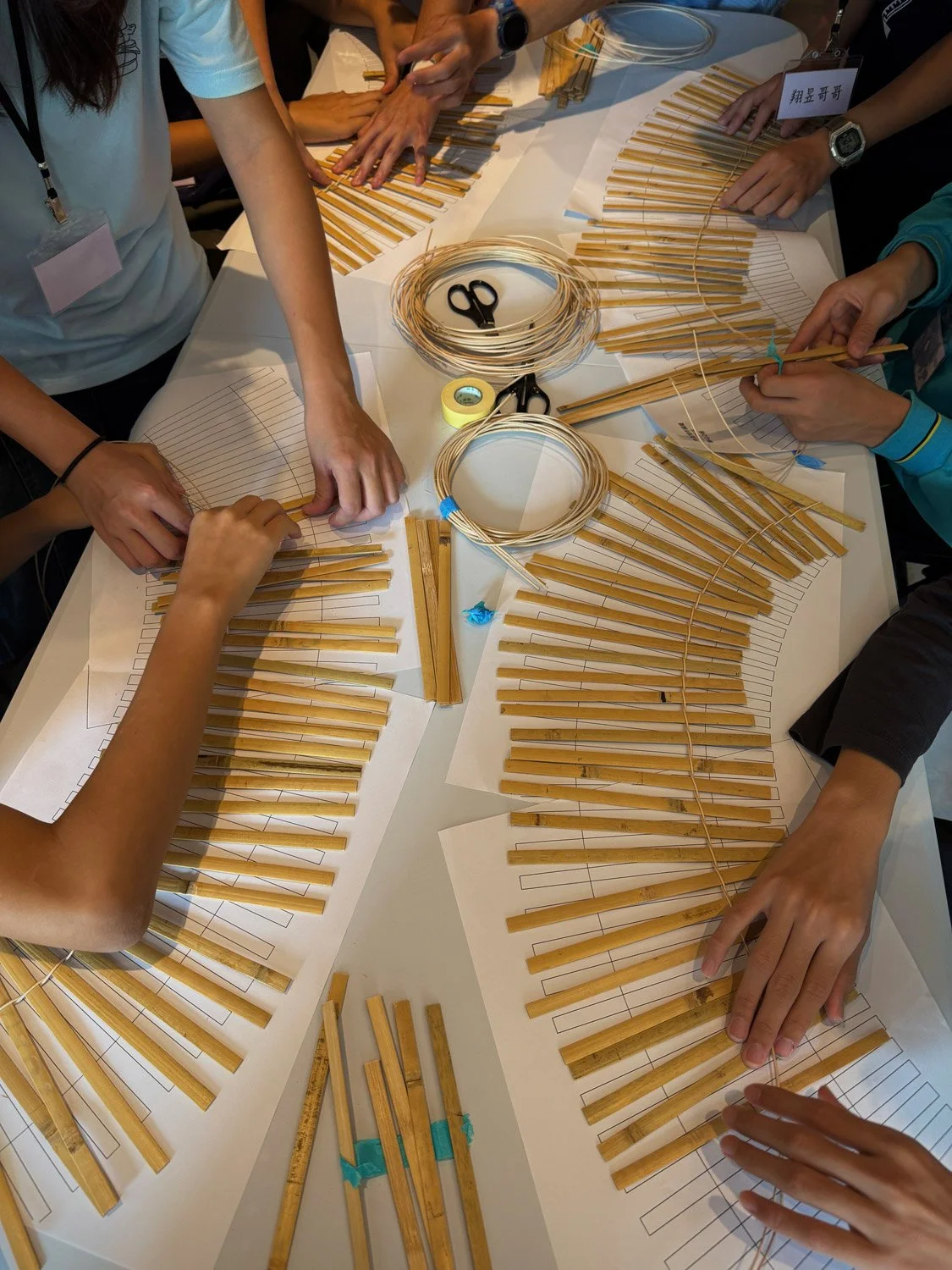
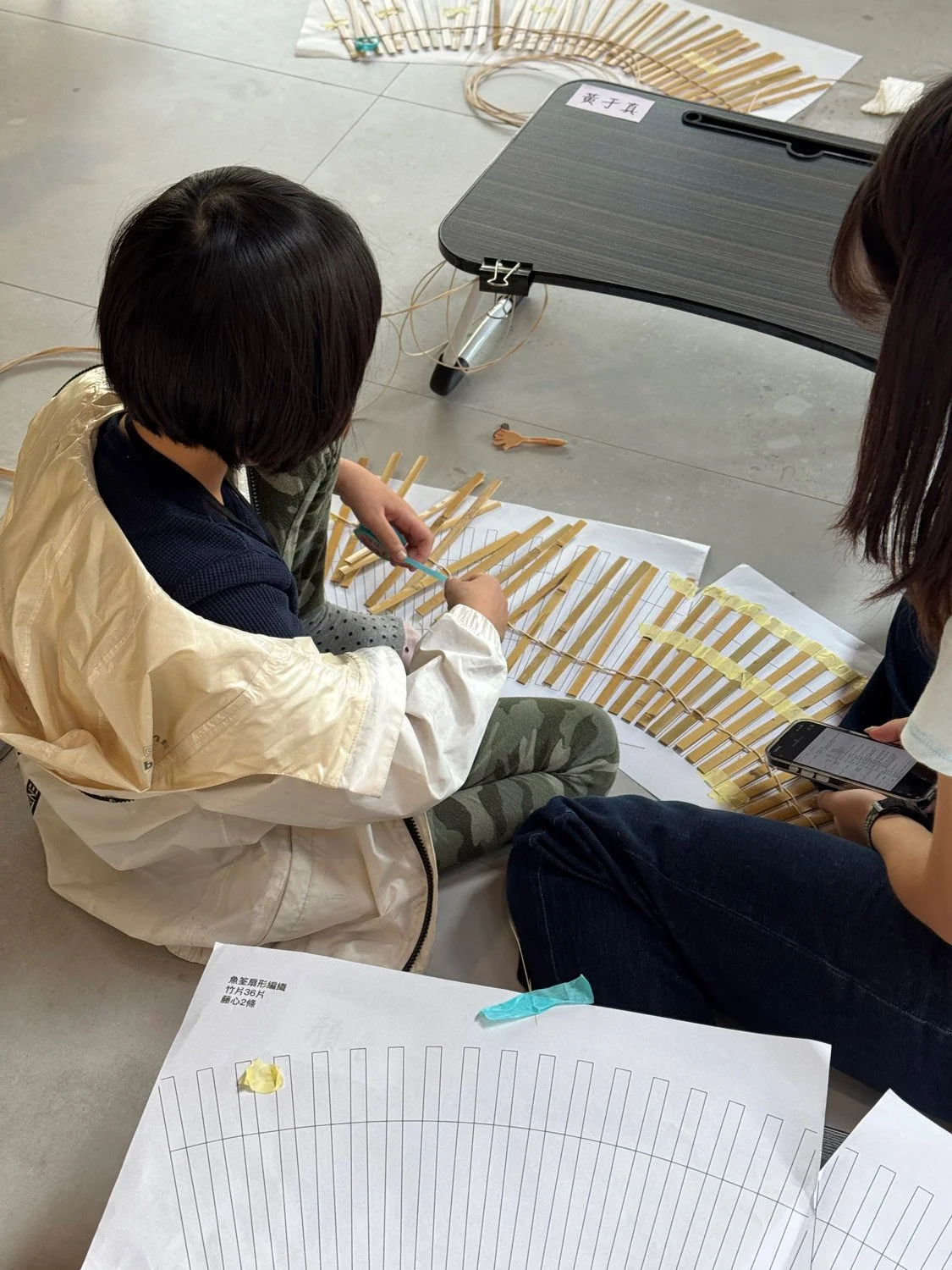
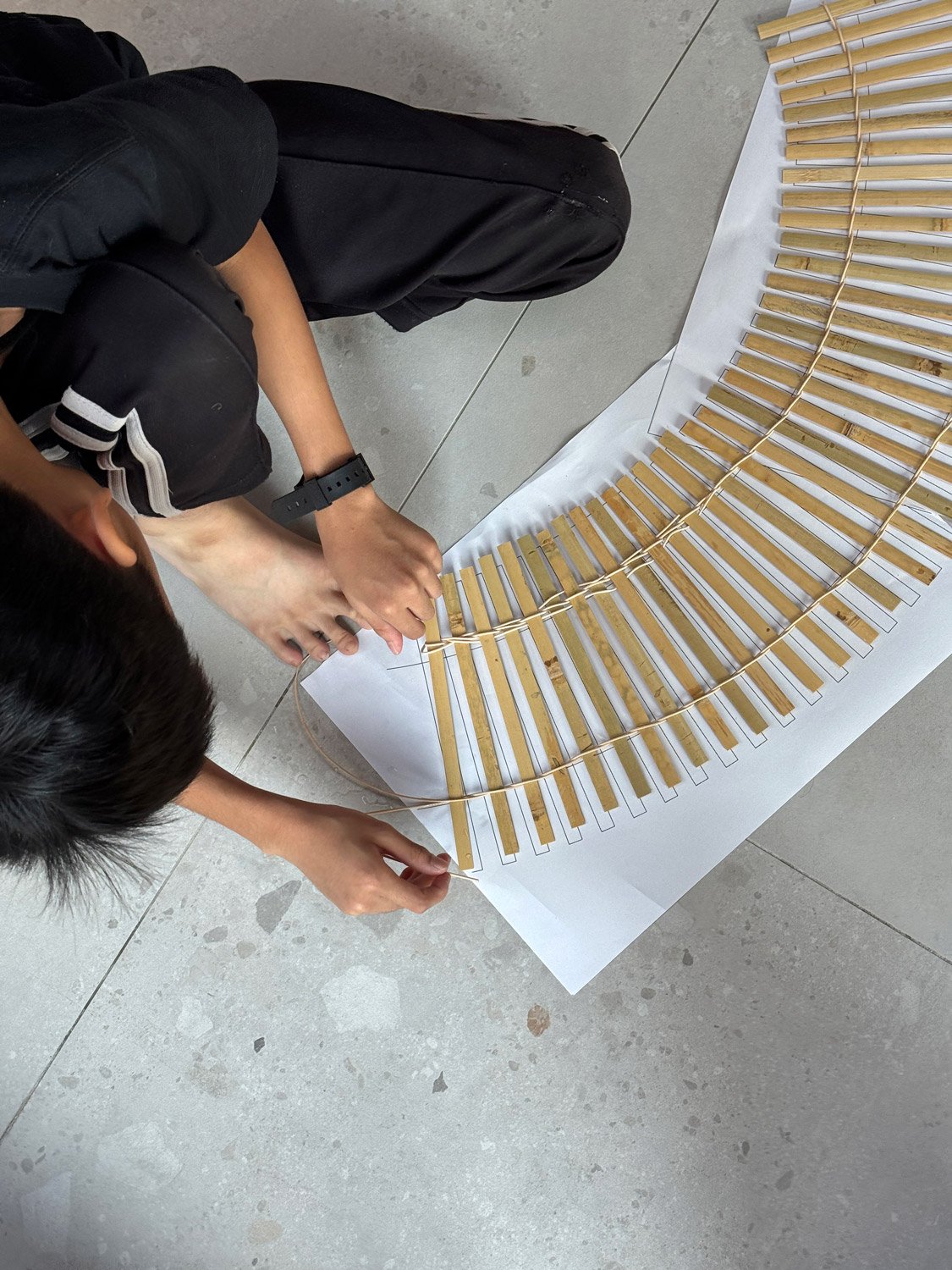

step 1|sector weaving
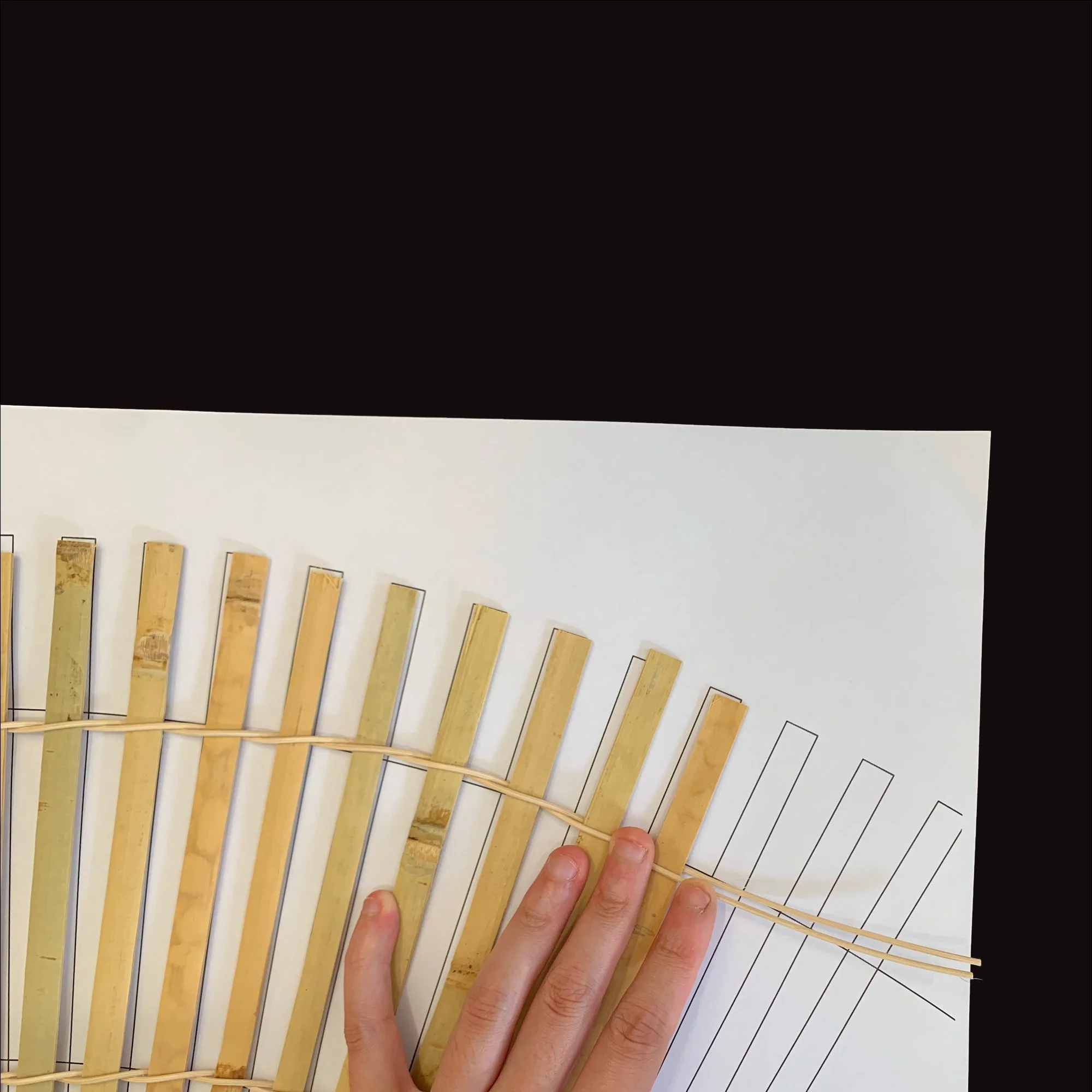
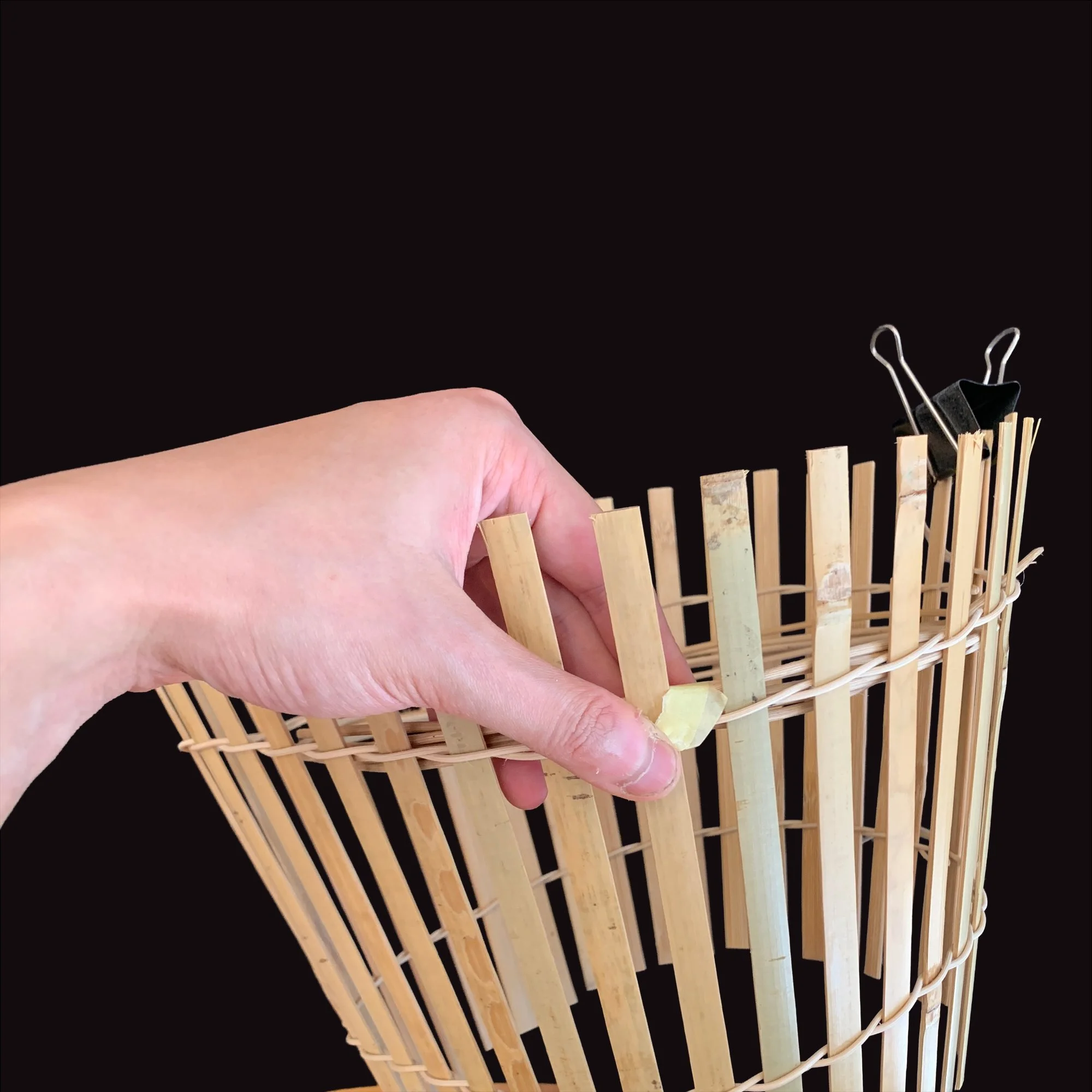
Thin rattan cores are used to weave bamboo strips neatly into a fan-shaped surface. By calculating the dimensions and spacing of the bamboo strips, the assembled surface can be controlled to form a fish trap of the intended size.
step 2|rattan ring
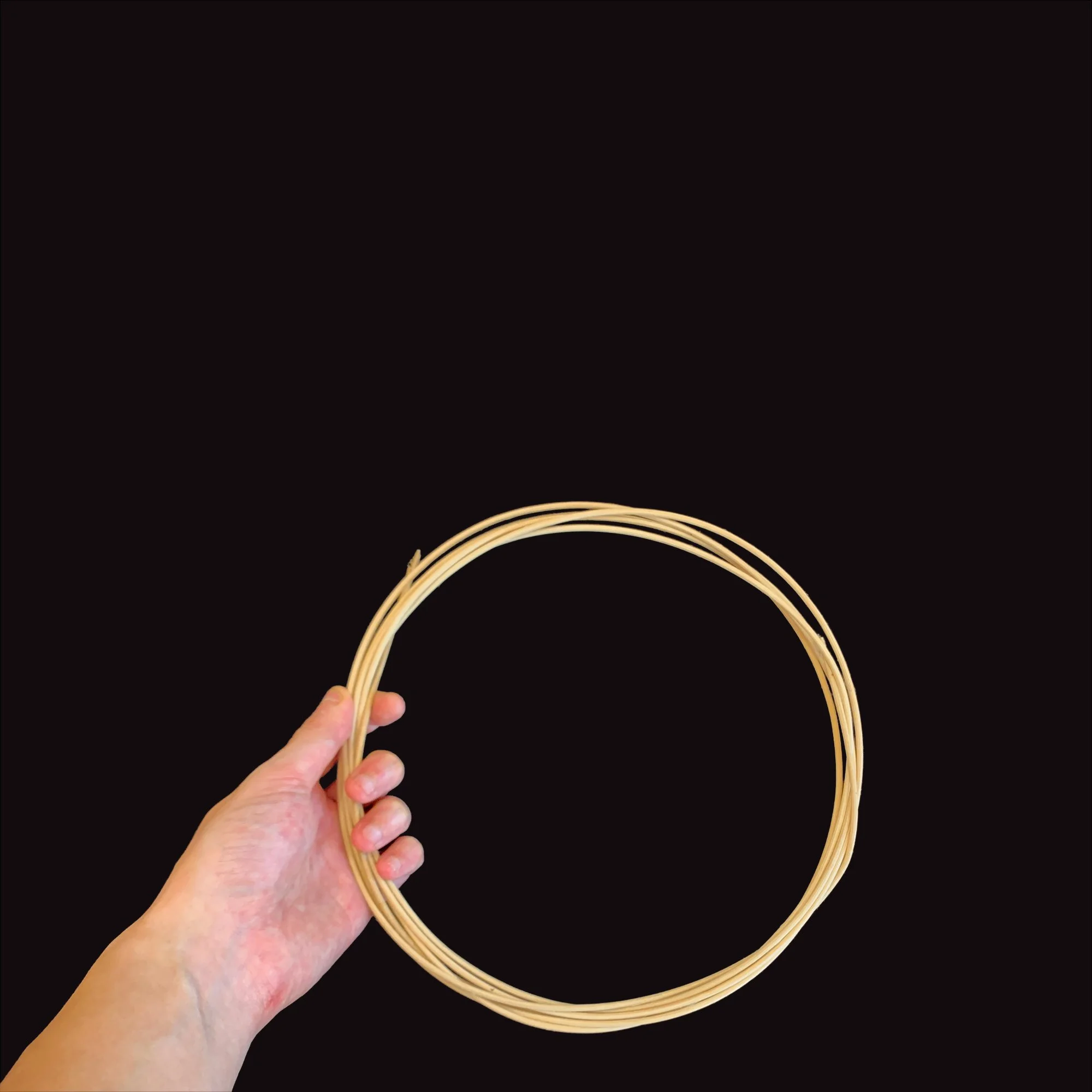
A thick rattan core is bent into a ring according to the required size of the fish trap. The ring's strength and flexibility help the fish trap maintain its shape and prevent it from collapsing or deforming.
step 3|cone fixing
Align the first and last bamboo strips of the fan-shaped weave to form a cone, then secure them with rattan core or rattan tape. Finally, attach the rattan ring to the woven outer circle using rattan tape.
step 4|attach fish tags
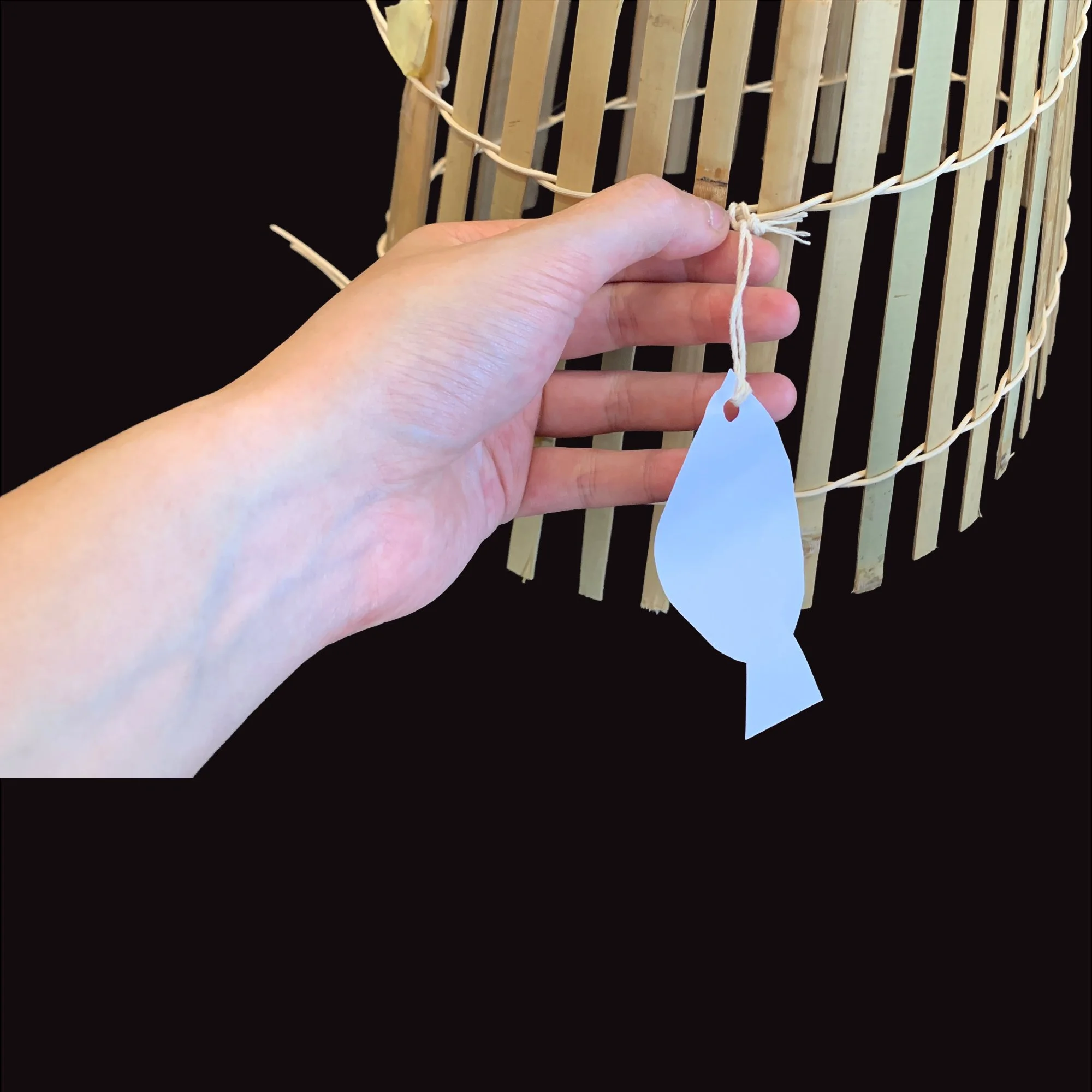
Participants can paint small fish-shaped tags, write their names on them, and tie them onto the woven small loops.
步驟1|扇形編織
使用細藤心將竹片整齊編成扇形面狀。經計算的竹片尺寸、距離可控制面狀組合為指定的魚筌大小。
步驟2|藤圈構成
將一根粗藤心根據魚筌大小繞成一個圈。藤圈的堅固與彈性能讓魚筌維持形狀,避免塌陷變形。
步驟3|錐形固定
將扇形編織的第一片與最後一片竹片對齊,形成錐狀,並以藤心或膠帶藤固定。最後將藤圈與編織的大圈以膠帶固定。
步驟4|掛上小魚
學員可以彩繪小魚掛牌,並在上面留下姓名,綁在編織的小圈處。
document day 1
作品記錄 day 1
作品記錄 day 2
document day 2
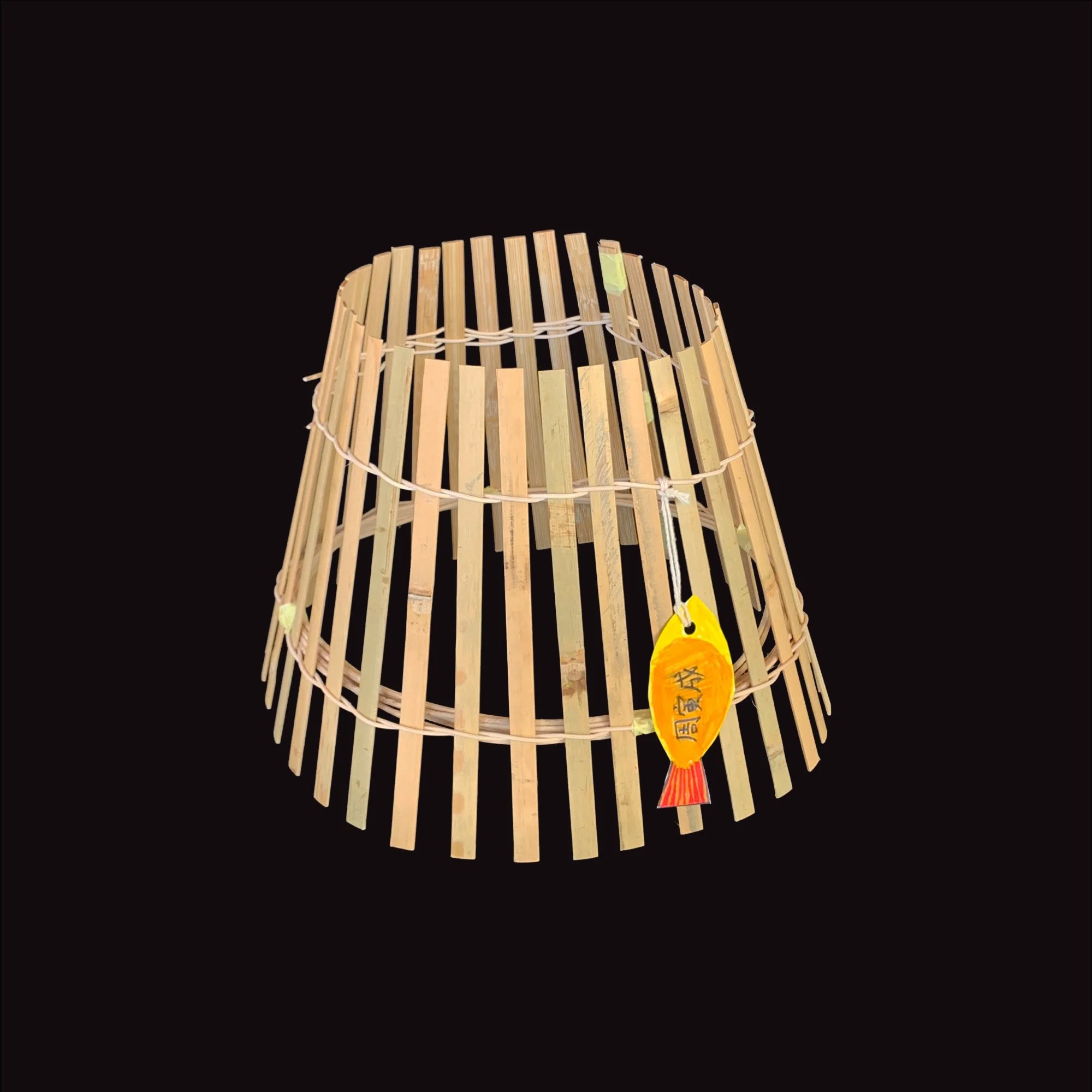
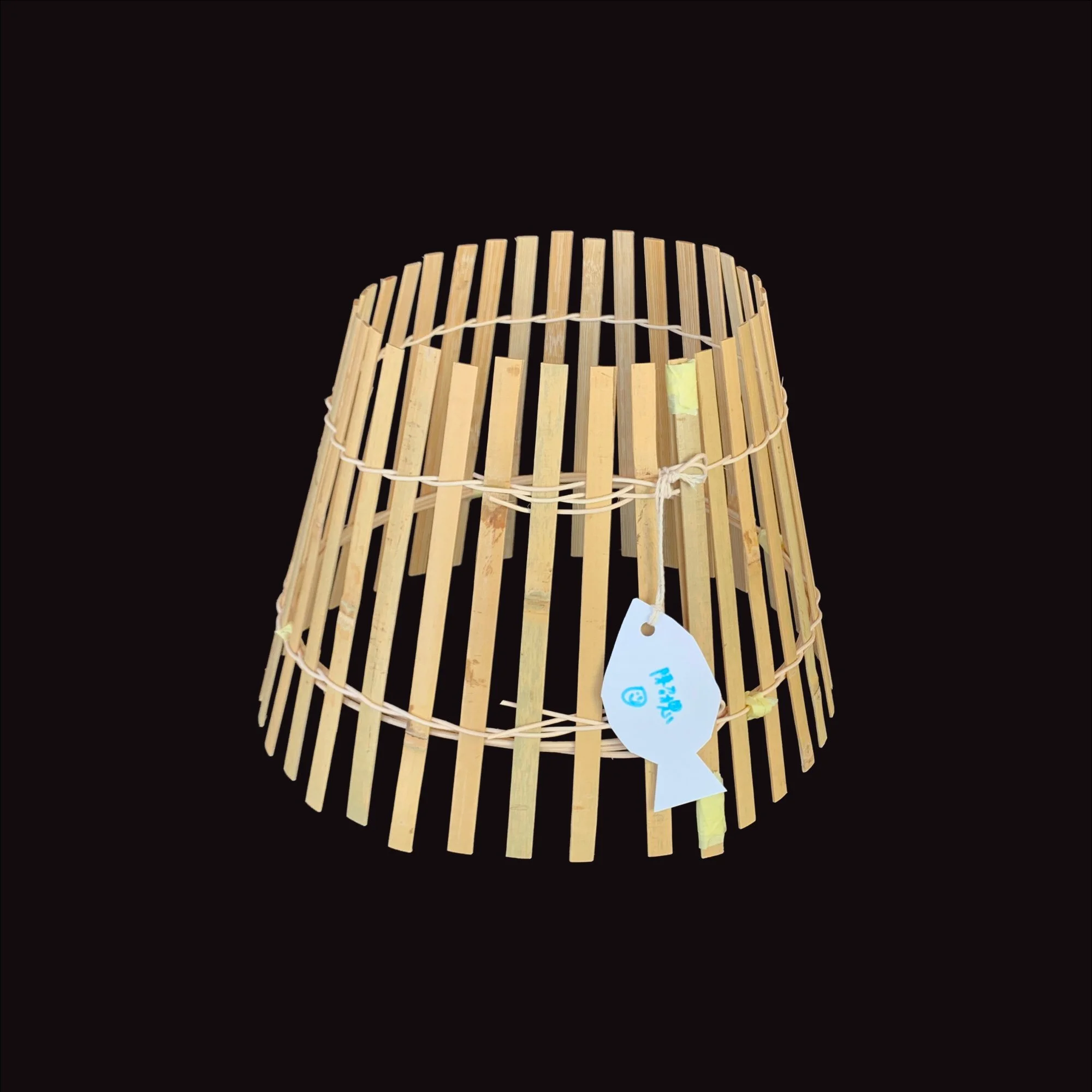
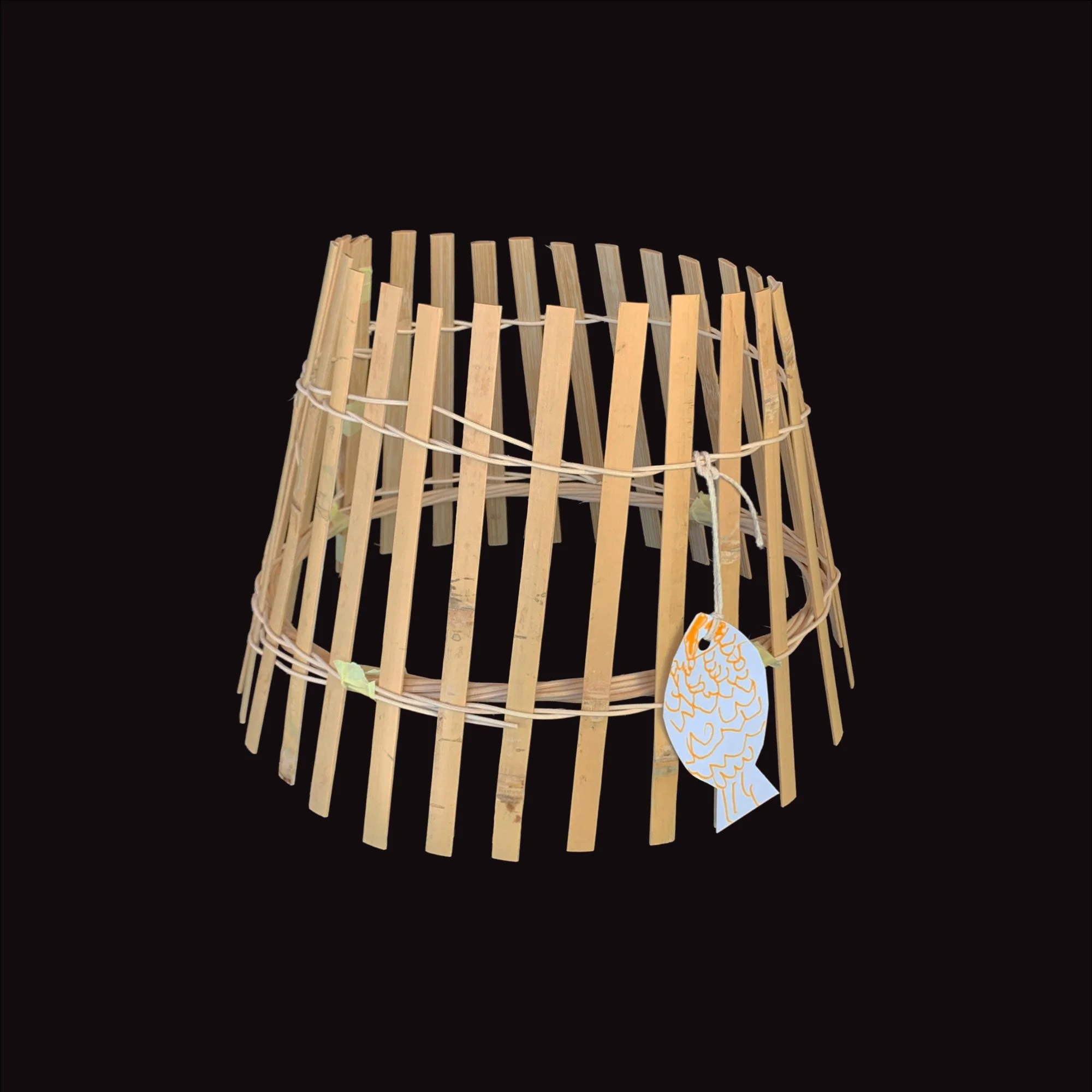
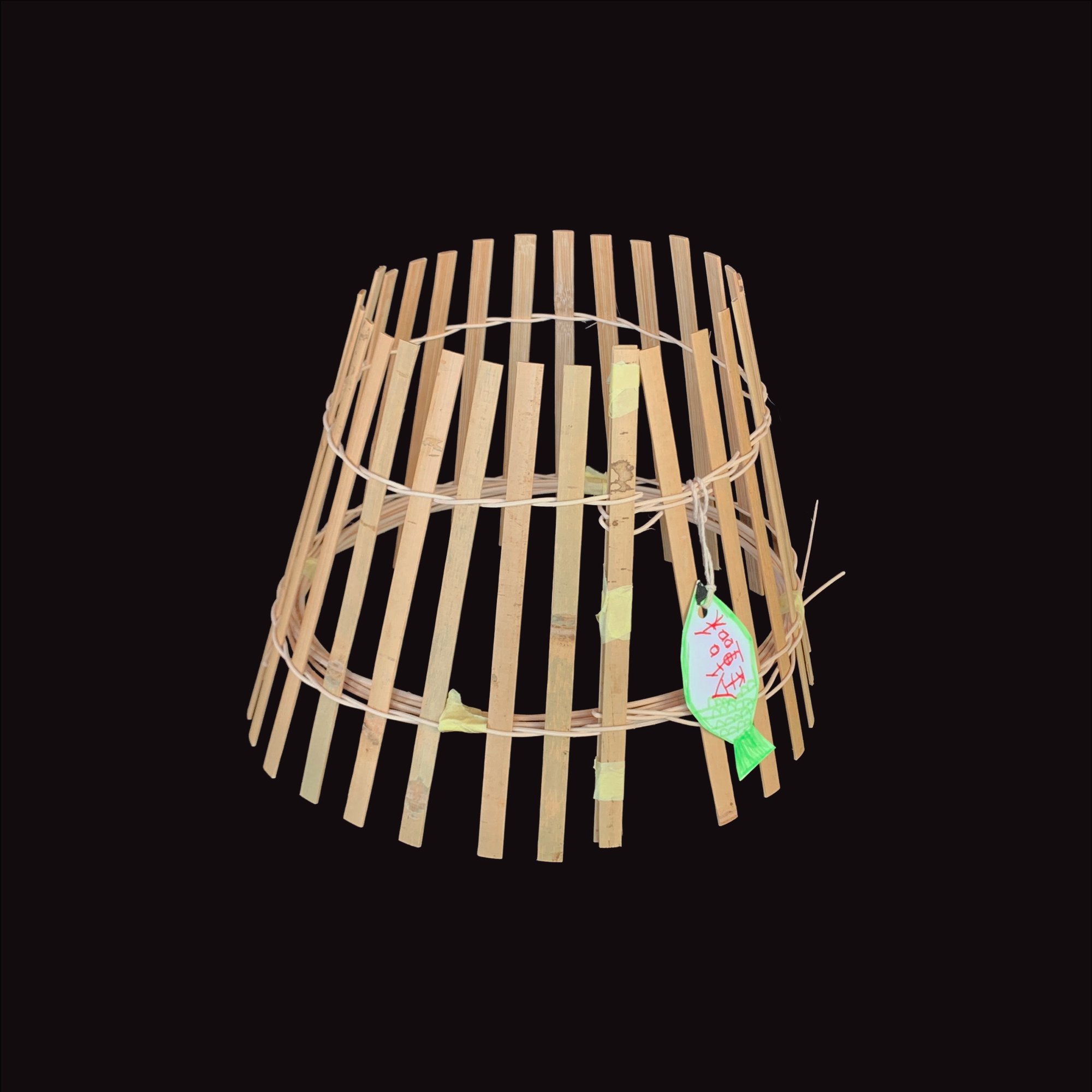
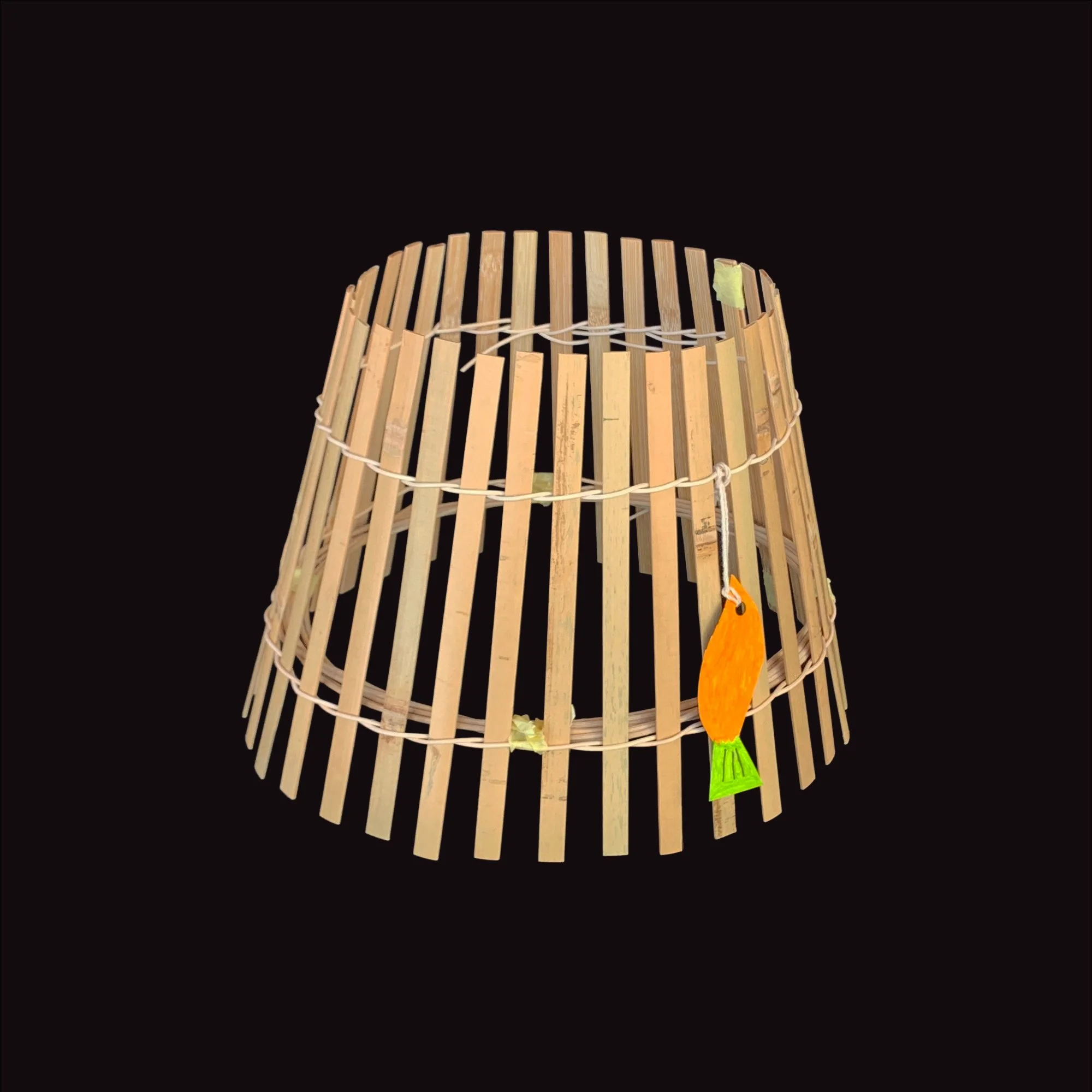
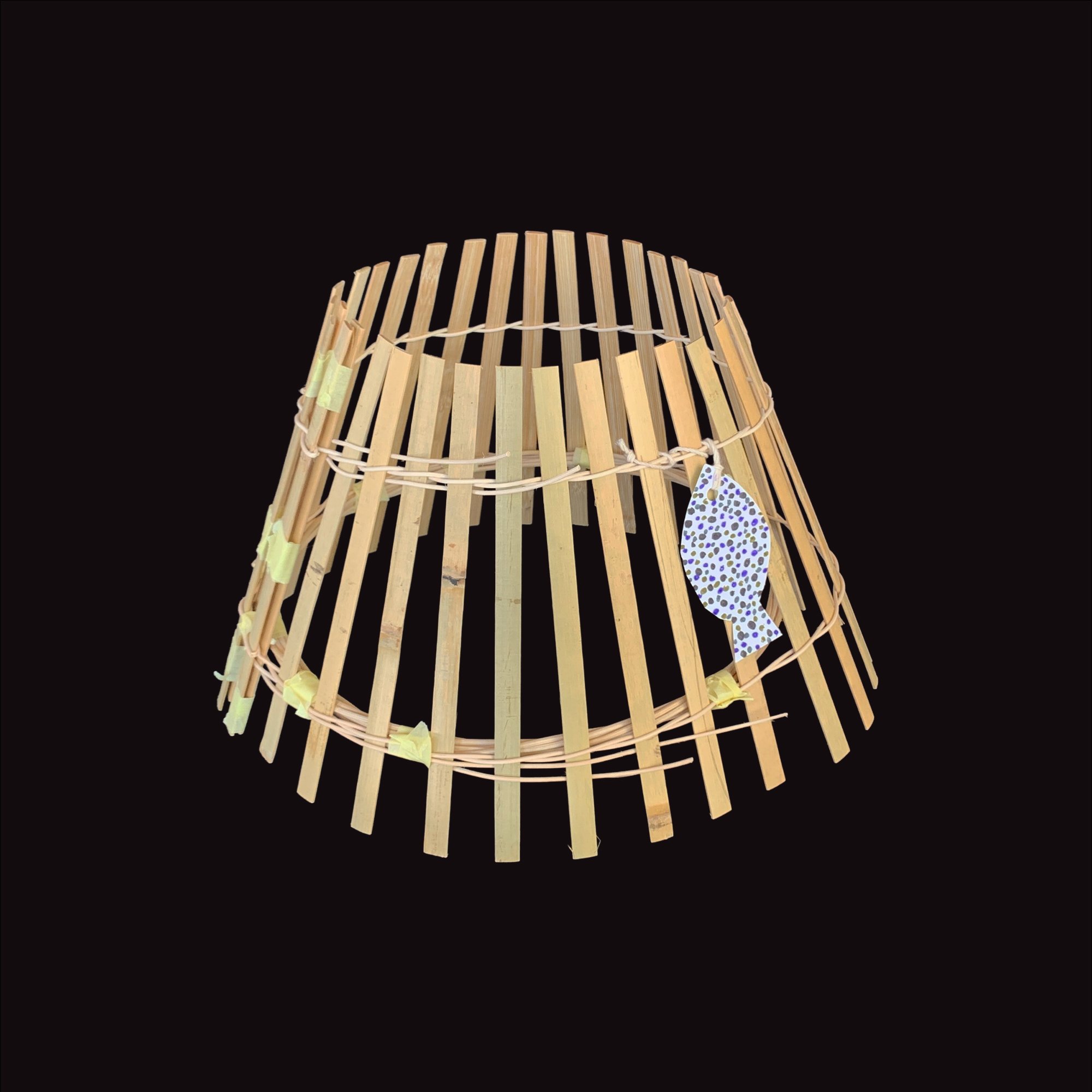
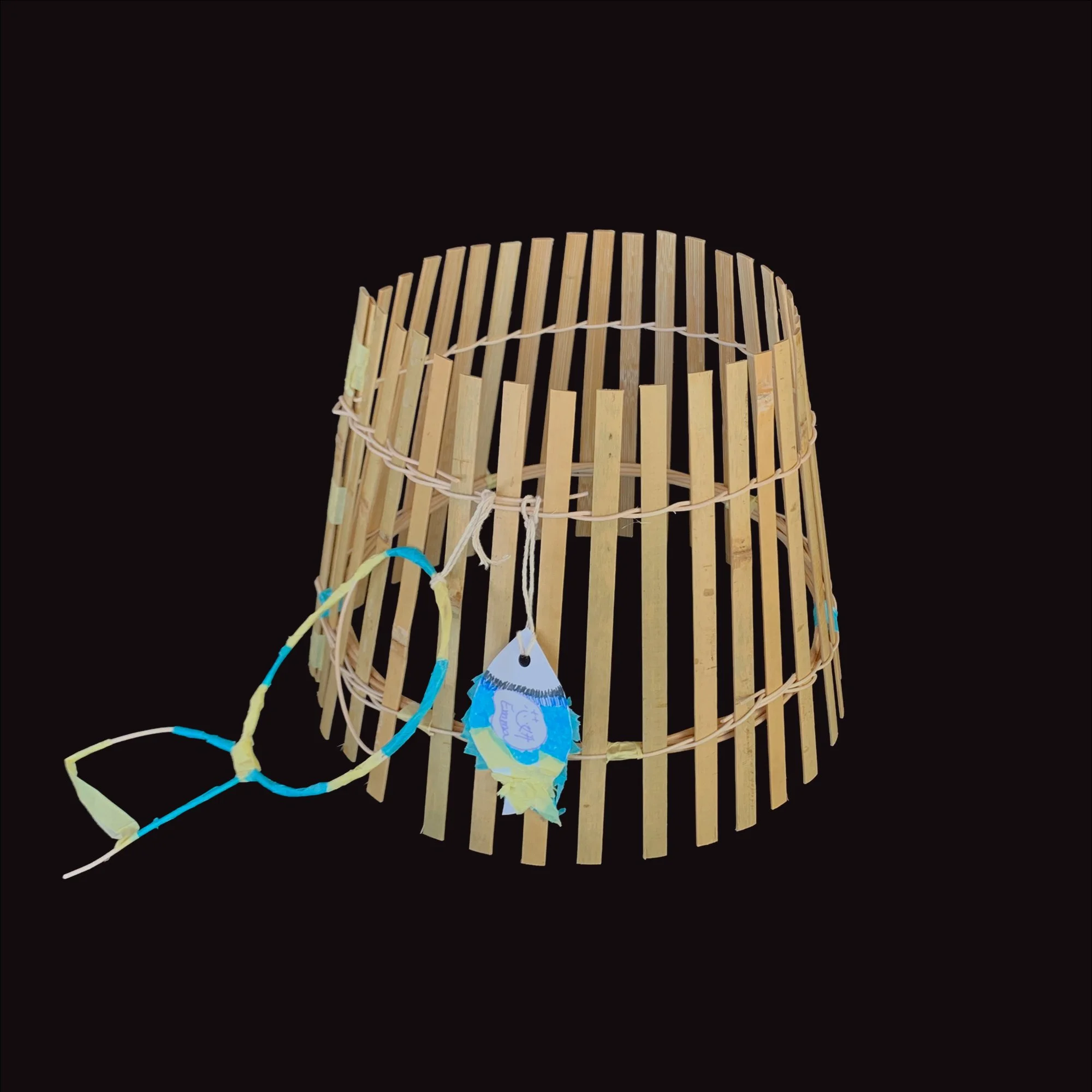
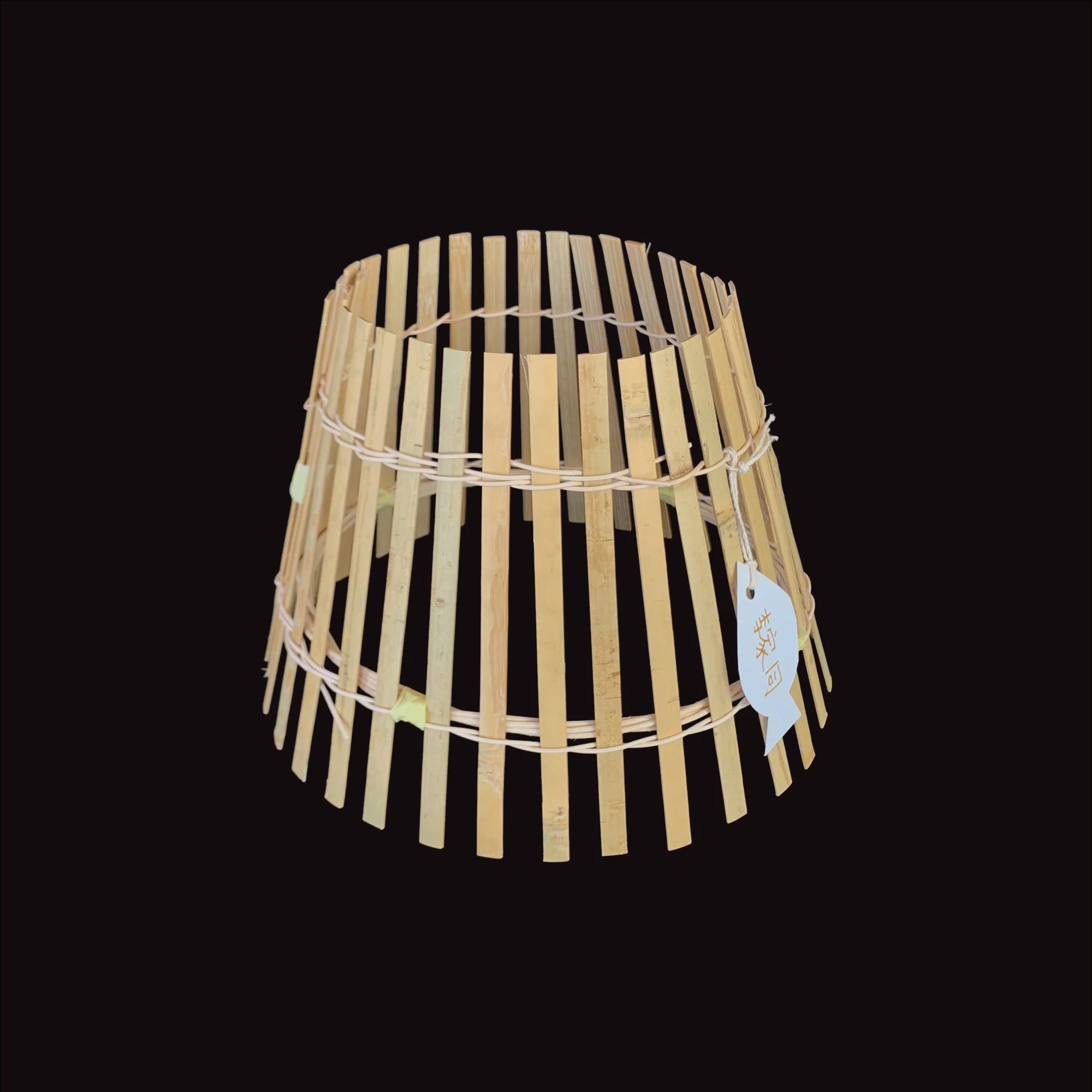
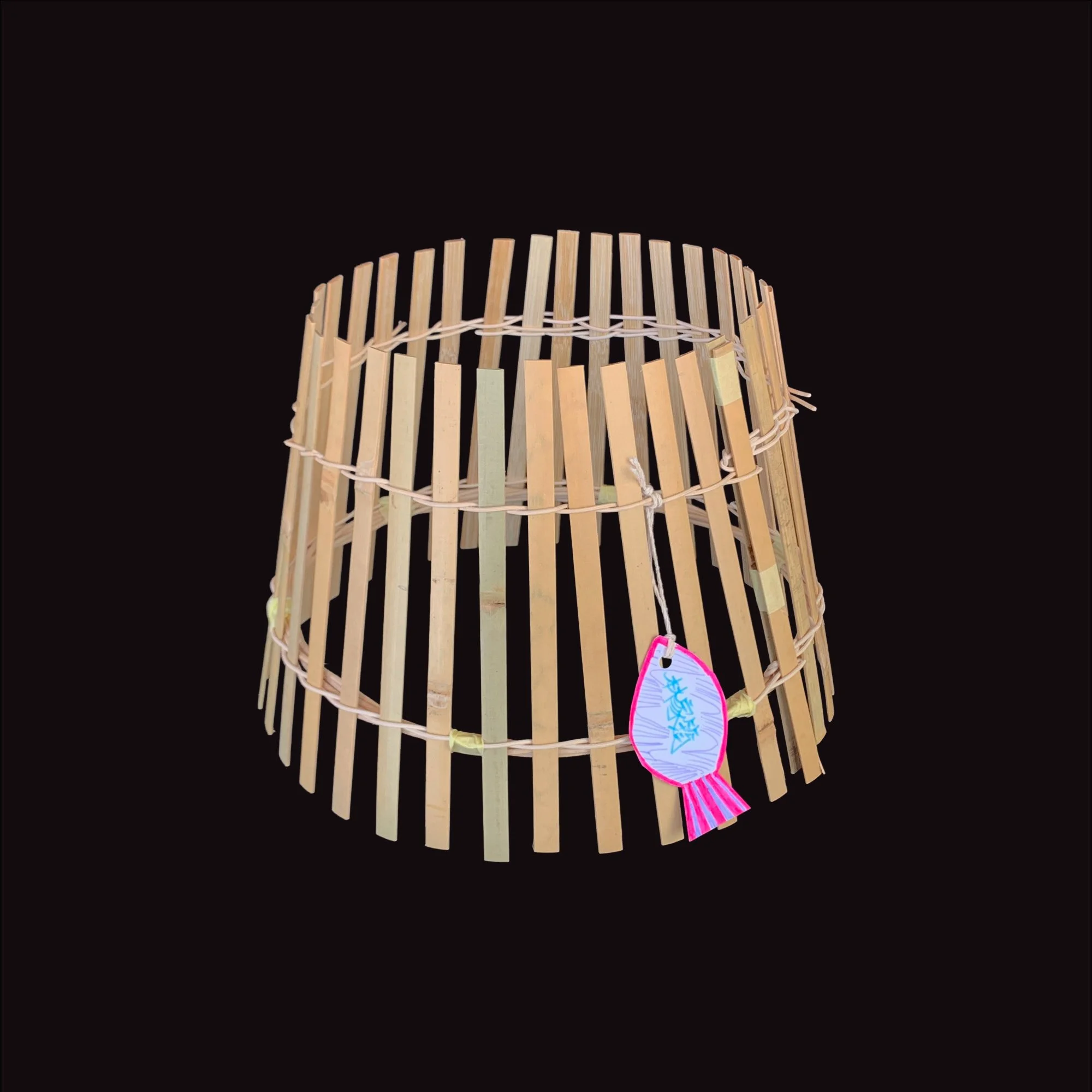
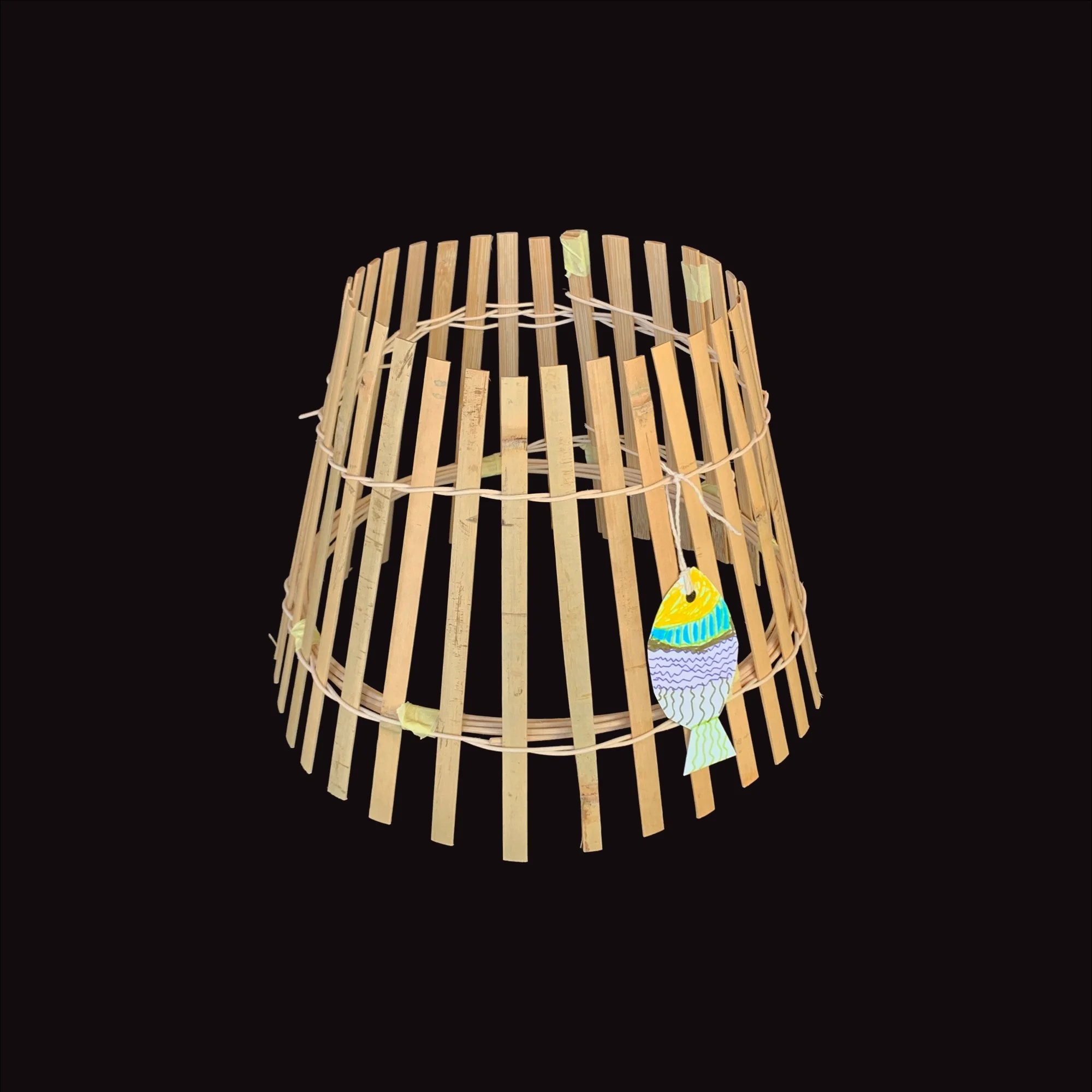
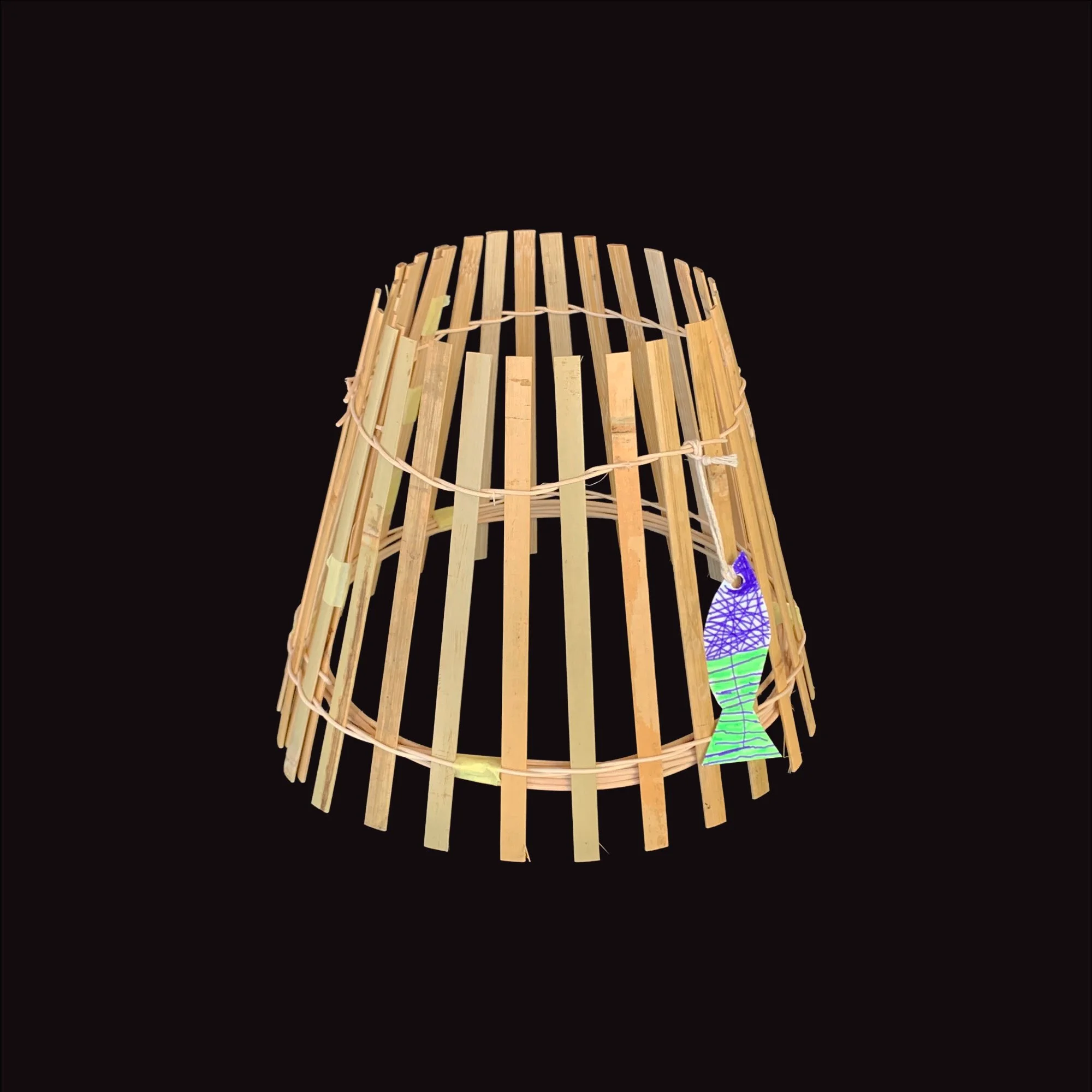
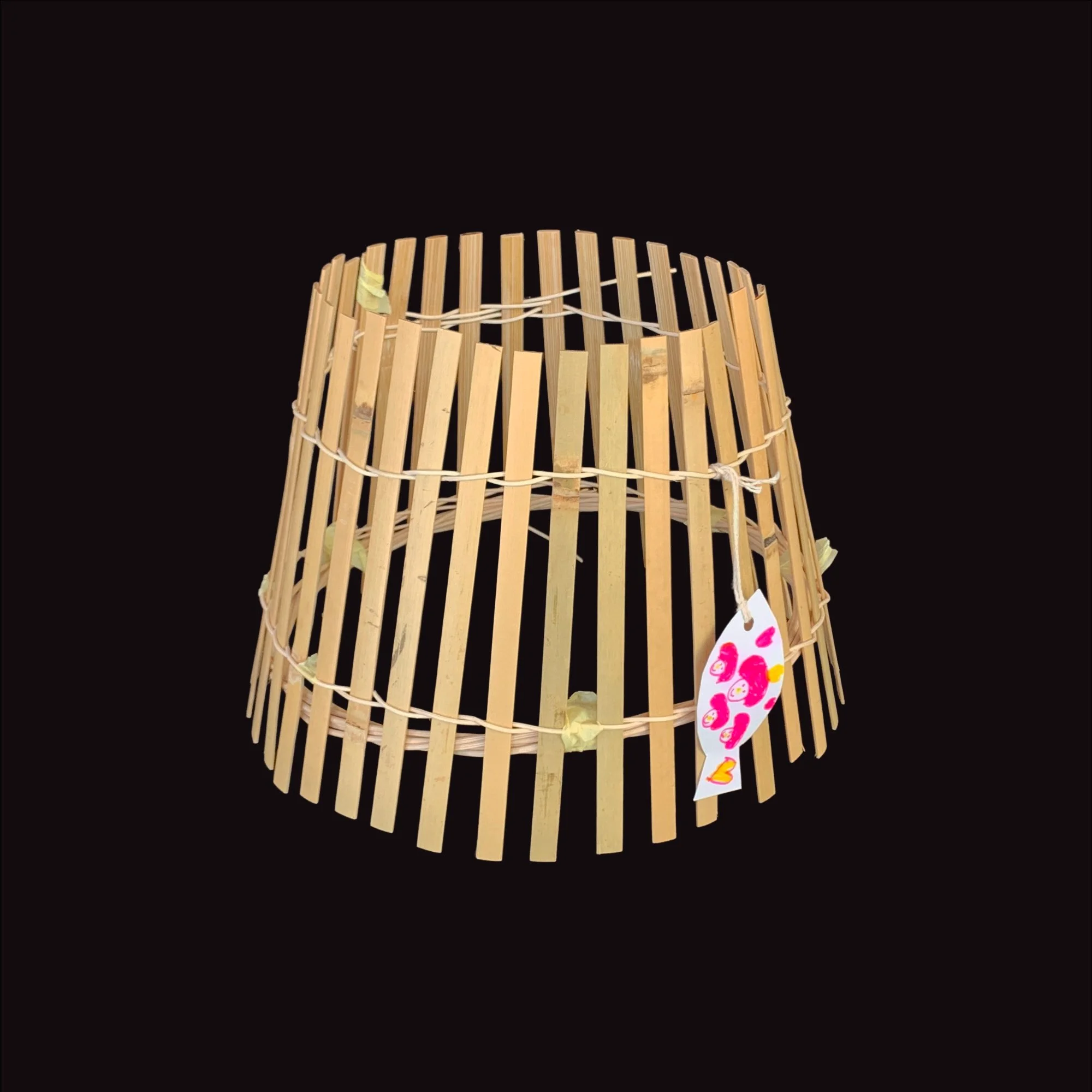
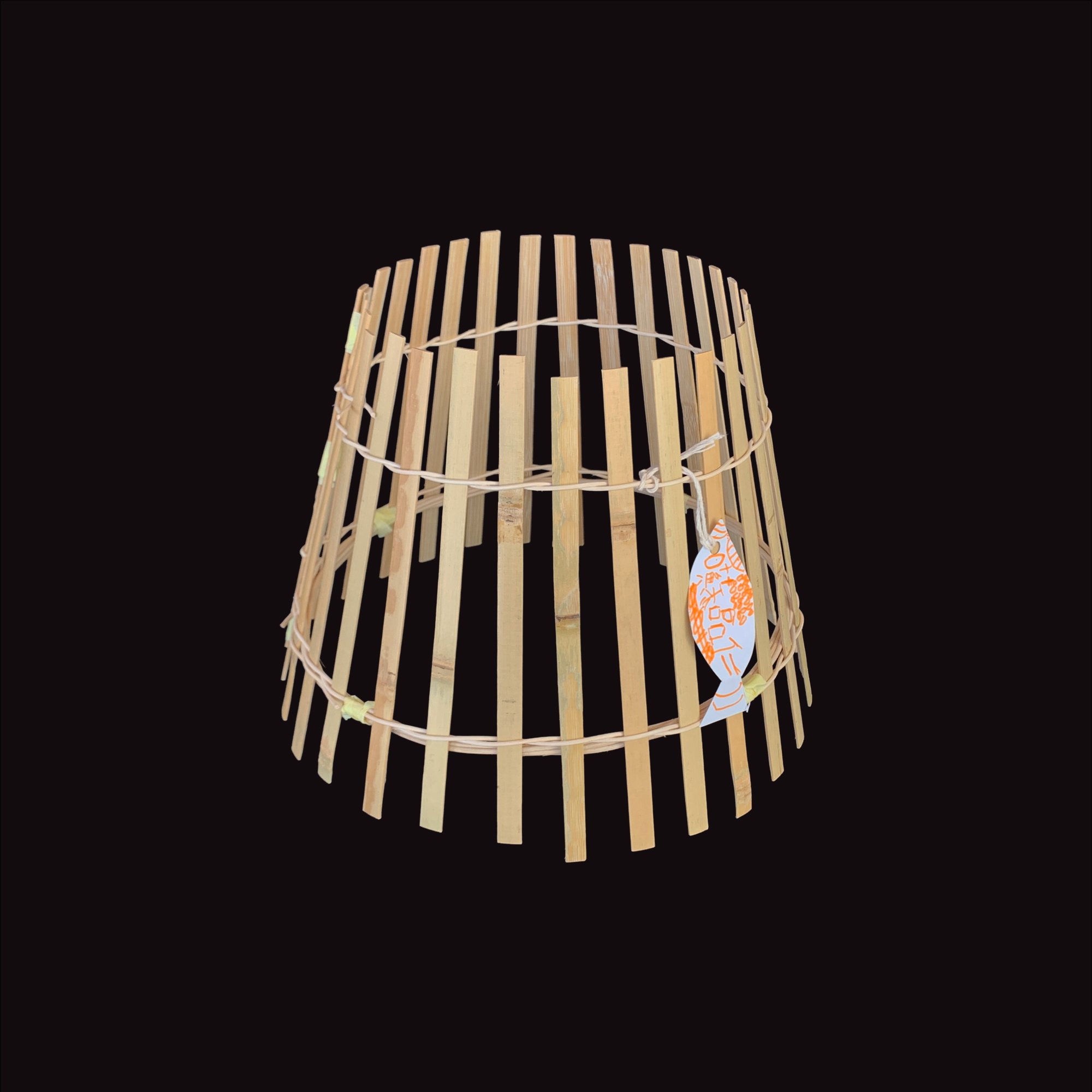
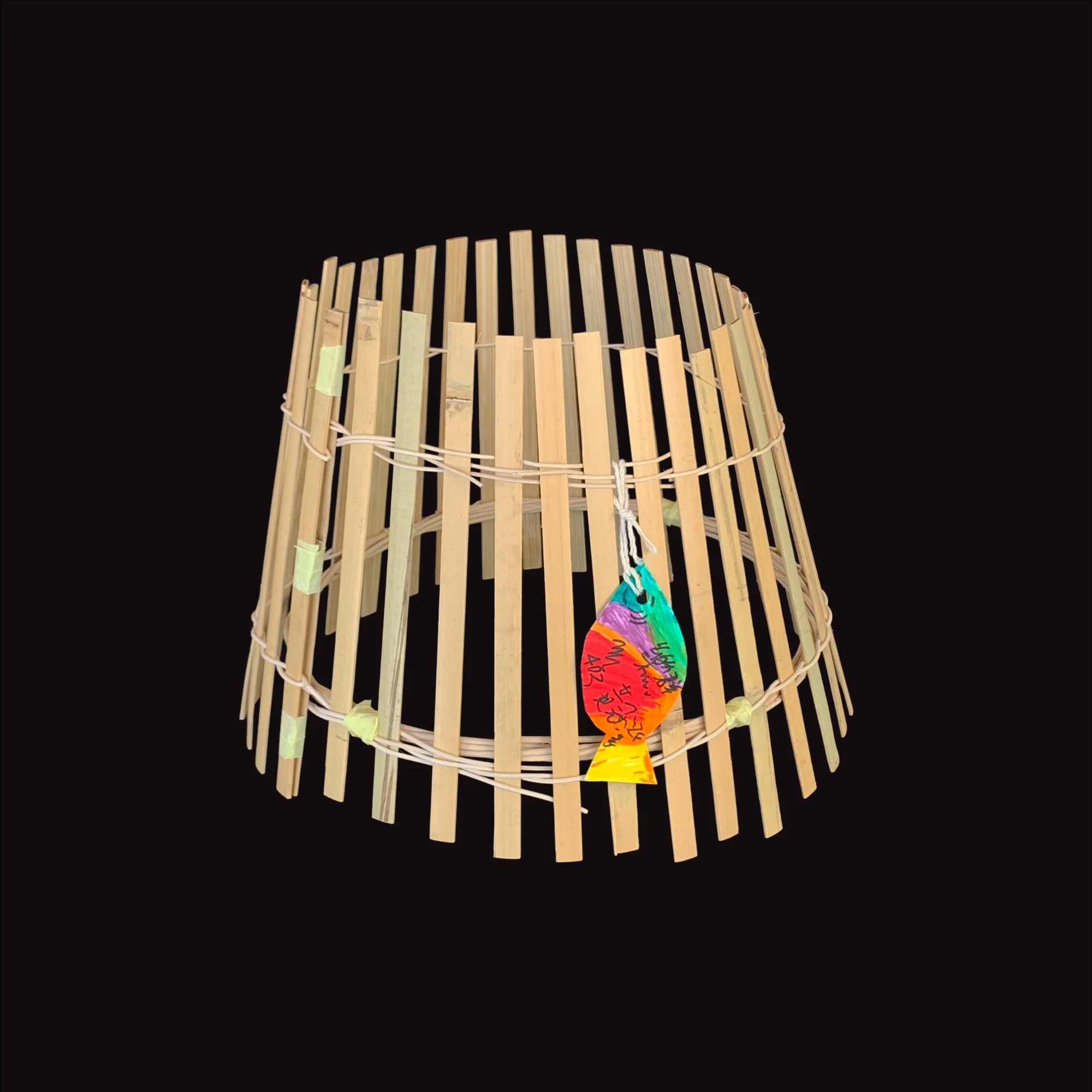
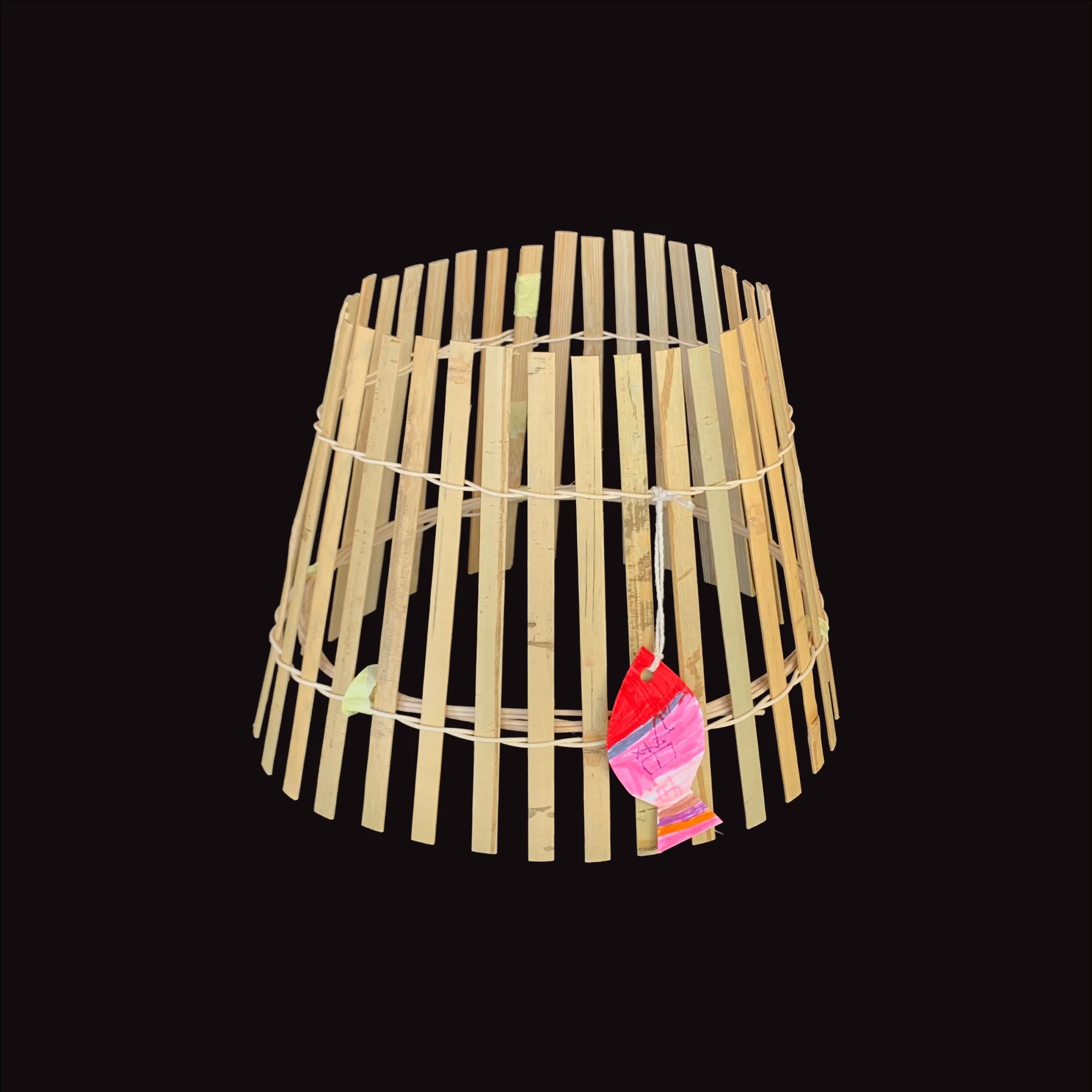
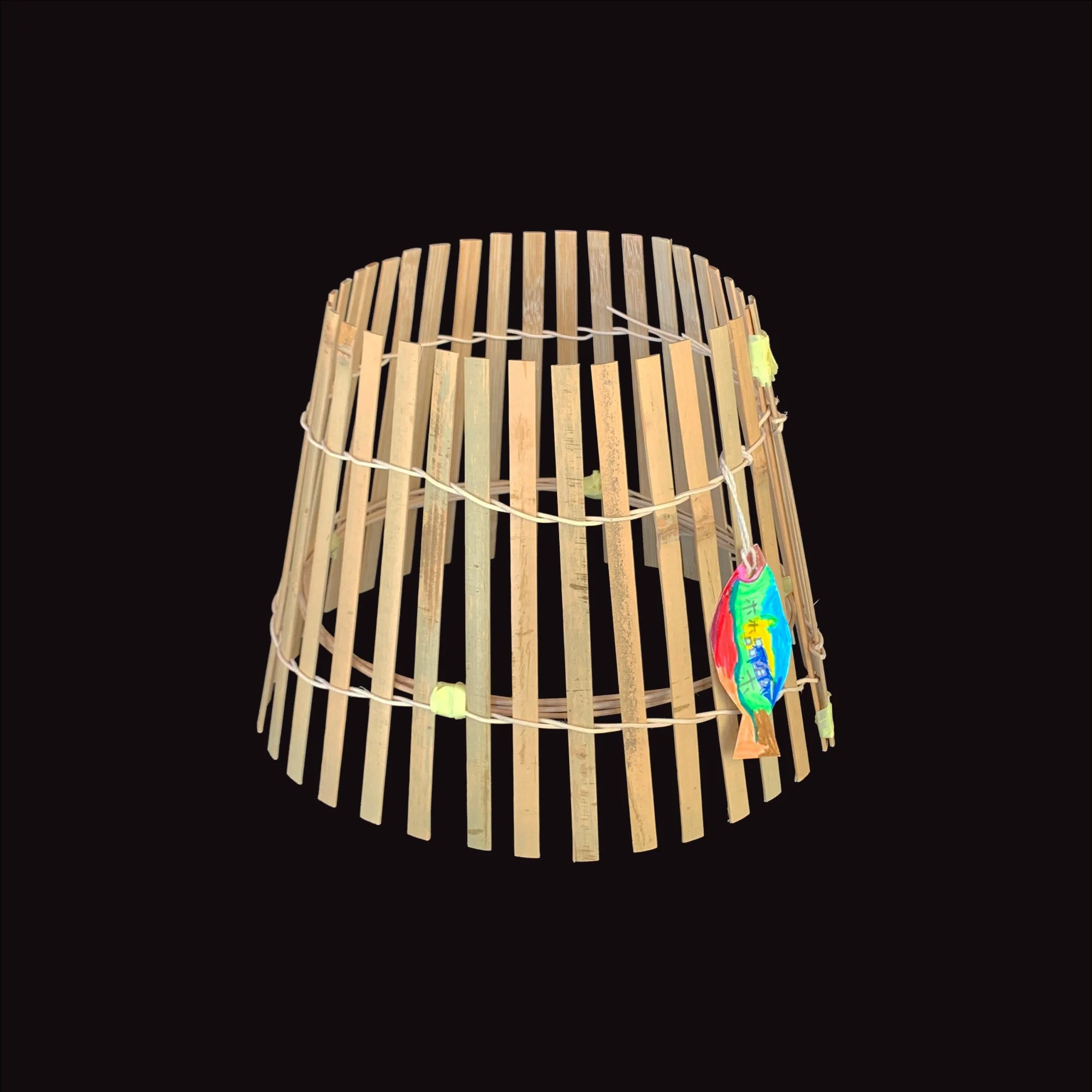
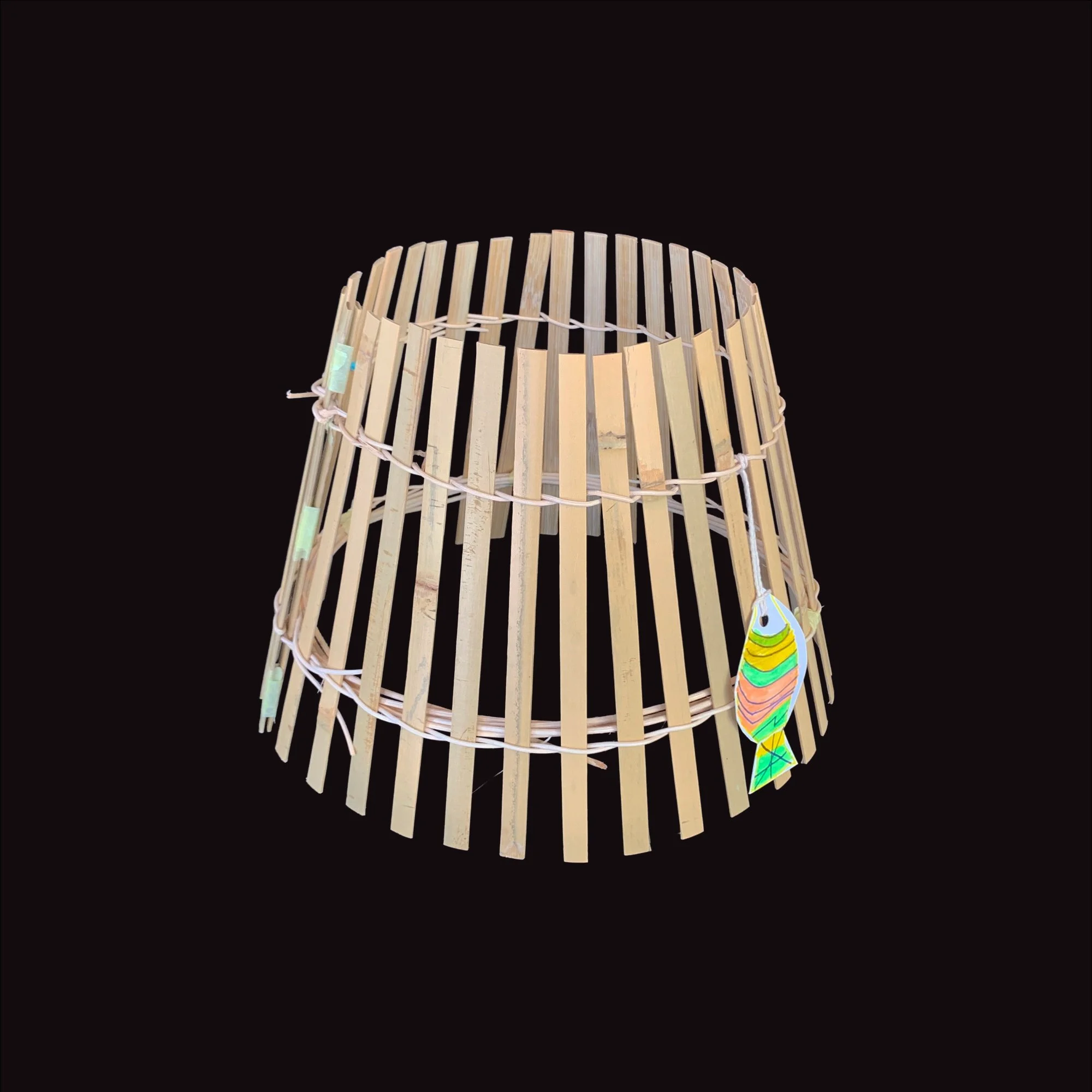
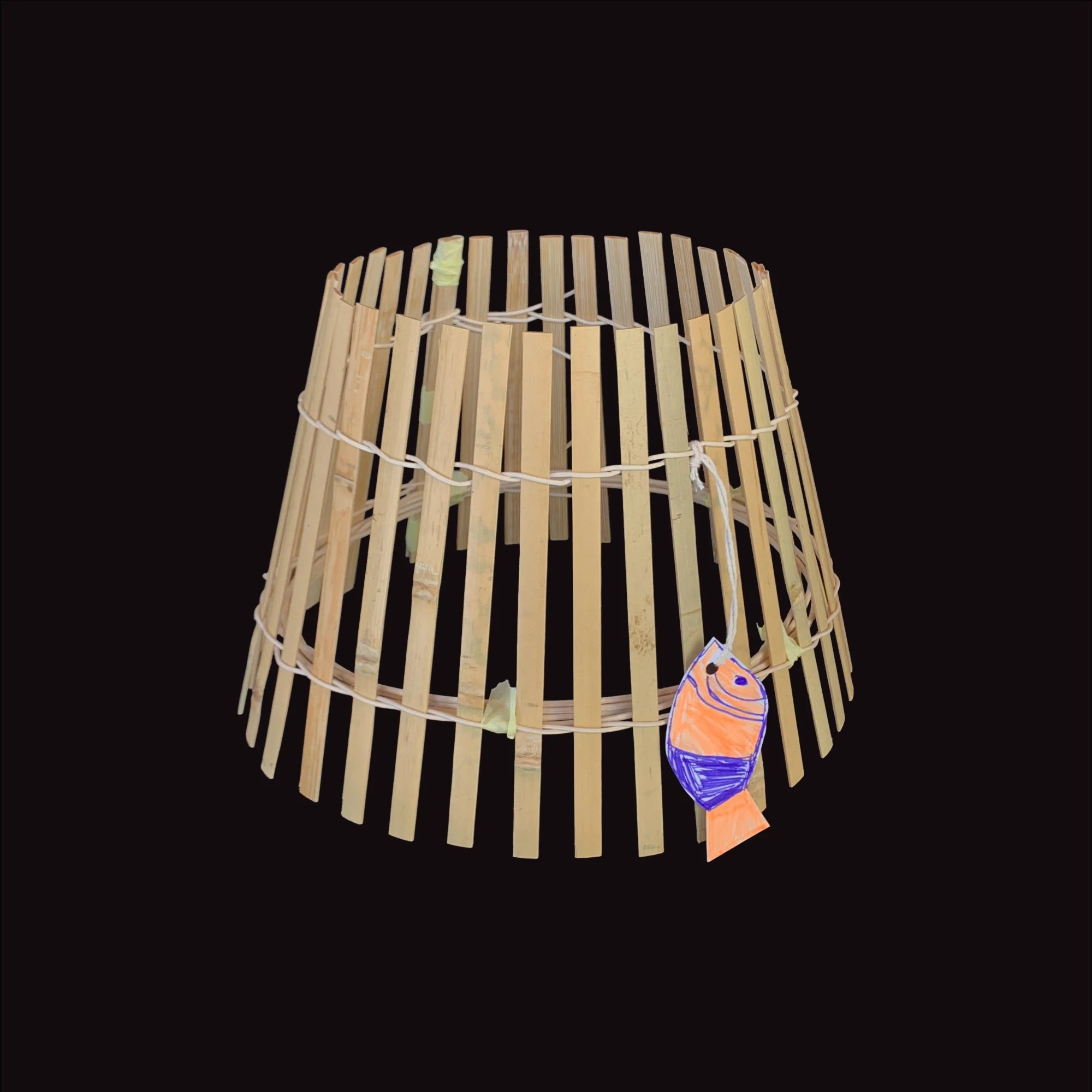
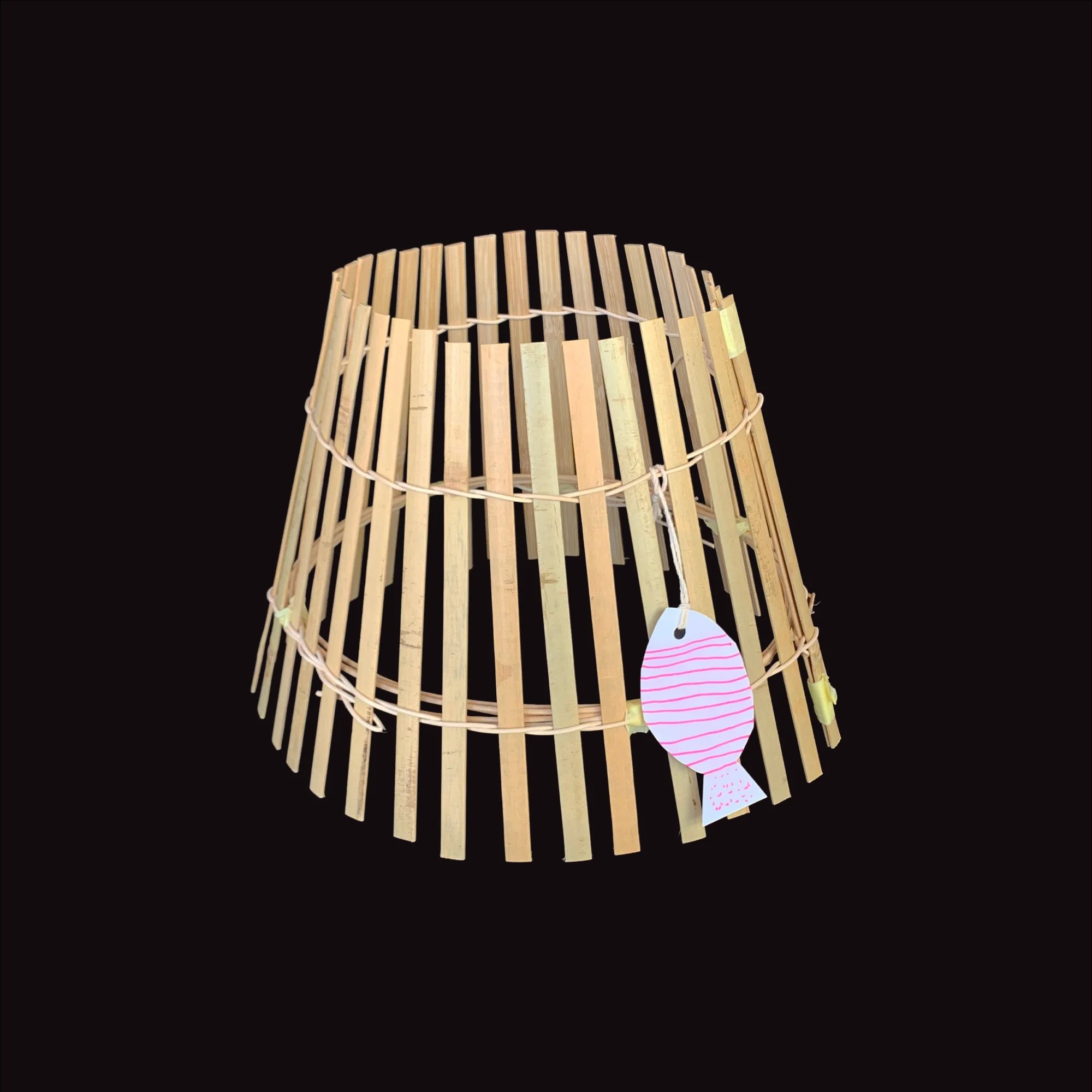
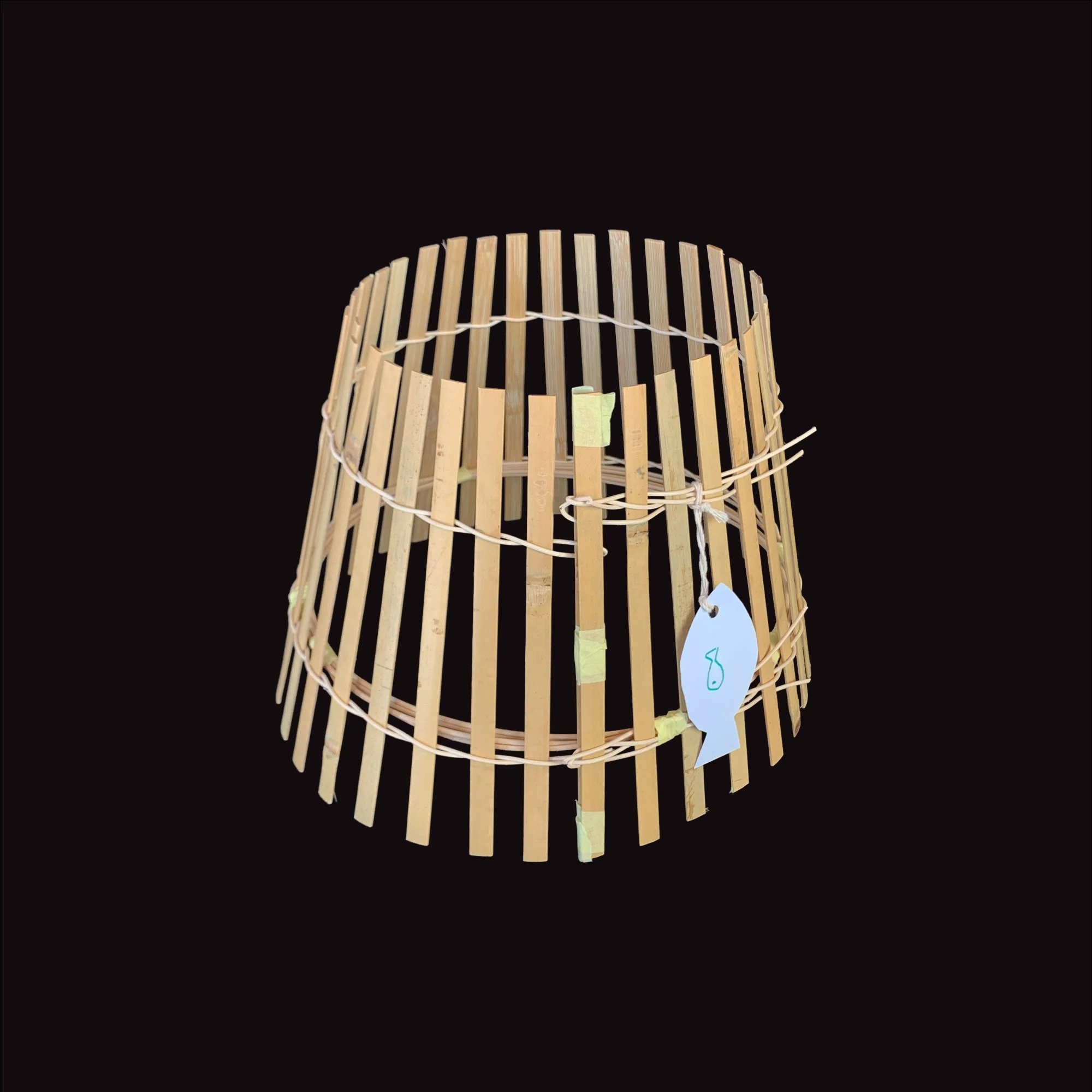
collaborative installation
共創裝置藝術


2025
Fish Trap Workshop
2025|Artist Workshop 001|Acceptance Autism Society Kaohsiung|11/22 - 23|Guang Long Hang|Kaohsiung
artists|Cheng Tsung FENG
project design|Chan Wei HSU, Chen PENG
organizor|Acceptance Austism Society Kaohsiung
volunteer|Yu Kuang CHIANG, Meng Shan LU, Yi Hsin CHANG, Hsiang Yu KANG, Shi Yu WANG, Hsin Yu TU, Yu Hui WANG
staff|Ming Fang LEE, Le Ying MA, Ming Hui LEE, Li HUANG, Wei SUN, Yi Chen LIN, Chia Jun LIN, Meng Jun LIU, Kuan Chen CHEN
2025
魚筌工作坊
2025|藝術家工作坊 001 范承宗|社團法人高雄市接納自閉症學會|11/22 - 23|光隆行
藝術家|范承宗
專案設計|許展維、彭程
組織|社團法人高雄市接納自閉症學會
志工|江育廣、呂孟珊、張意歆、陳婷宜、康翔昱、王詩妤、凃昕妤、王妤慧
工作人員|李明芳、馬樂穎、李明慧、黃立、孫葳、林宜蓁、林佳蓉、劉萌容、陳冠臻