Creative Form Workshop
creative form workshop
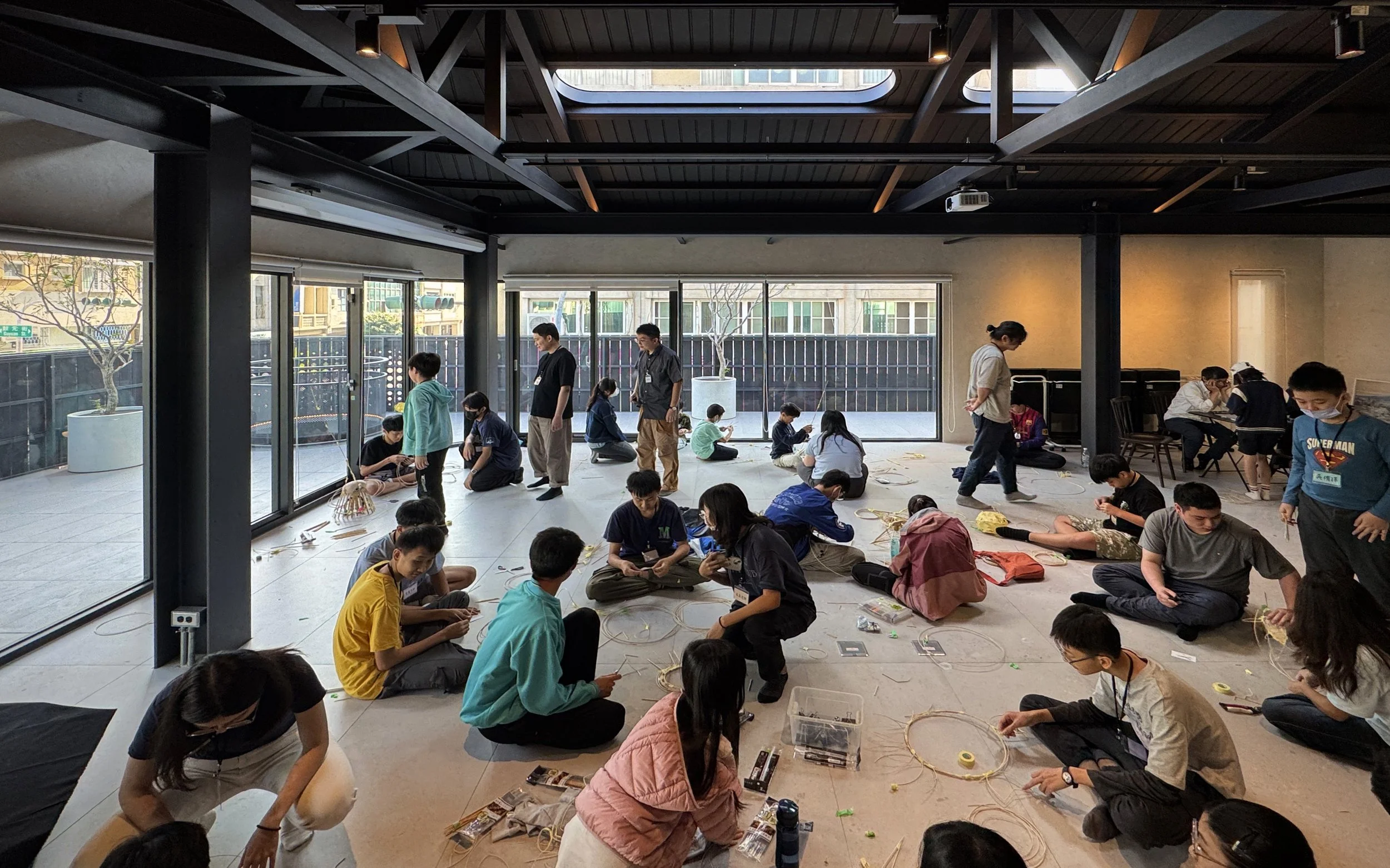
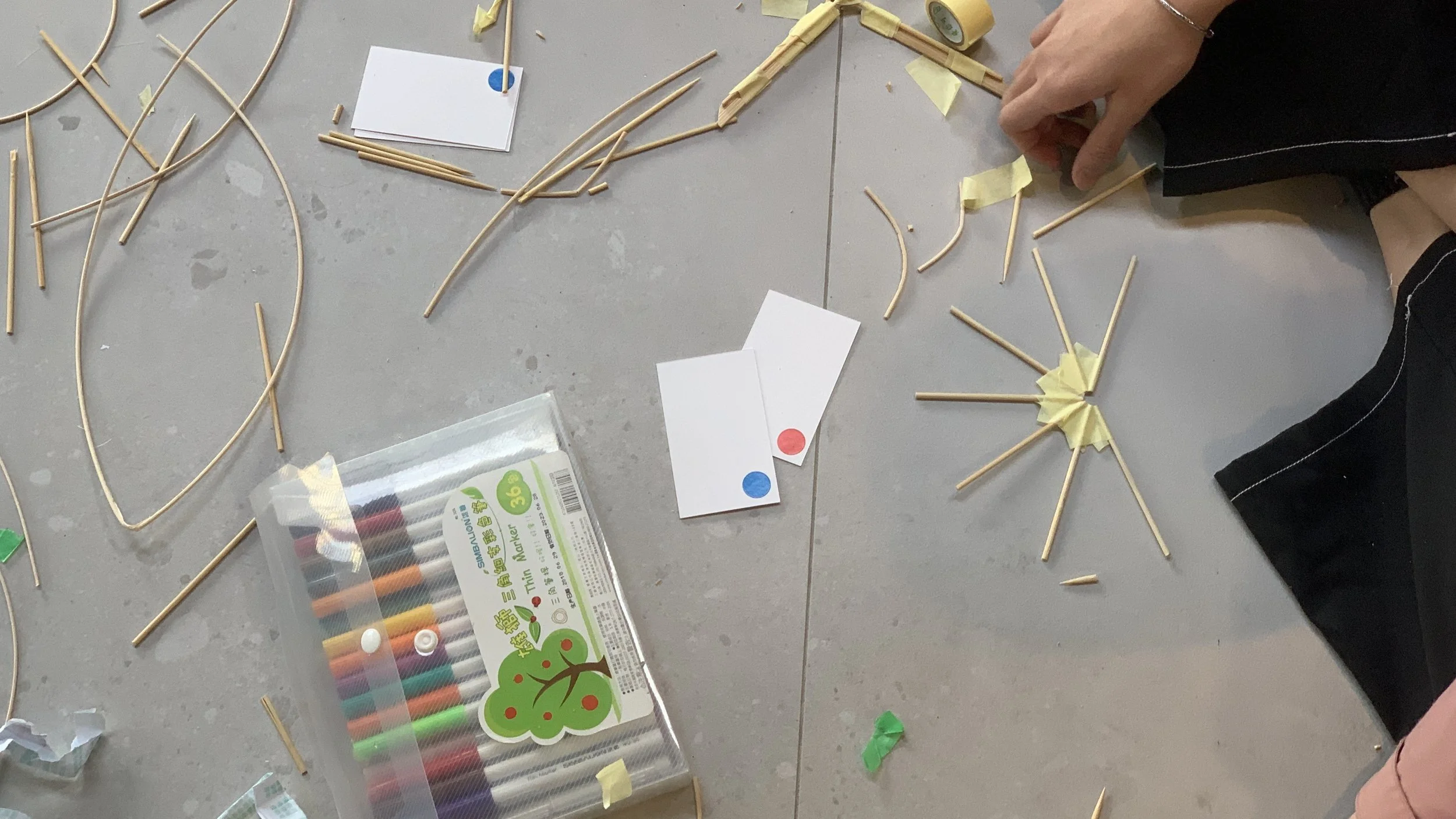
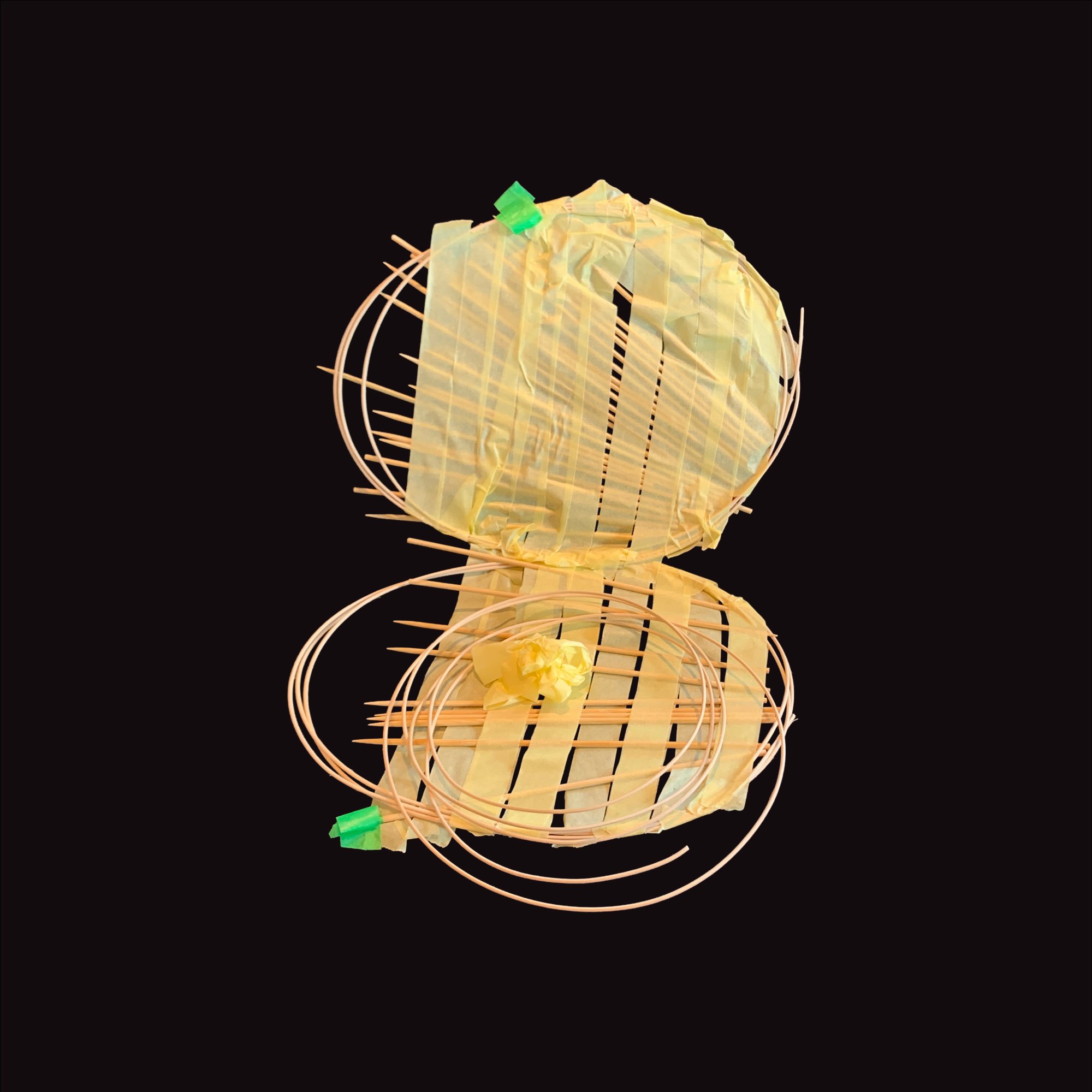
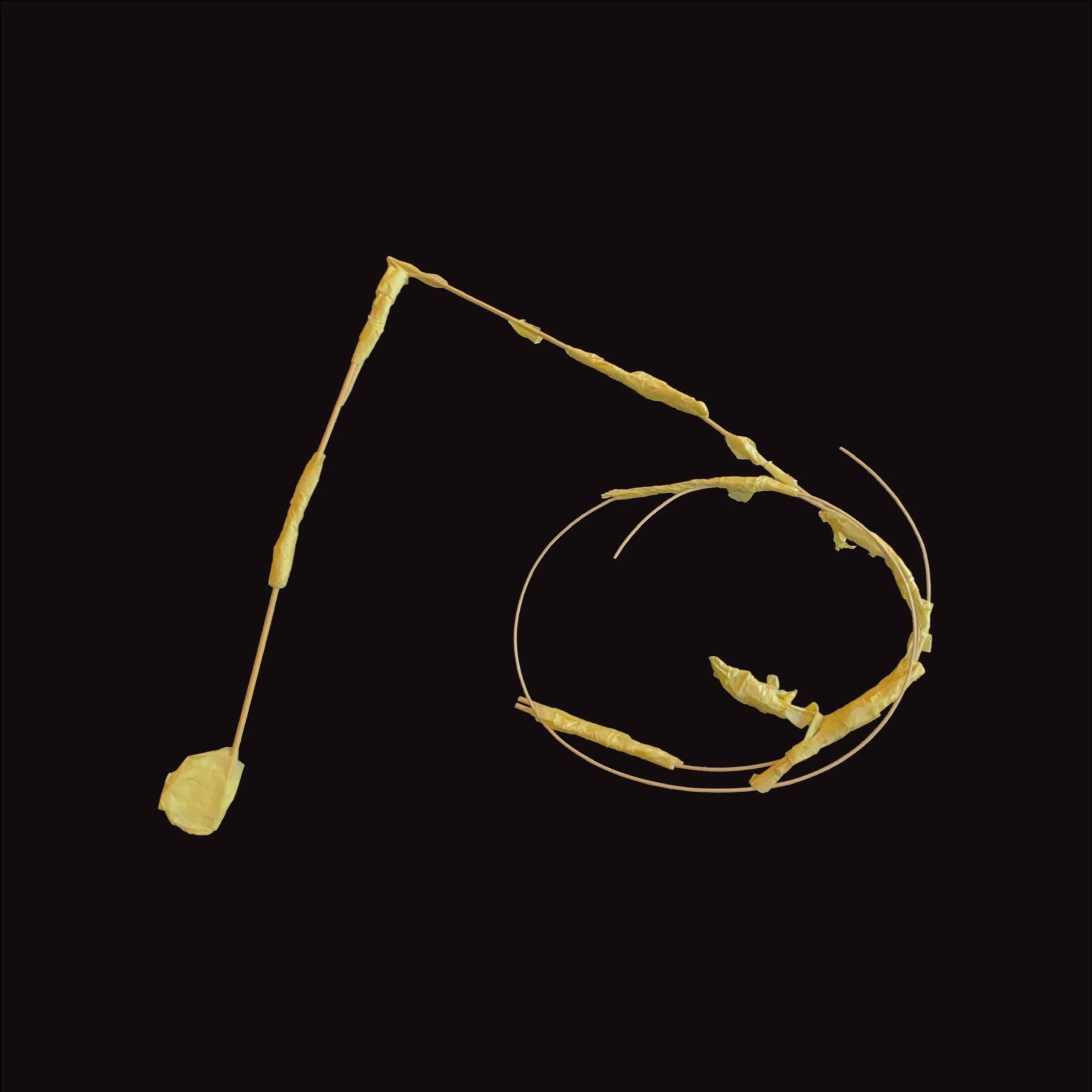
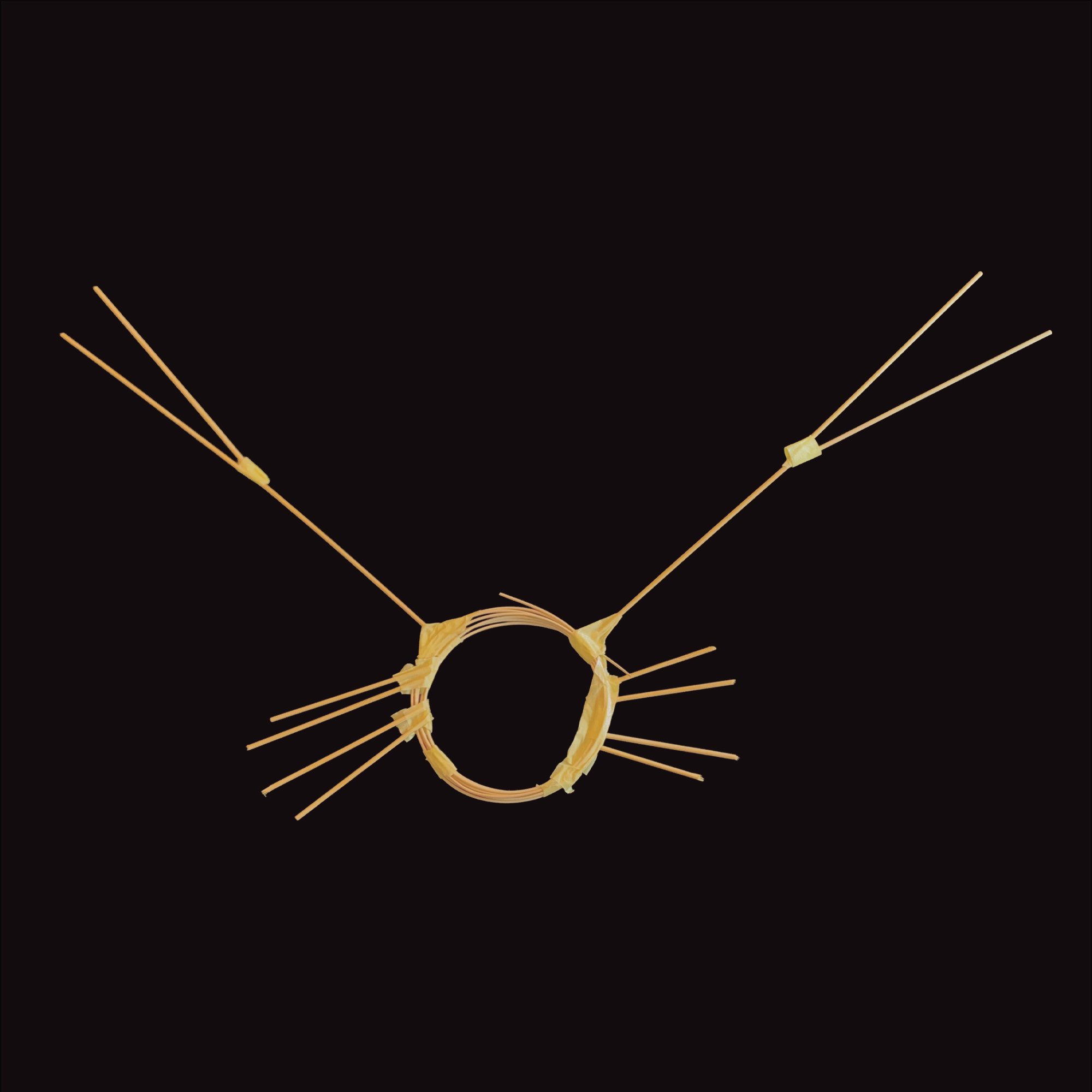
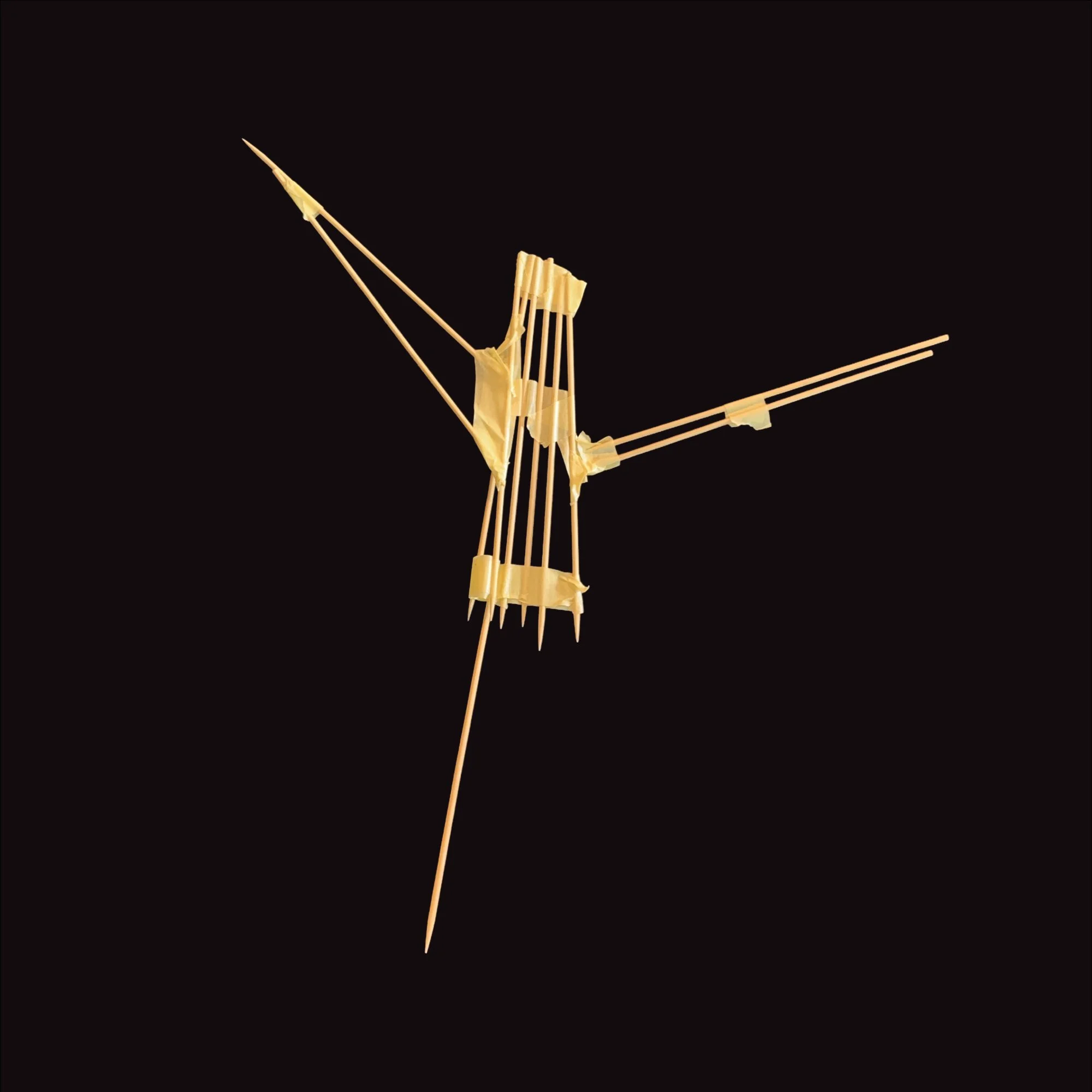
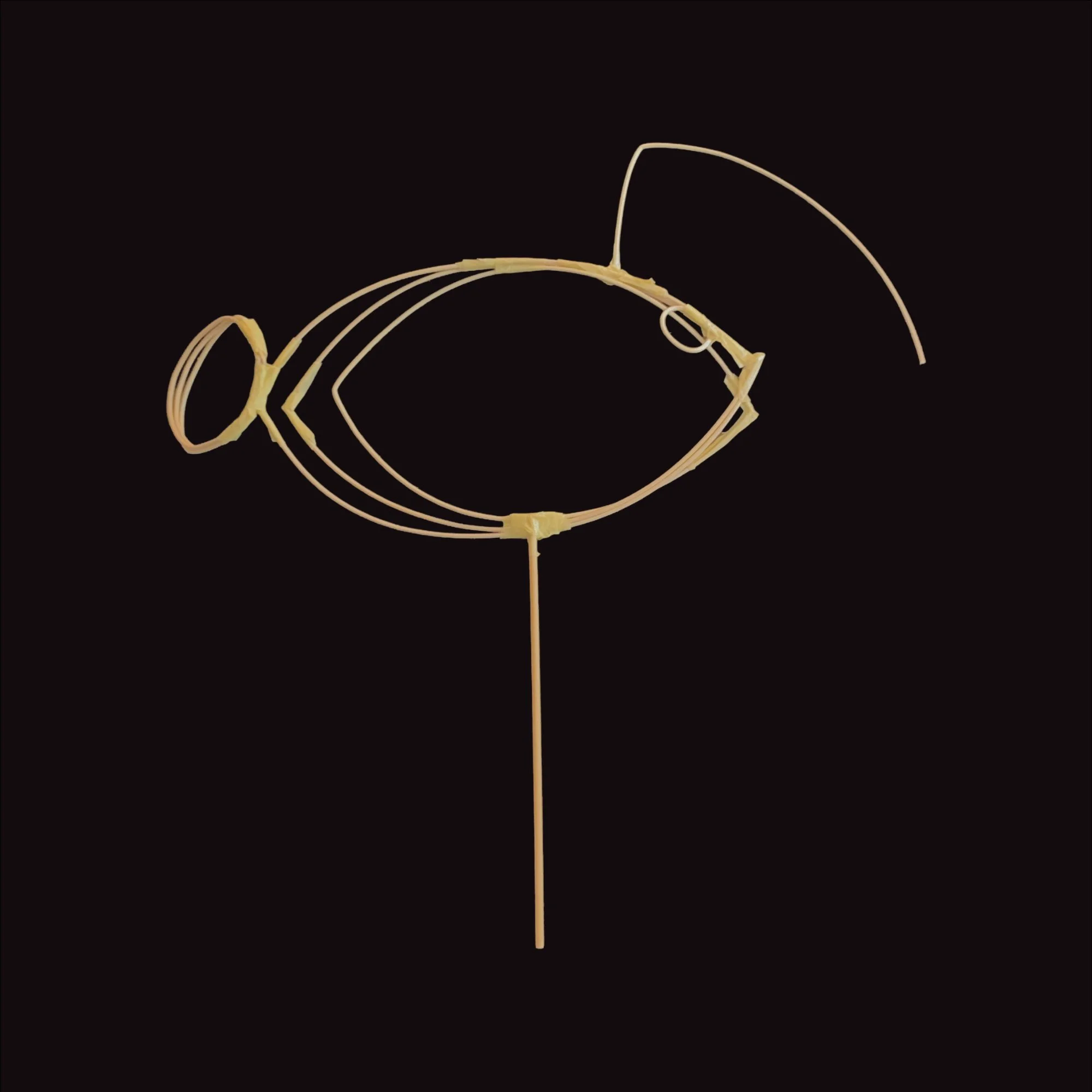
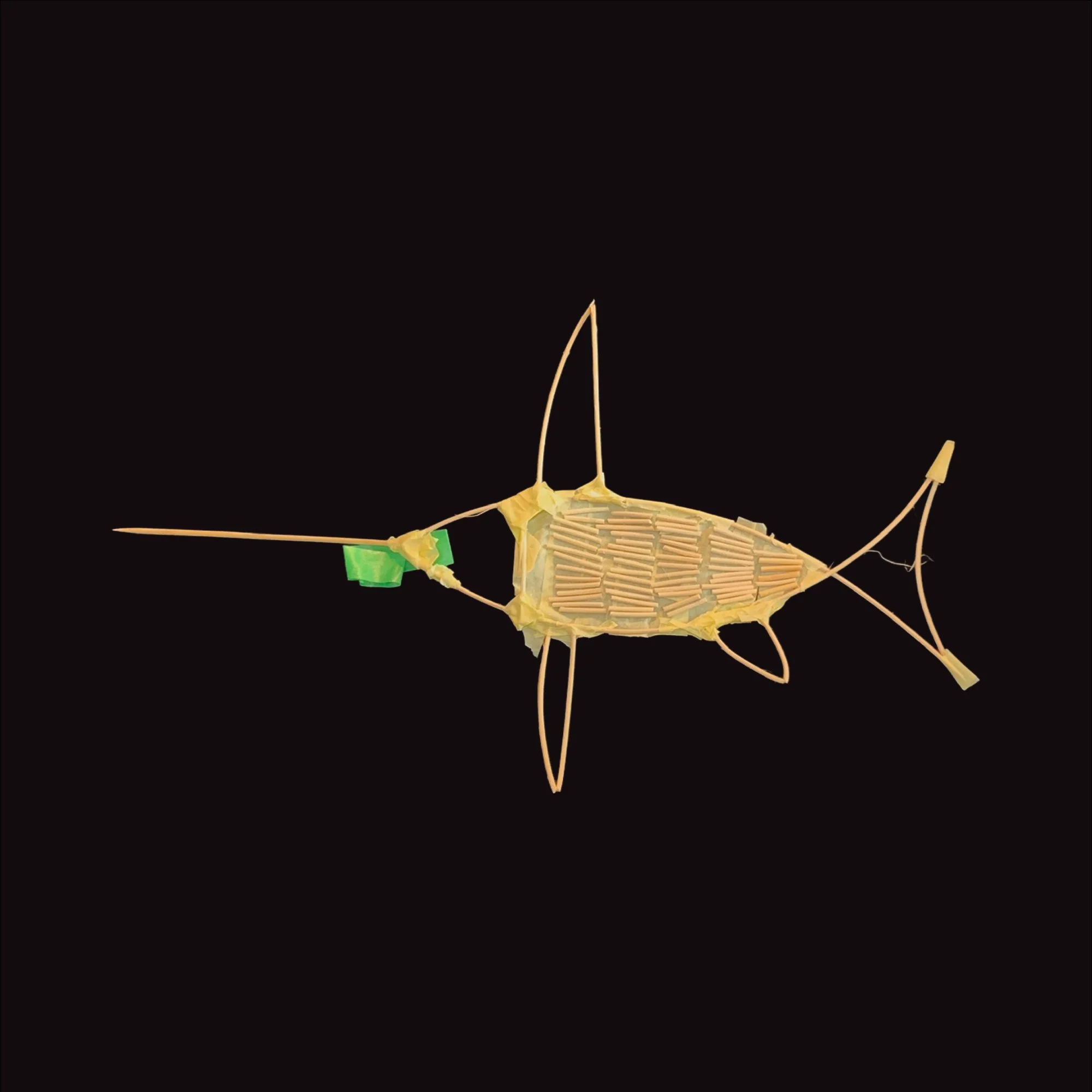
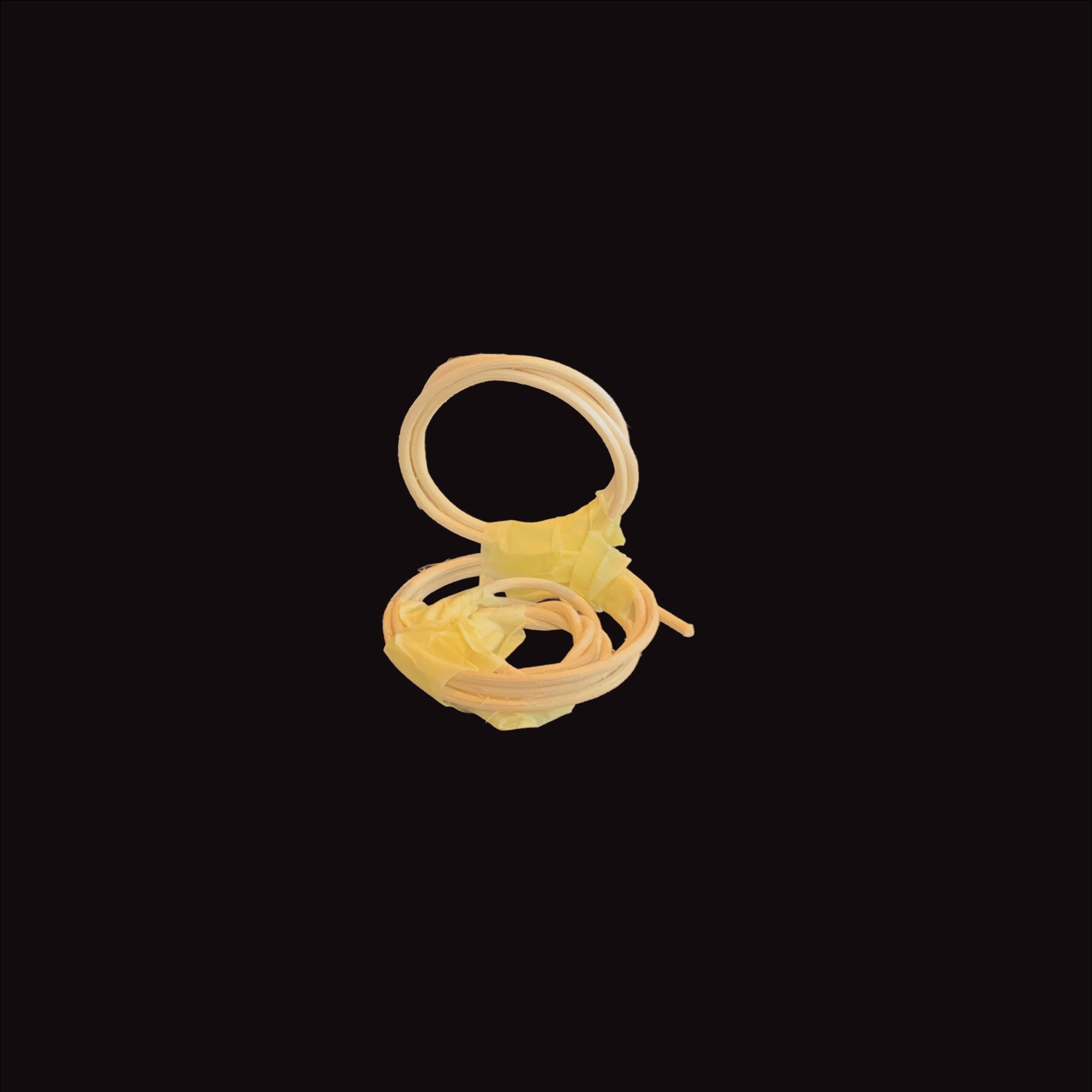
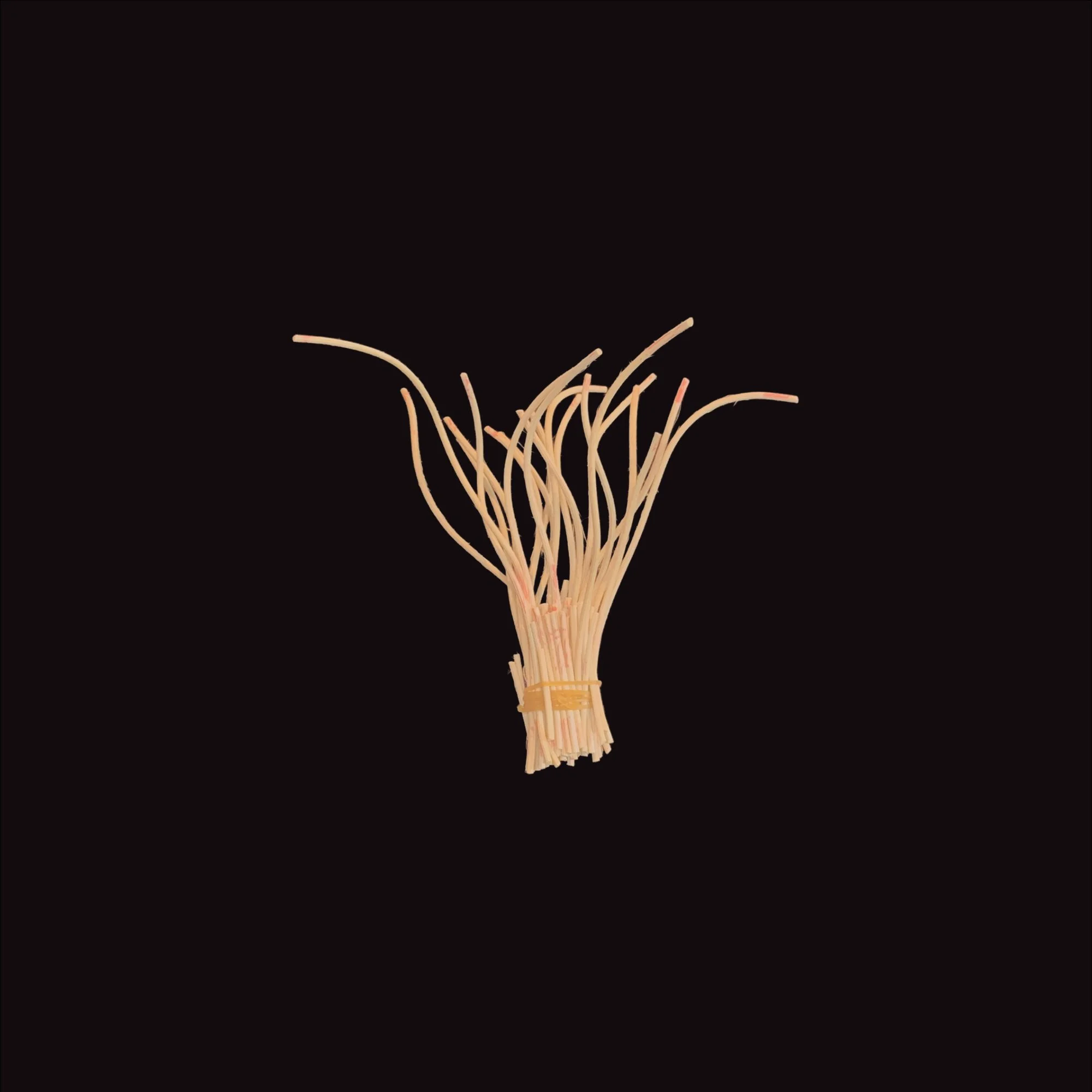
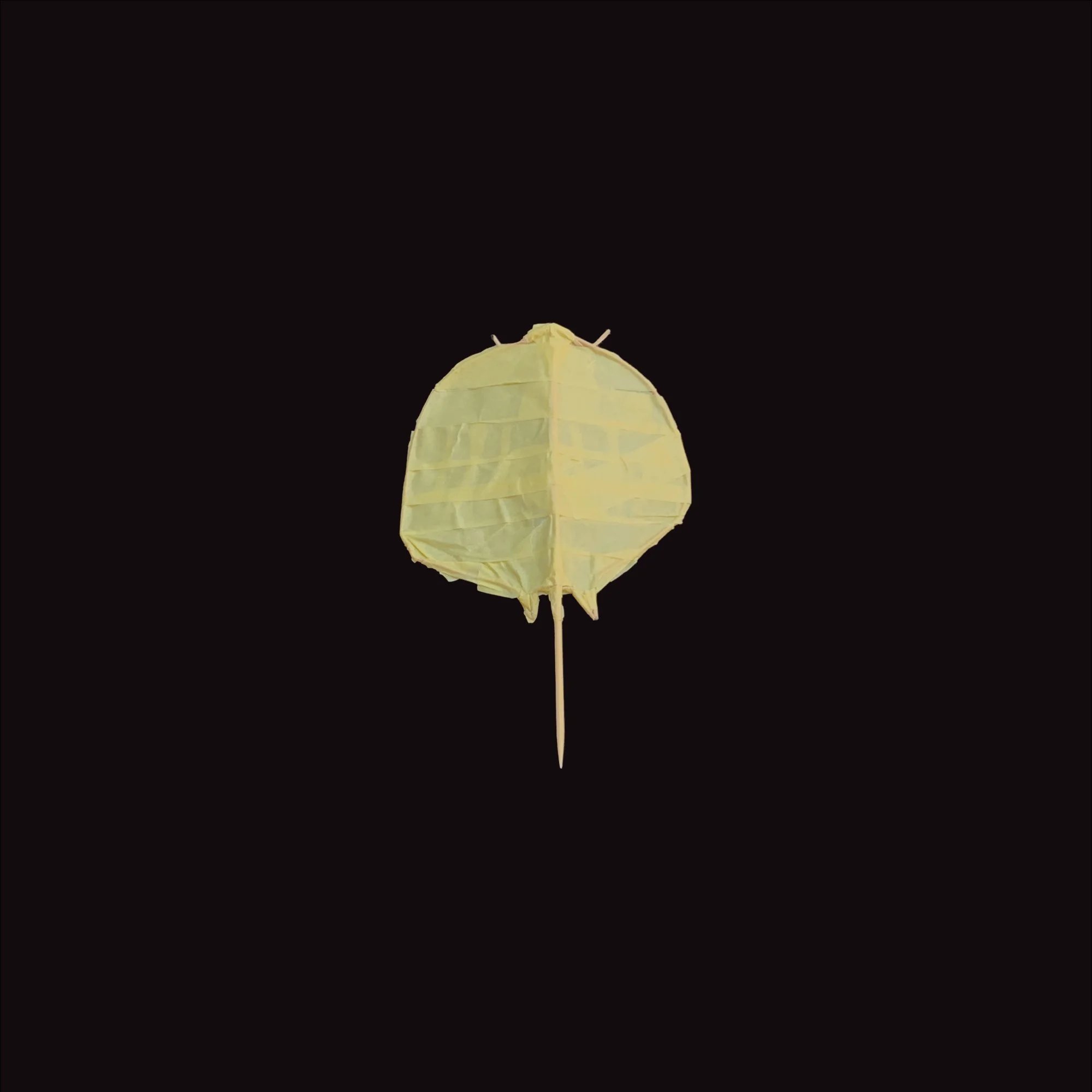
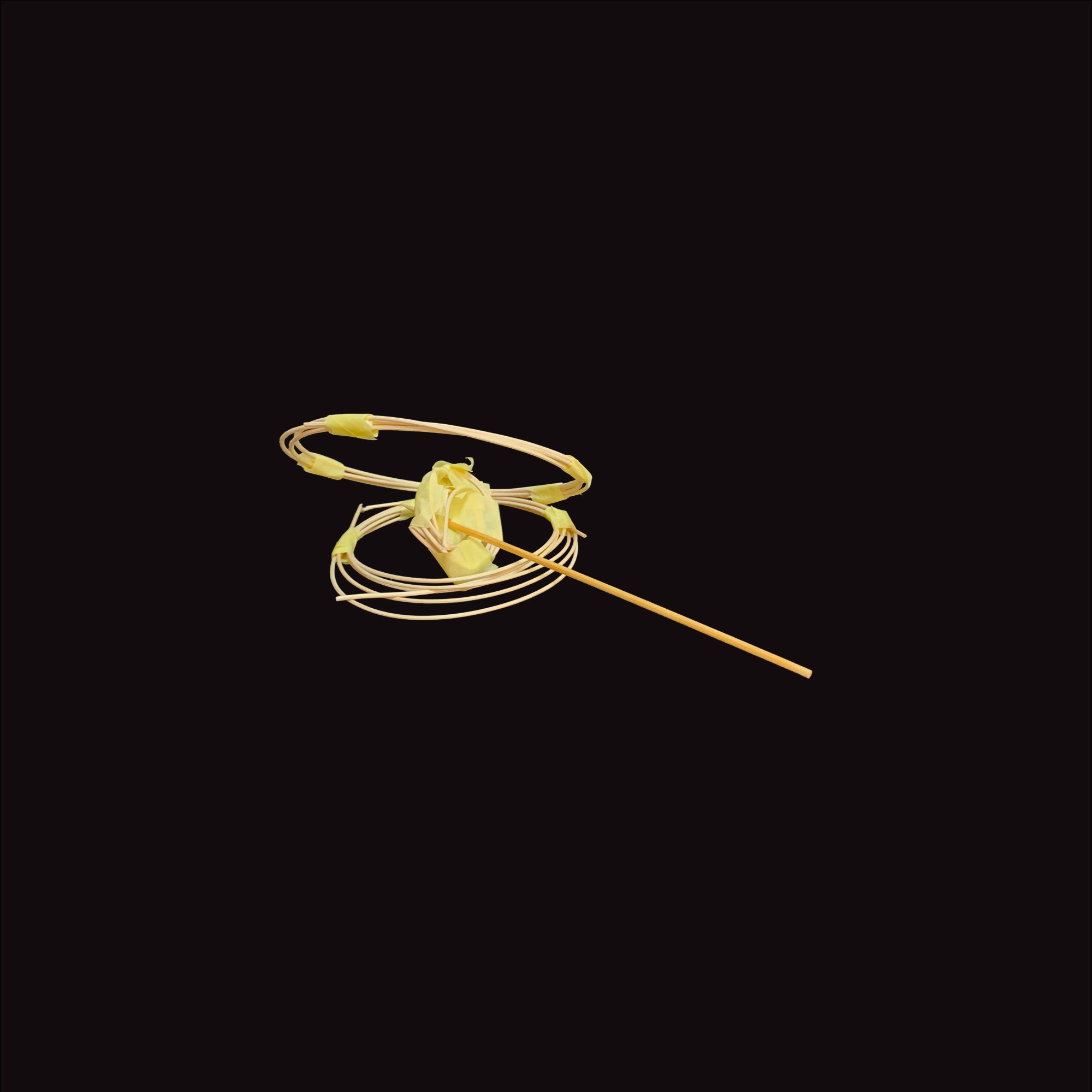
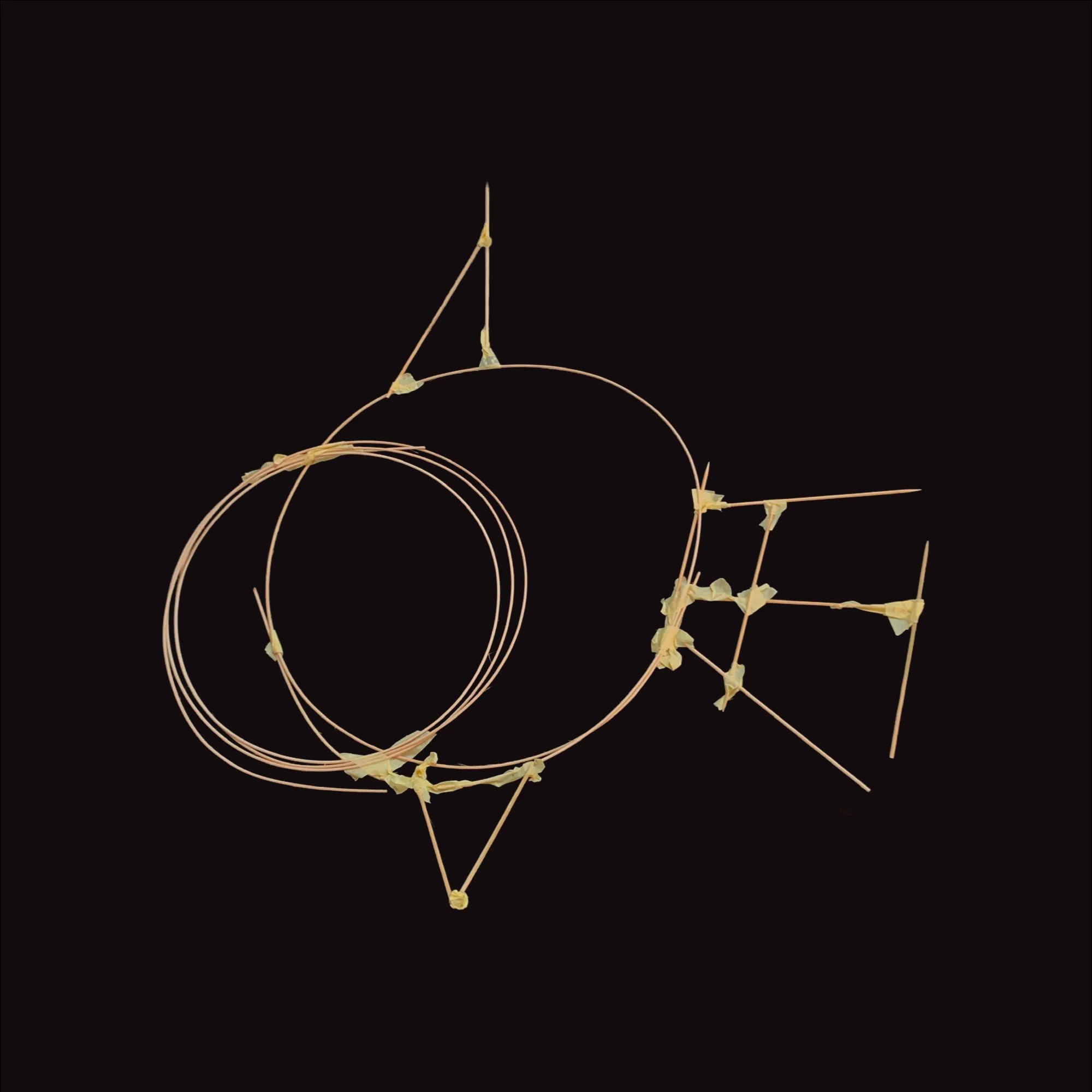
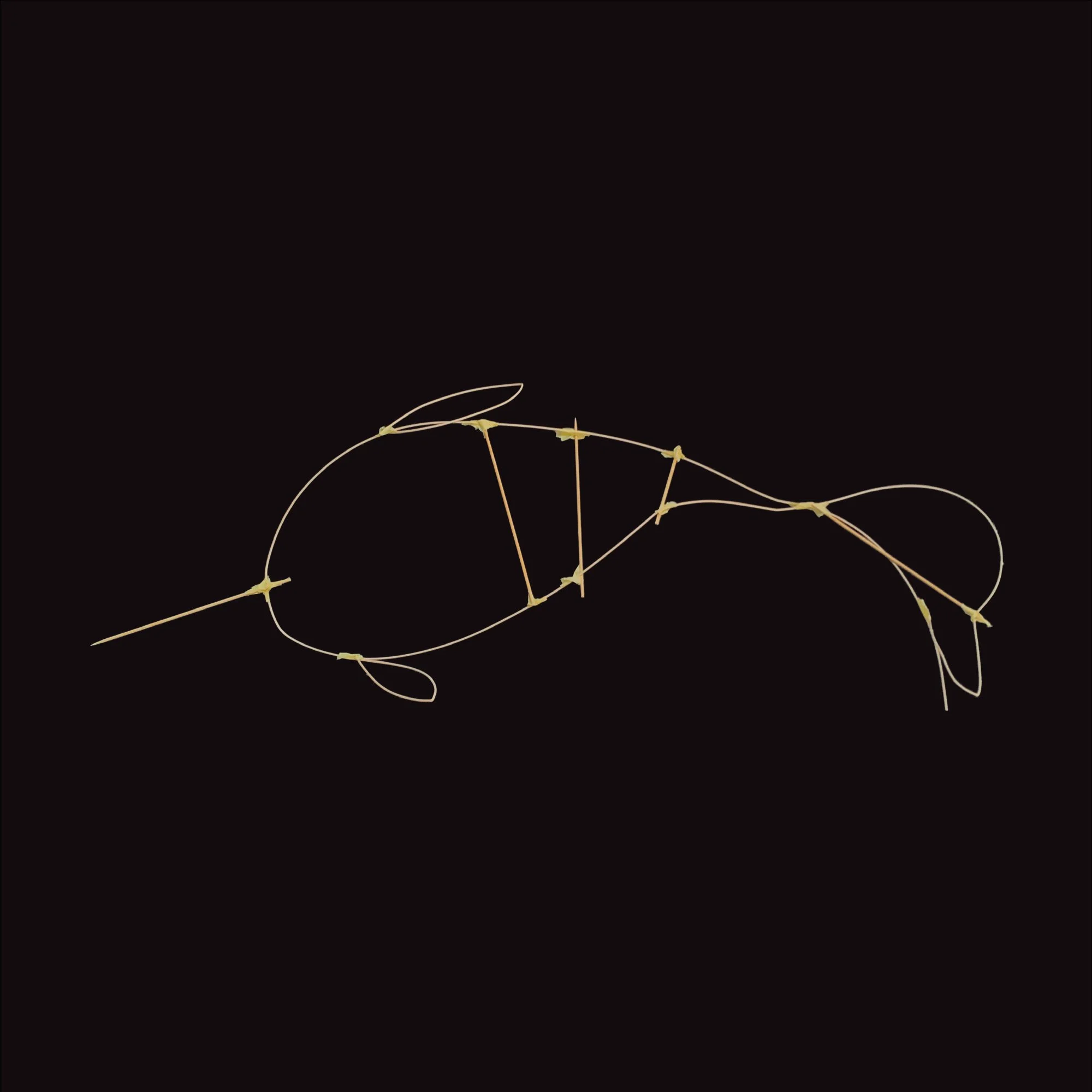
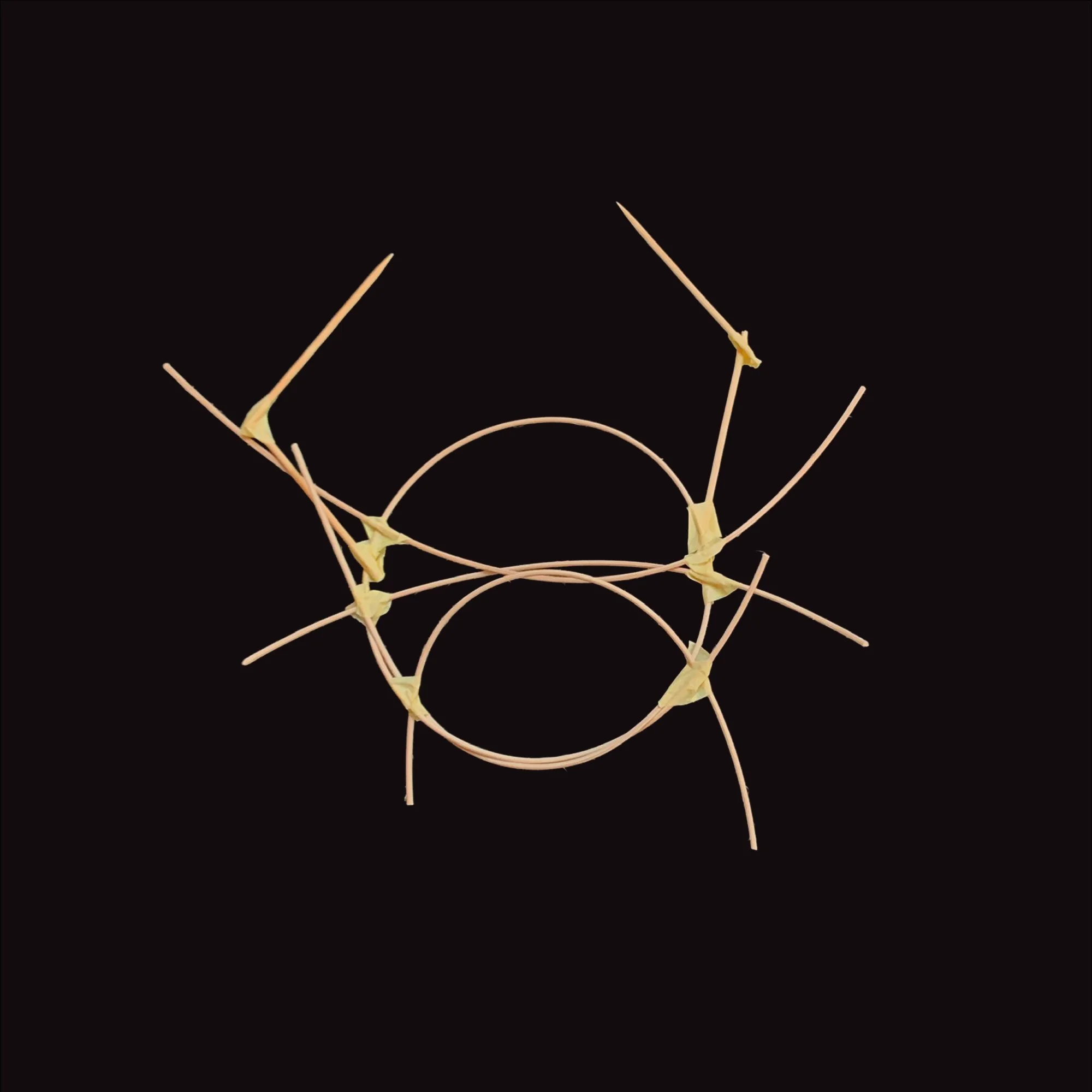
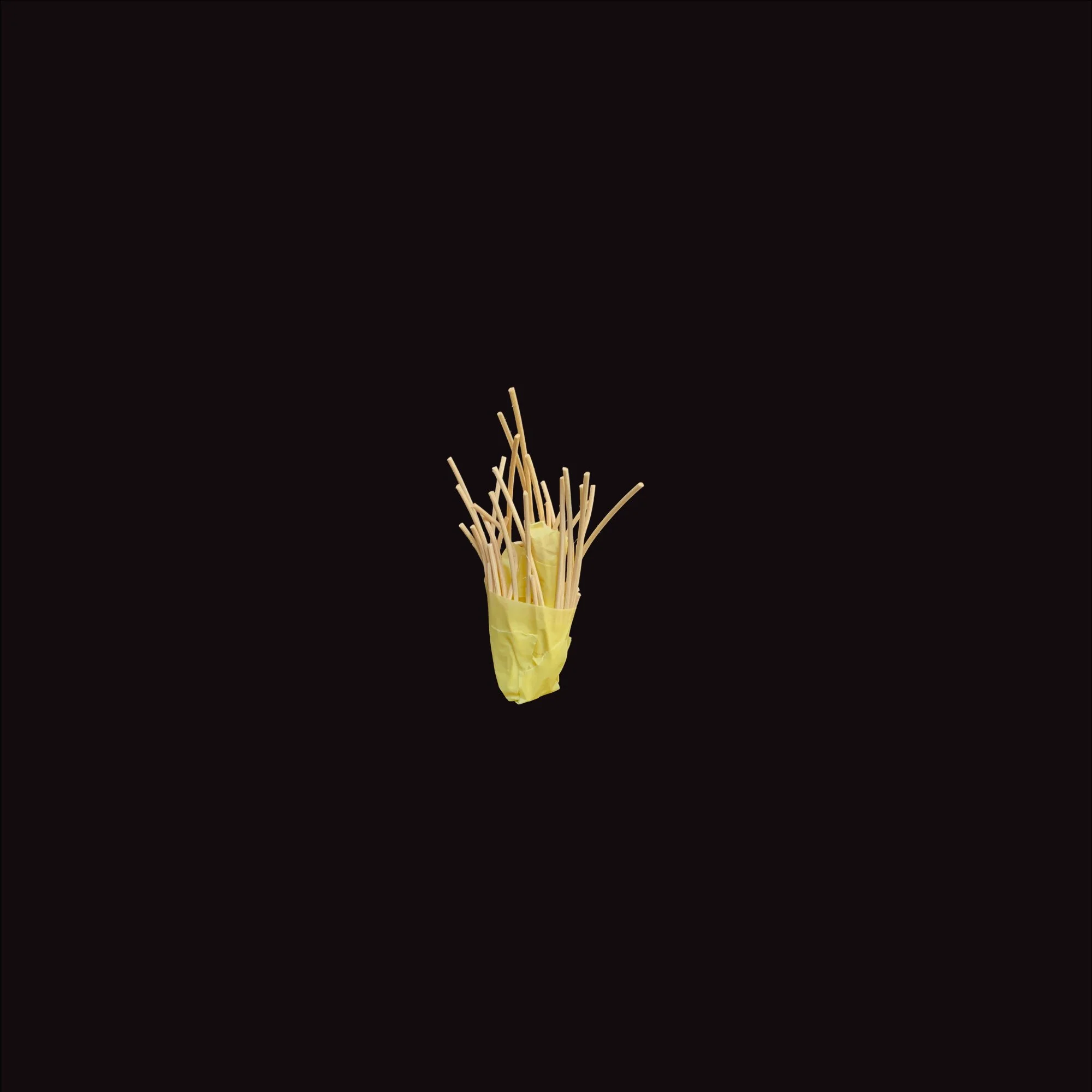
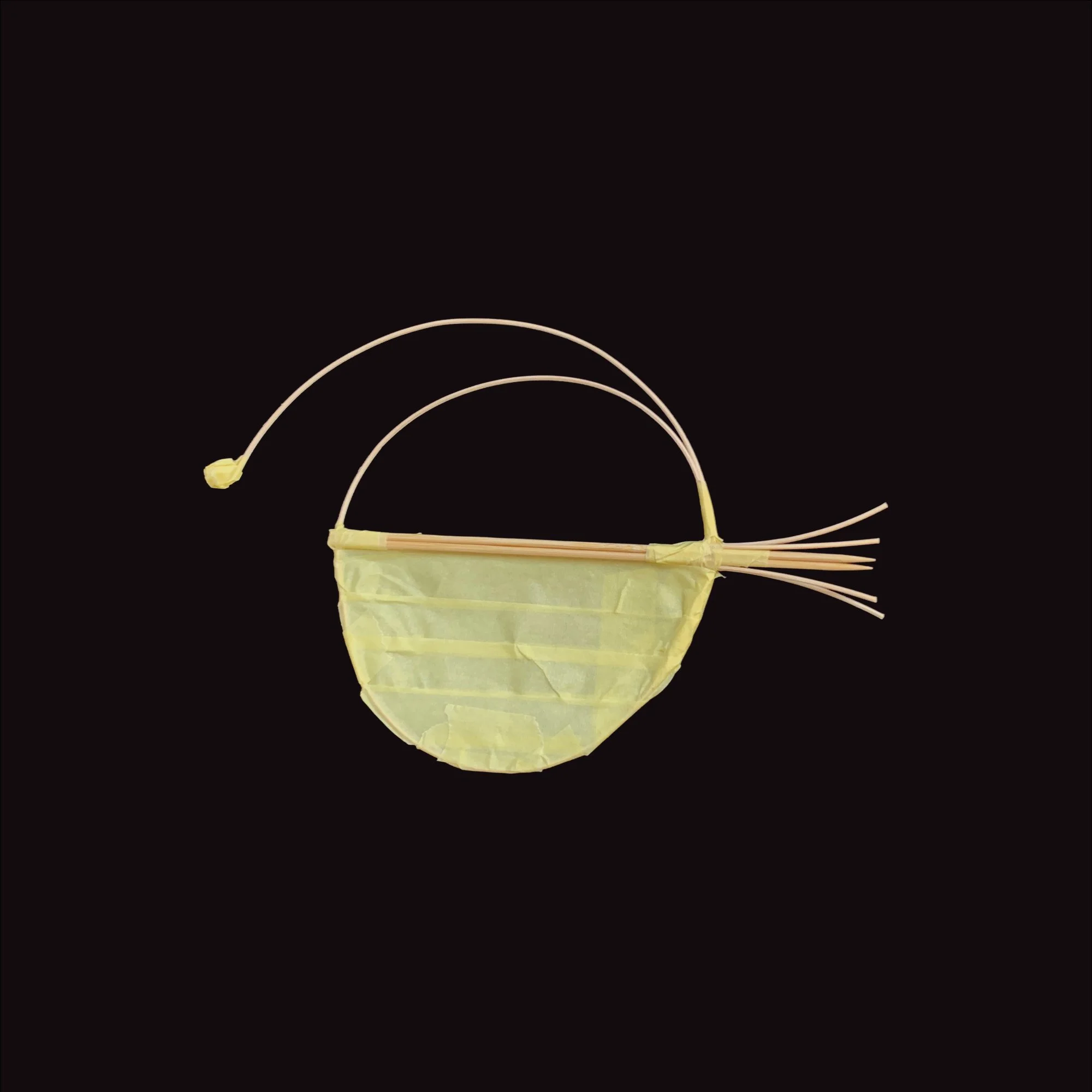
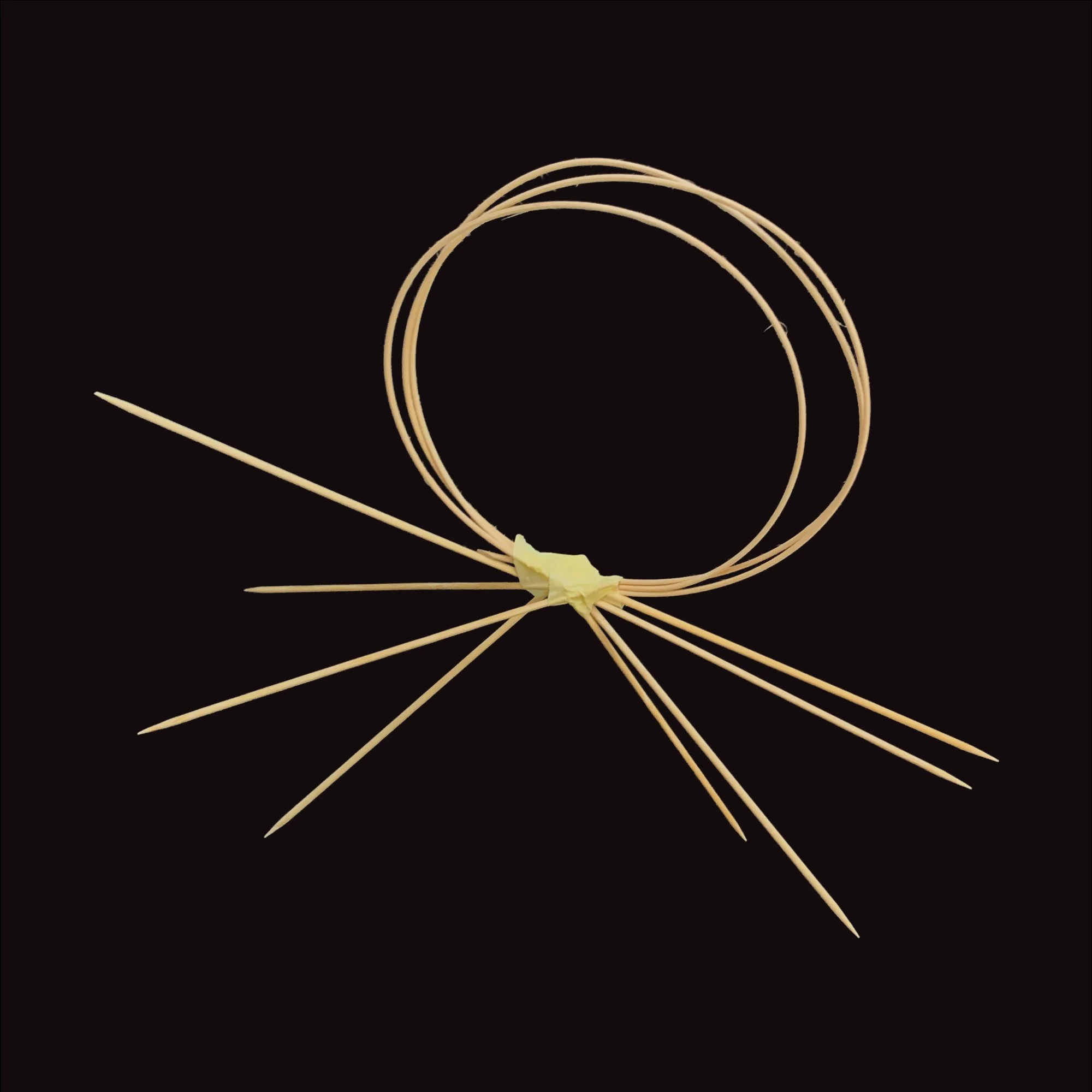
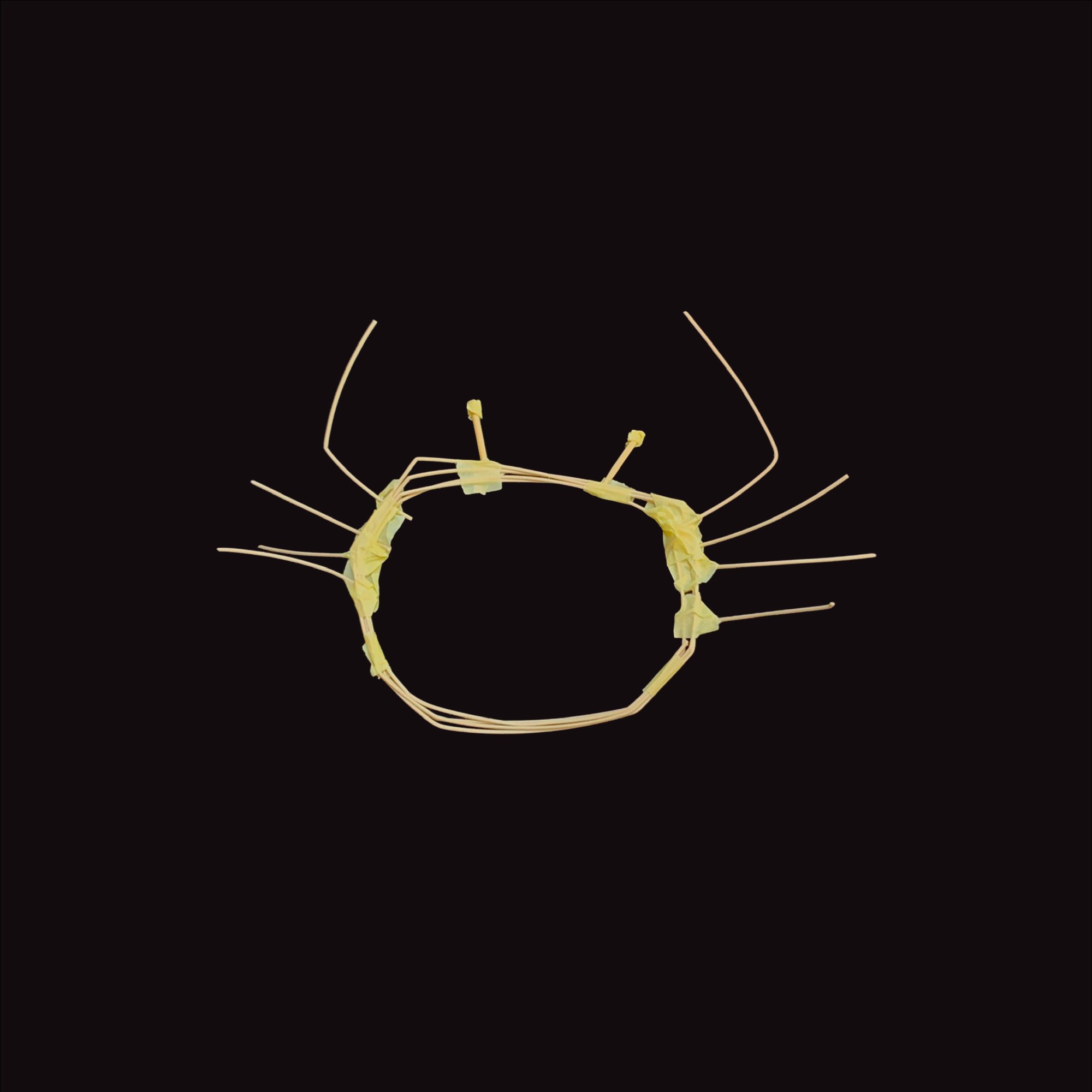
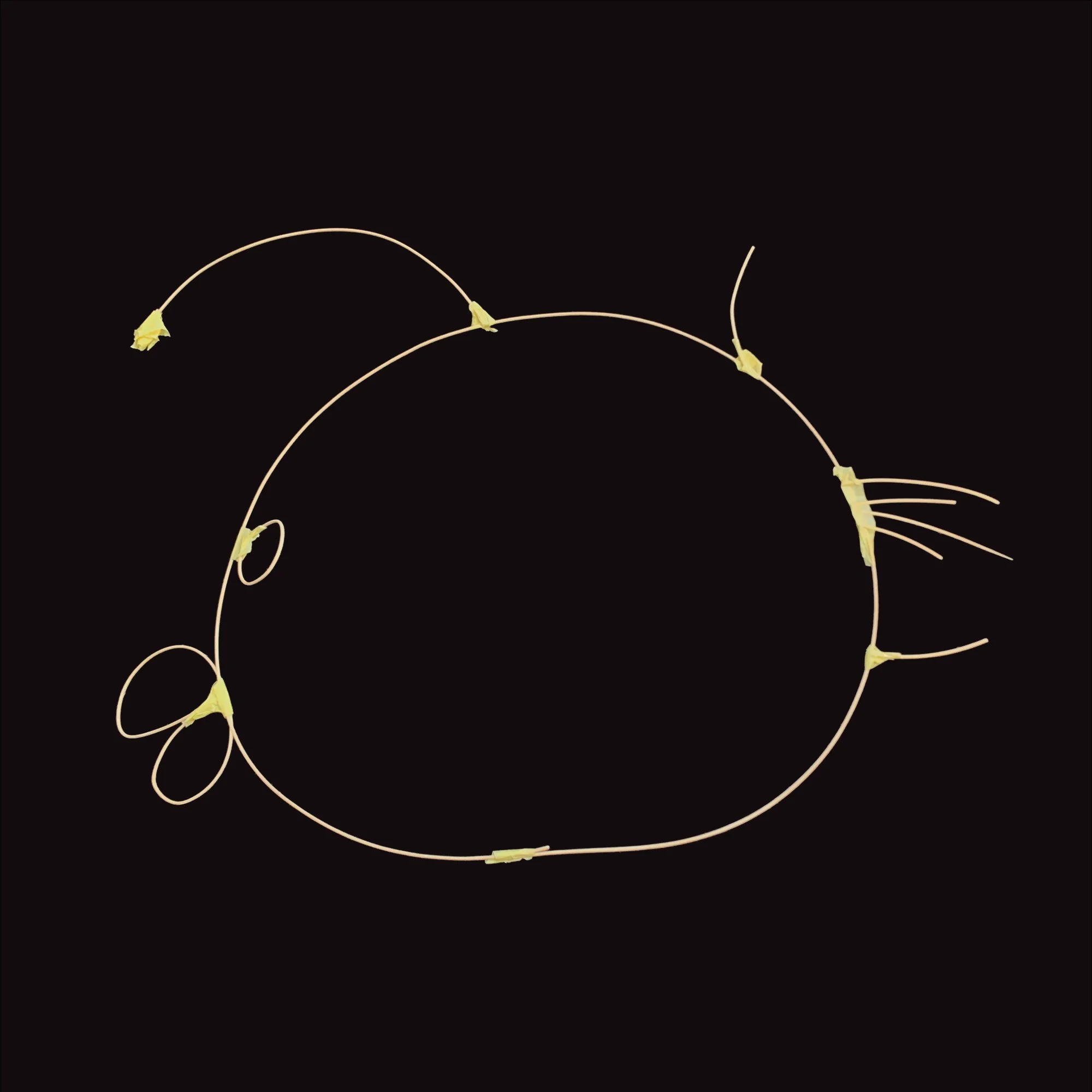
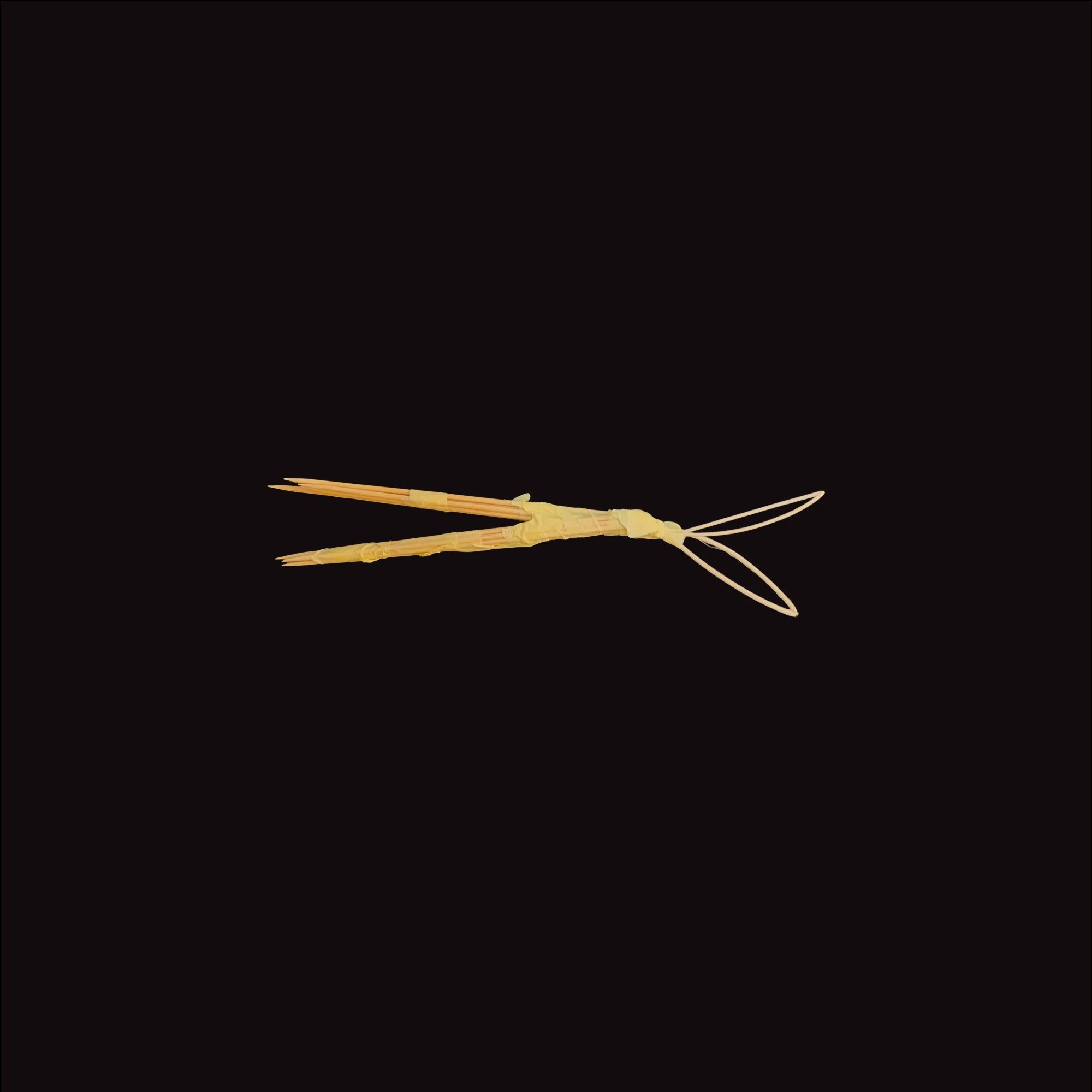
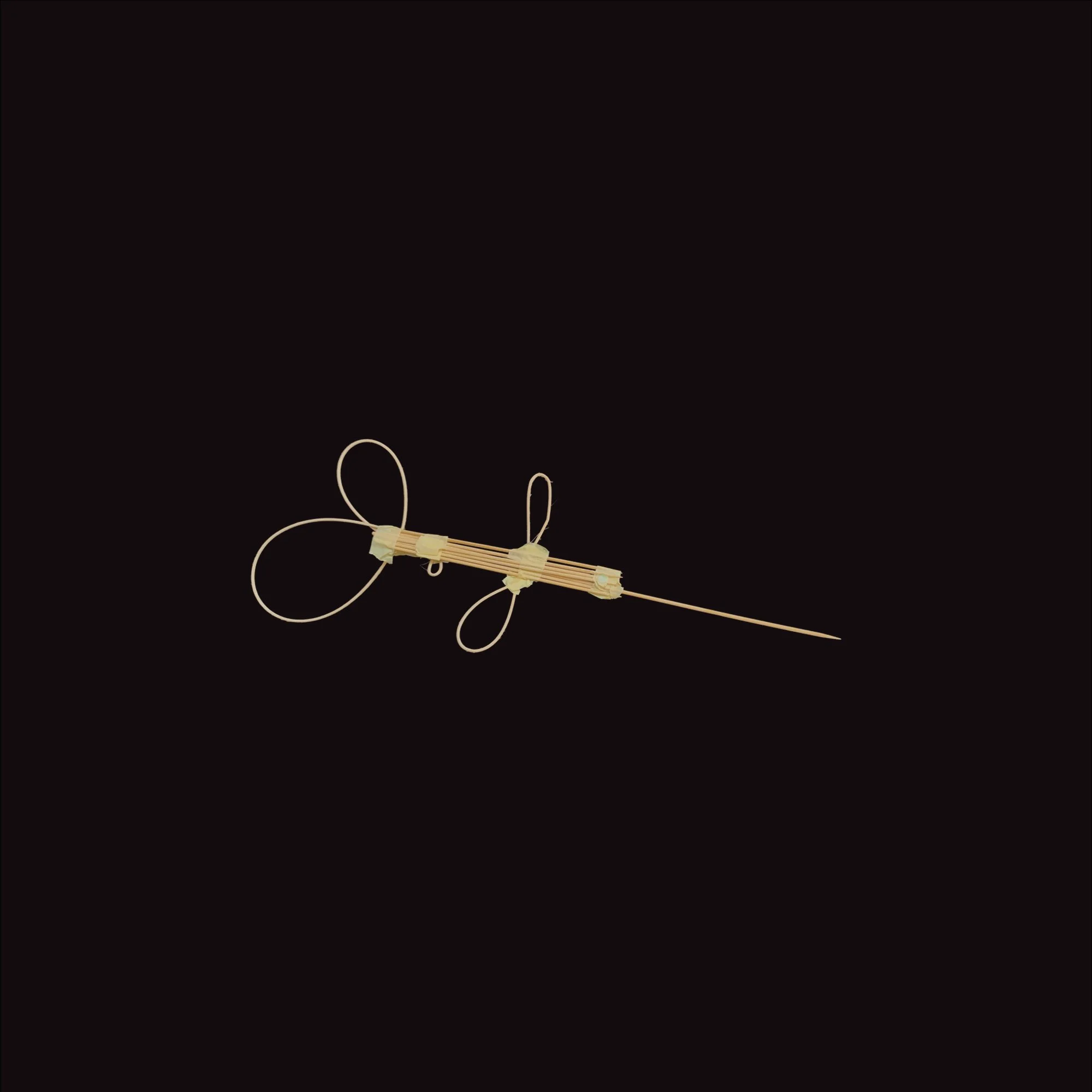
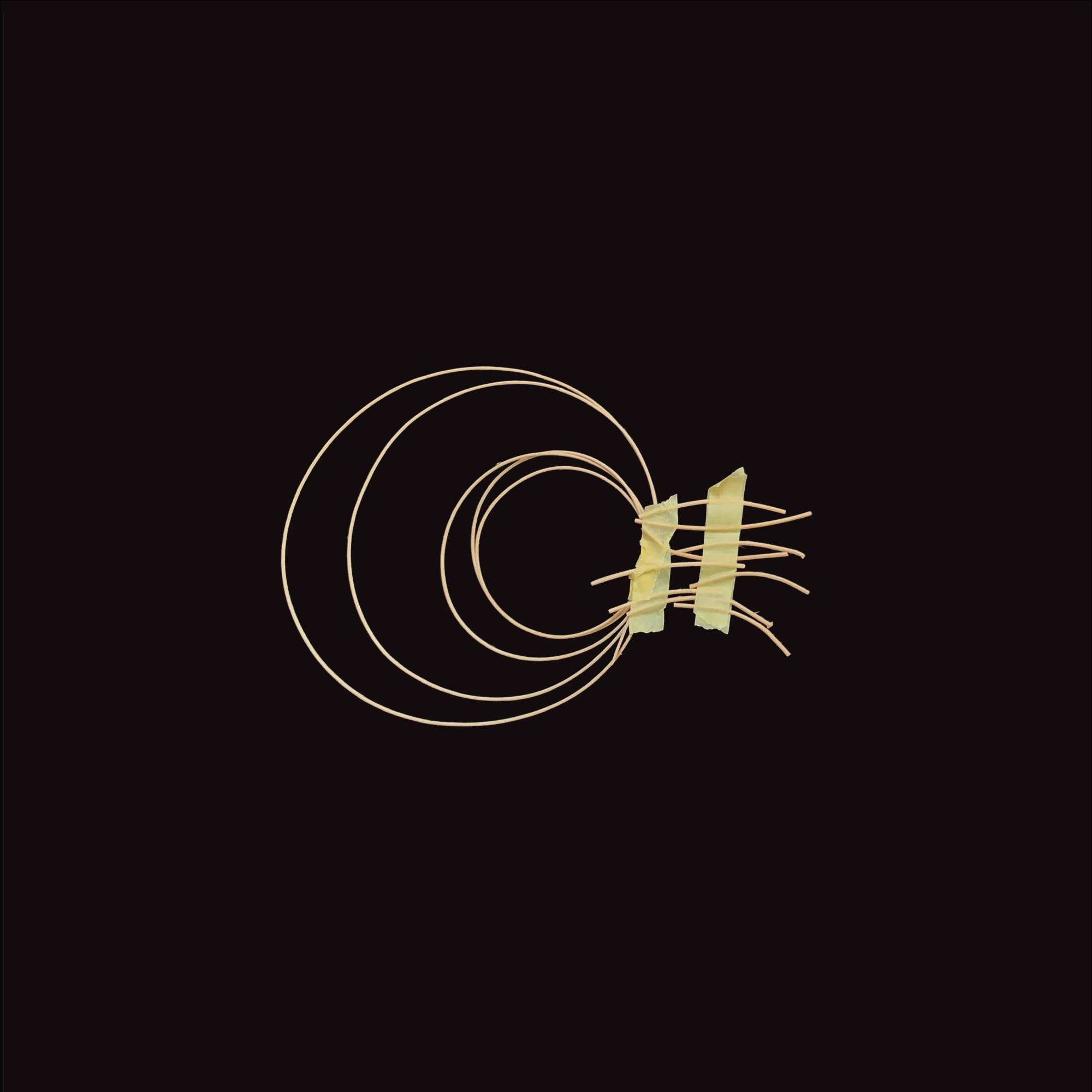
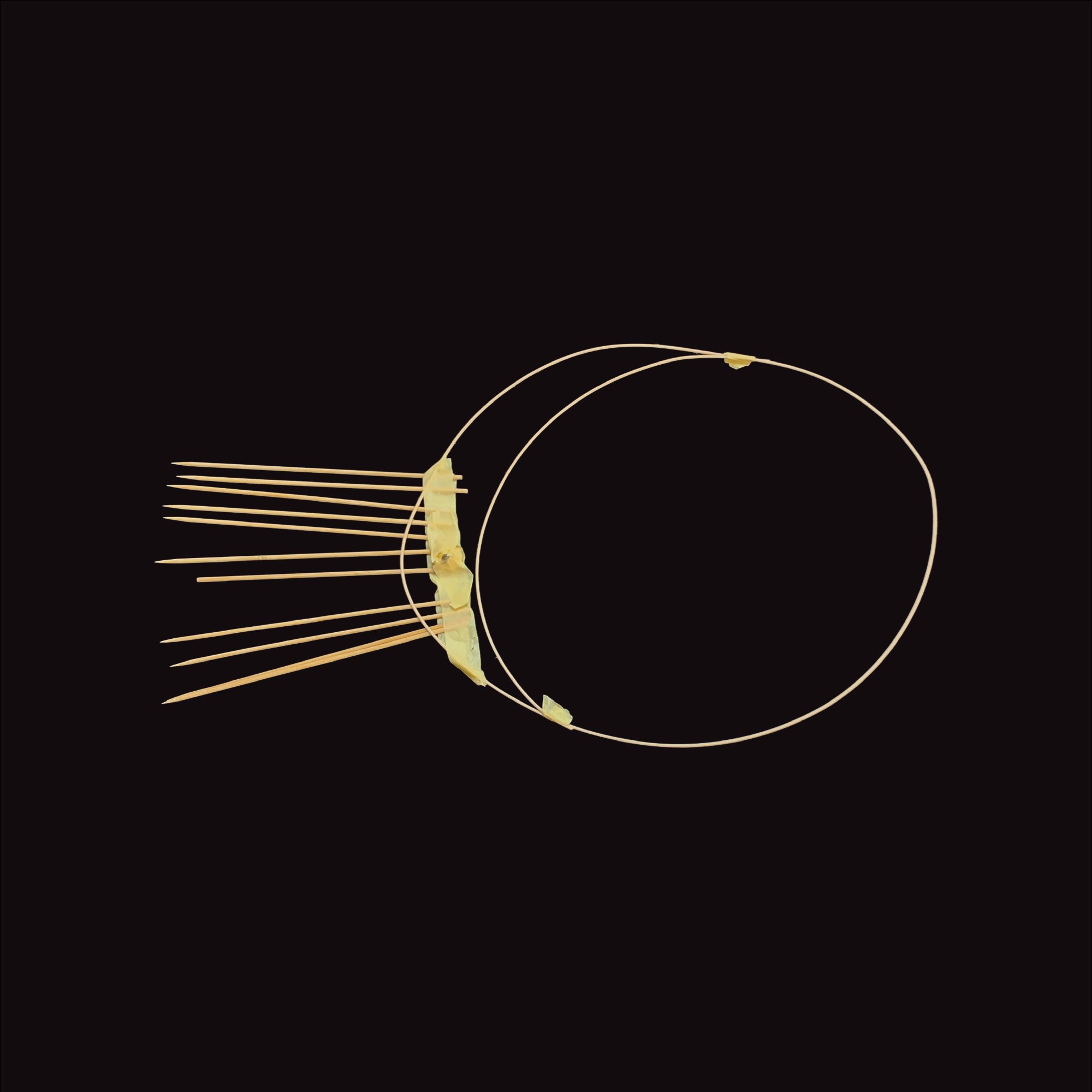
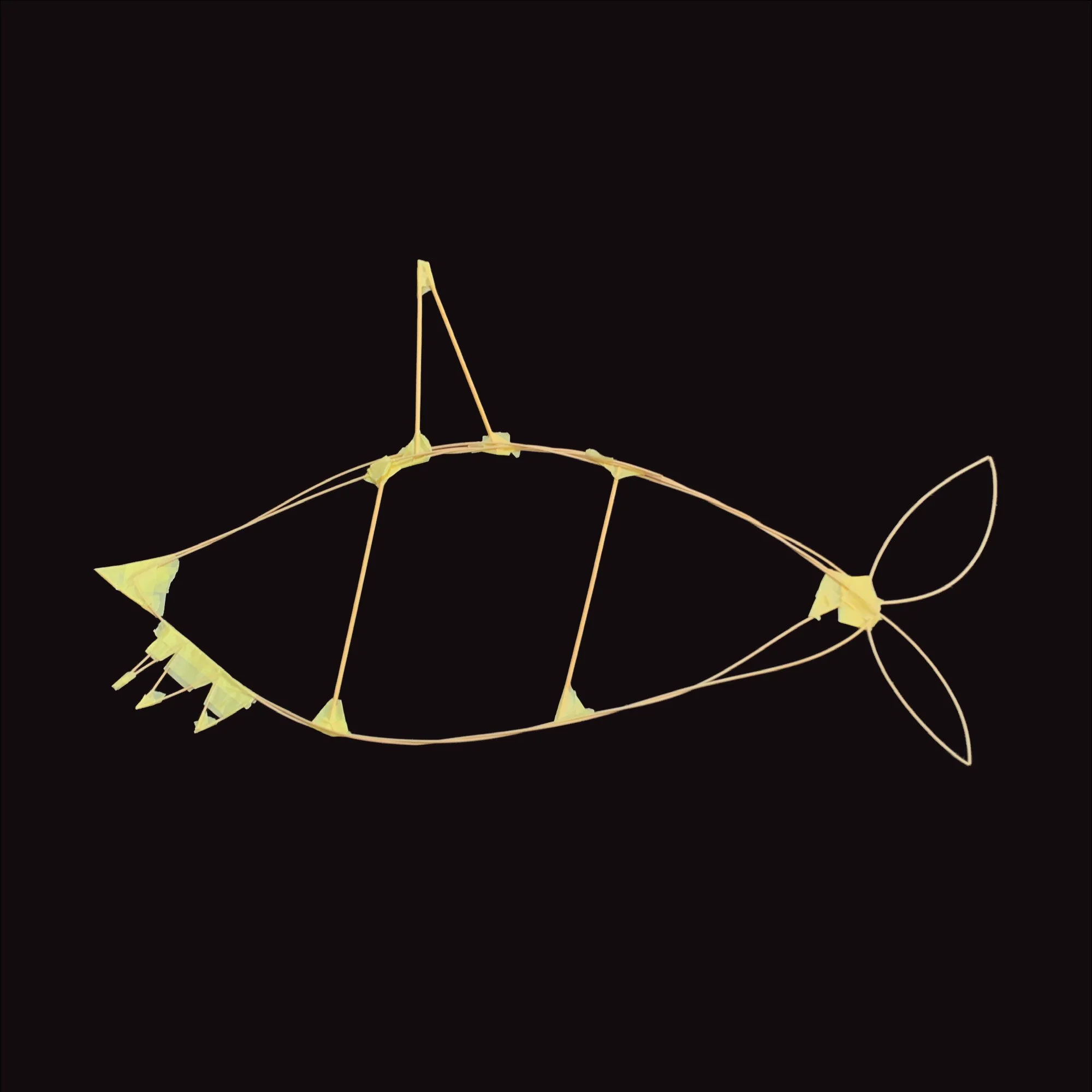
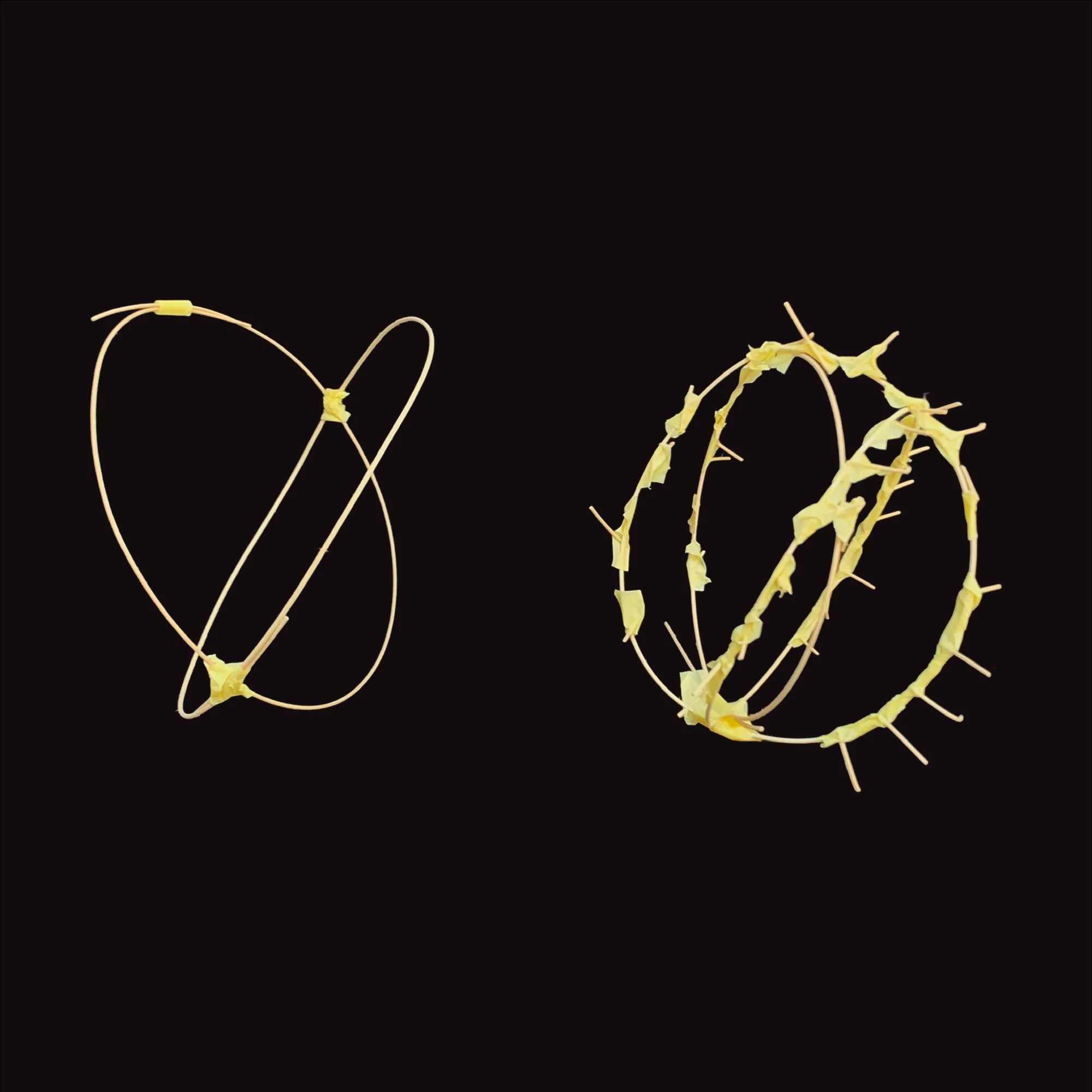
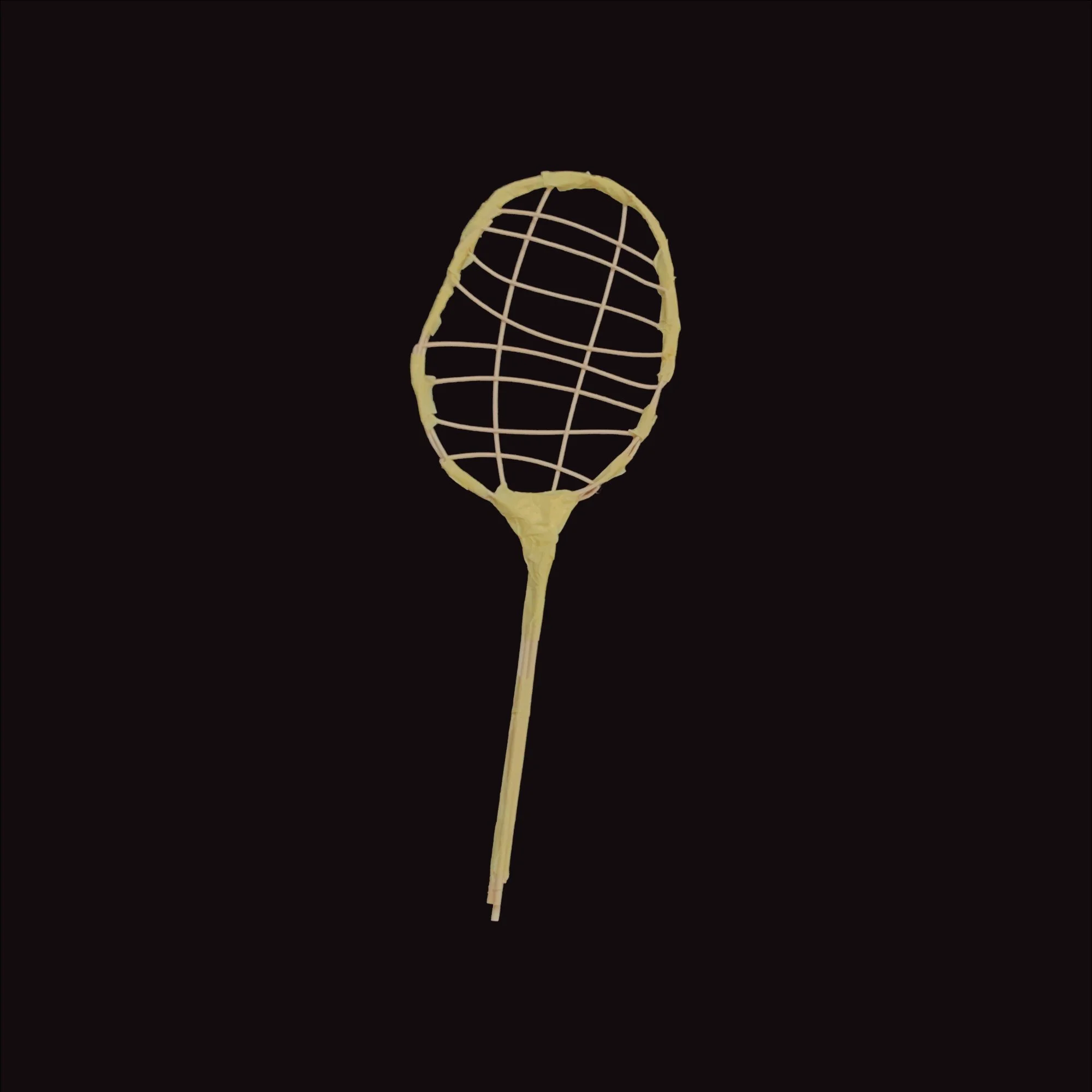
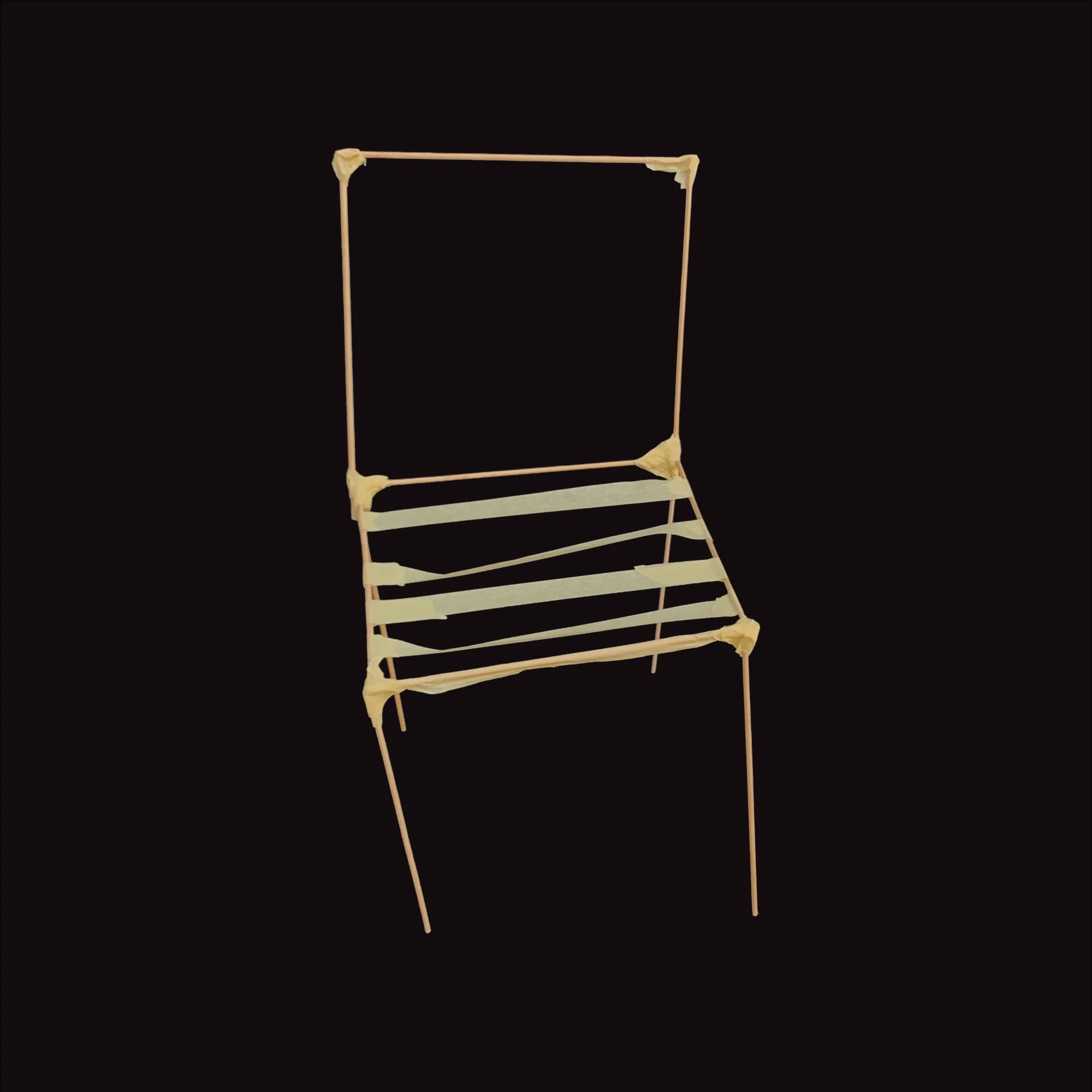
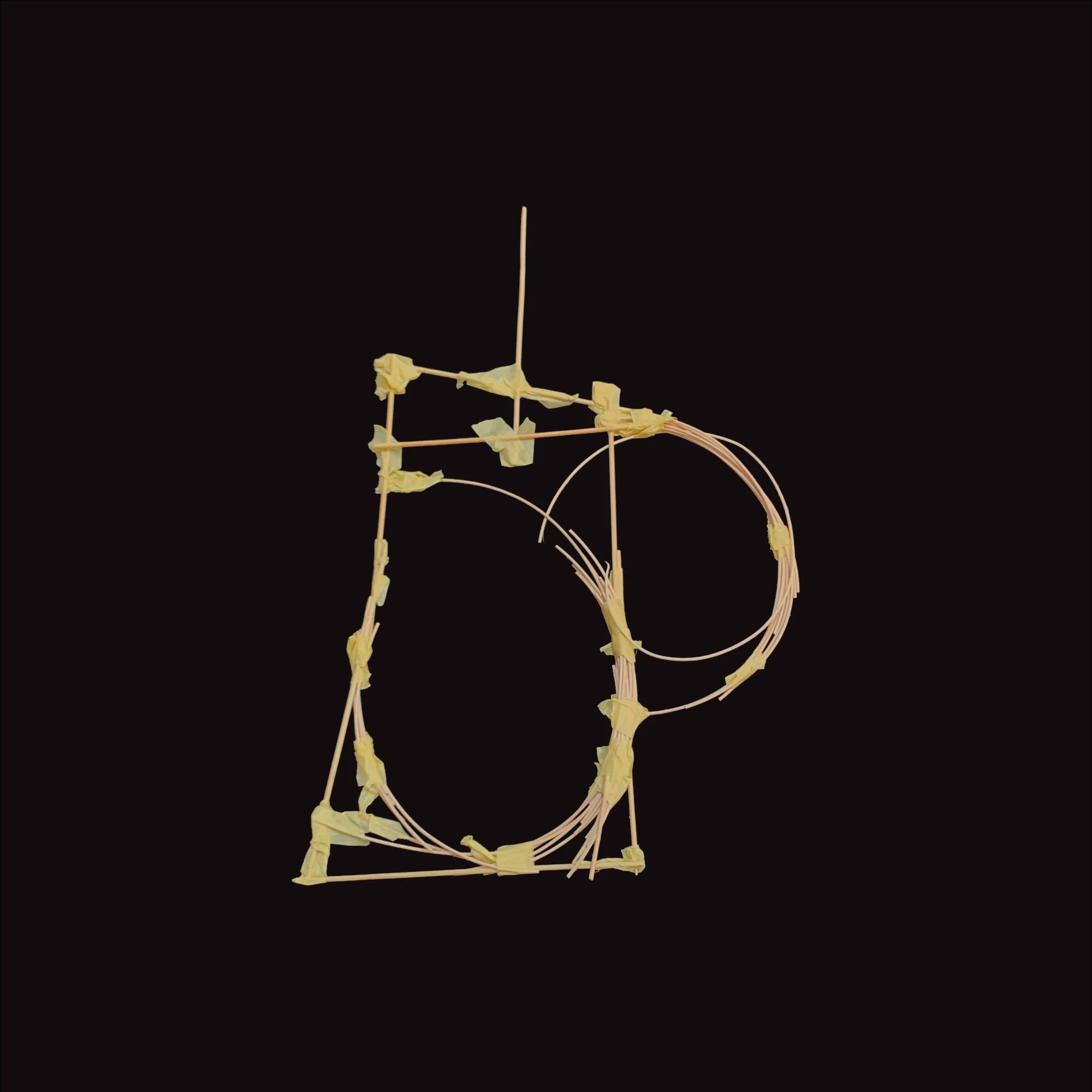
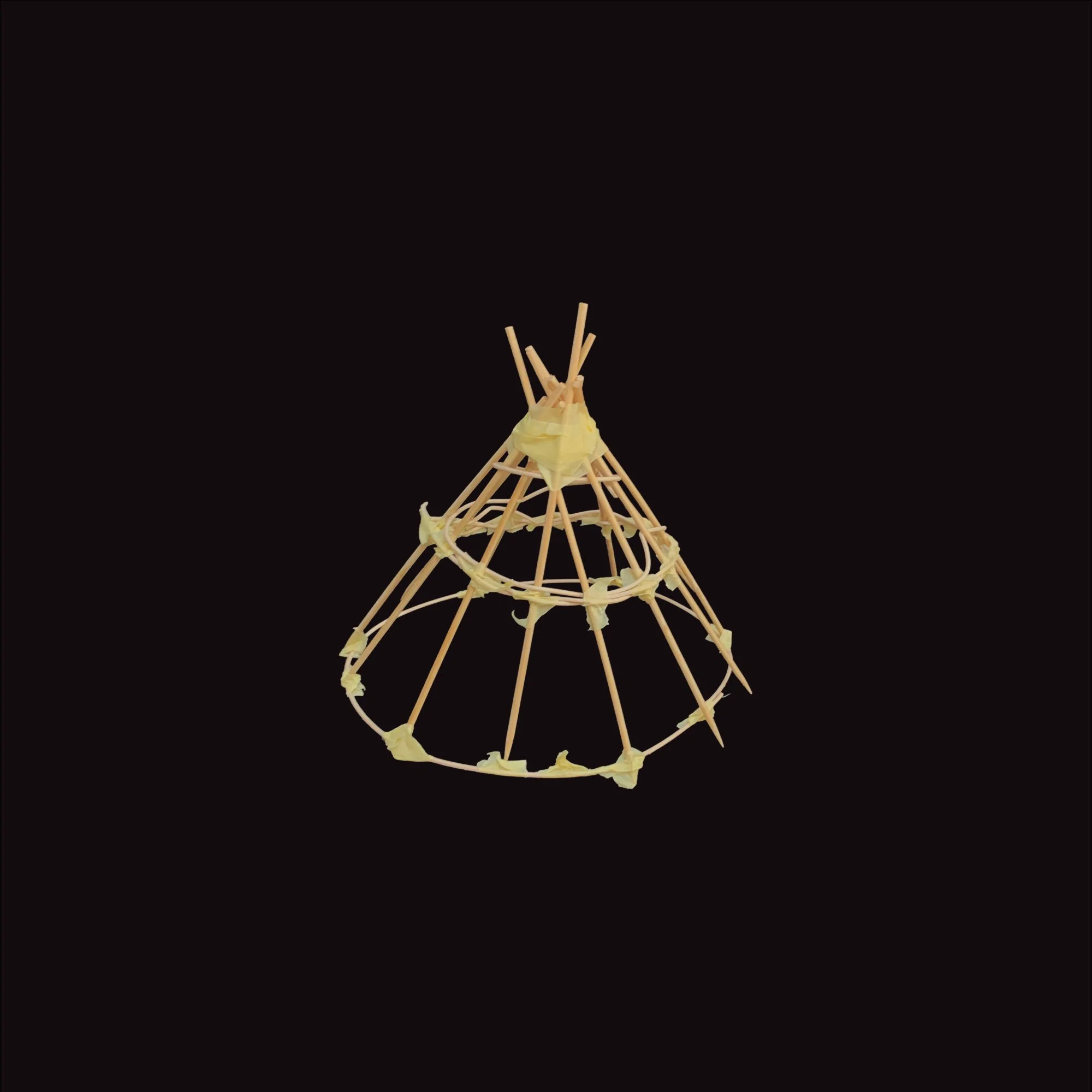
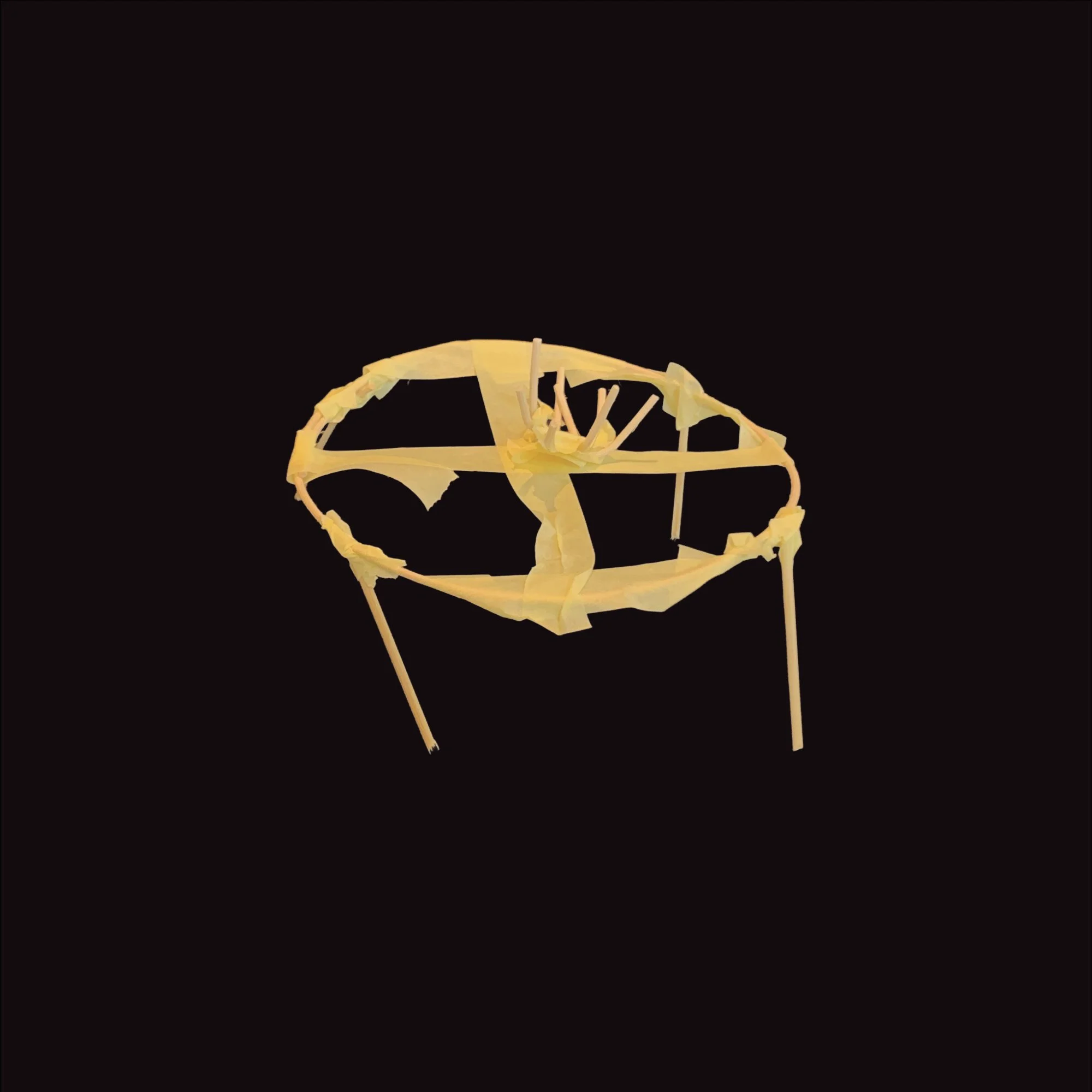
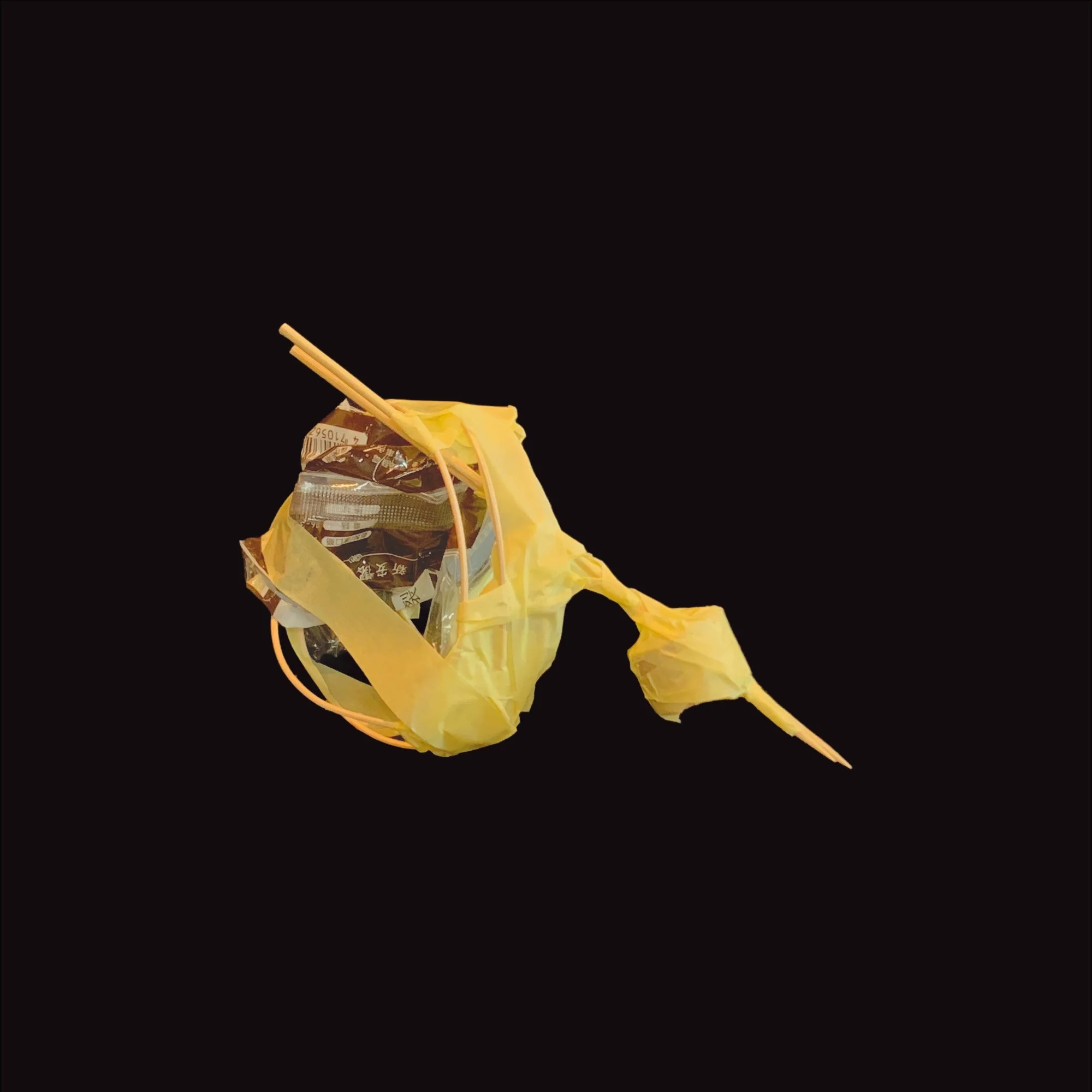
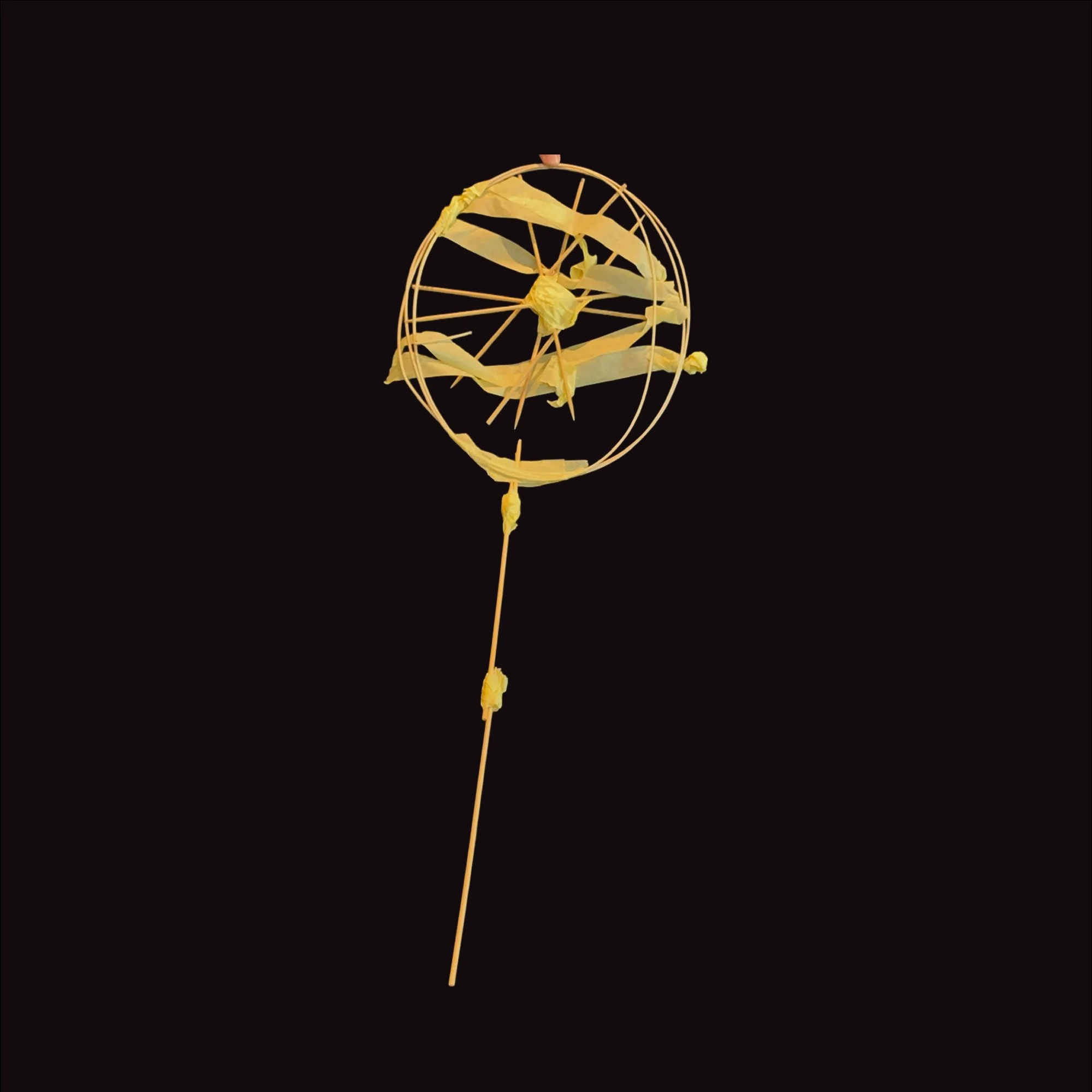
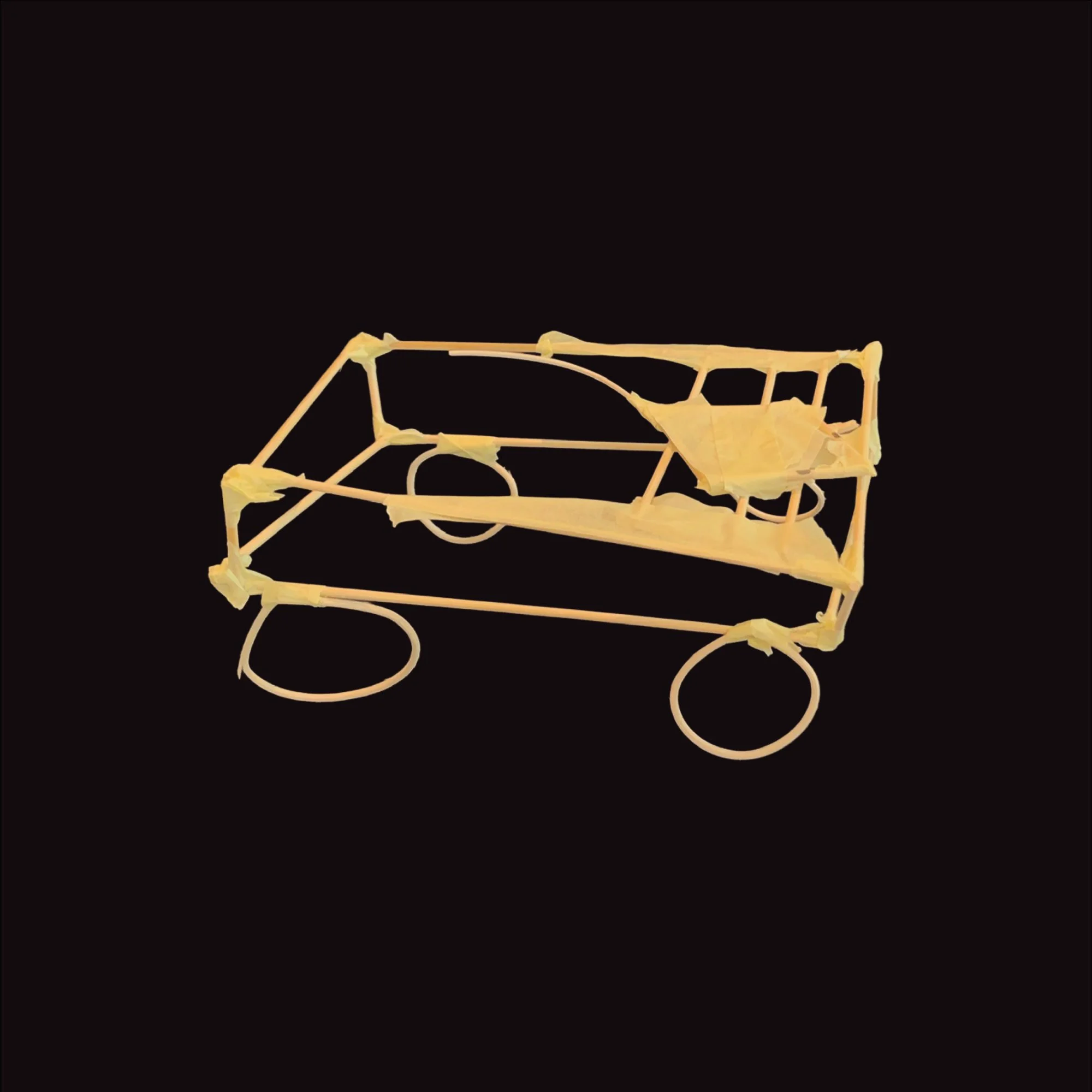
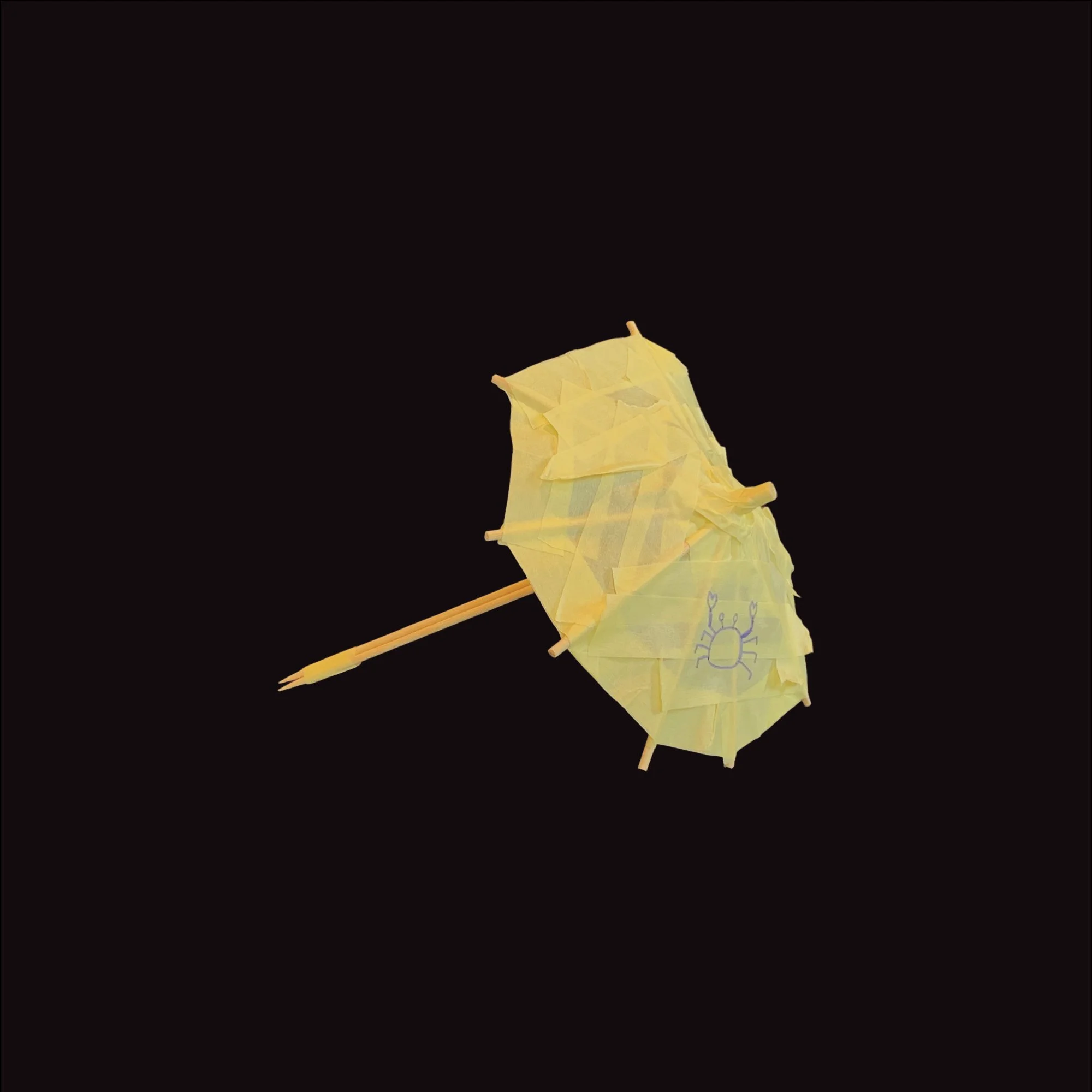
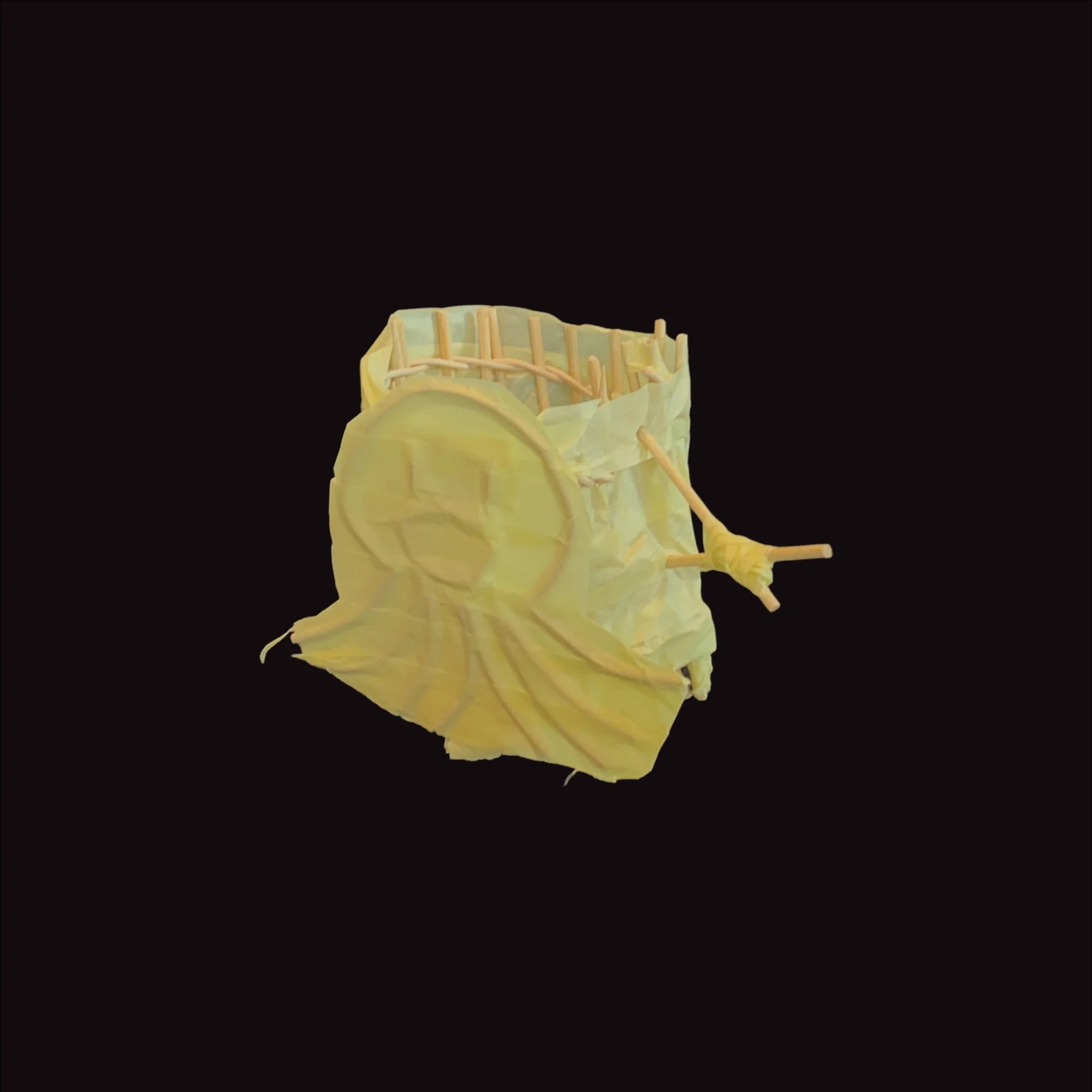
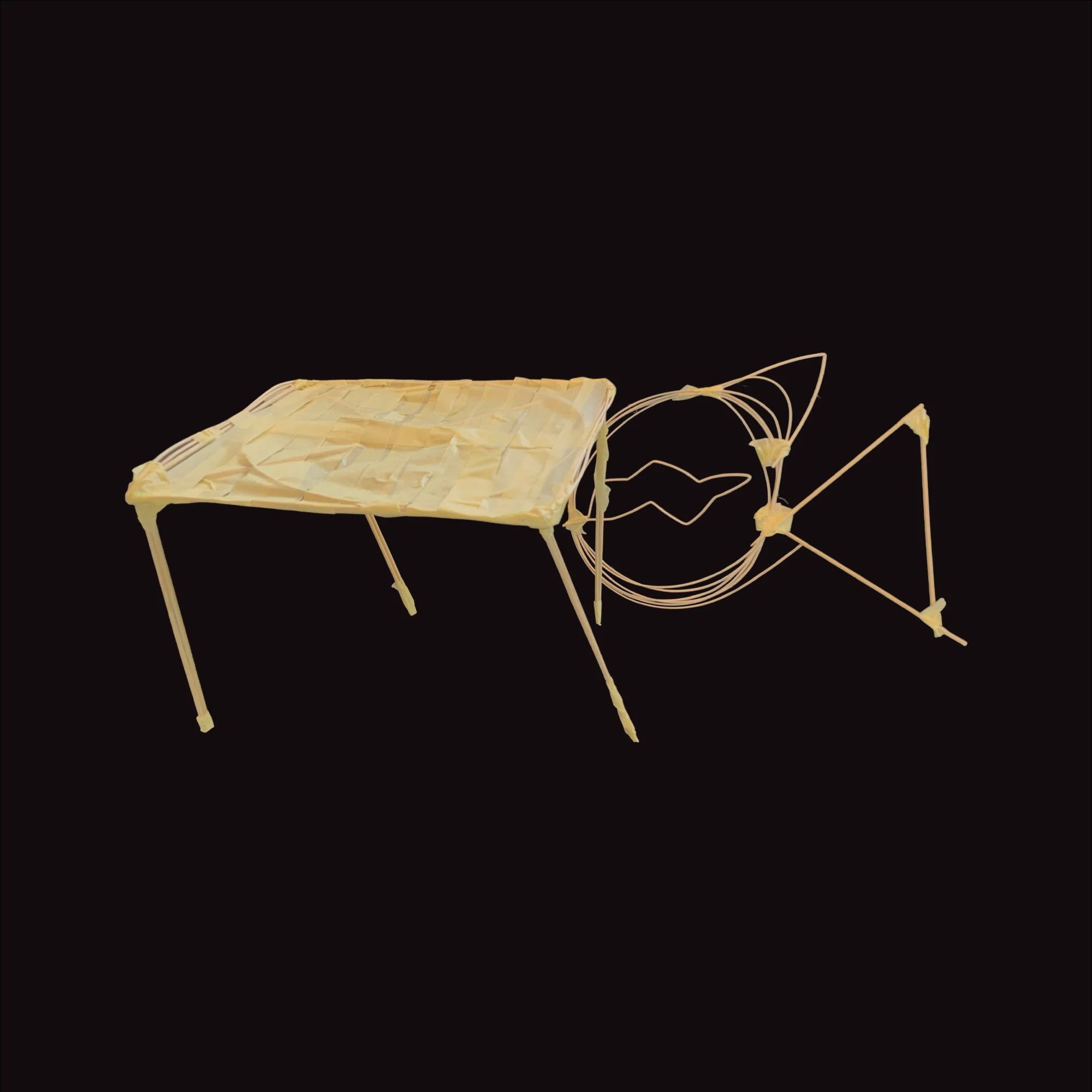
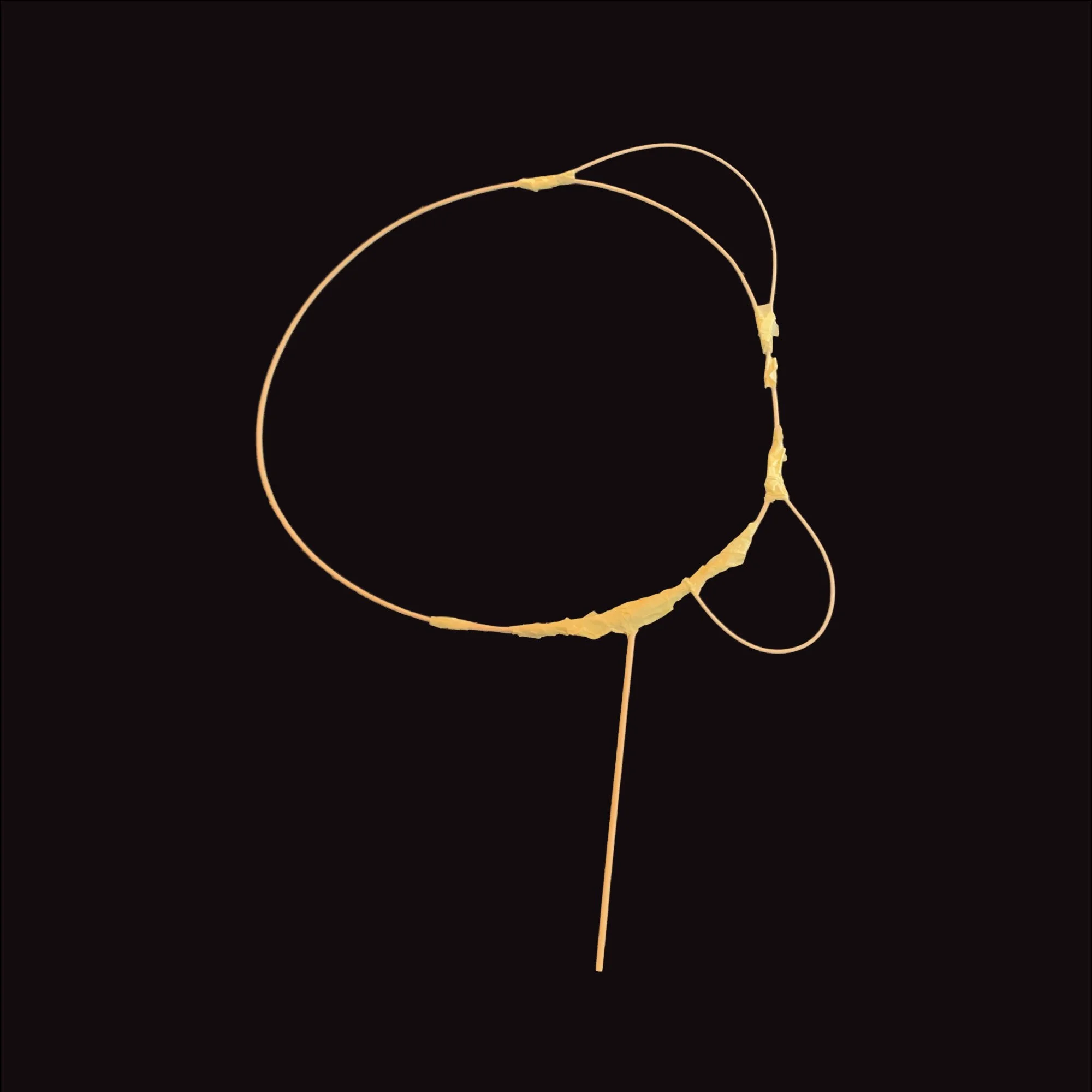
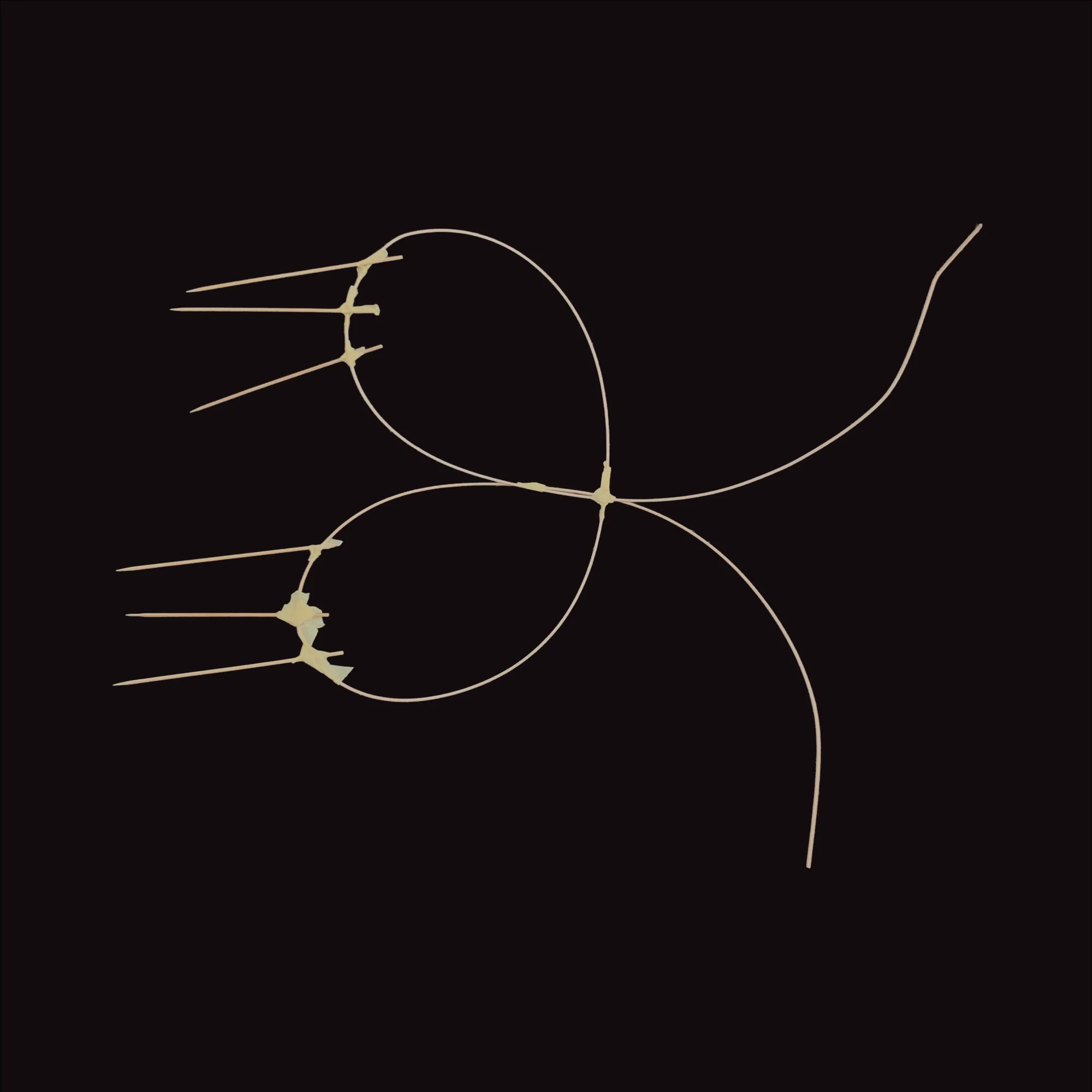
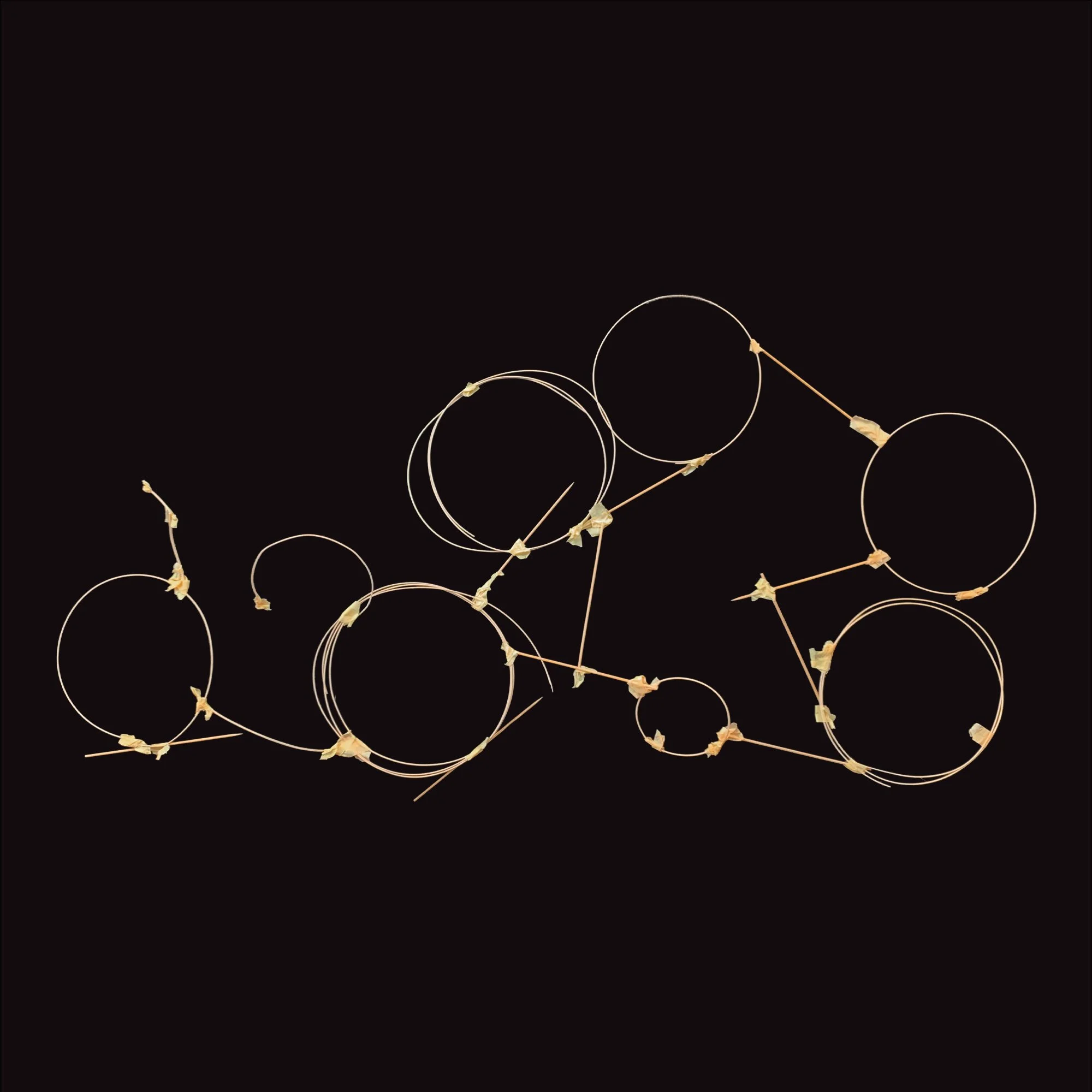
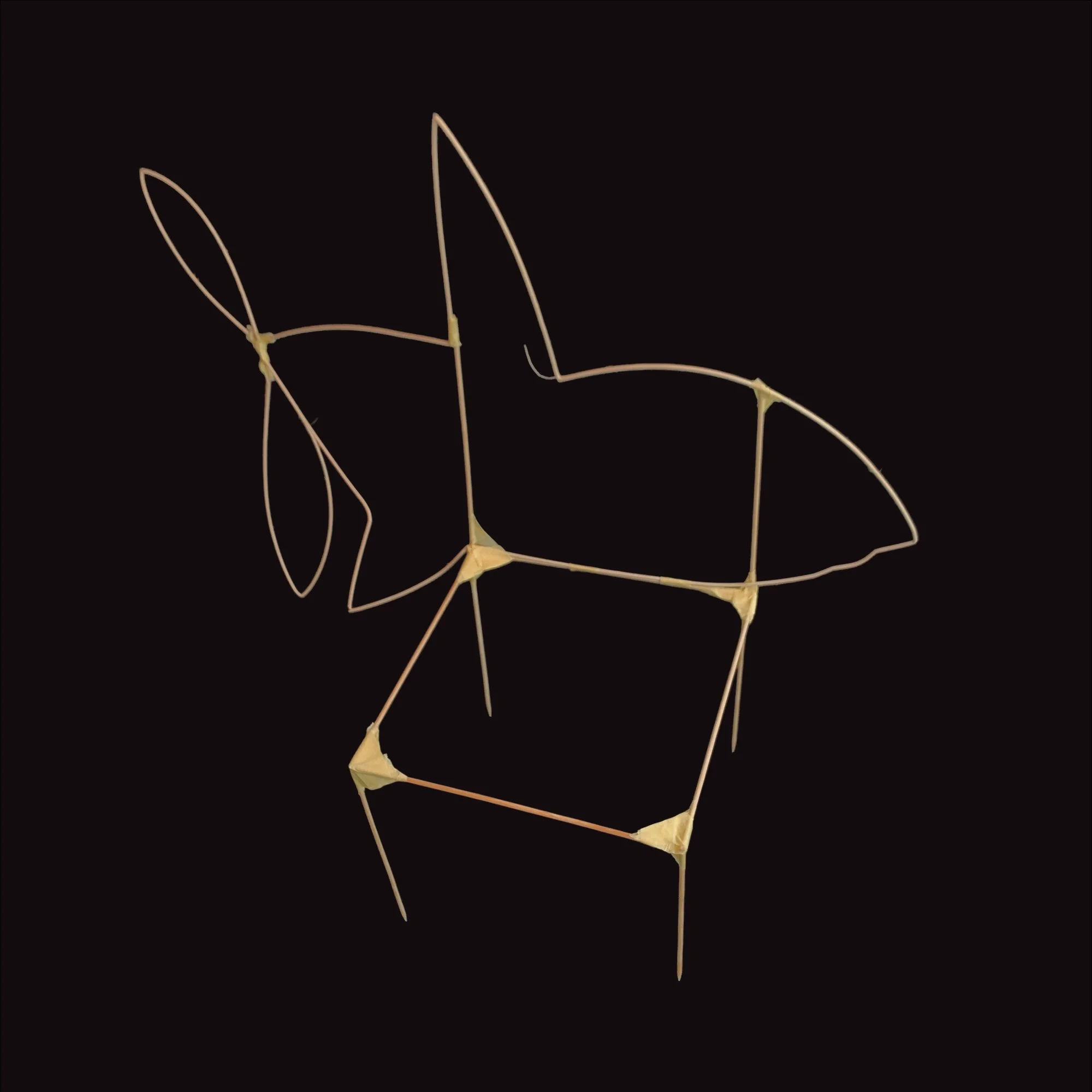
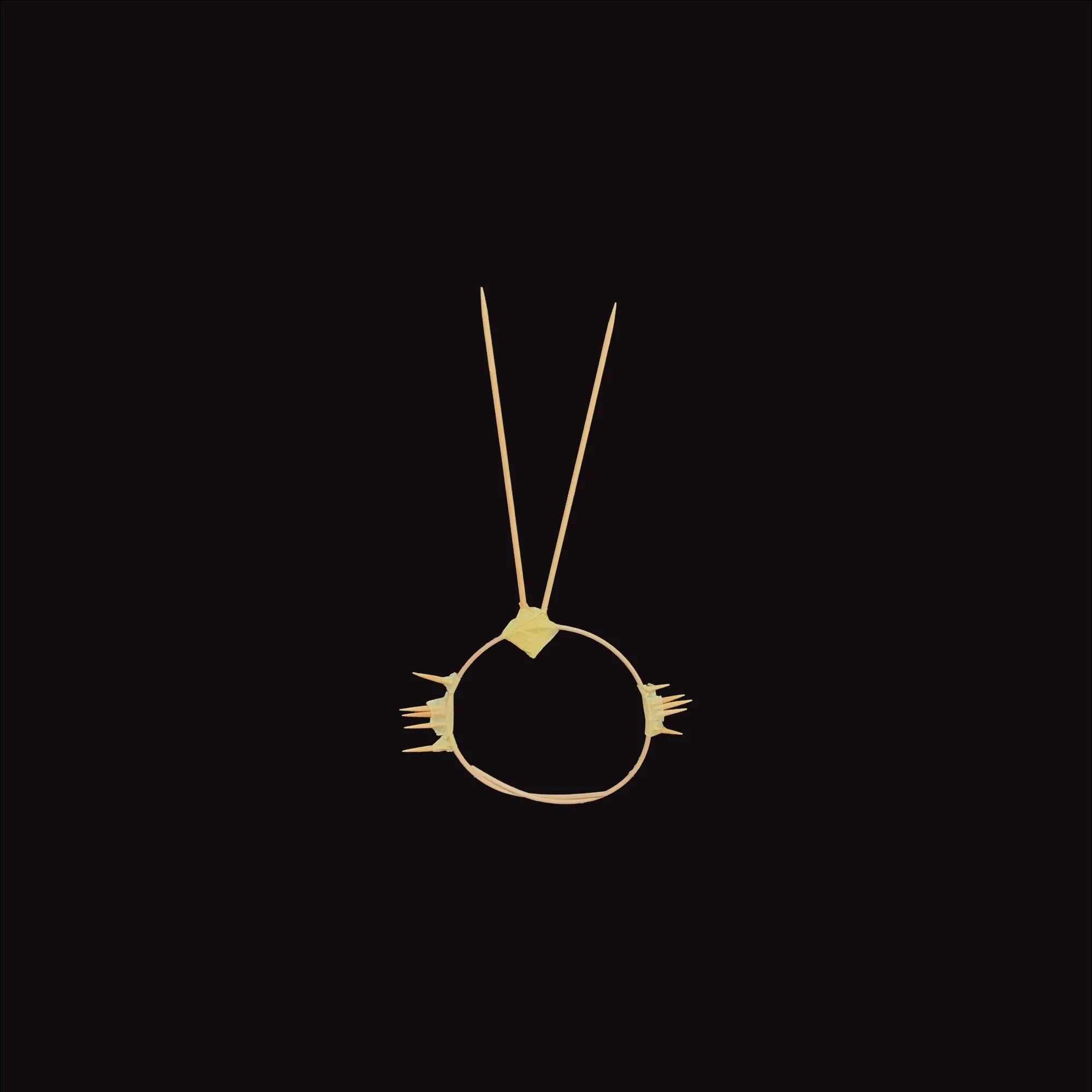
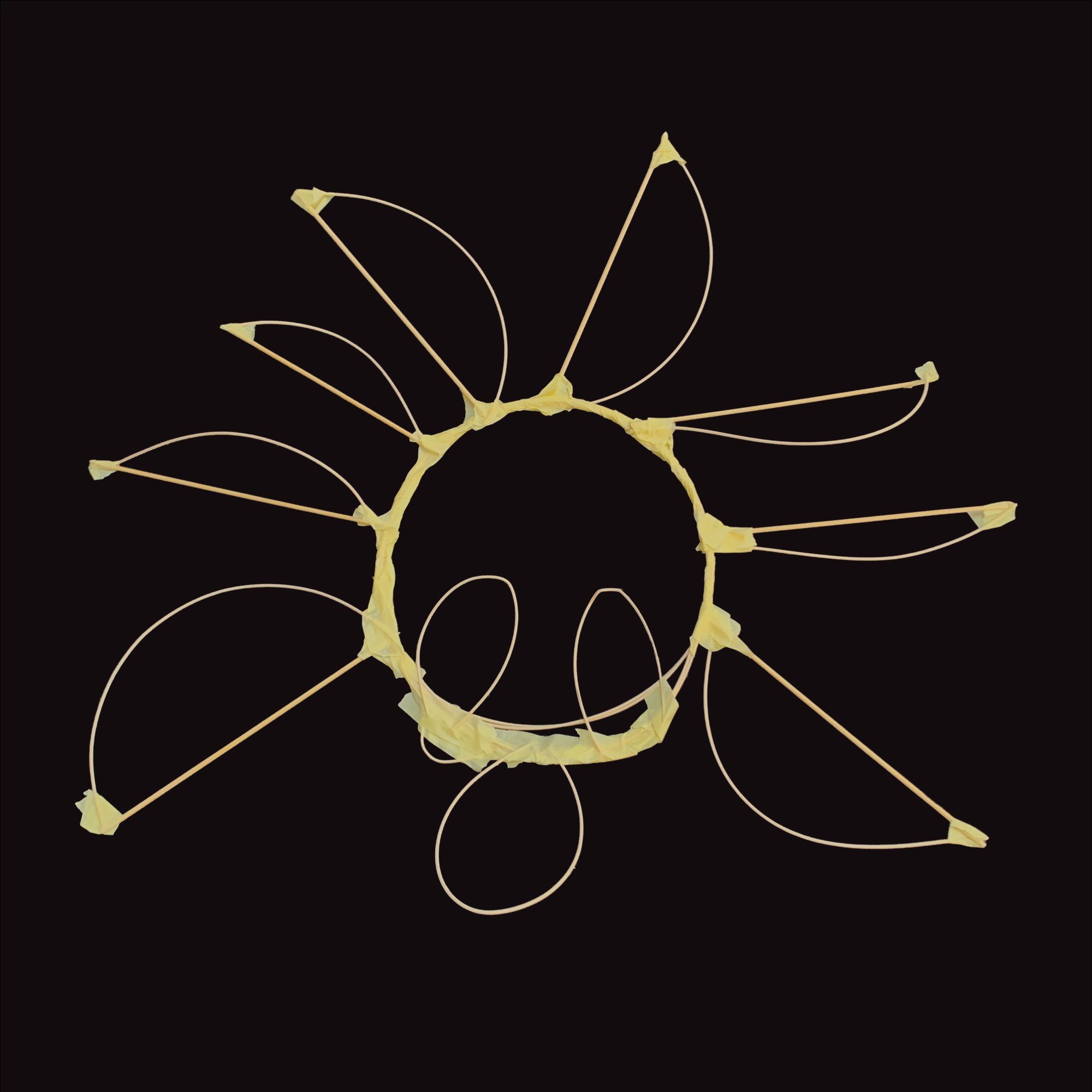
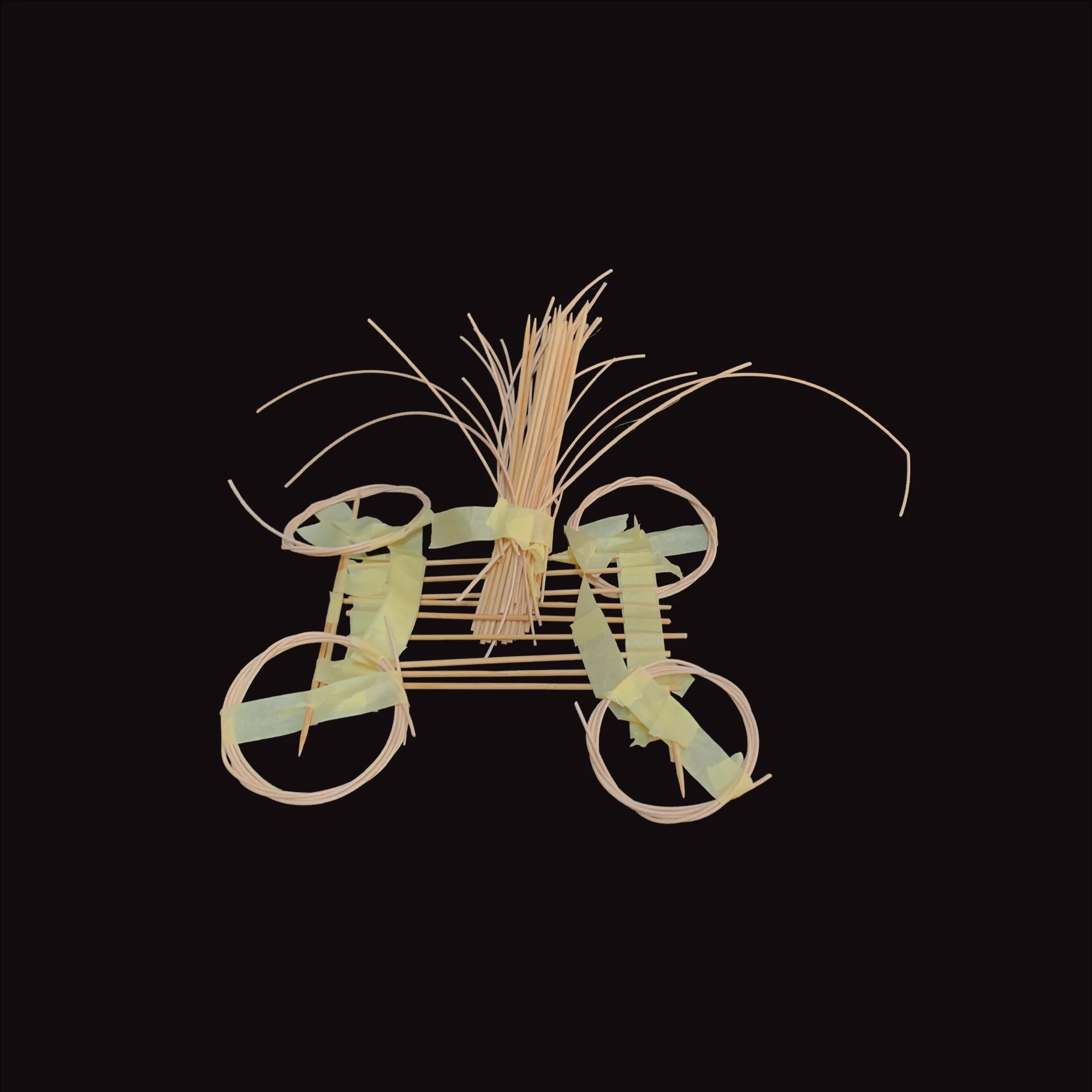
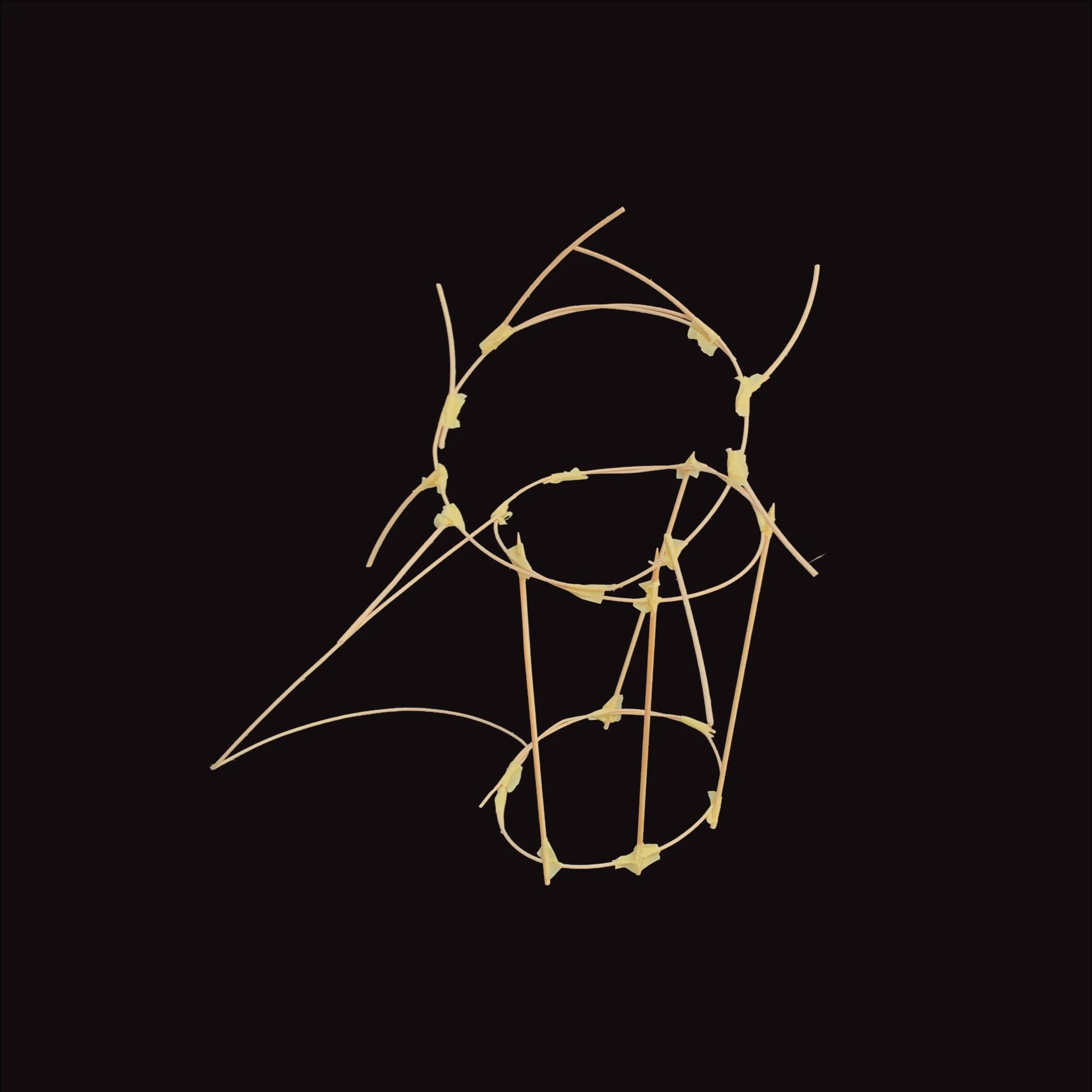
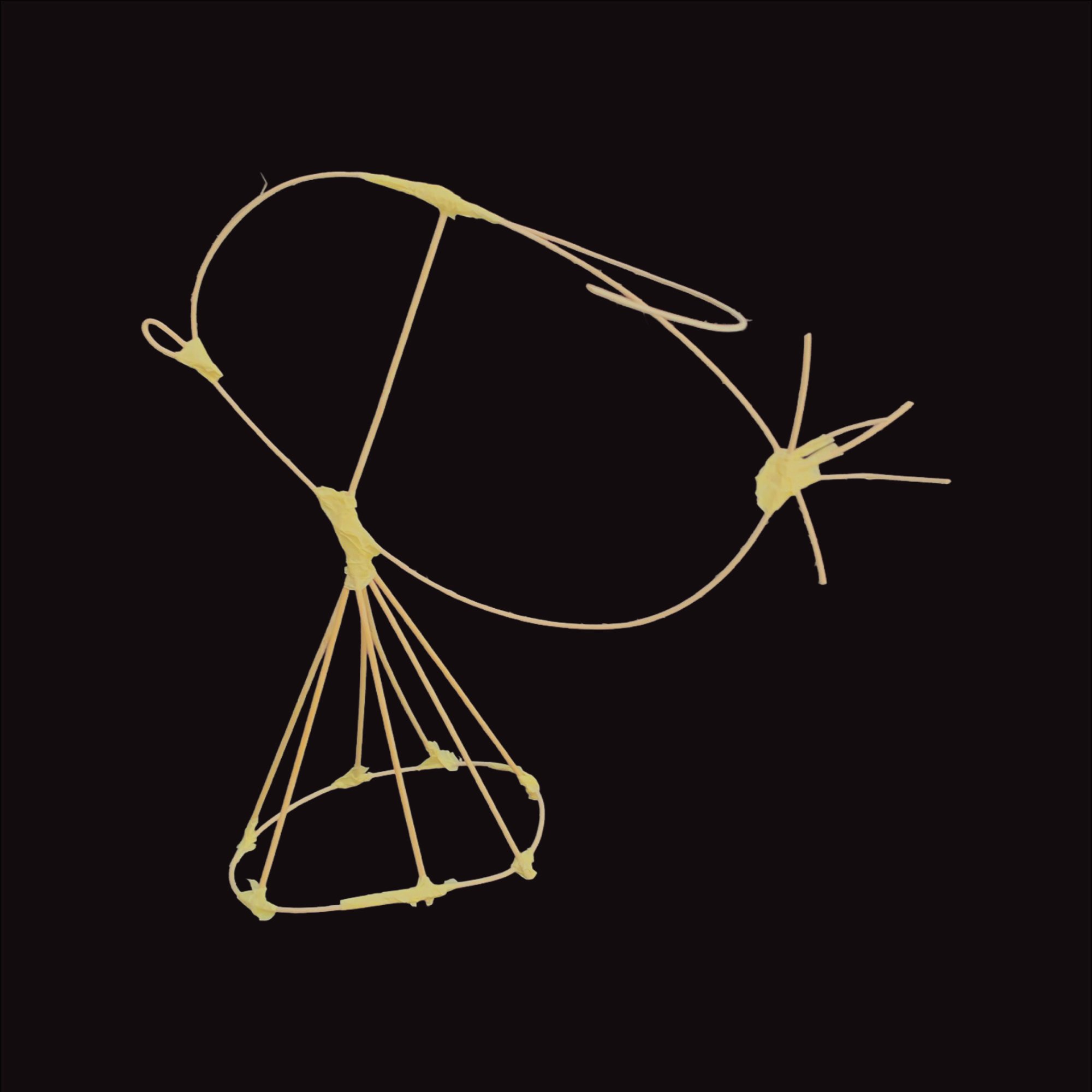
Through three stages of form-making games, children used their imagination to freely express the themes they drew, working with paper tape, bamboo skewers, and rattan core. At the end of each stage, they took turns presenting their work at the front, while classmates guessed what each piece represented based on the form.
#imagination
The deliberately low skill threshold allows for creative freedom, ensuring that technical ability or perfection does not limit imagination.
#art creation
Everyone can express themselves like an artist, using various materials and forms. Through a drawing-lots activity, participants repeat the exercise three times, each round introducing variation and playful challenges.
#art appreciation
Practice looking at anything with the eye of an art appreciator: observe the features of a work, connect them to your own experiences and imagination, and in doing so, receive insights and evoke feelings.
創意造形工作坊
三個階段的造形遊戲,孩子們要發揮自己的想像力,用紙膠帶、竹籤和藤芯來自由表現自己所抽到的主題。每個階段完成時,輪流到台前展示自己的作品,讓台下同學根據作品來猜猜看自己做的是什麼。
#鼓勵想像
刻意安排的低執行門檻,帶來創作的自由度,不讓技術與完整度來限制想像。
#藝術創作
人人都能像藝術家一樣,透過各種媒材與形式表達。透過抽籤,反覆三次具變化與趣味的練習。
#藝術欣賞
練習用欣賞藝術作品的眼光欣賞任何事,從一個作品中的特徵連結自身經驗與想像,從中獲得訊息與觸發感受。
draw lots|create|guess
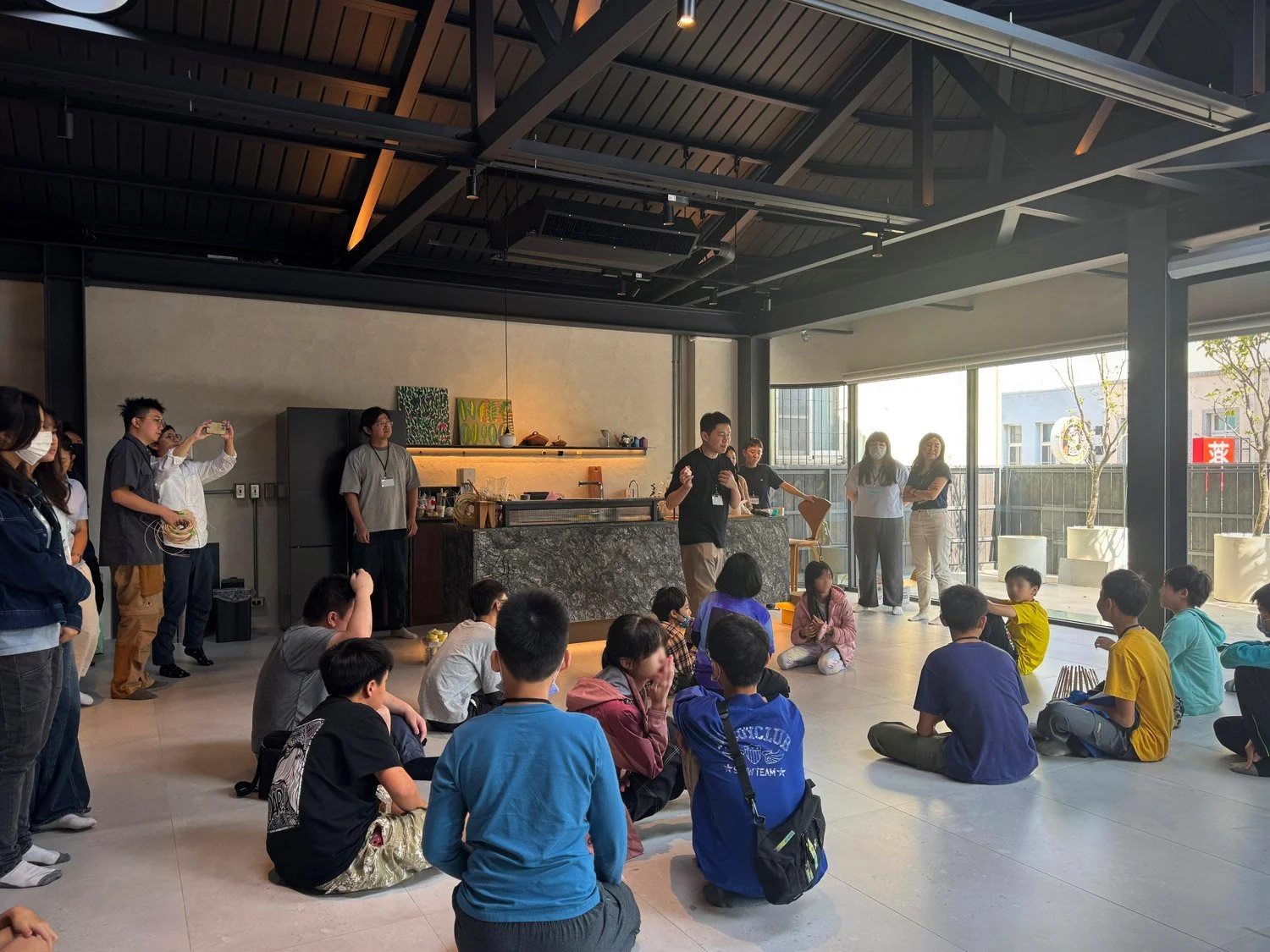
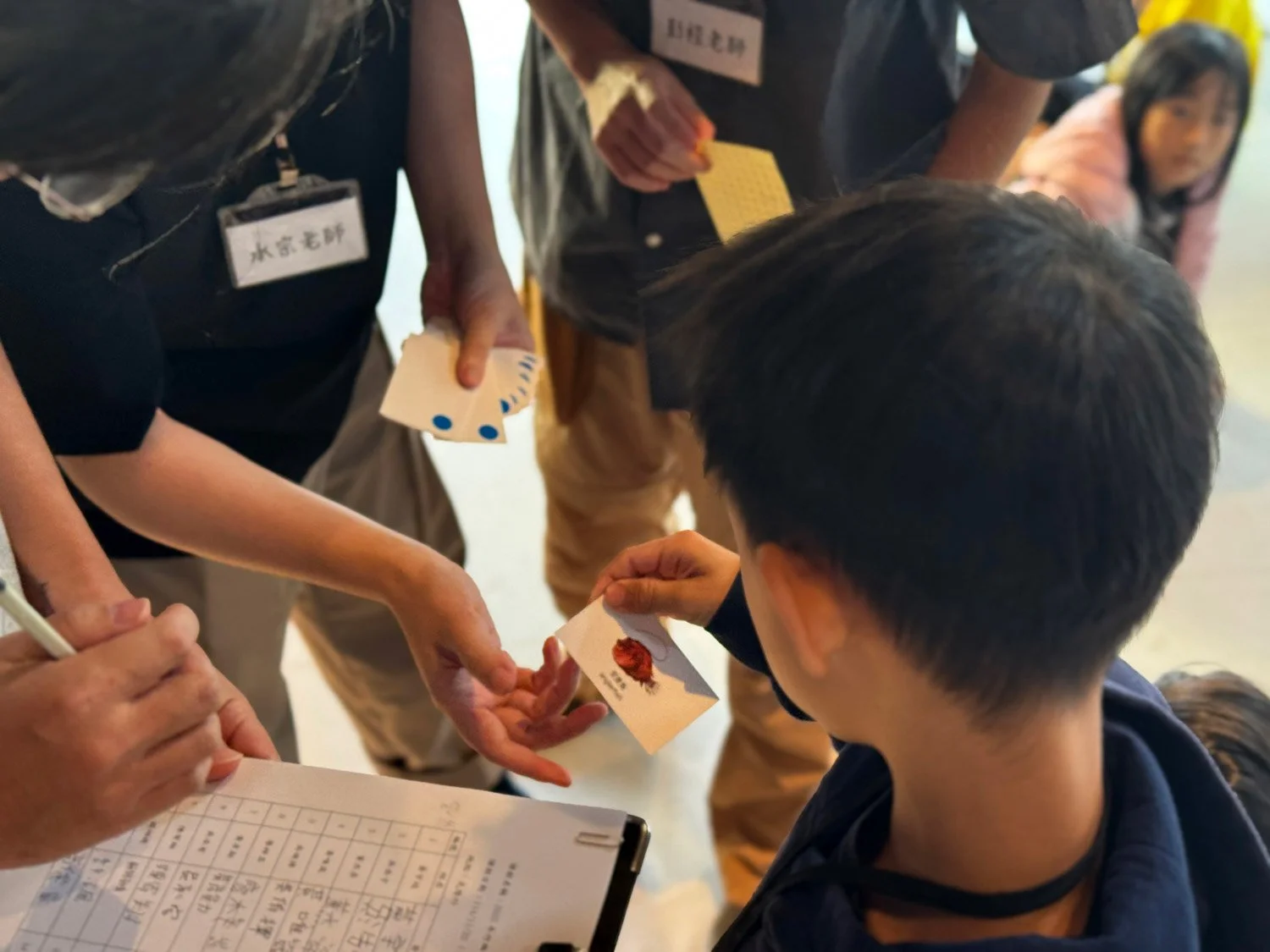
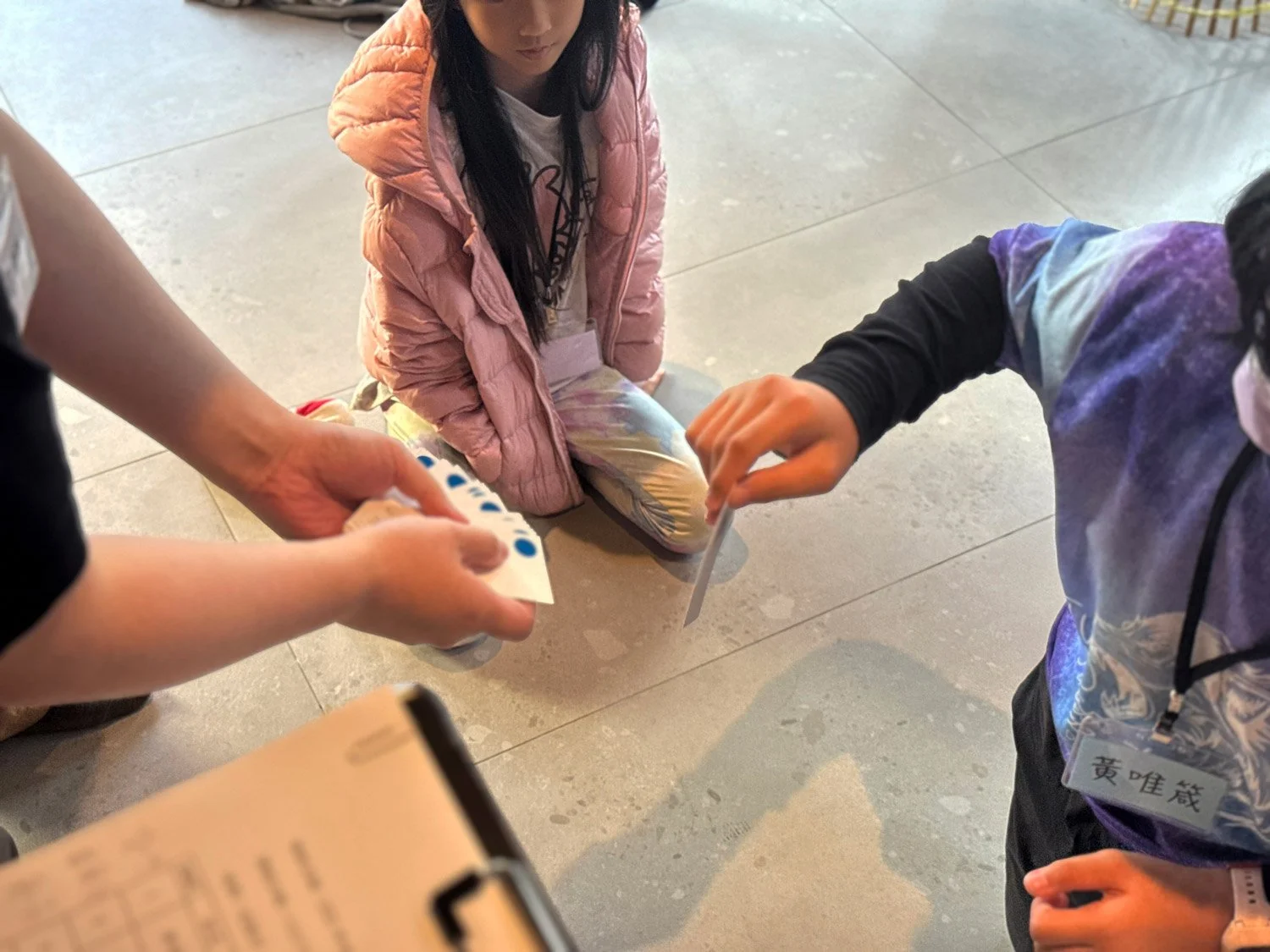
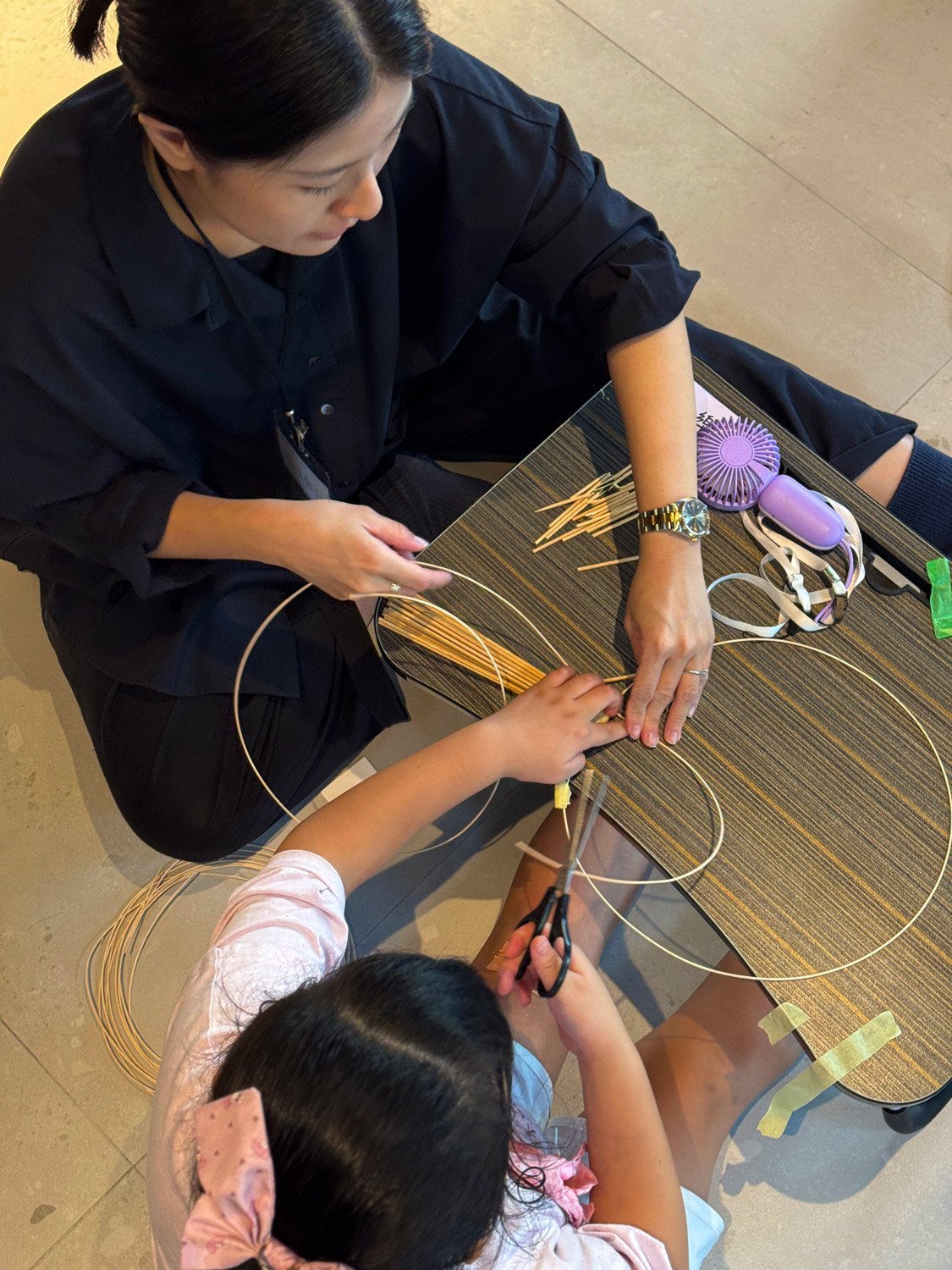
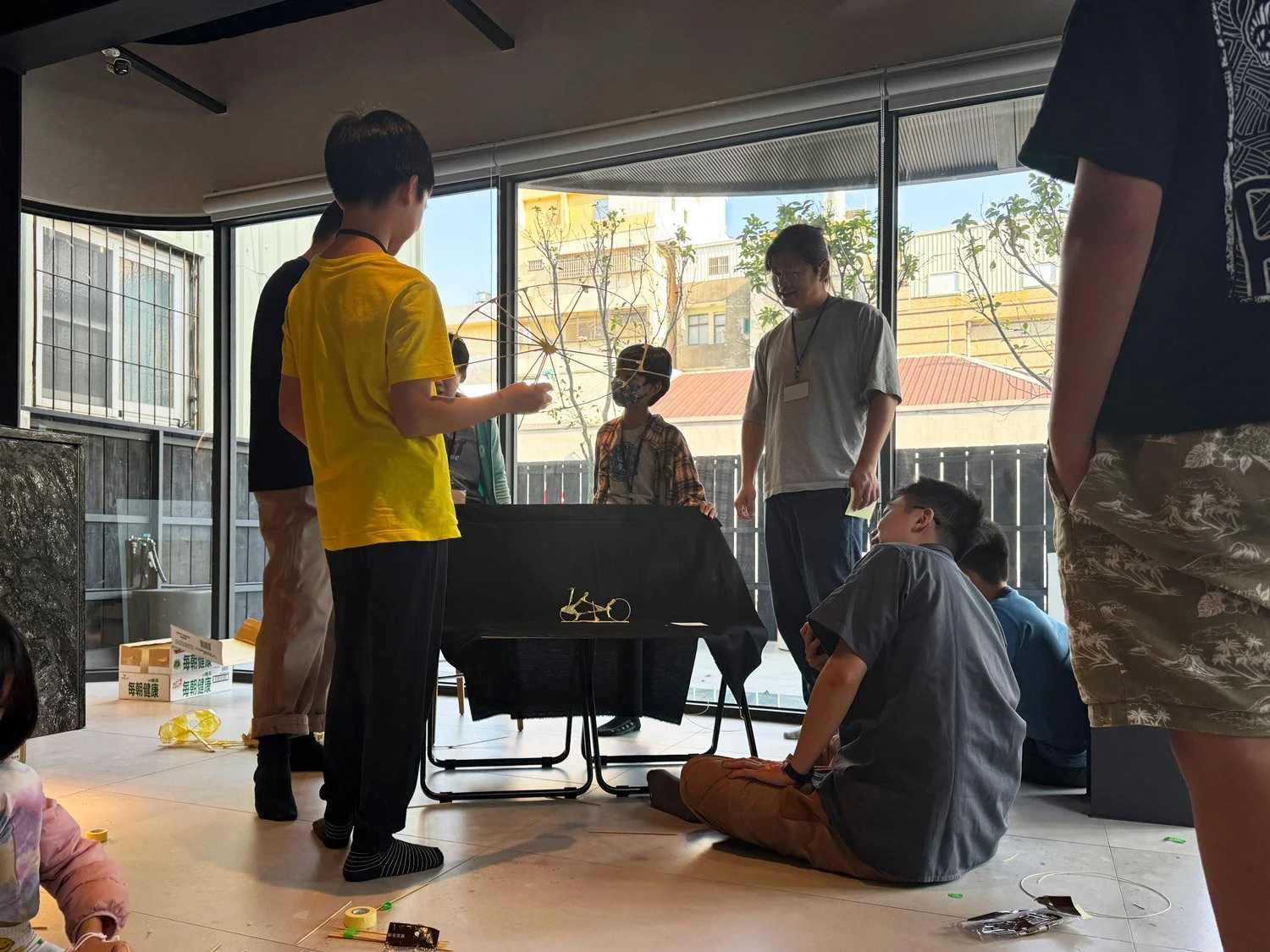
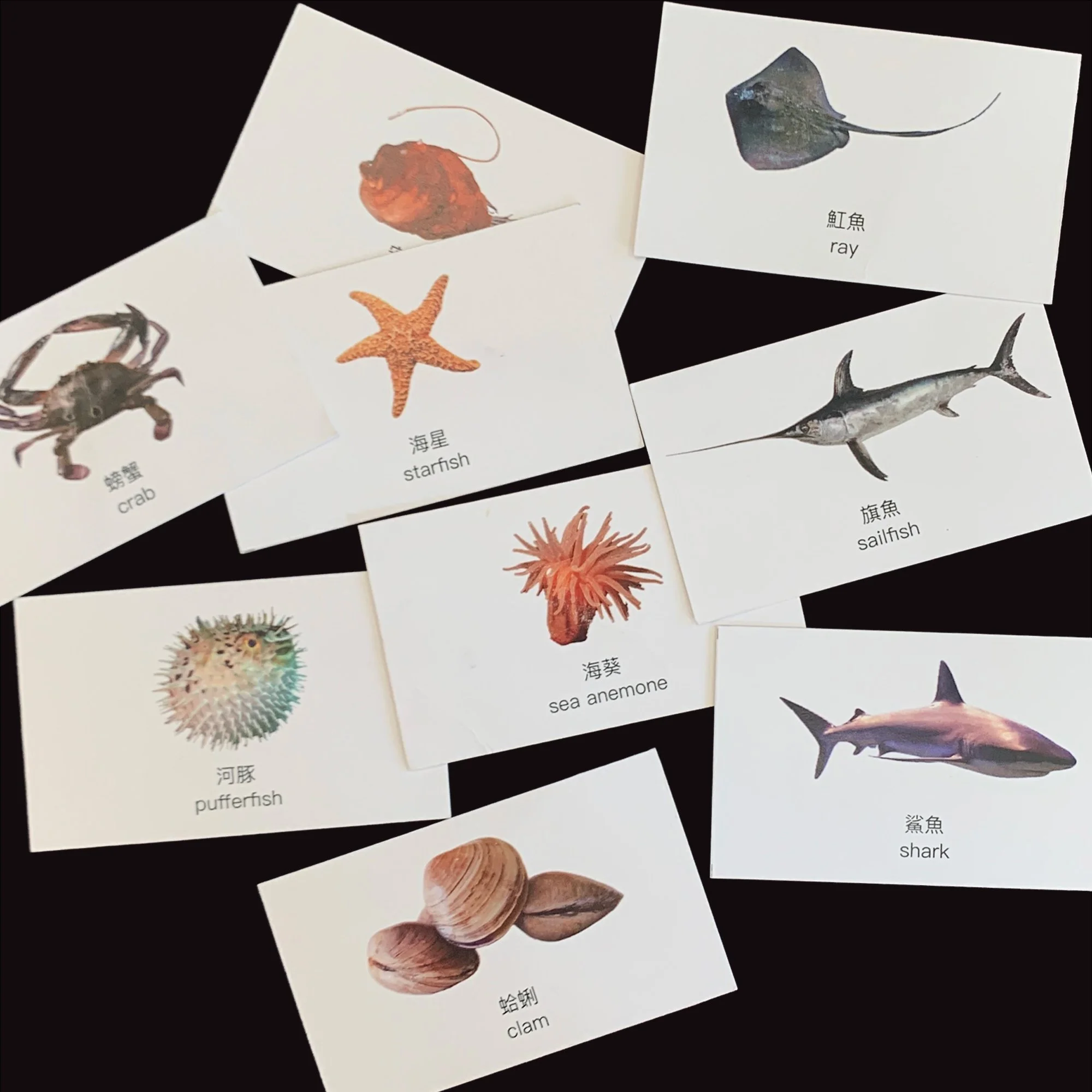
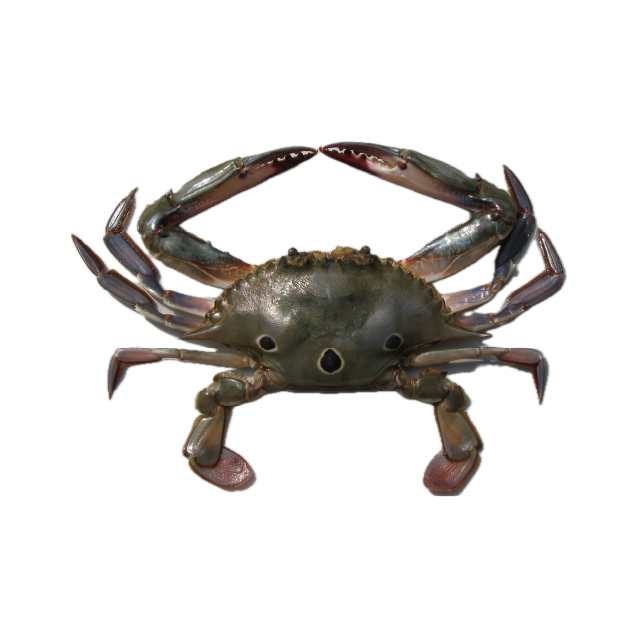
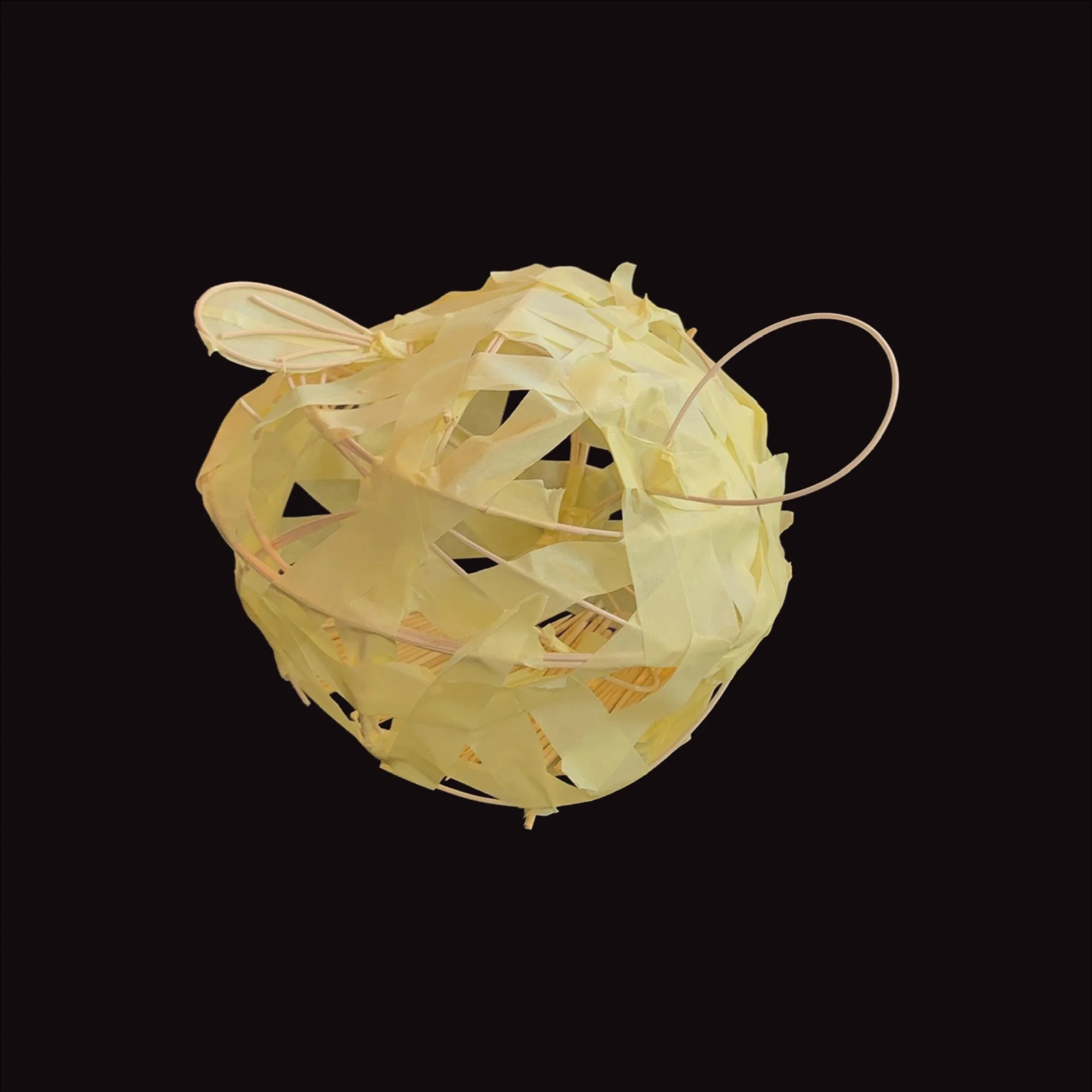
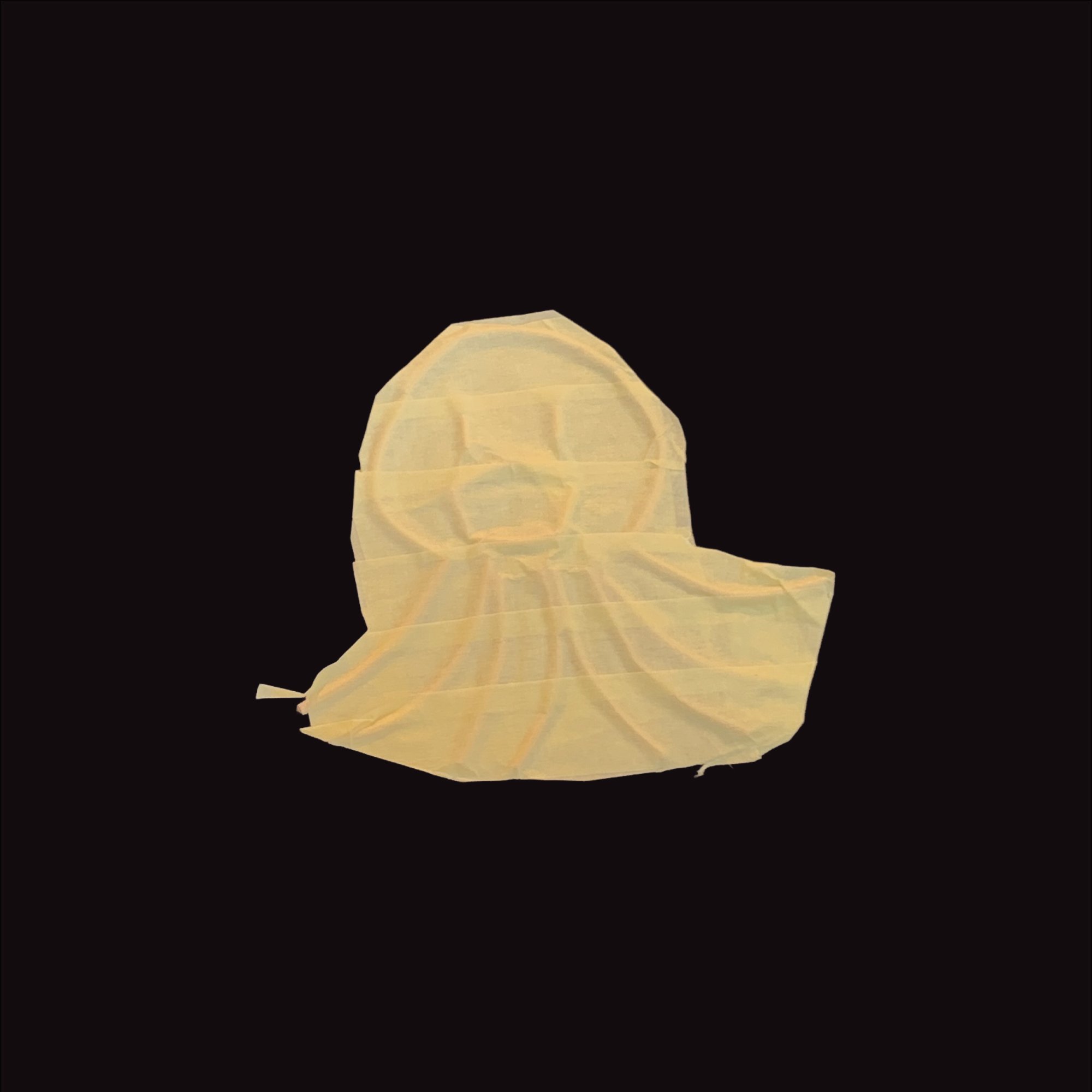
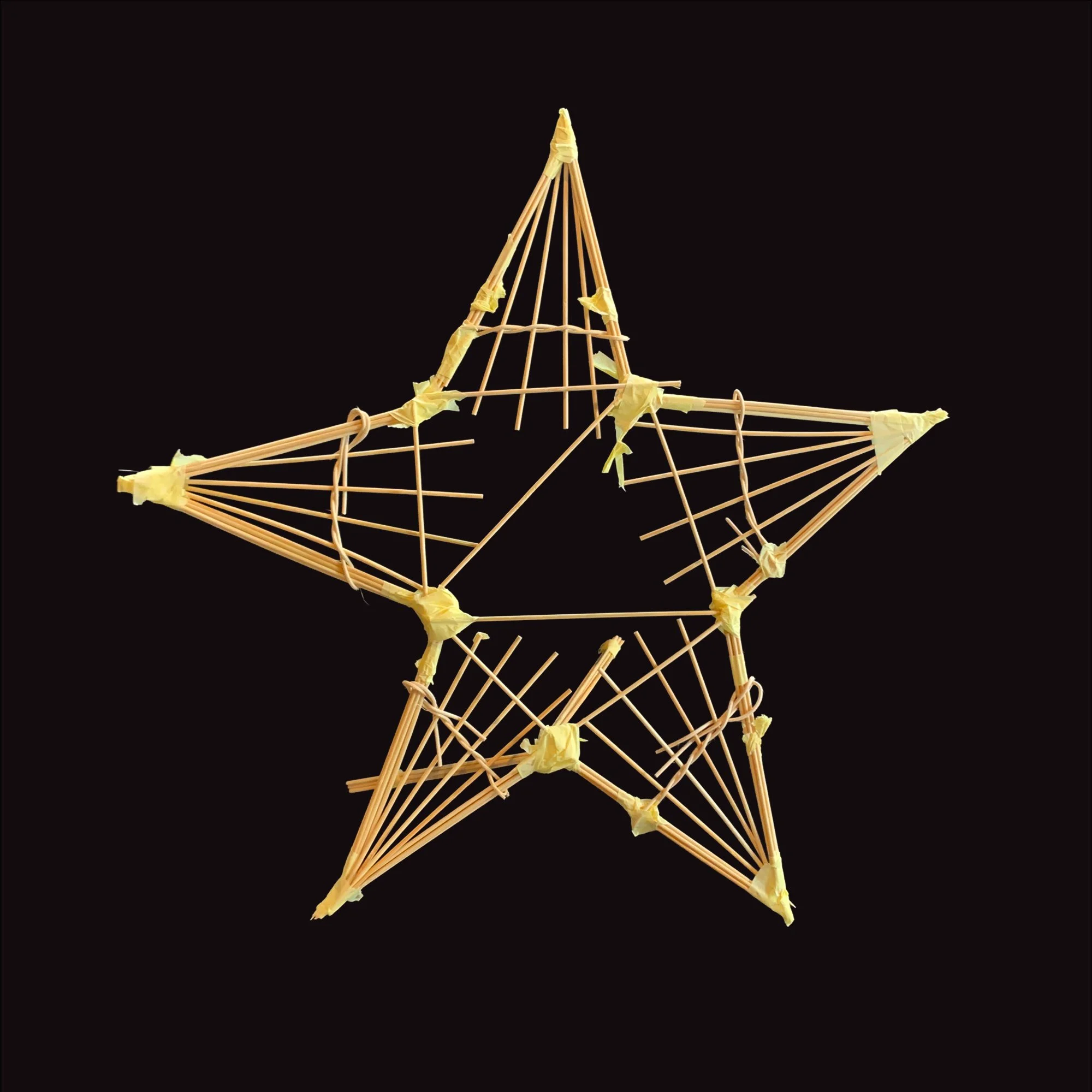
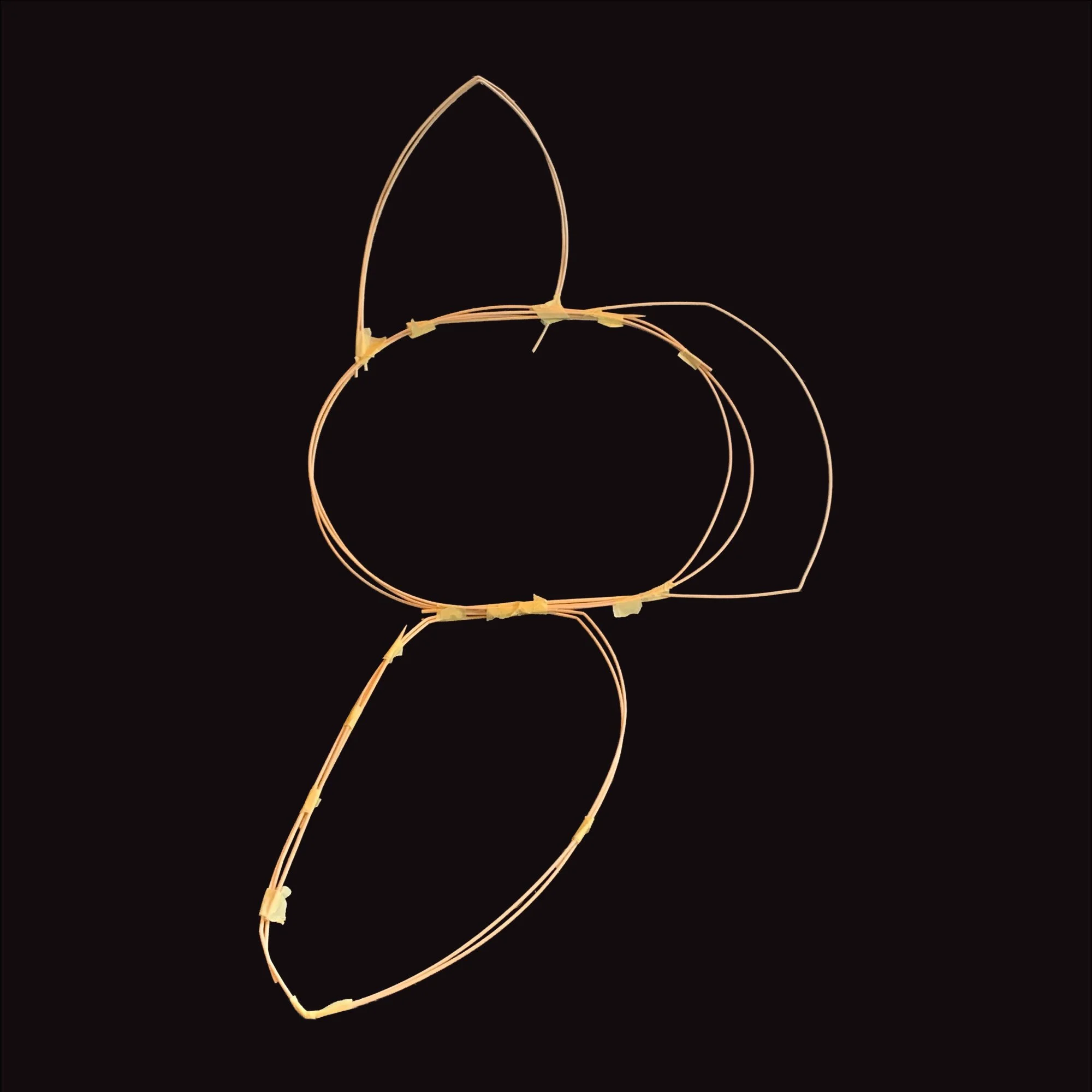
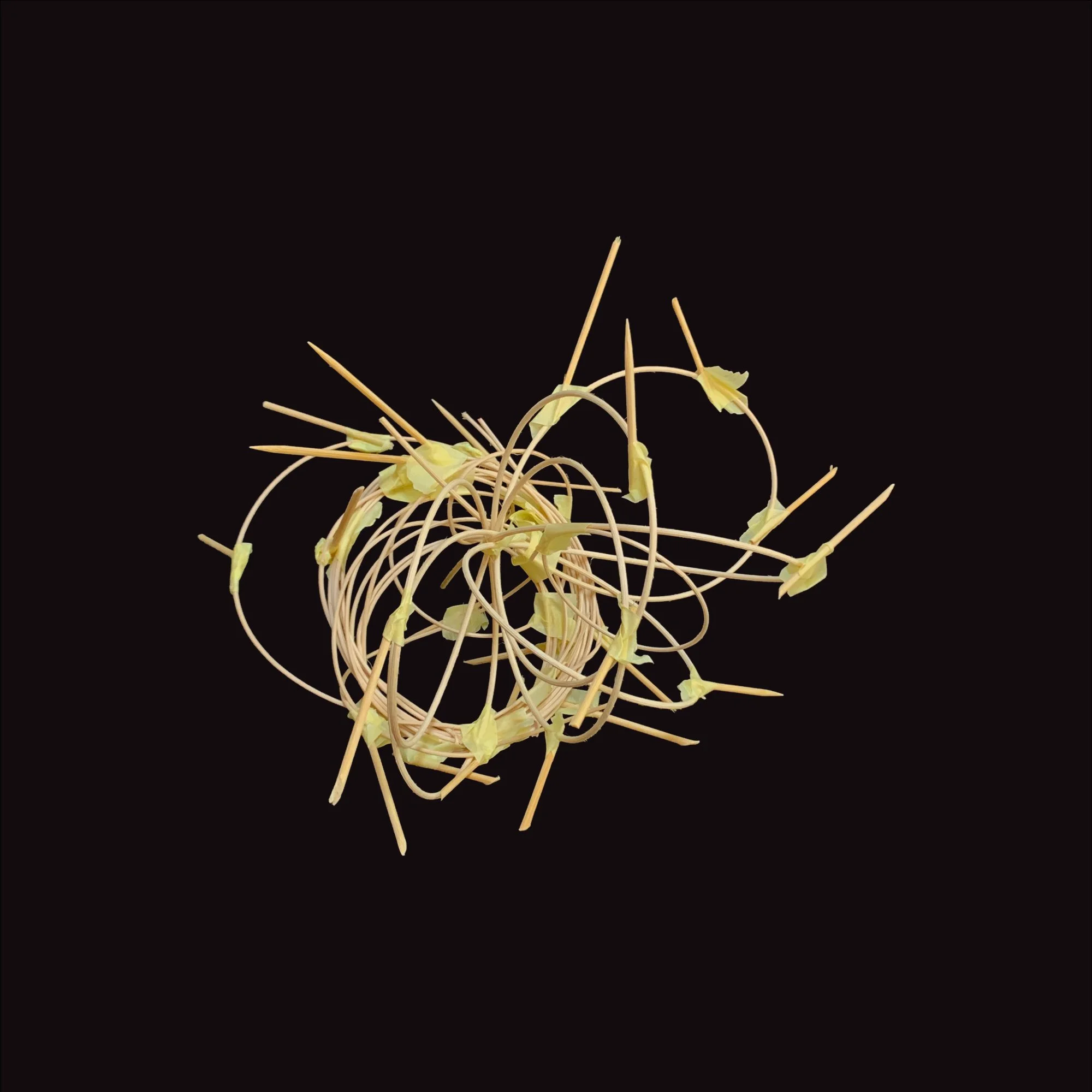
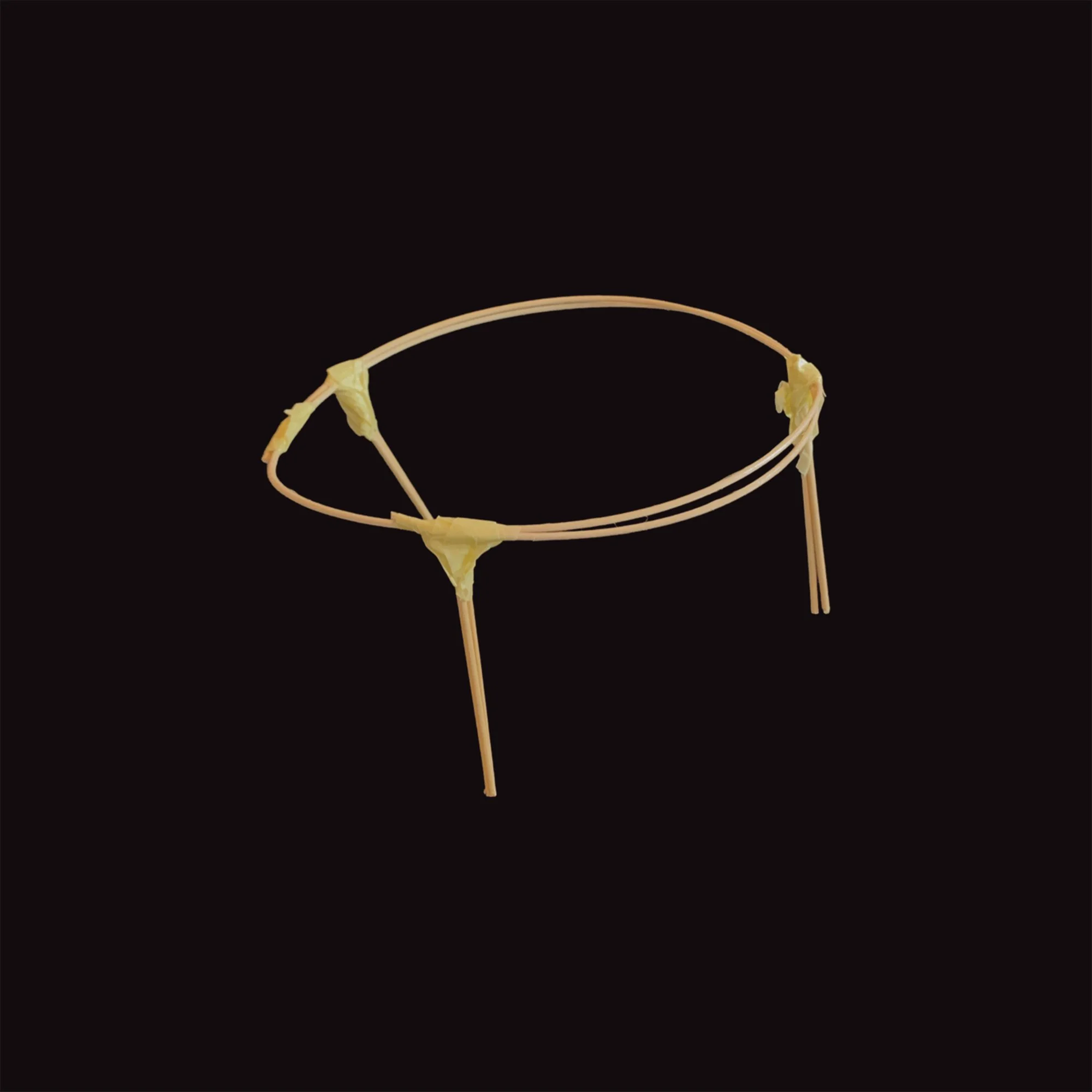
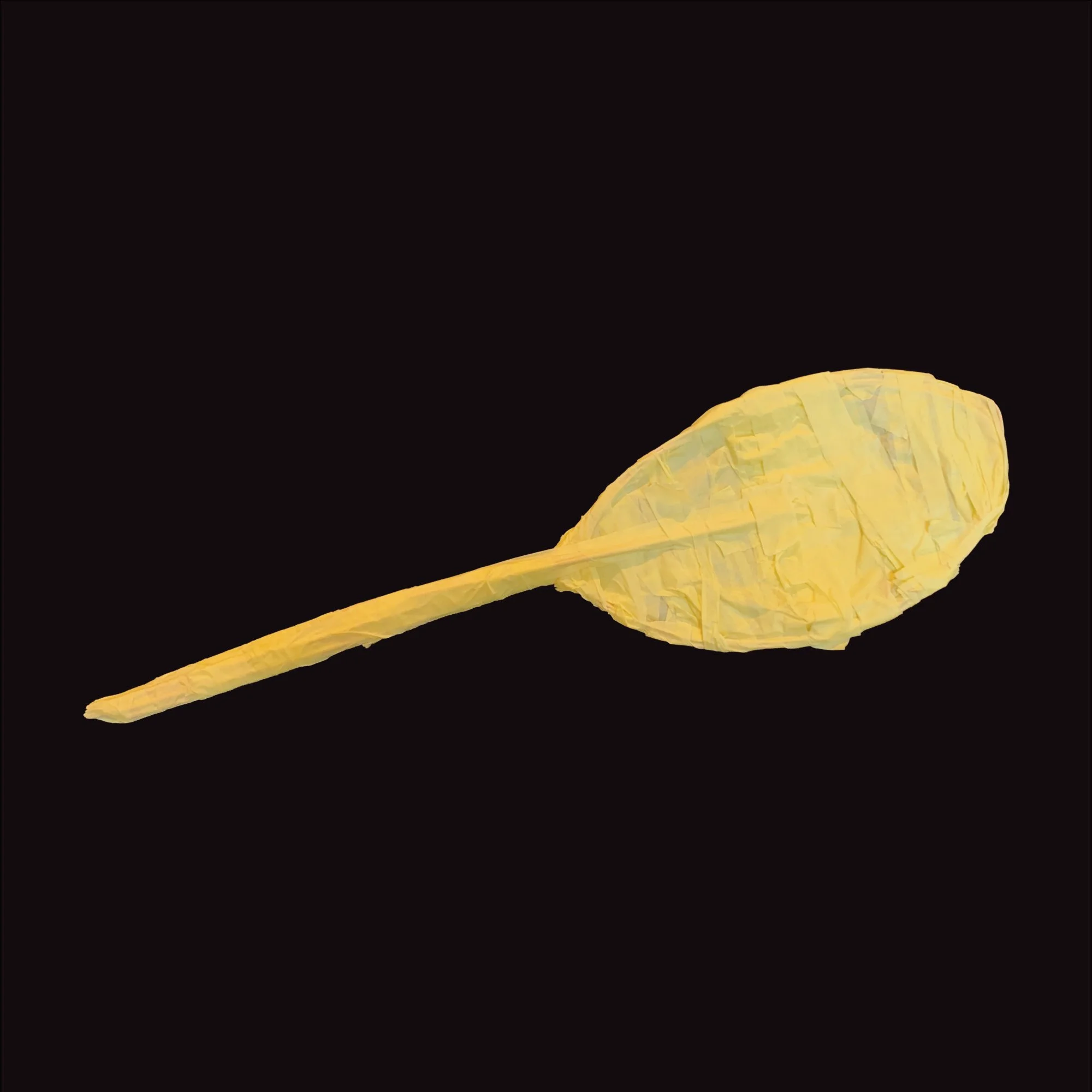
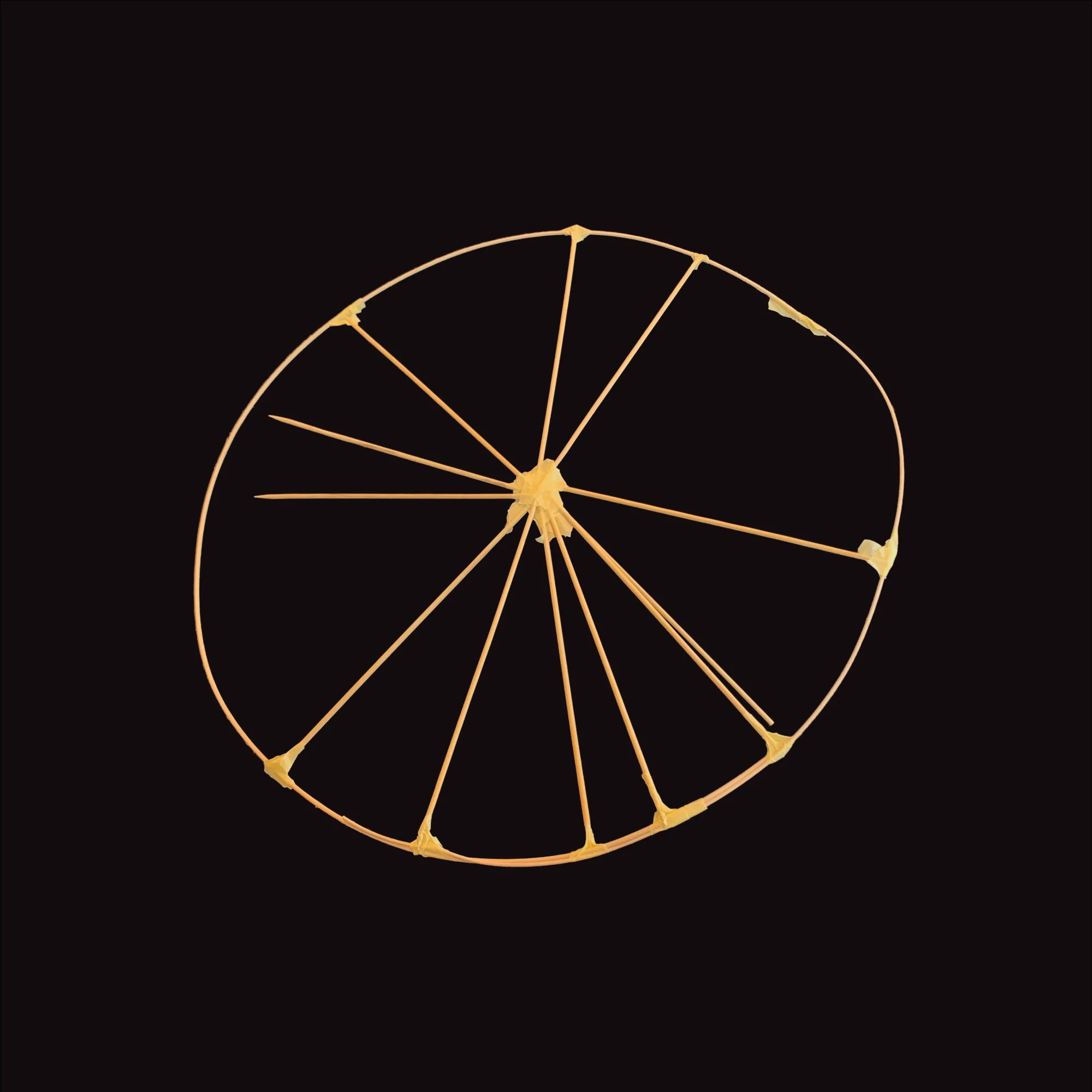
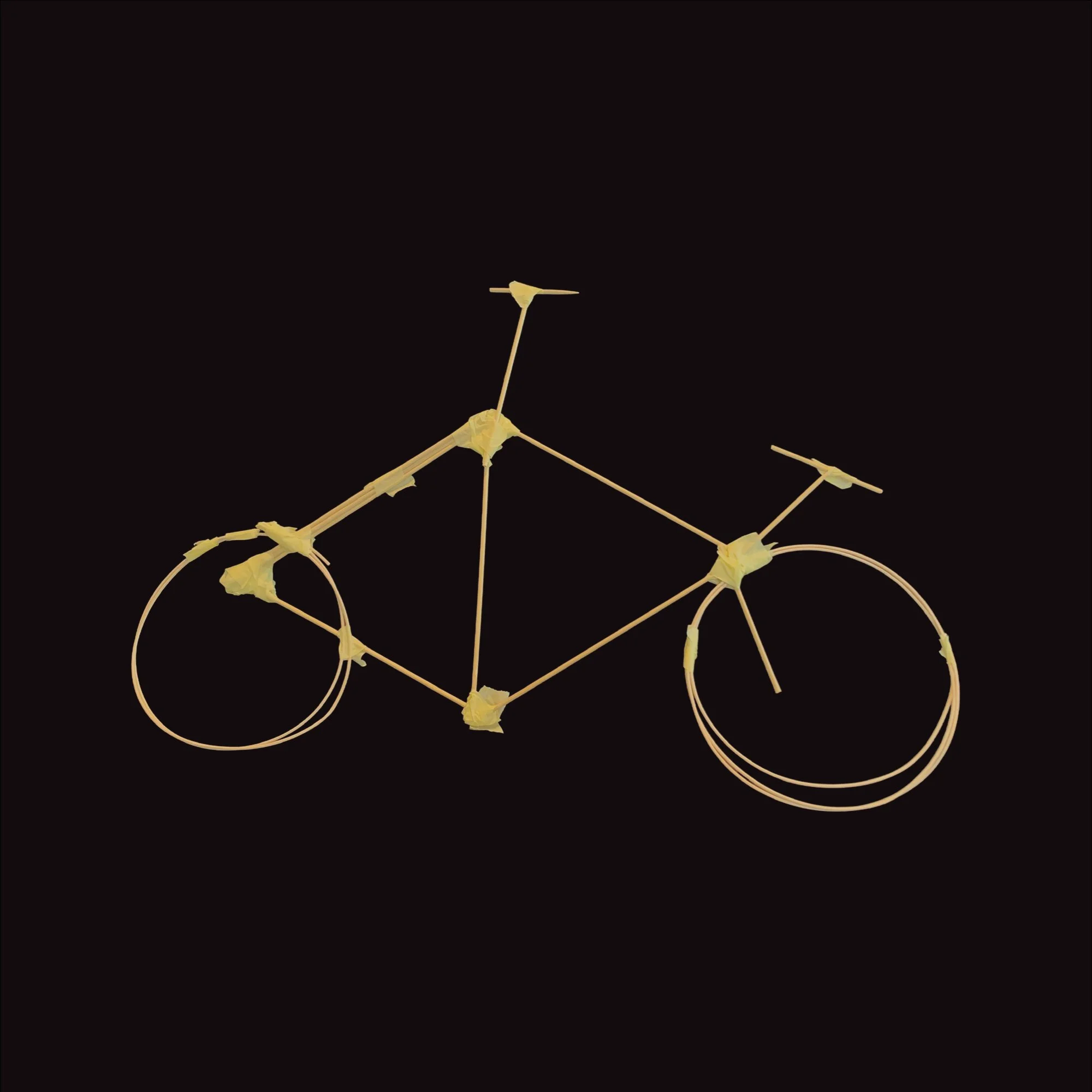
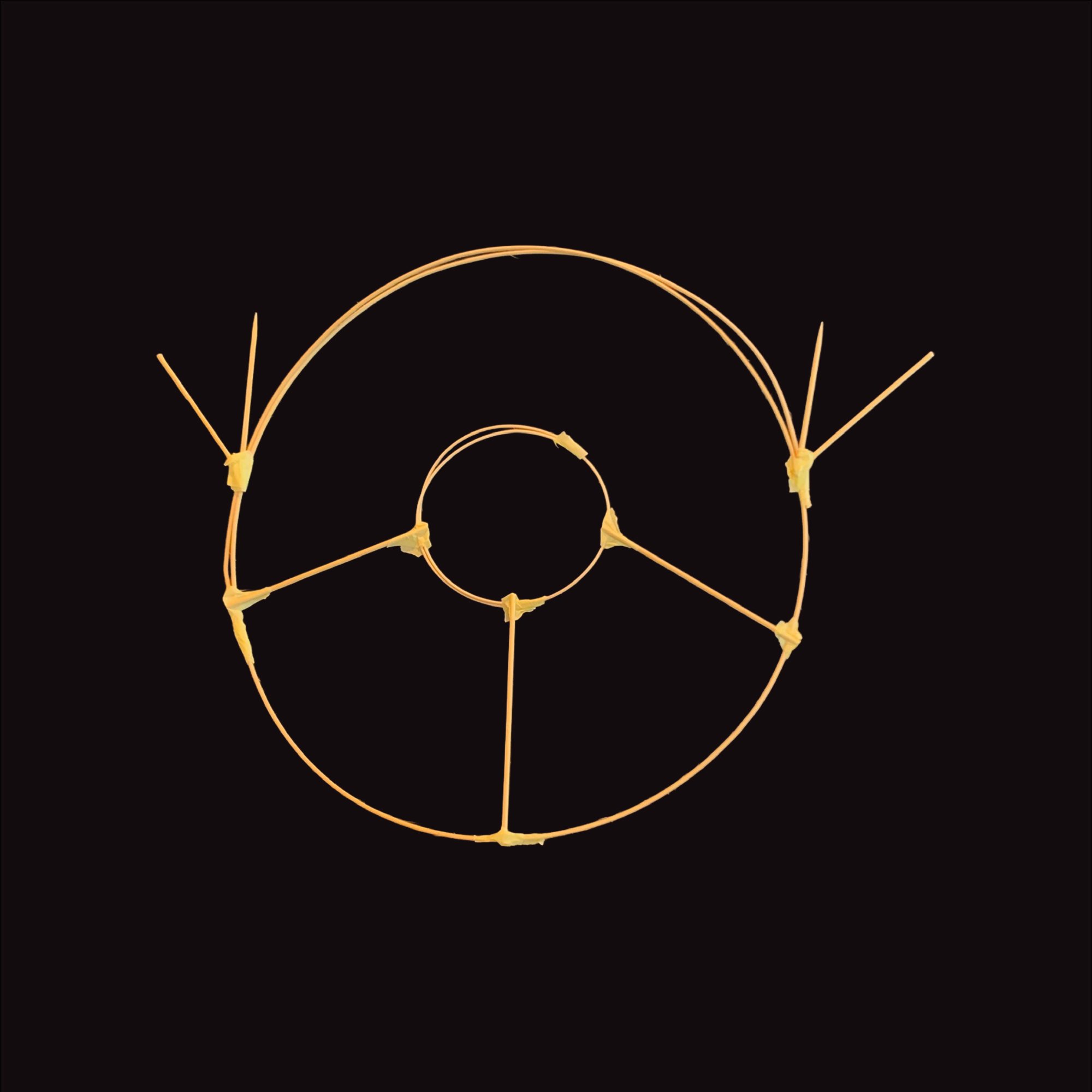
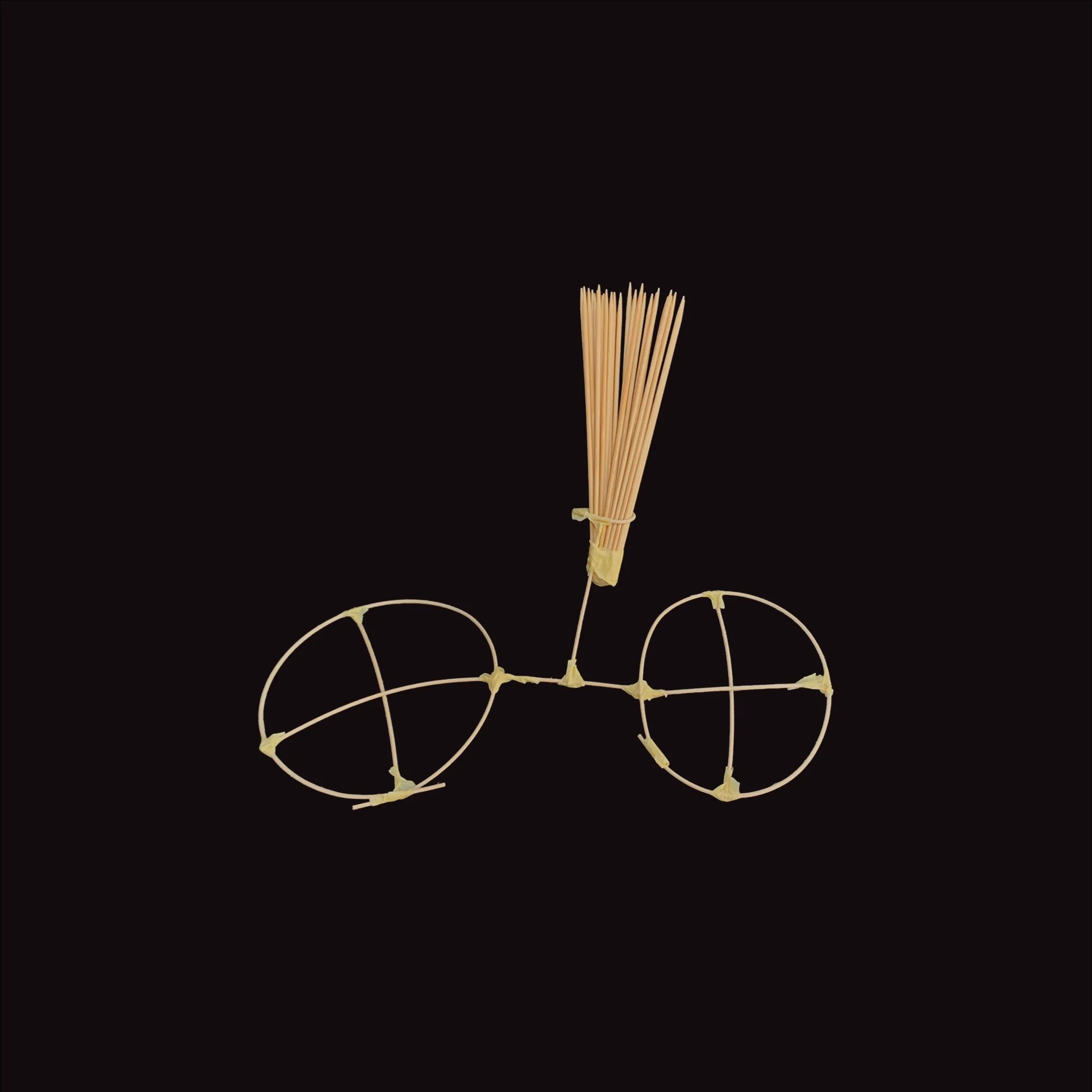
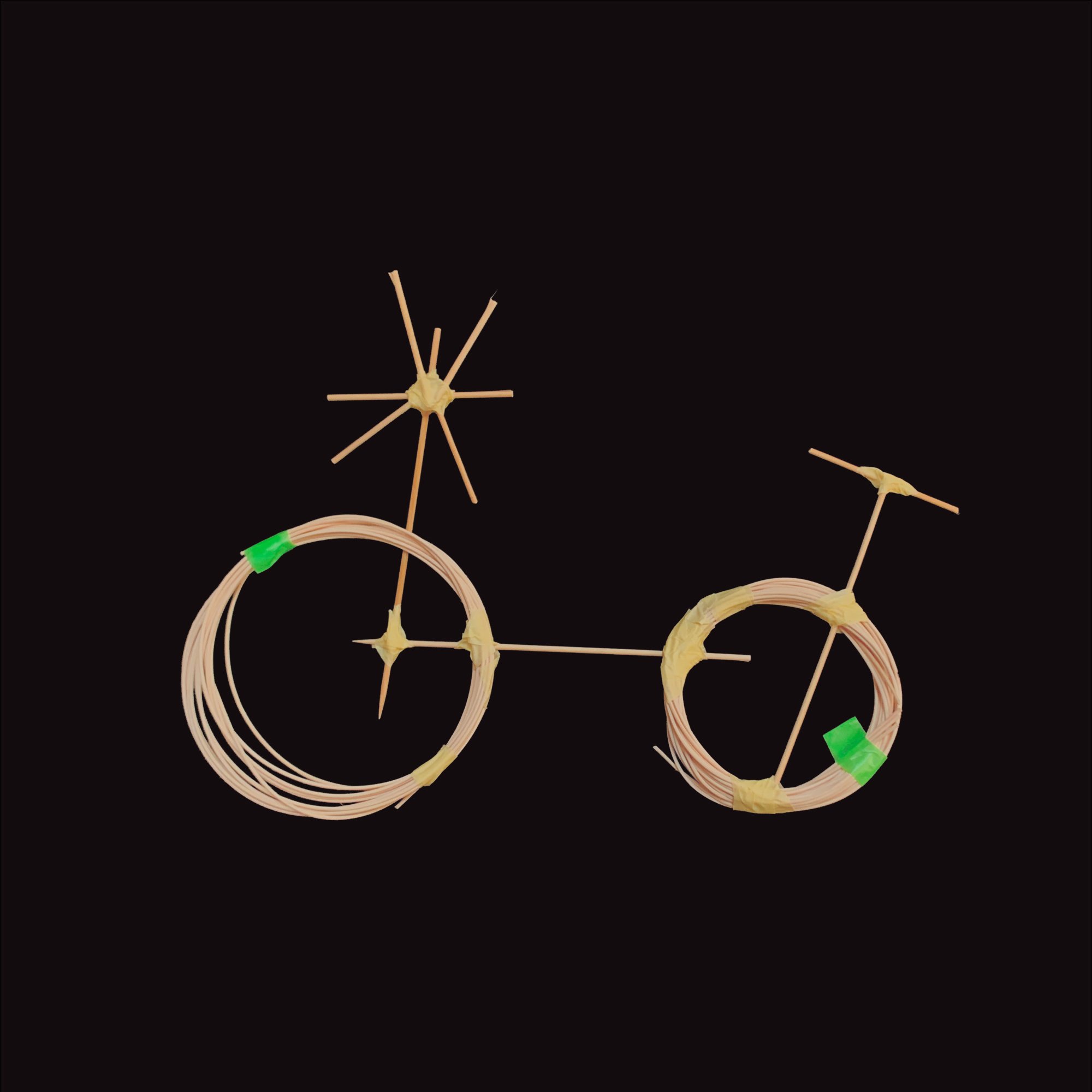
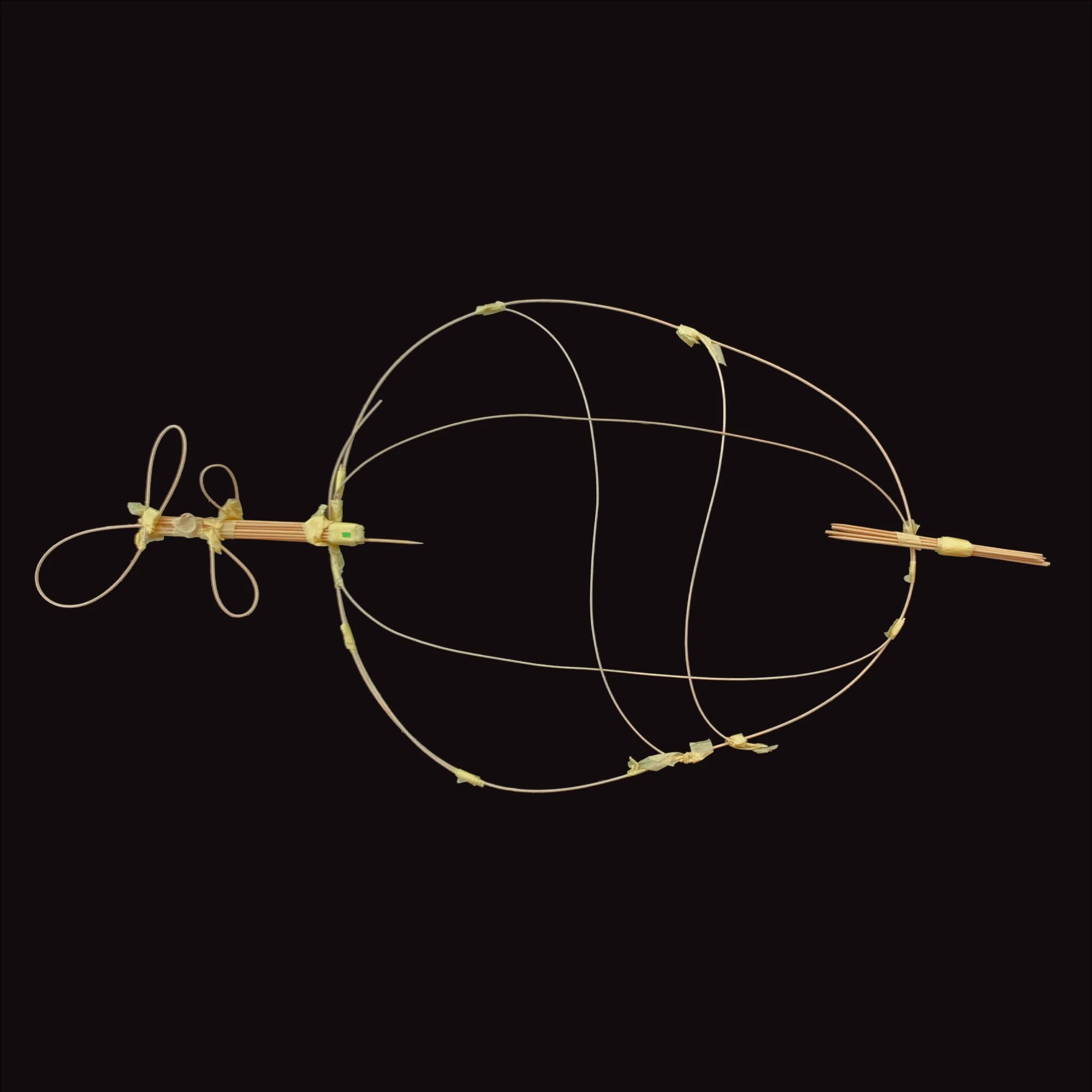
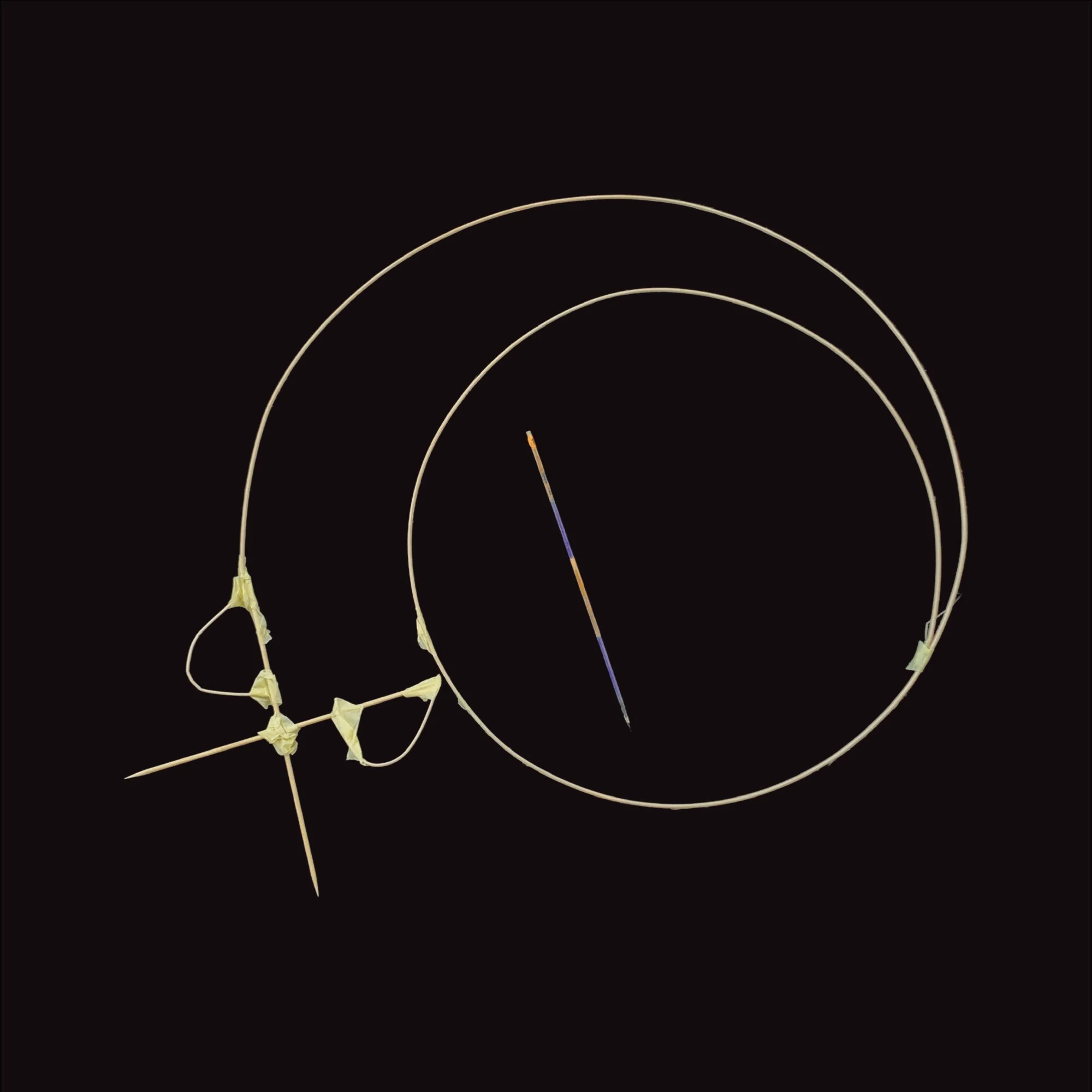
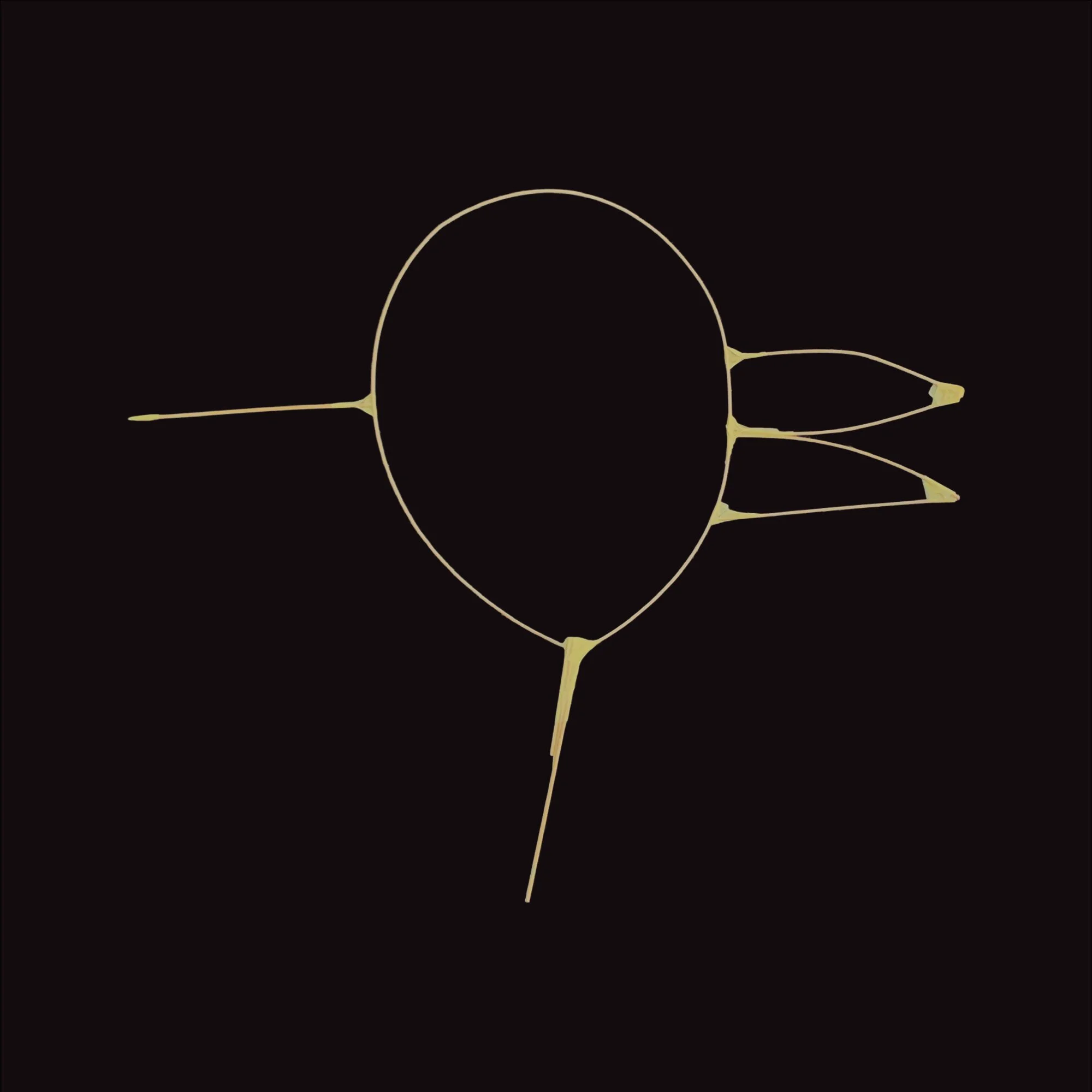
Participants are guided to observe images based on the topics they draw, identify the key features of each creature, and use natural materials of different flexibilities (bamboo skewers and rattan cores) to create three-dimensional forms. Finally, they take turns placing their small works on a mini stage for classmates to guess.
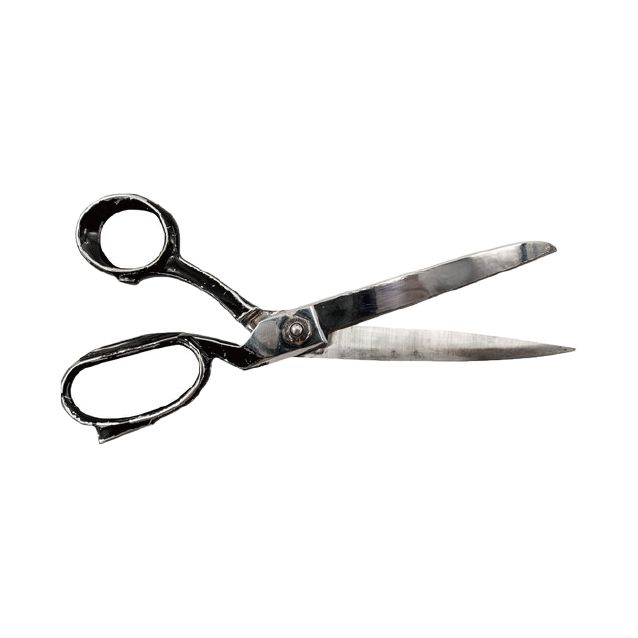
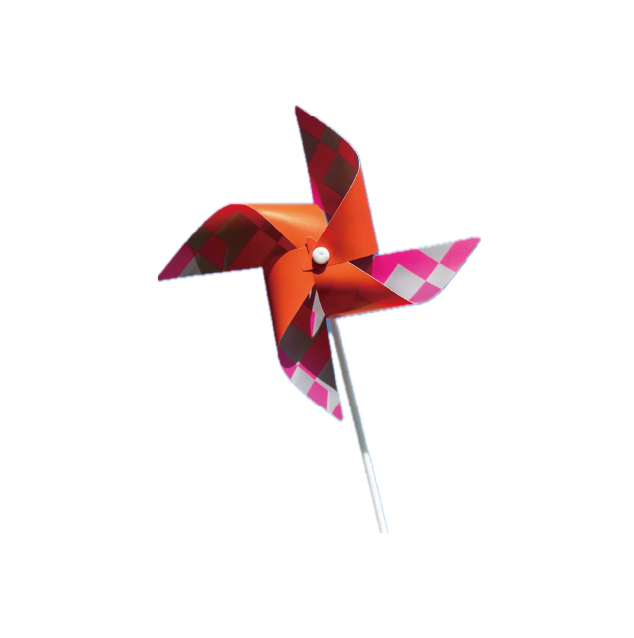
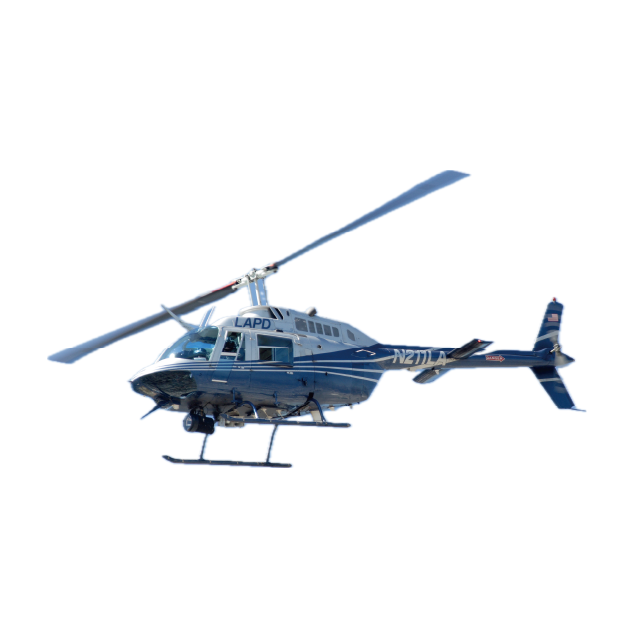
Marine creatures often have organic forms, while man-made objects tend to be geometric and inorganic. Through the making process, participants practice capturing formal vocabulary, and the guessing game stimulates associative thinking.
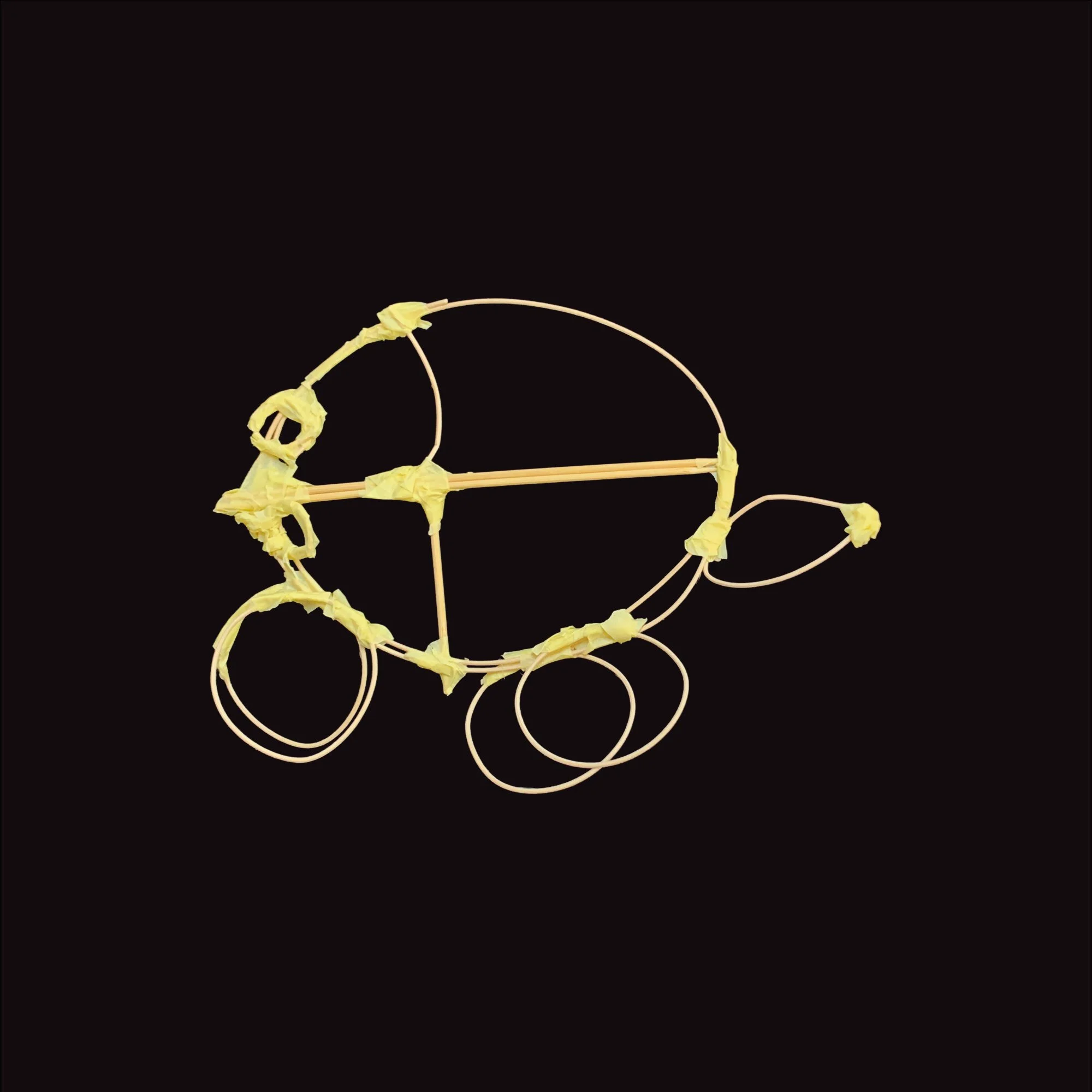
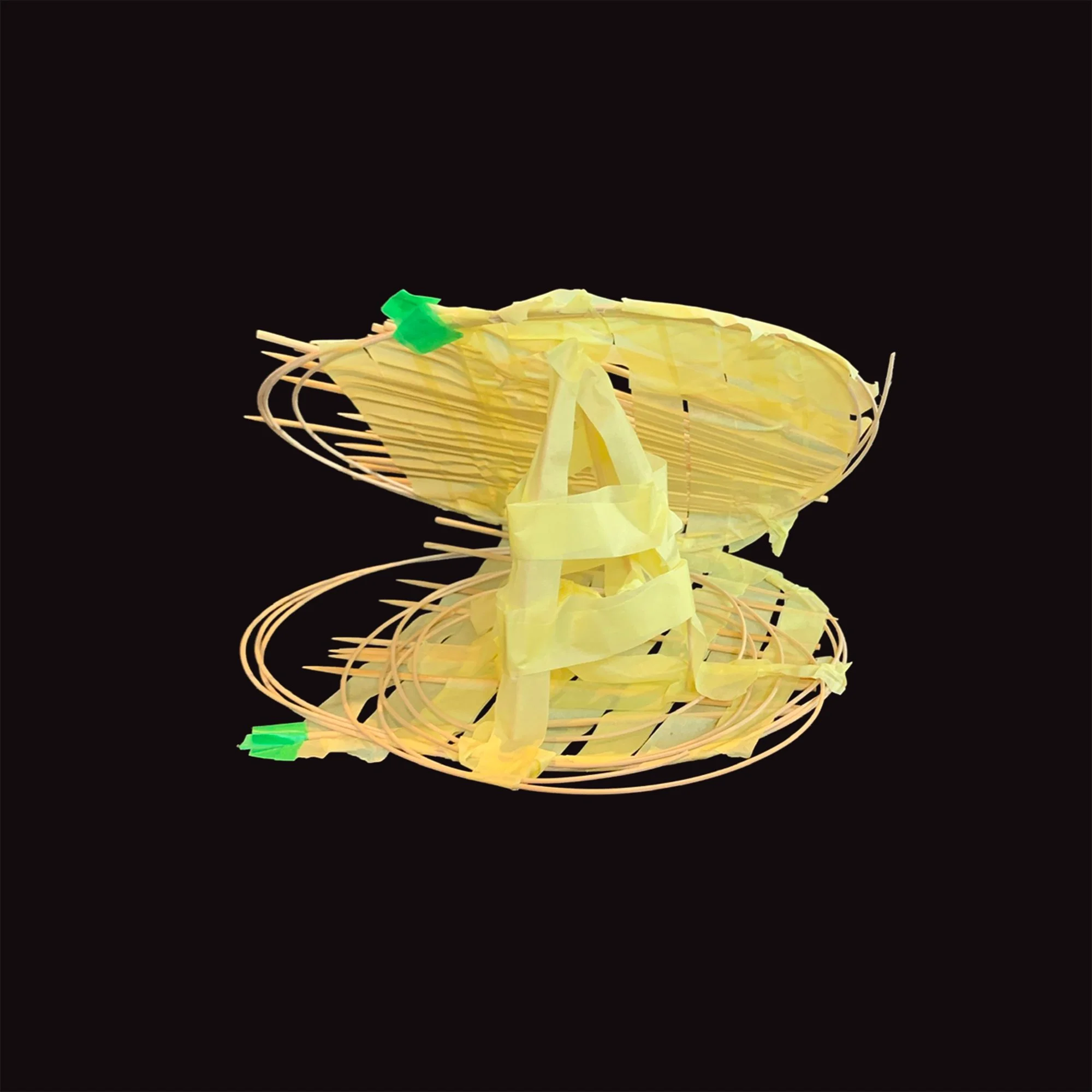
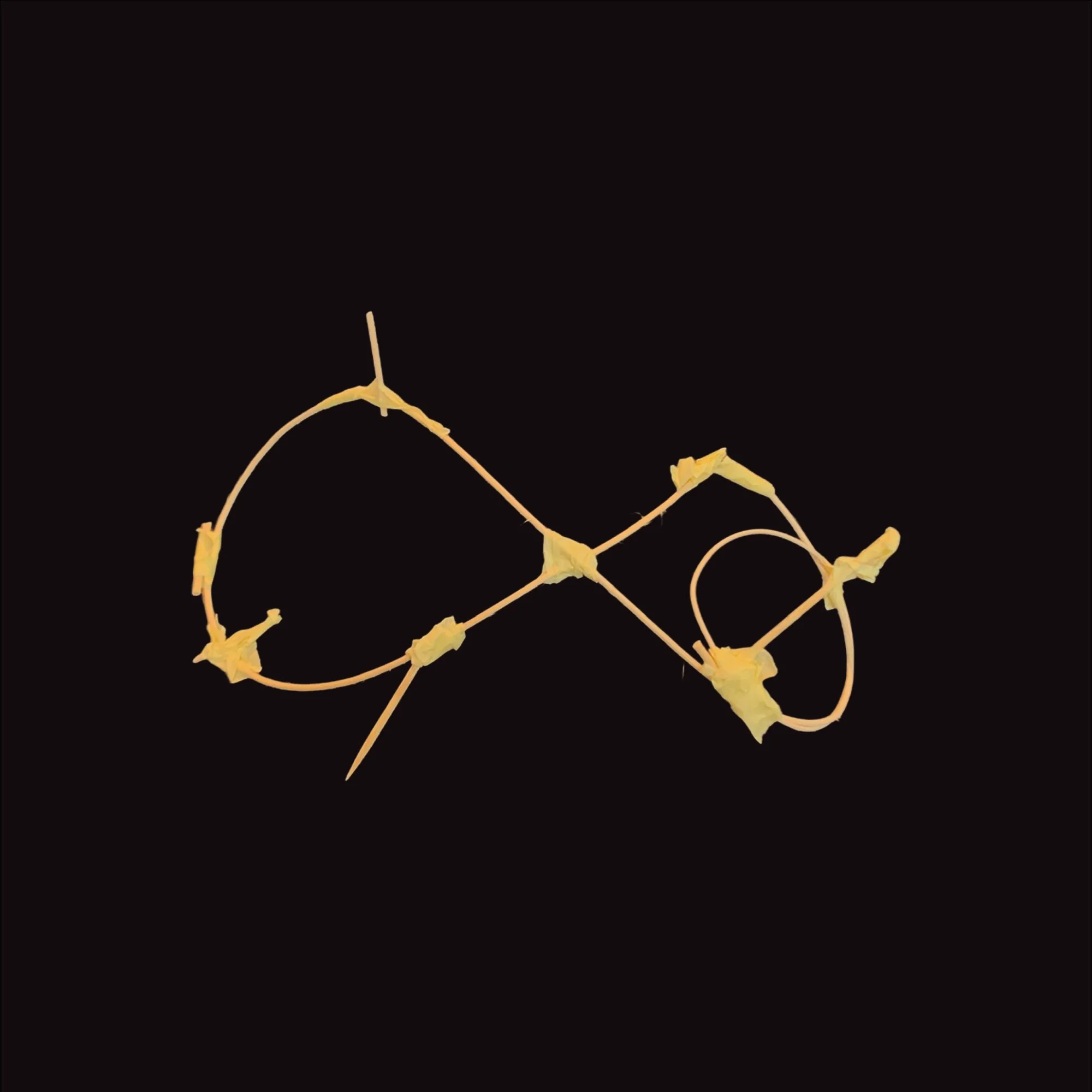
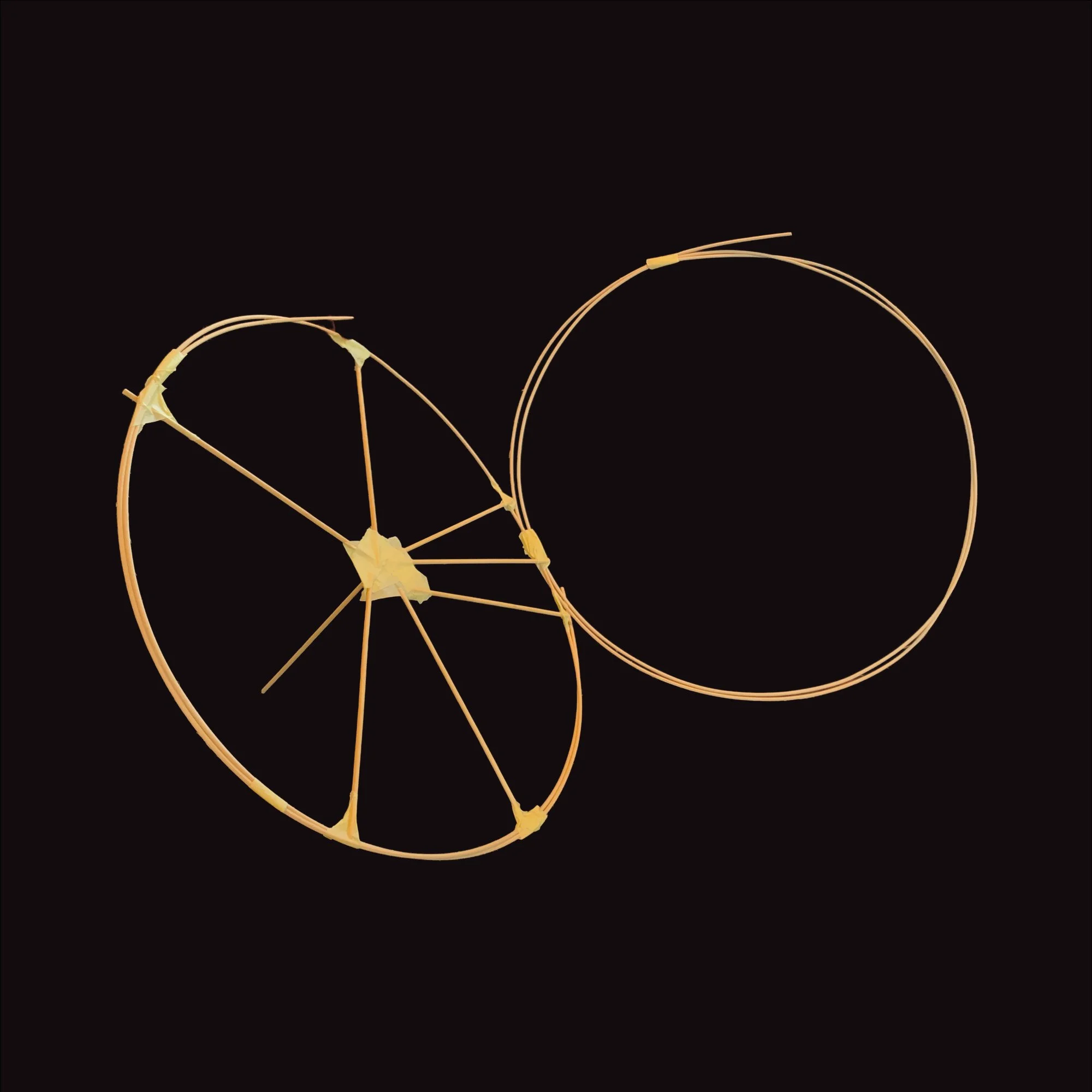
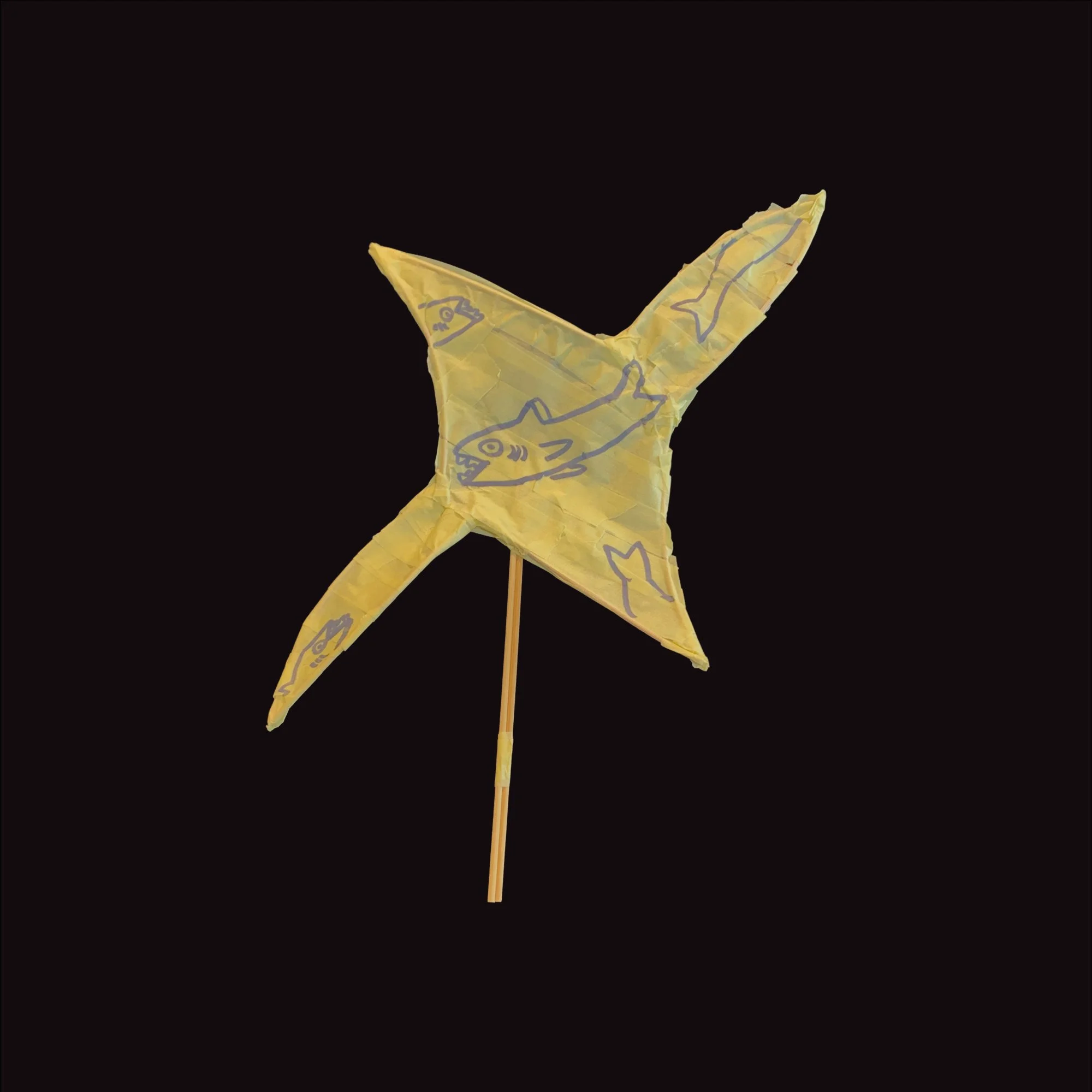
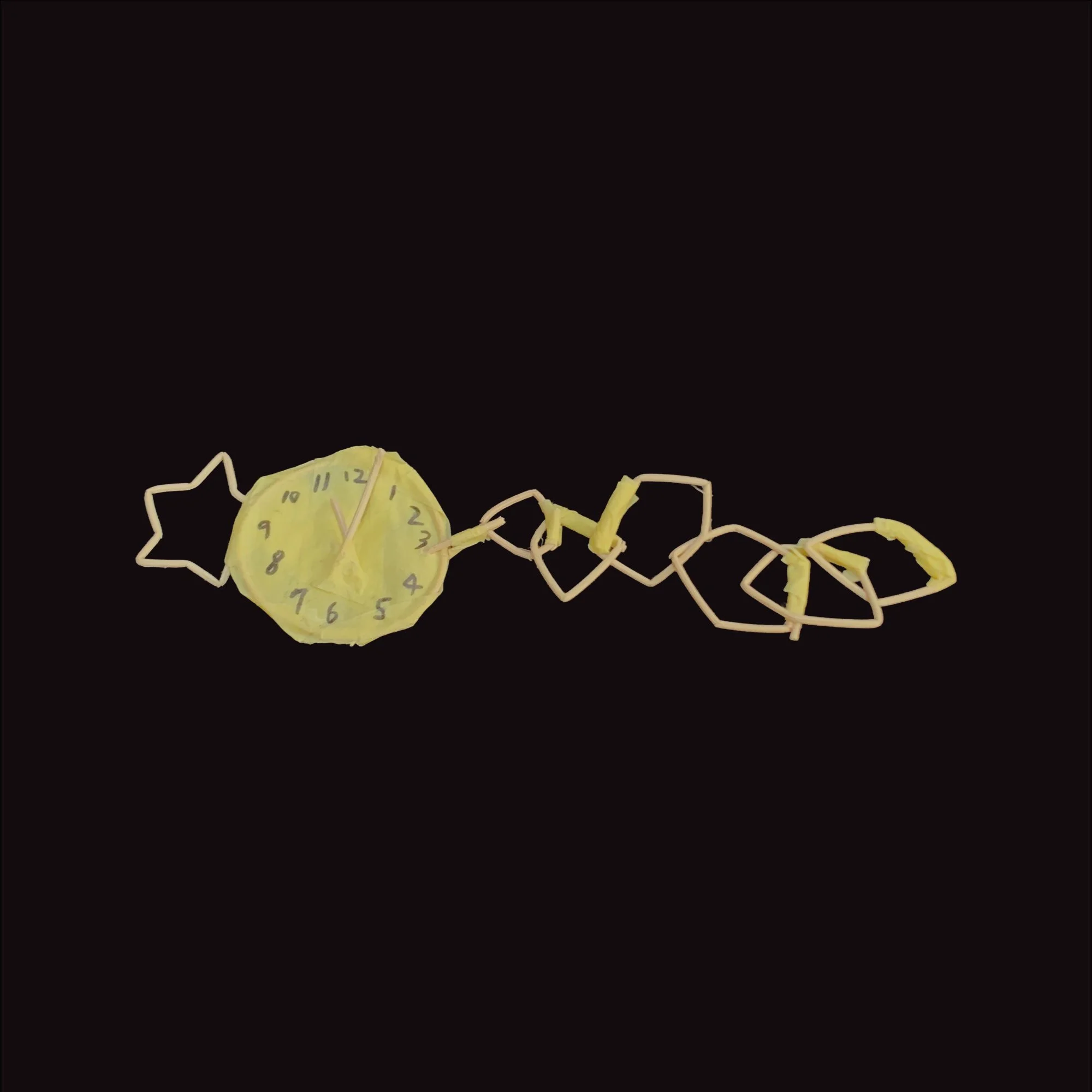
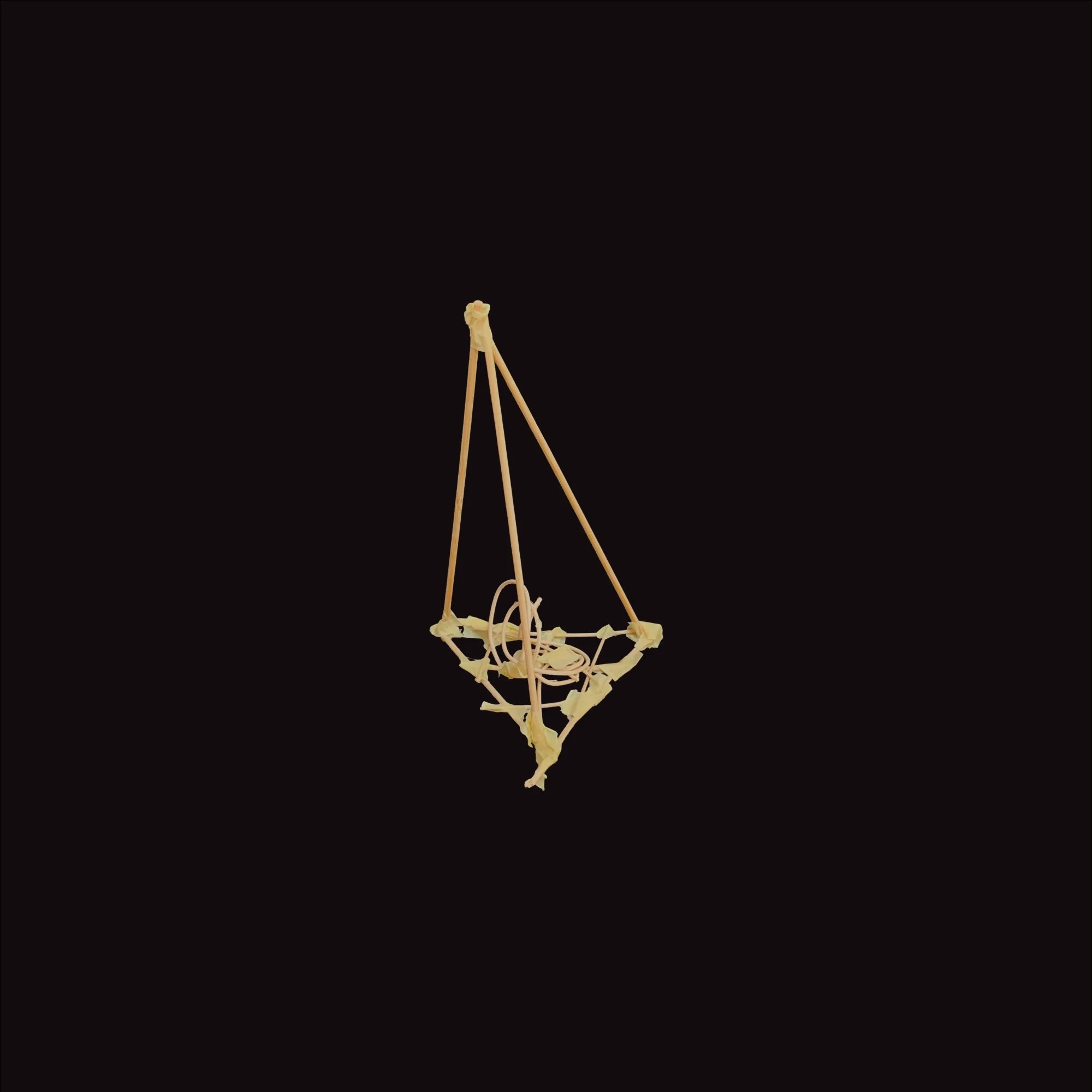
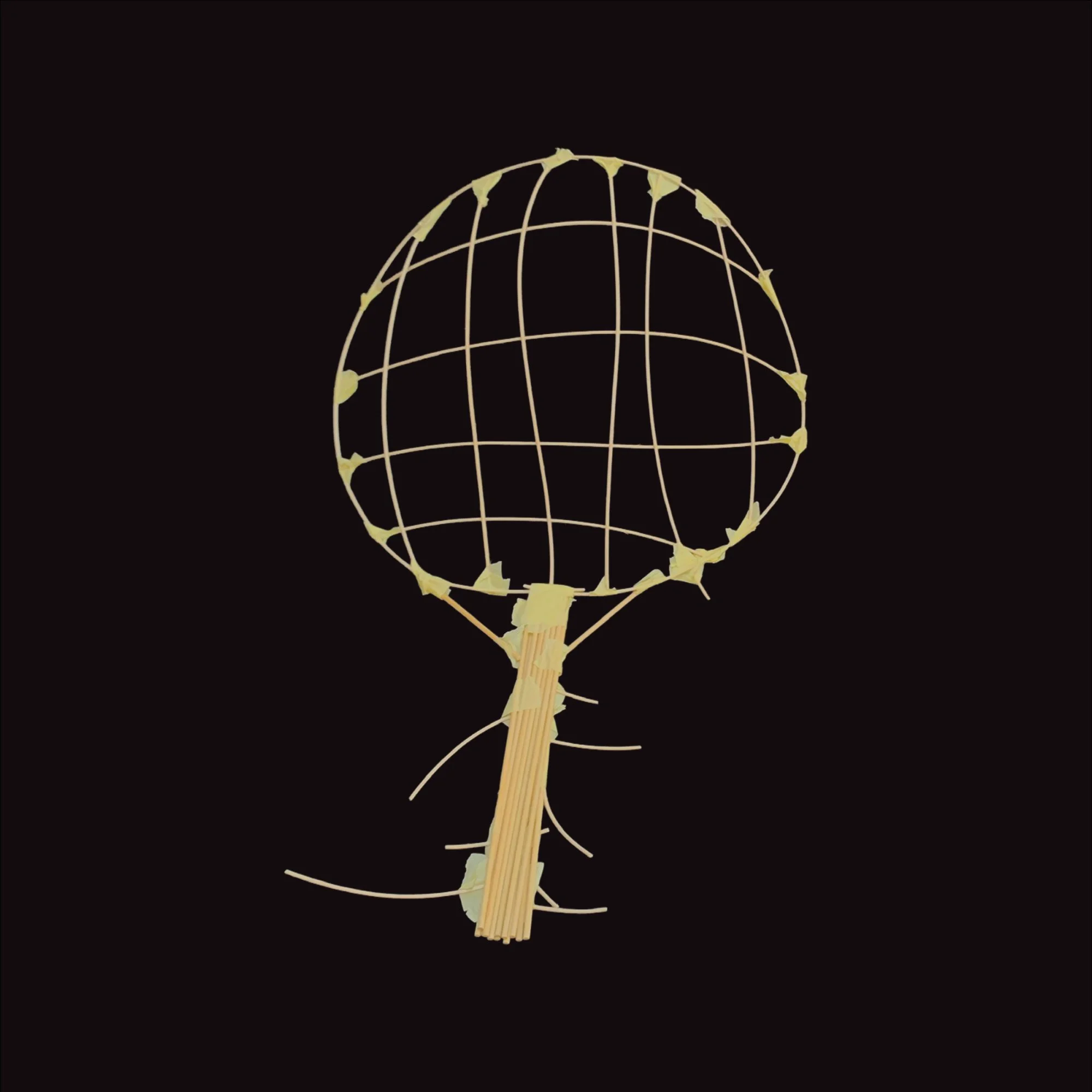
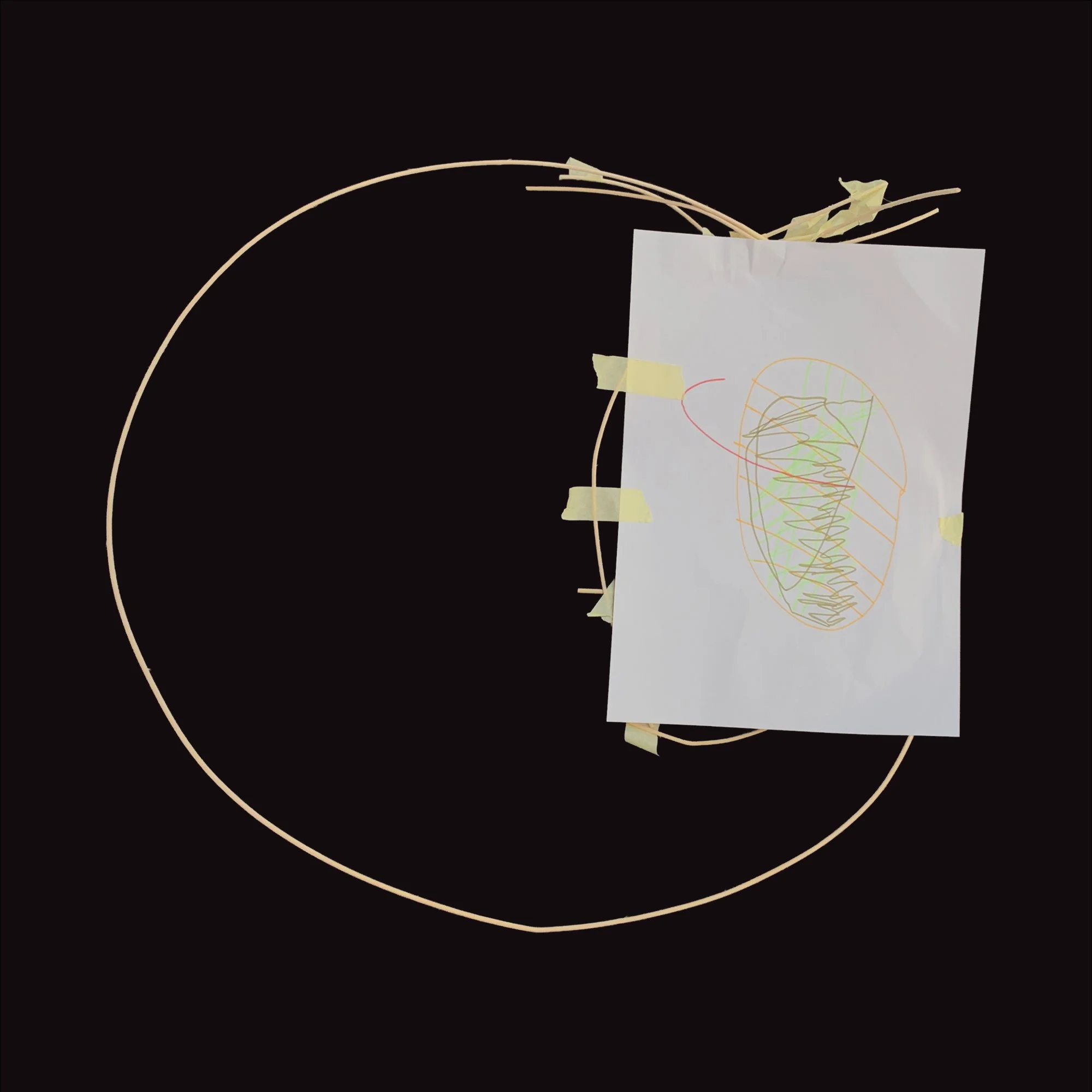
In the final stage, participants must get creative by combining two newly drawn topics into a single work that presents characteristics of both. During this process, they must make subjective choices, encouraging artistic methods and creative awareness.
抽籤|創作|猜謎
根據抽到的題目,引導學員觀察圖像,擷取生物的明顯特徵,並使用軟硬性質的自然材質(竹籤、藤心)表達立體結構與造型。最後輪流將小作品放上小舞台,讓同學們猜一猜。
海洋生物造型有機,而人造物件多為幾何無機形。手作過程中讓學員練習抓取造型語彙,猜謎活動則能刺激聯想力。
最終階段,學員必須發揮創意,將新抽到的兩個題目混合,並以一個作品呈現兩者的特徵。在結合的過程中,學員需要加入主觀的選擇,激發藝術創作的方法與意識。
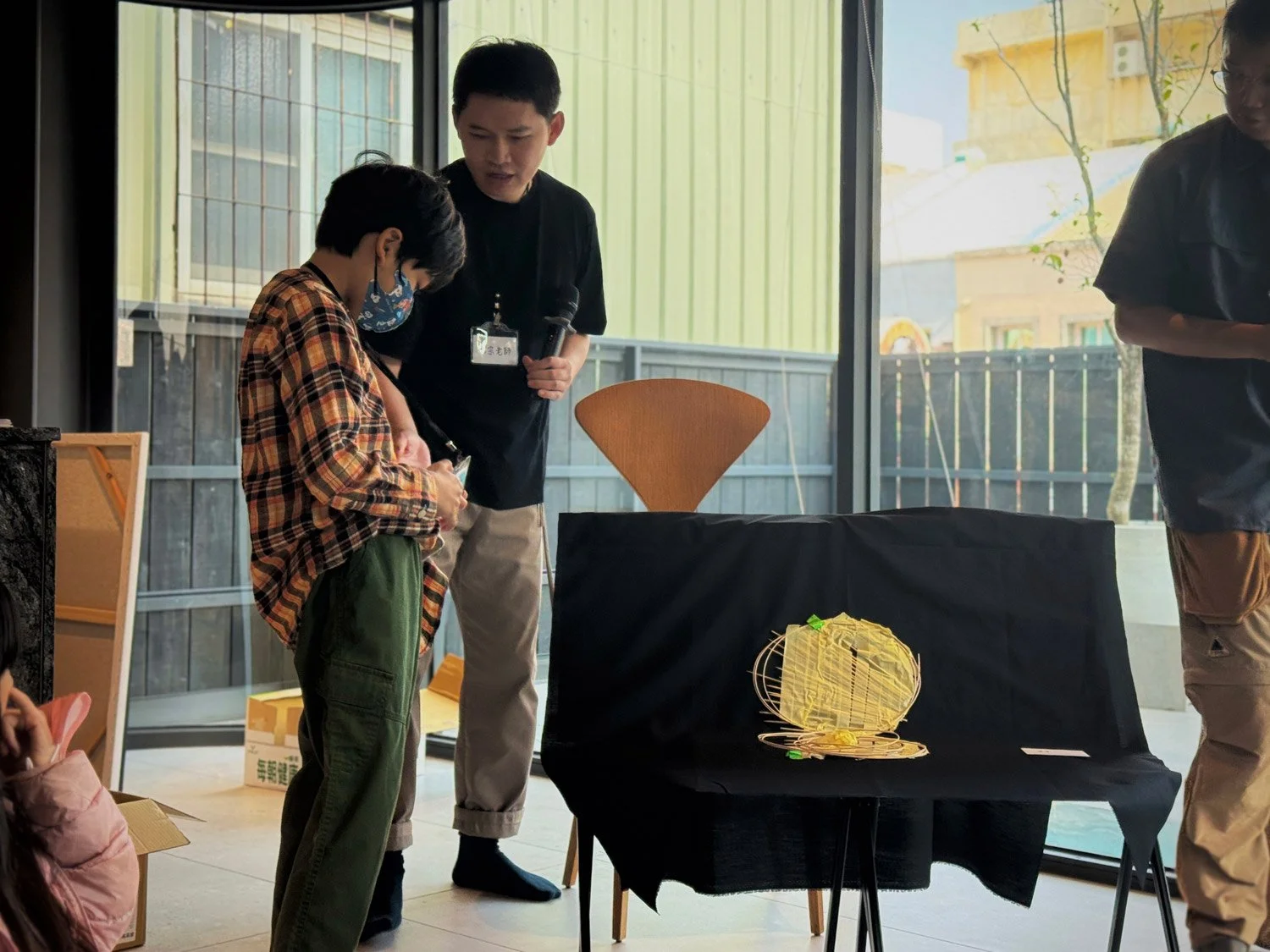
stage 1|sea creature
主題1|海洋生物
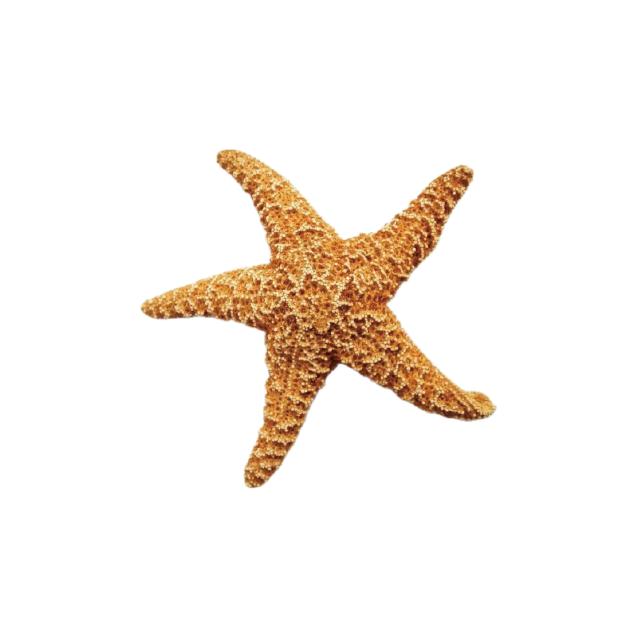
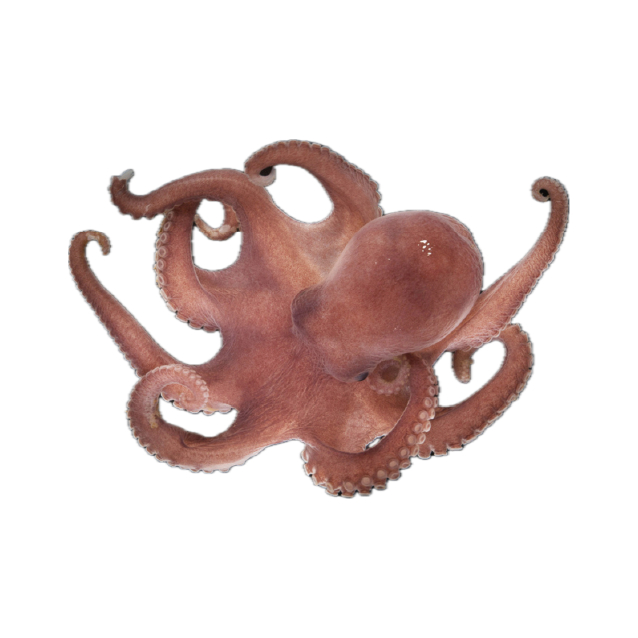
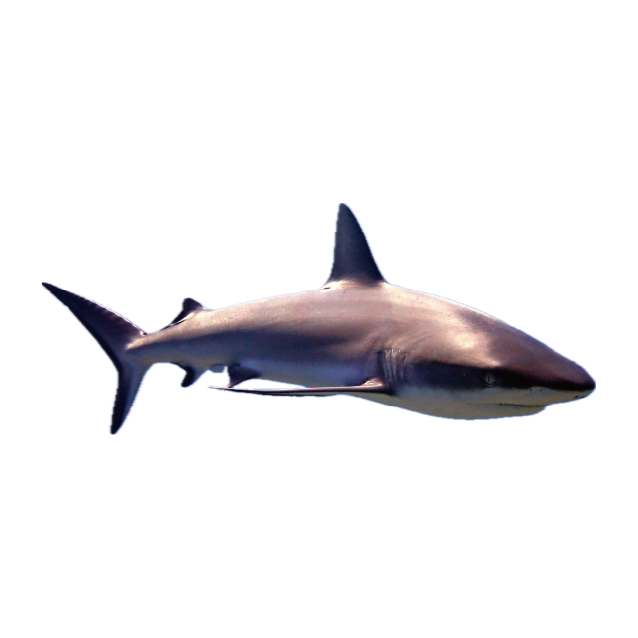
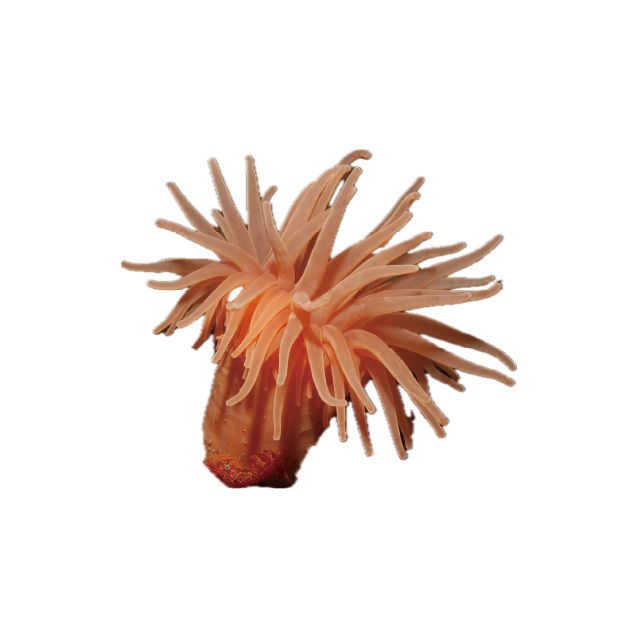
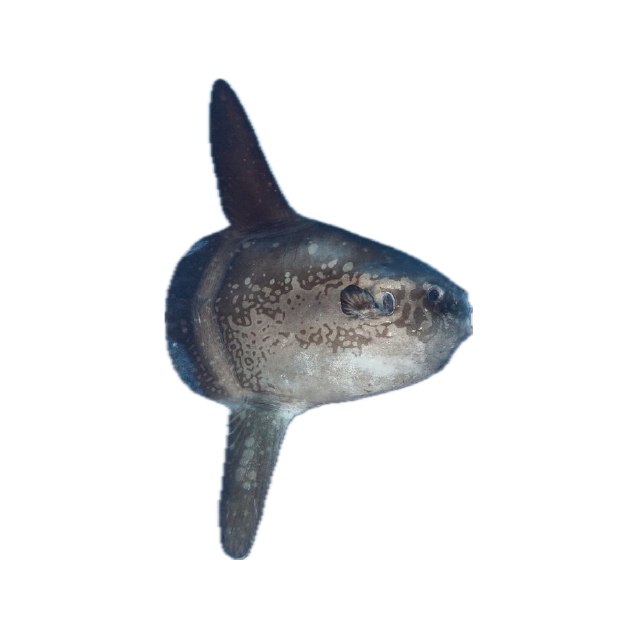
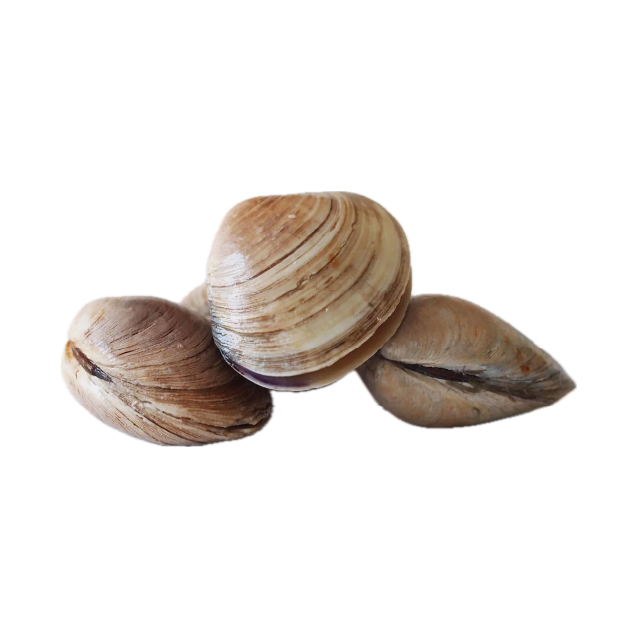
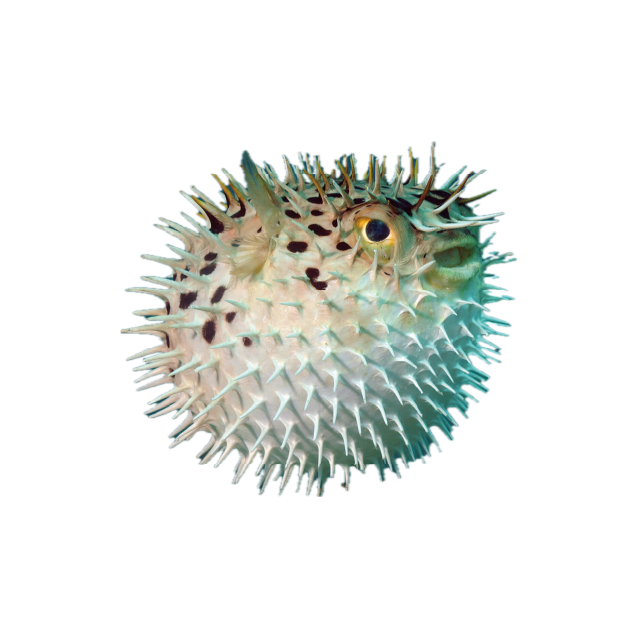
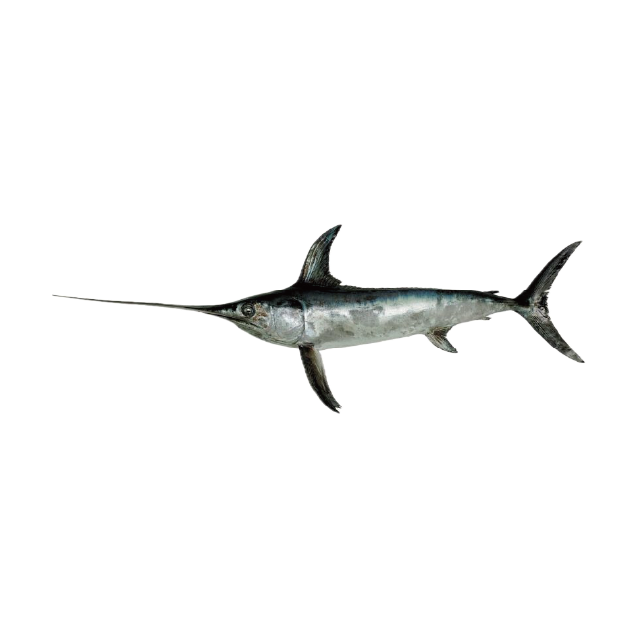
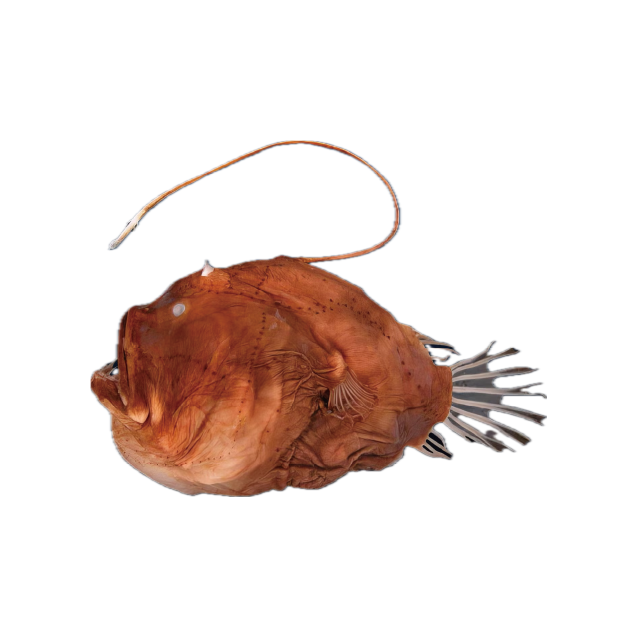
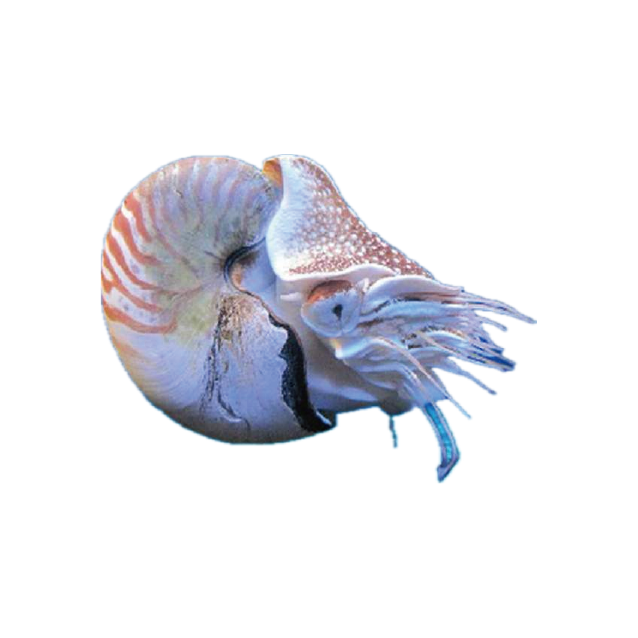
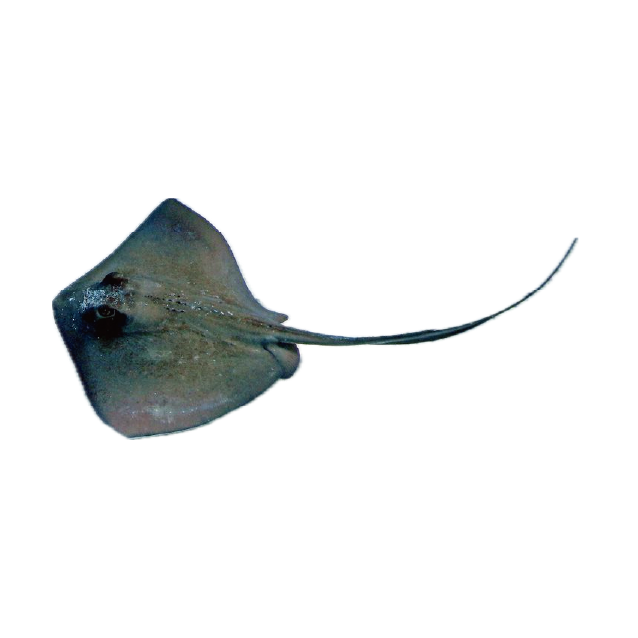
stage 2|artificial object
主題2|人造物件
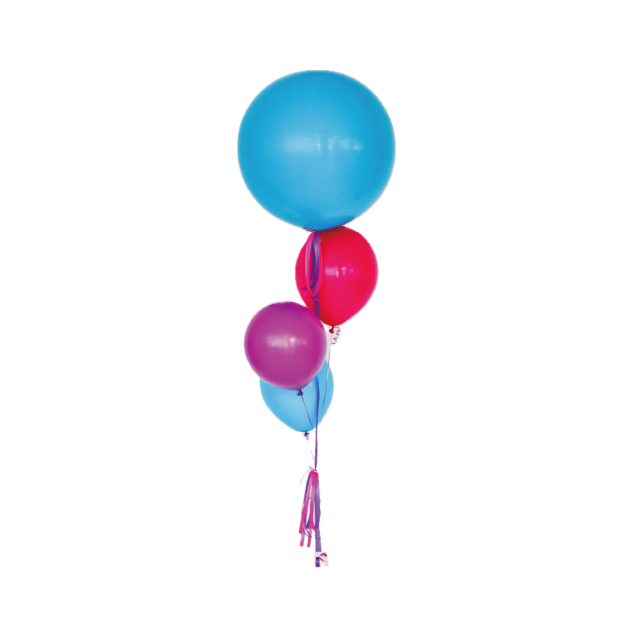
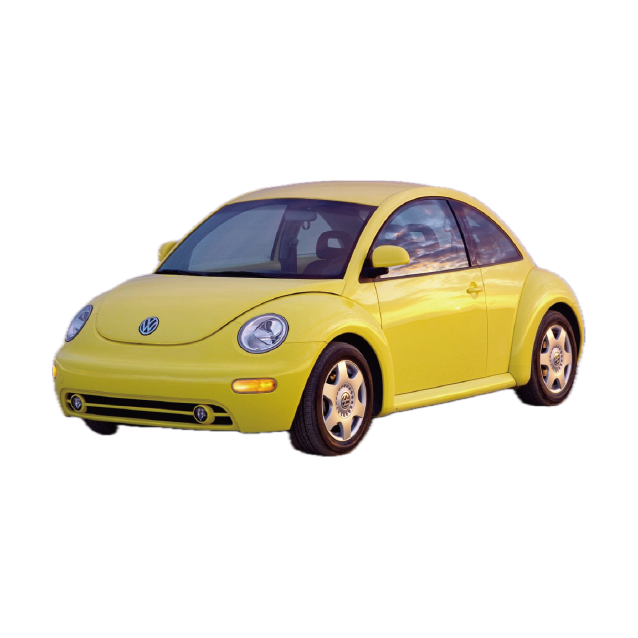
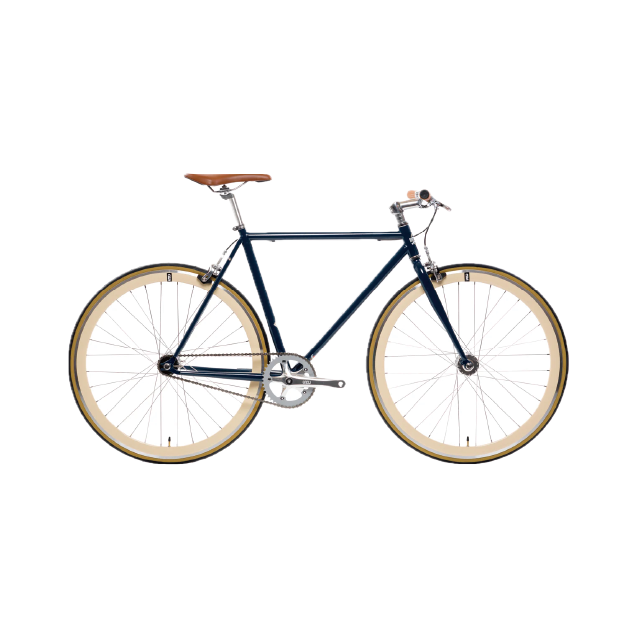
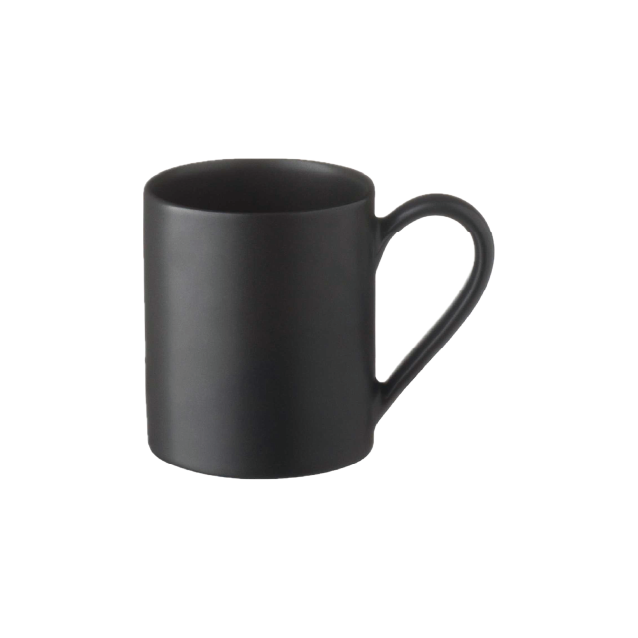

stage 3|sea creature X artificial object
主題3|海洋生物 X 人造物件
document
stage 1 day 1
作品記錄
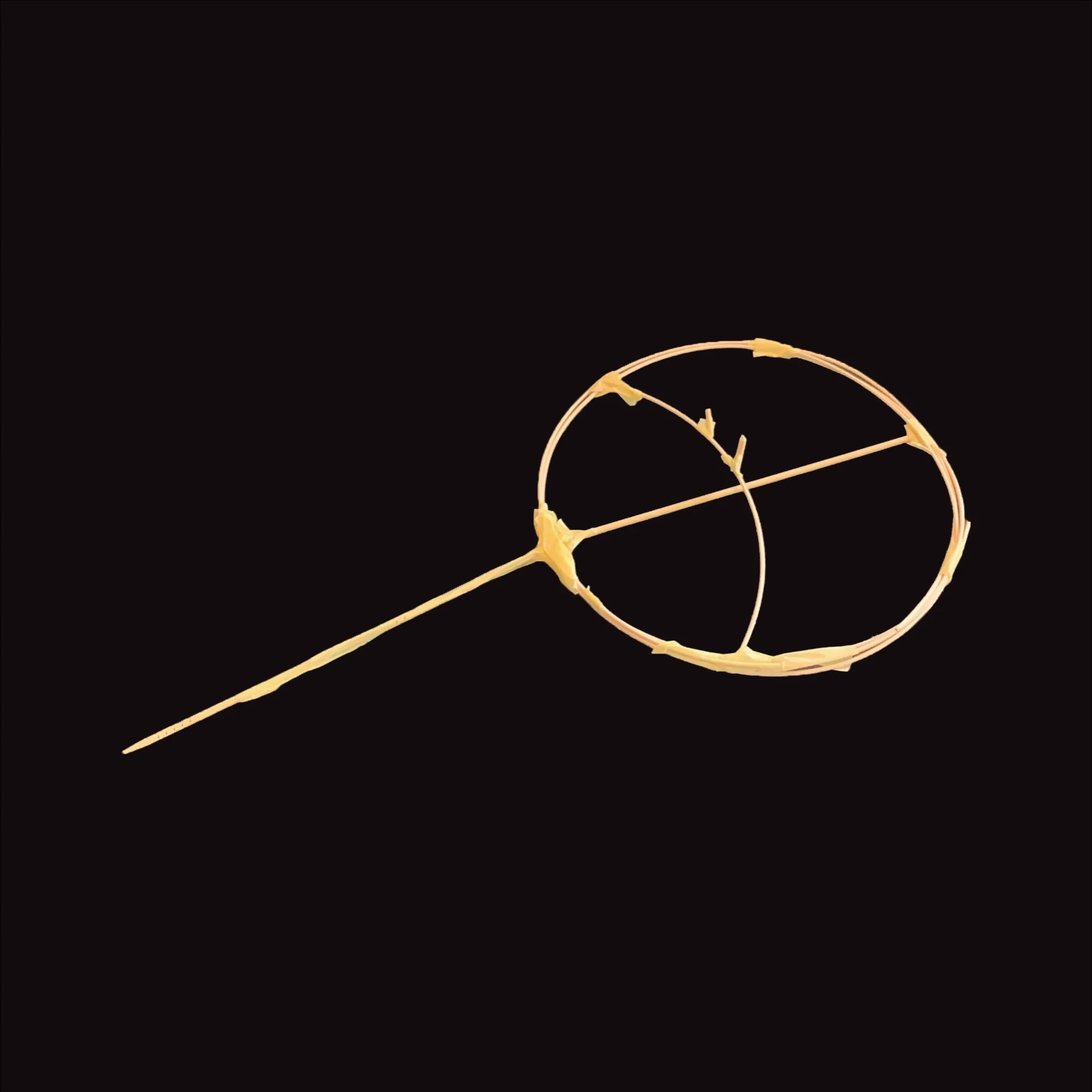
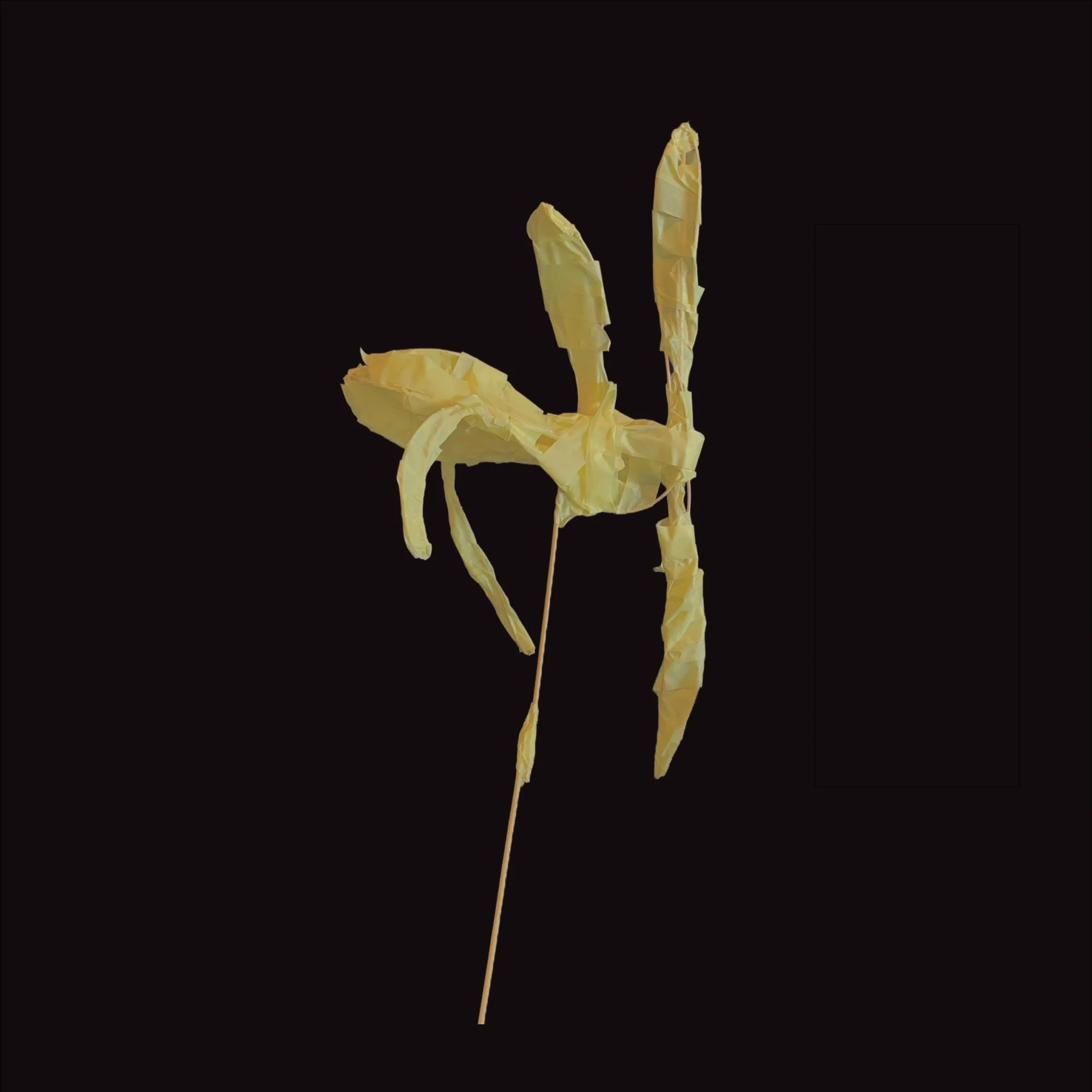
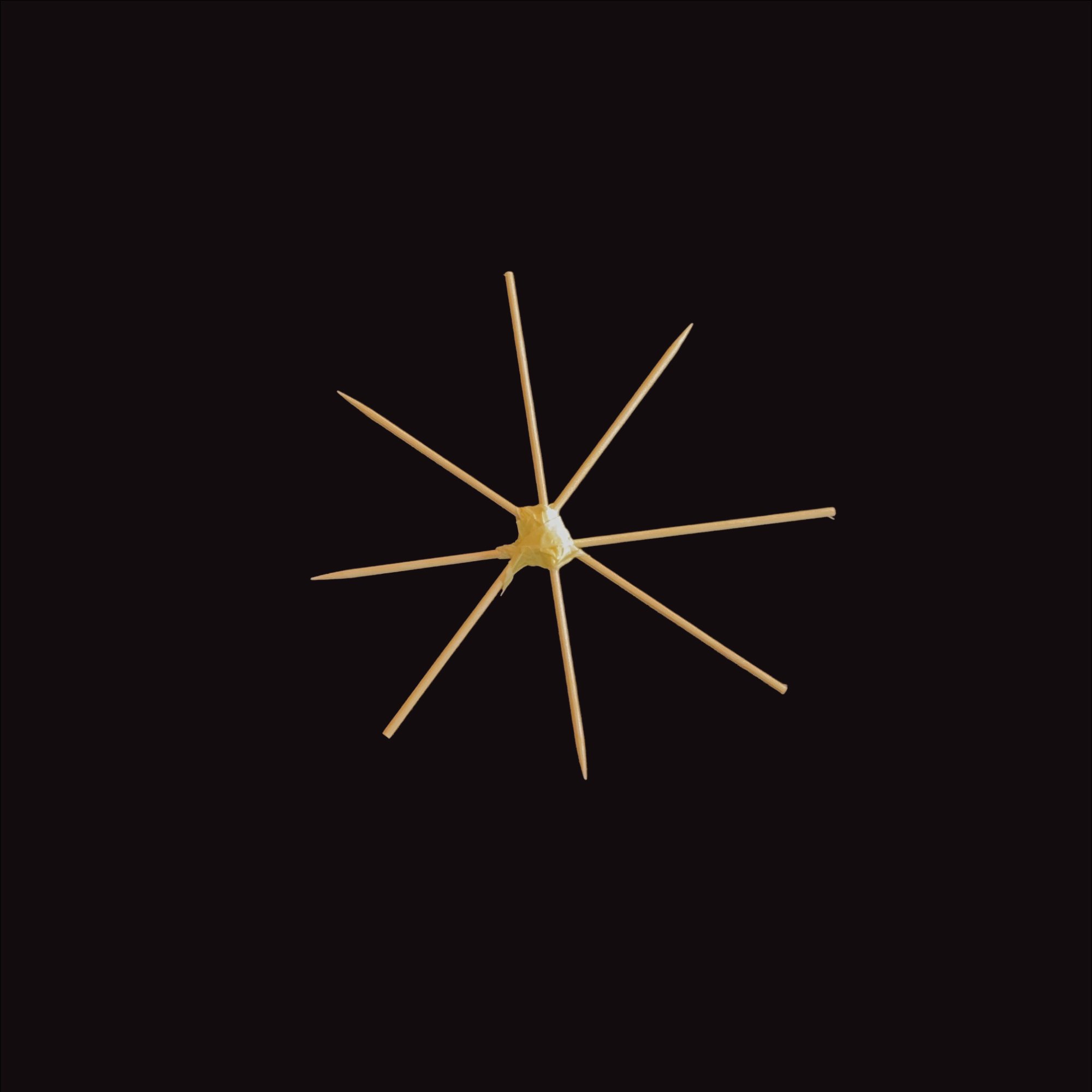
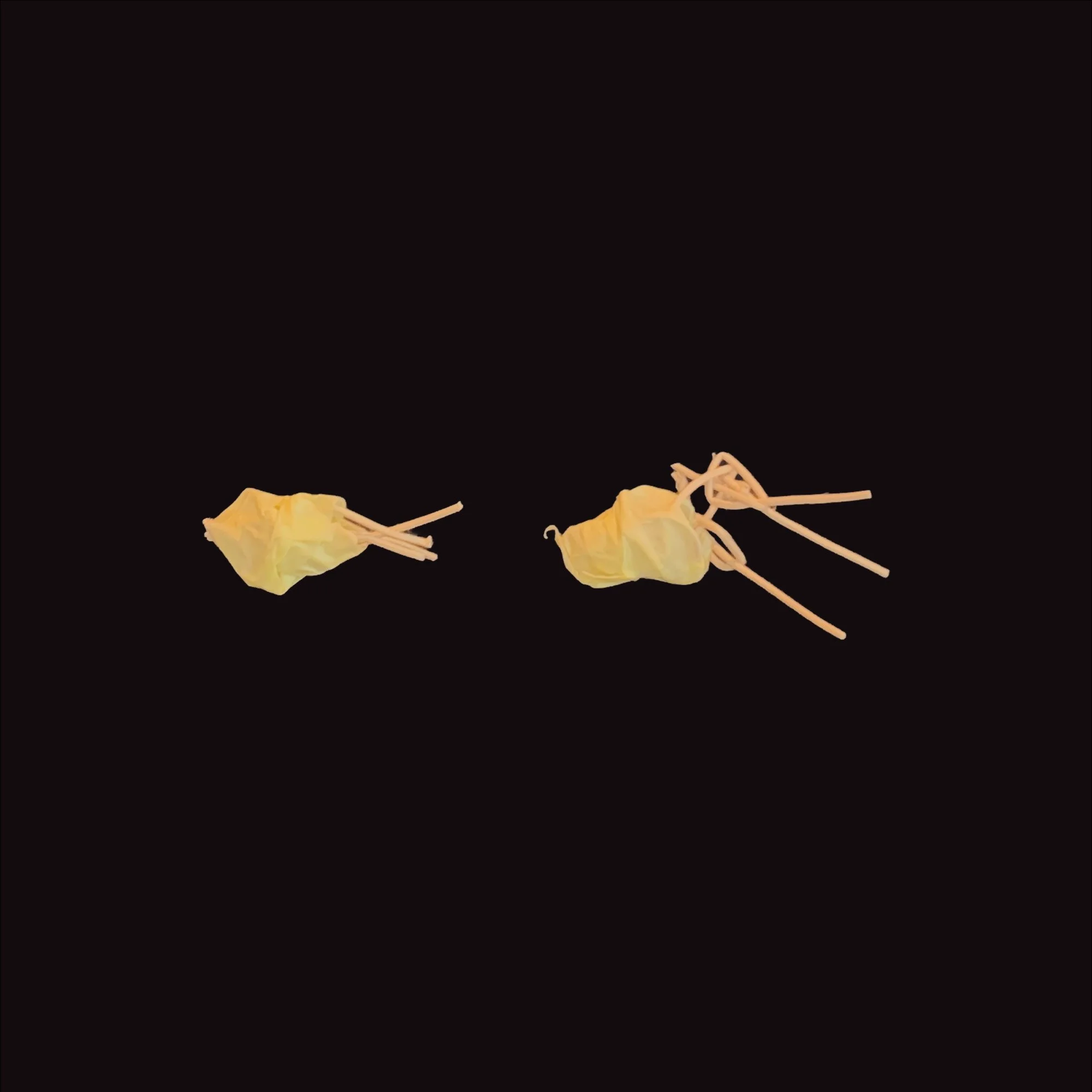
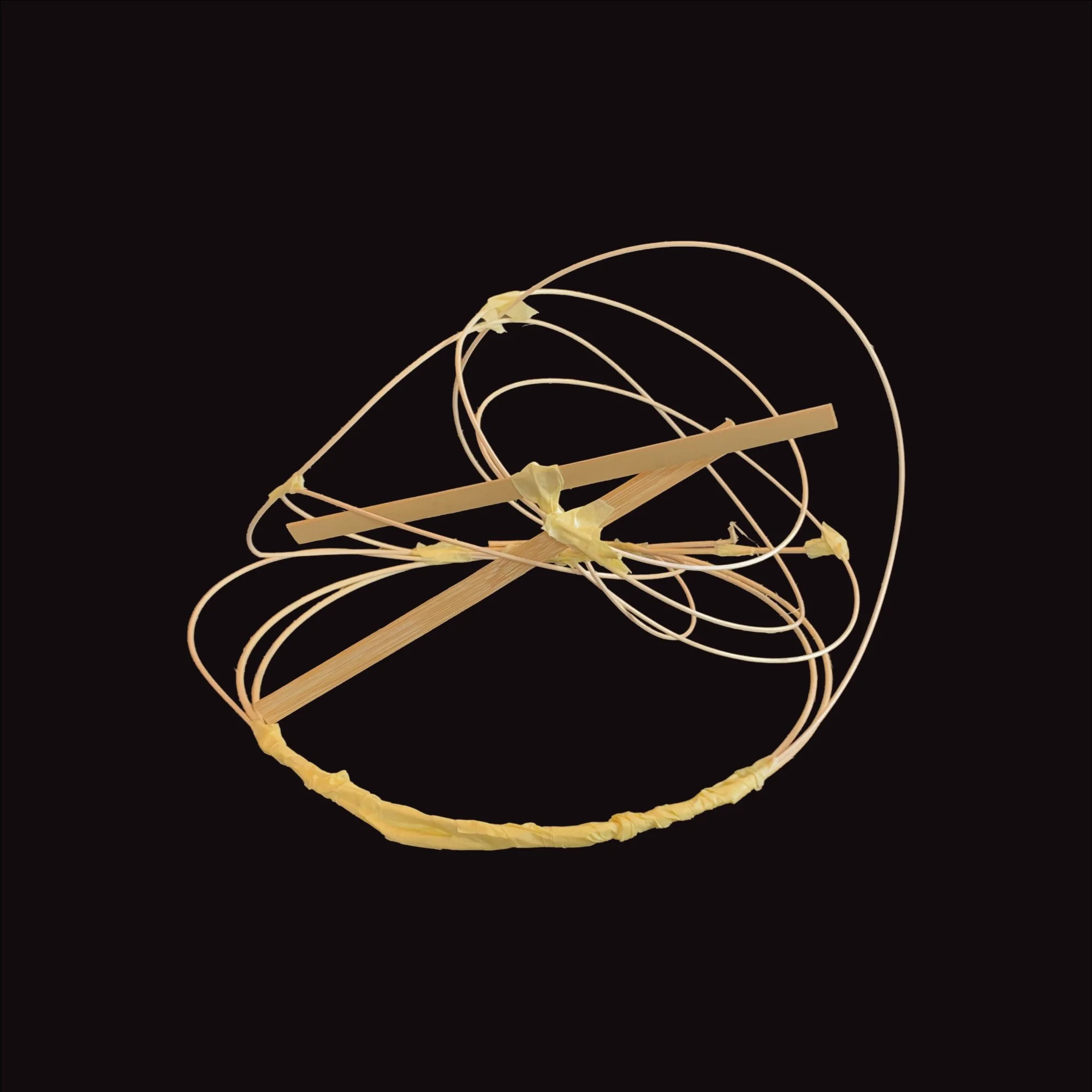
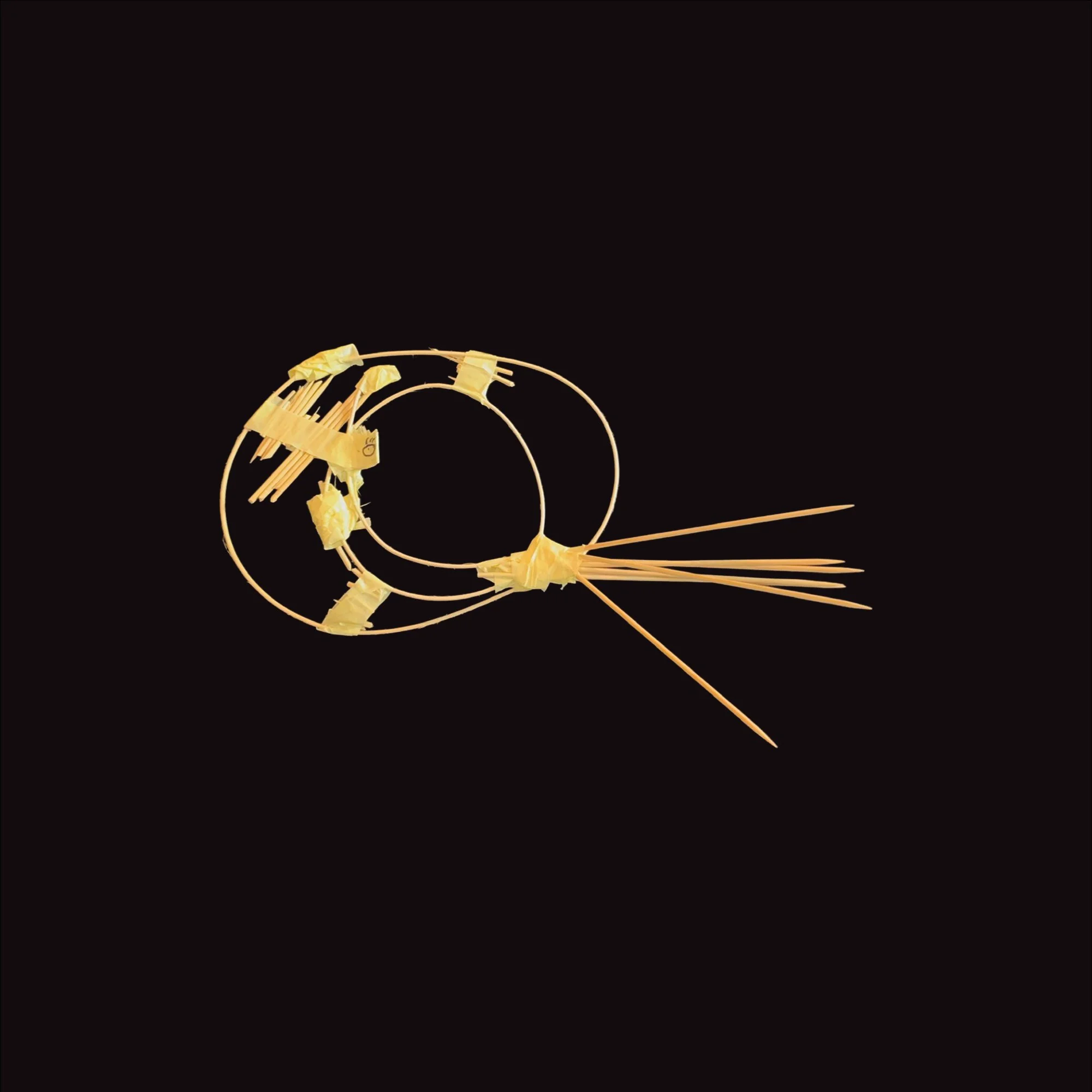
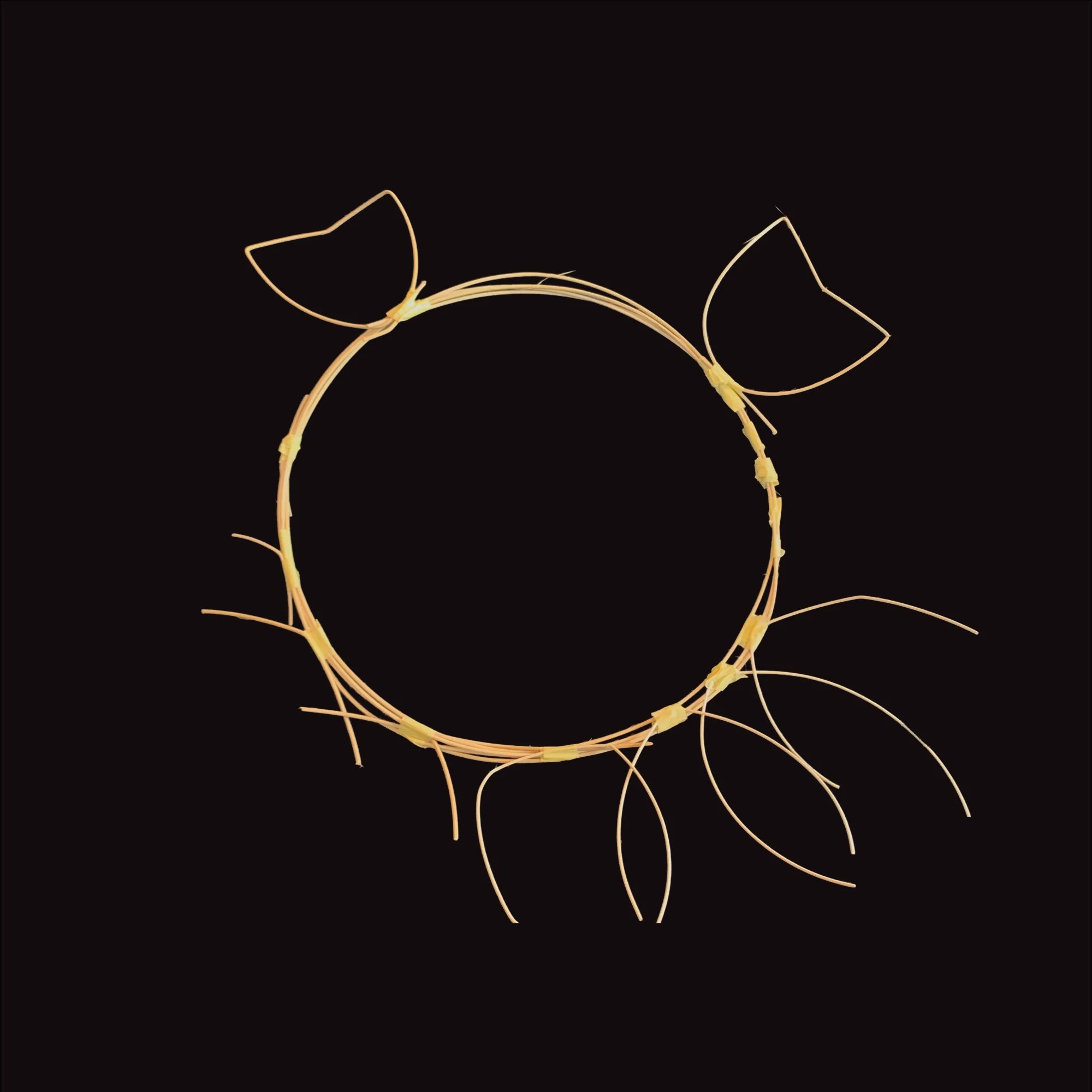
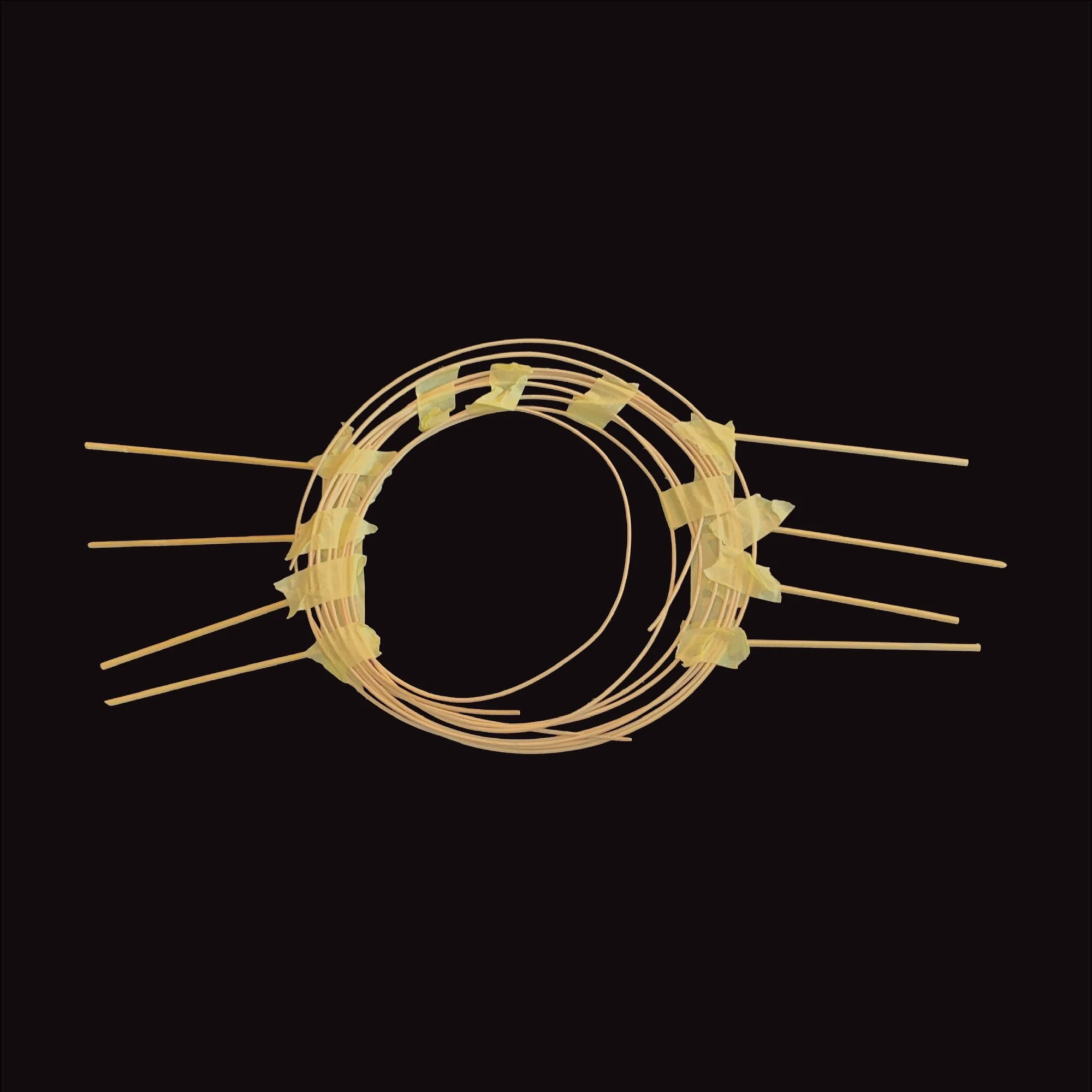
stage 1 day 2
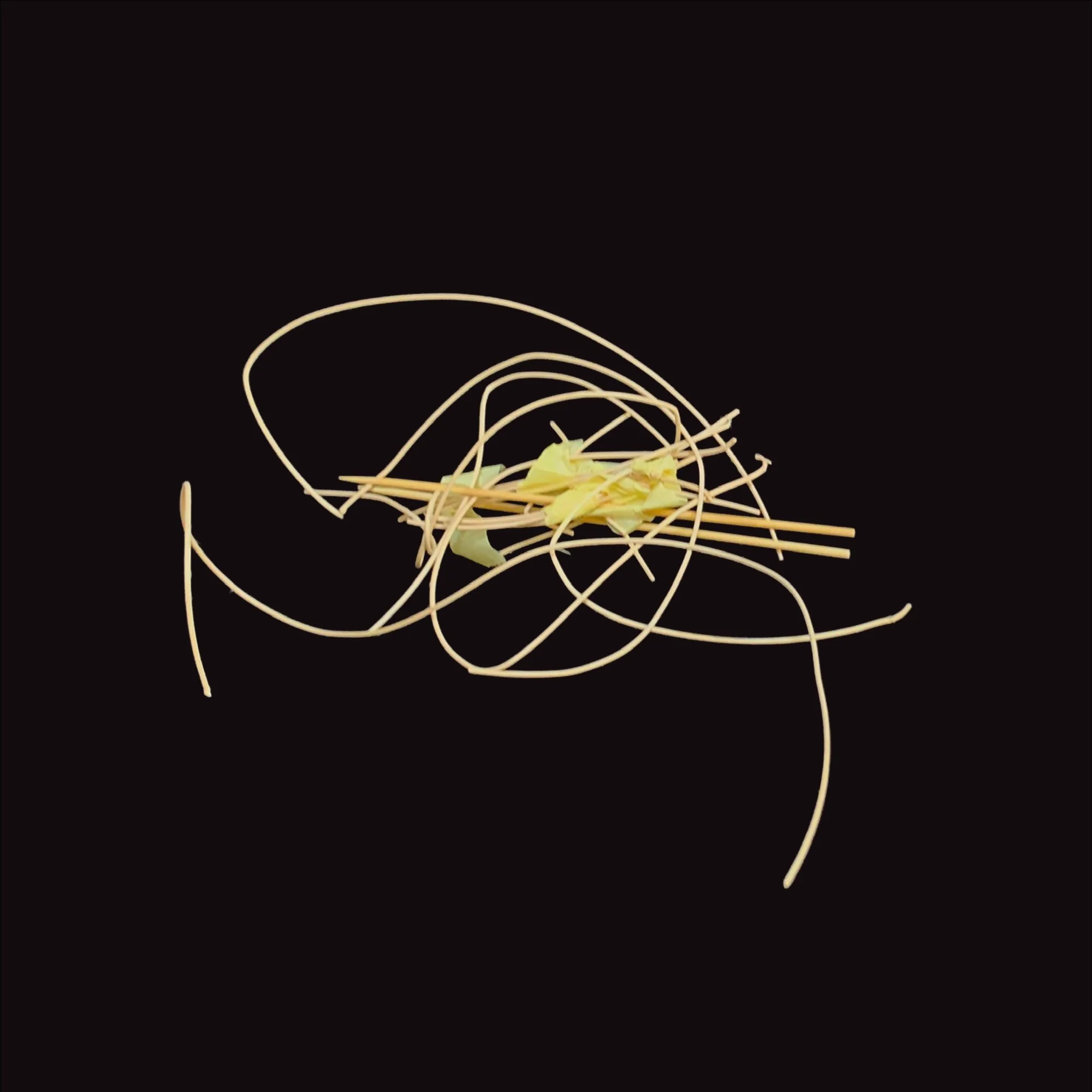
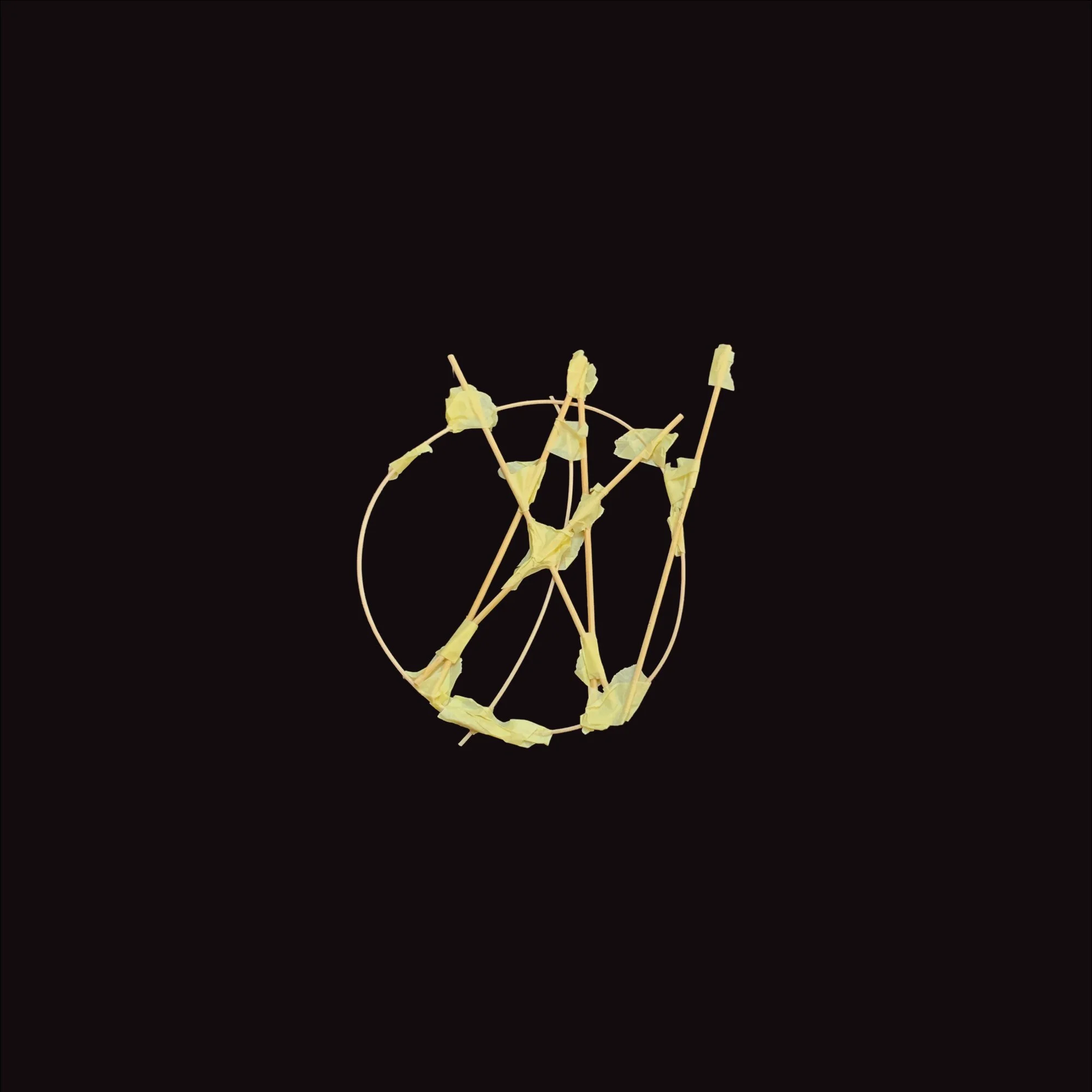
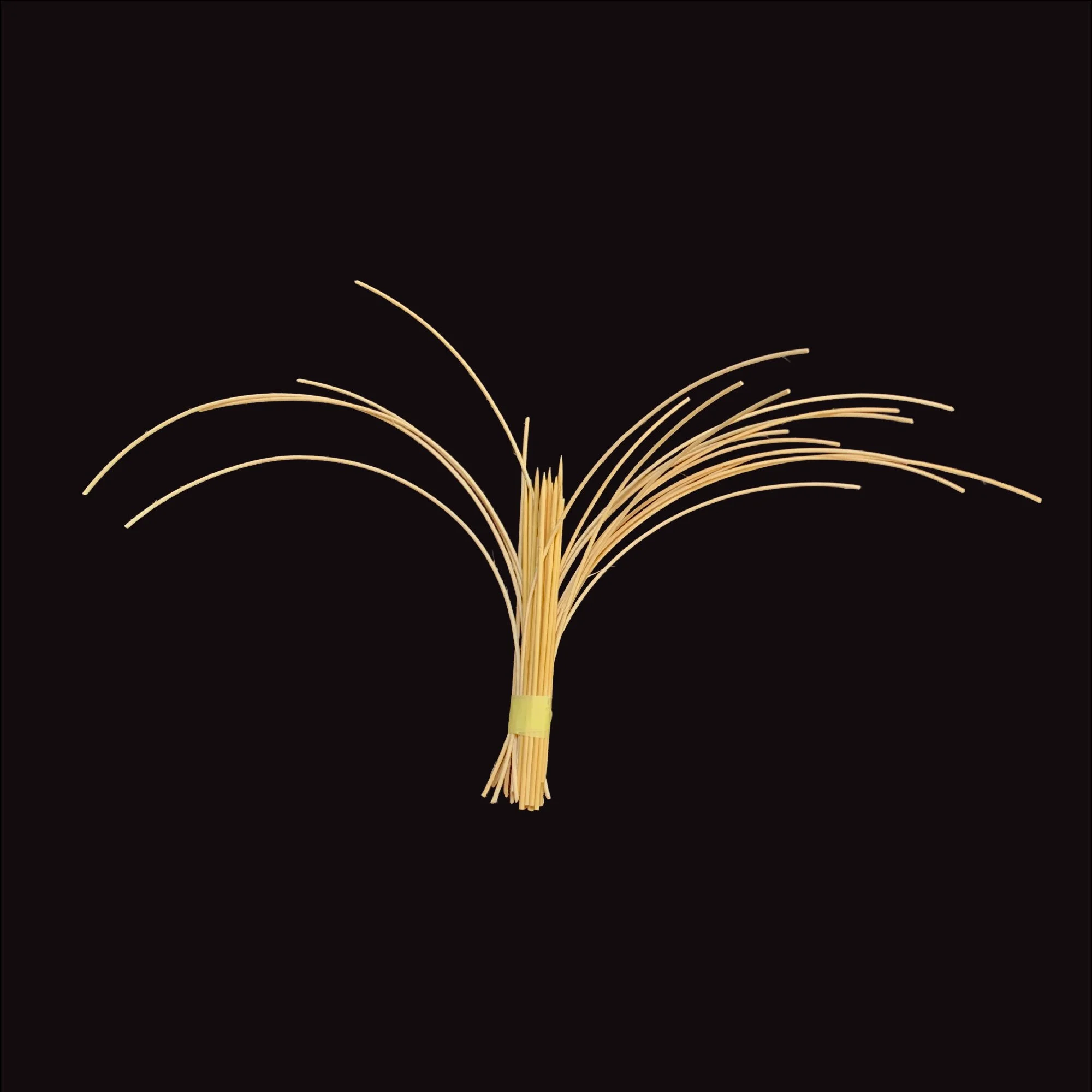
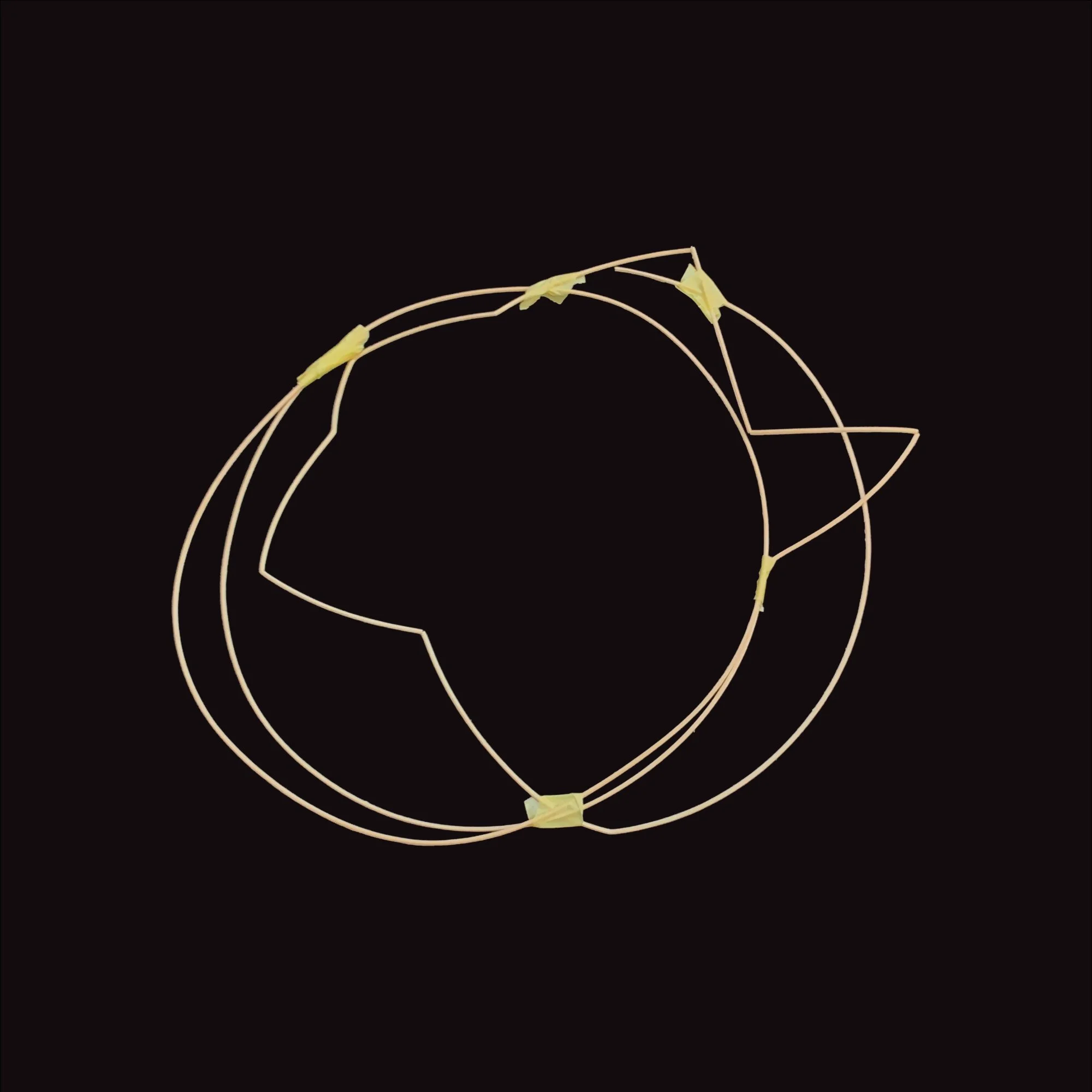
stage 2 day 1
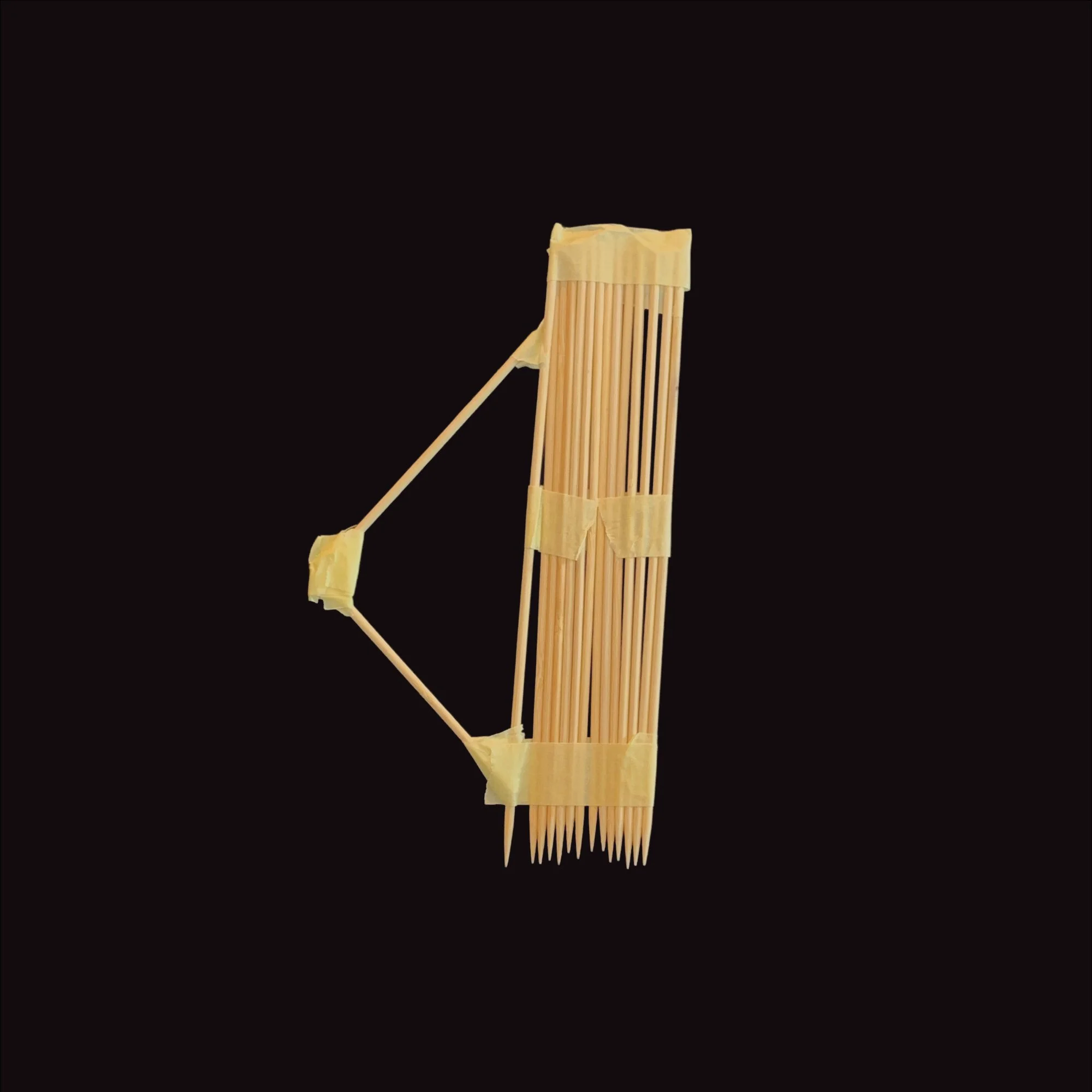
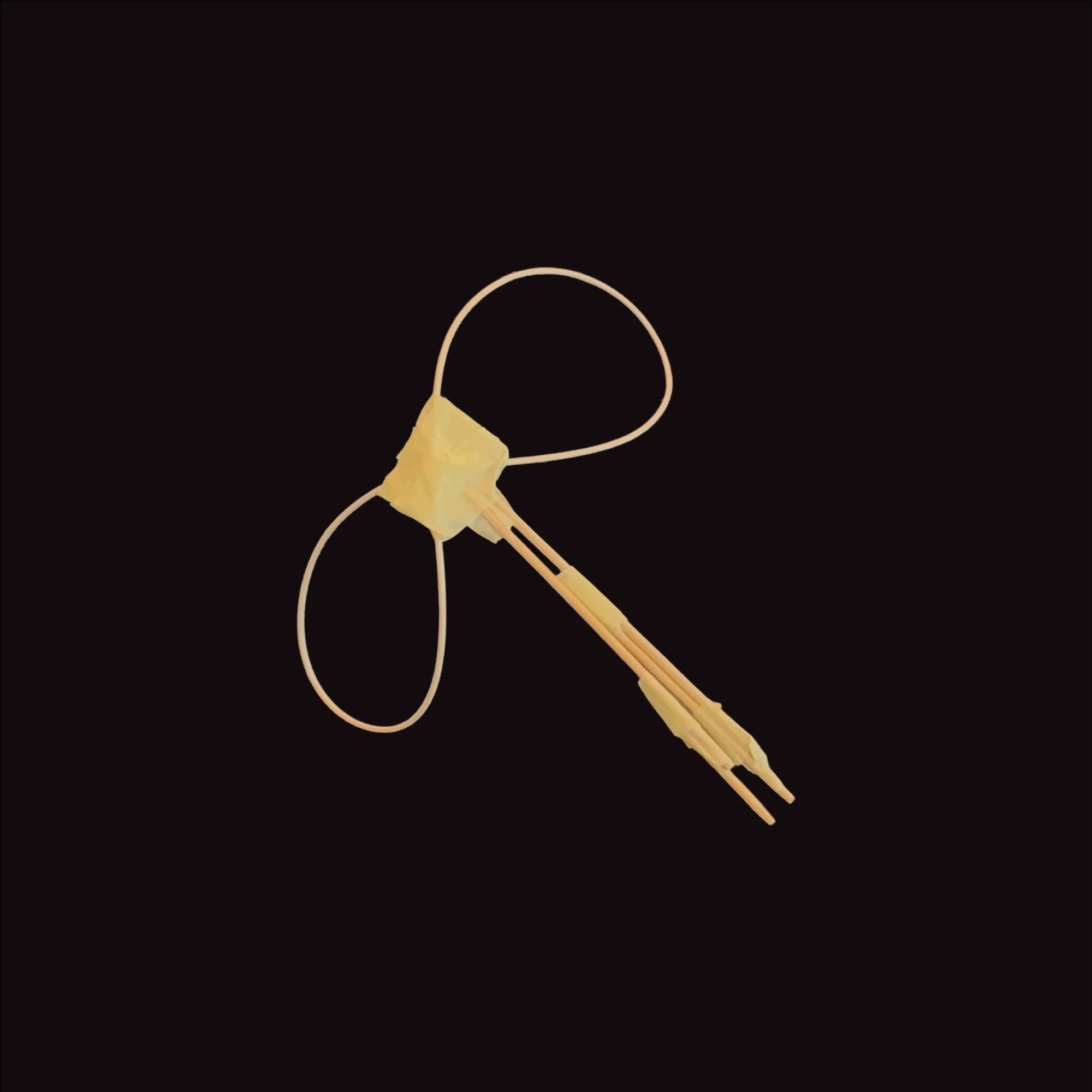
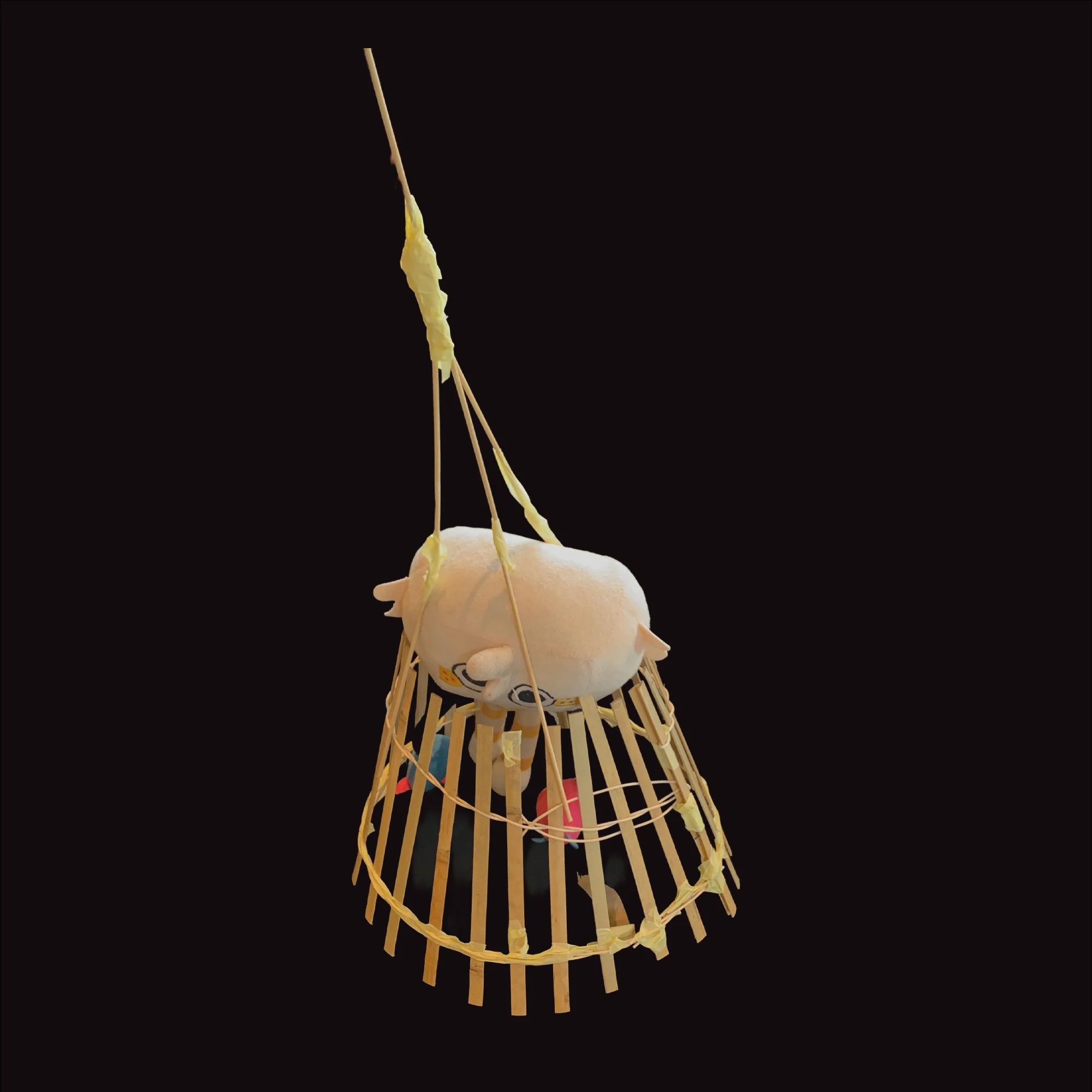
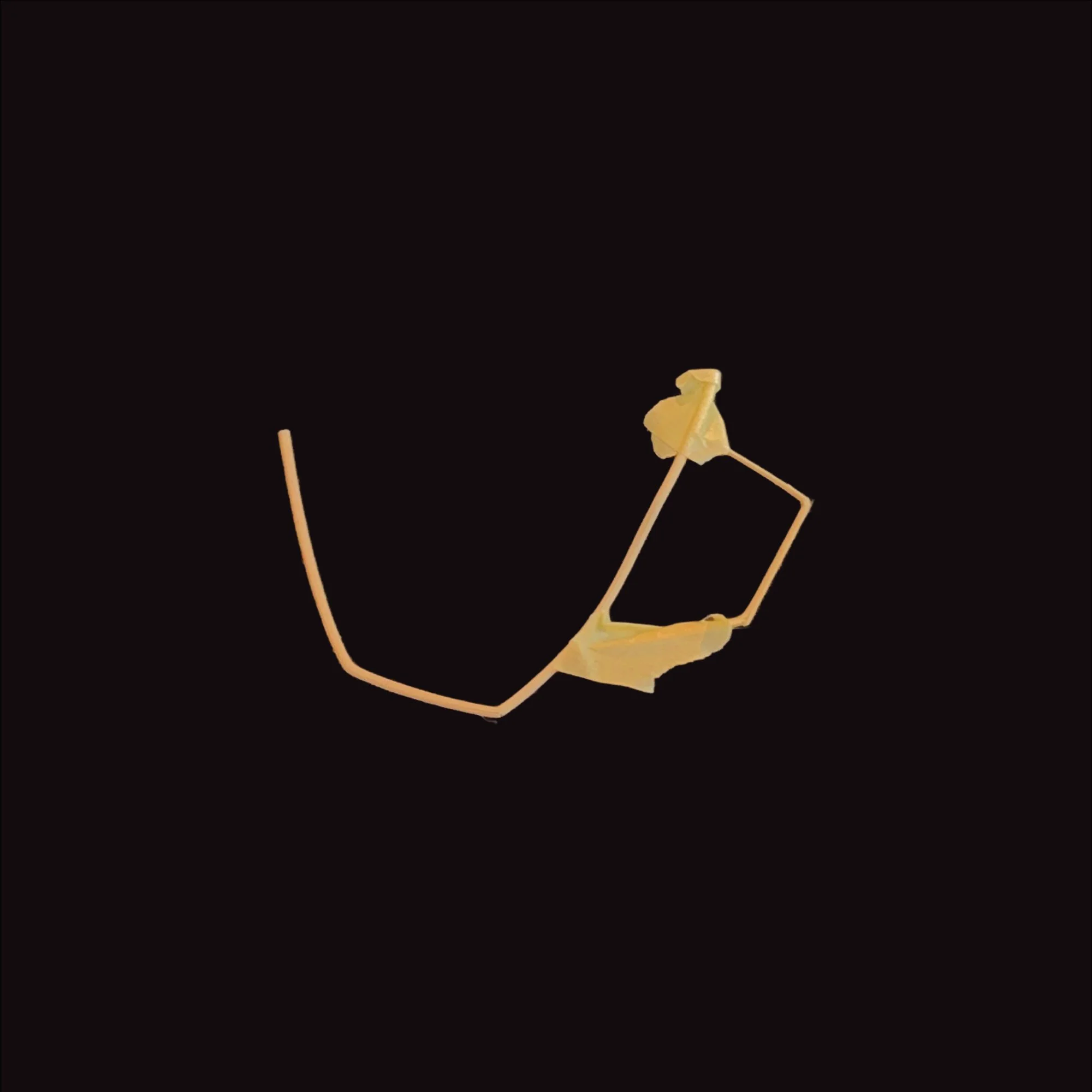
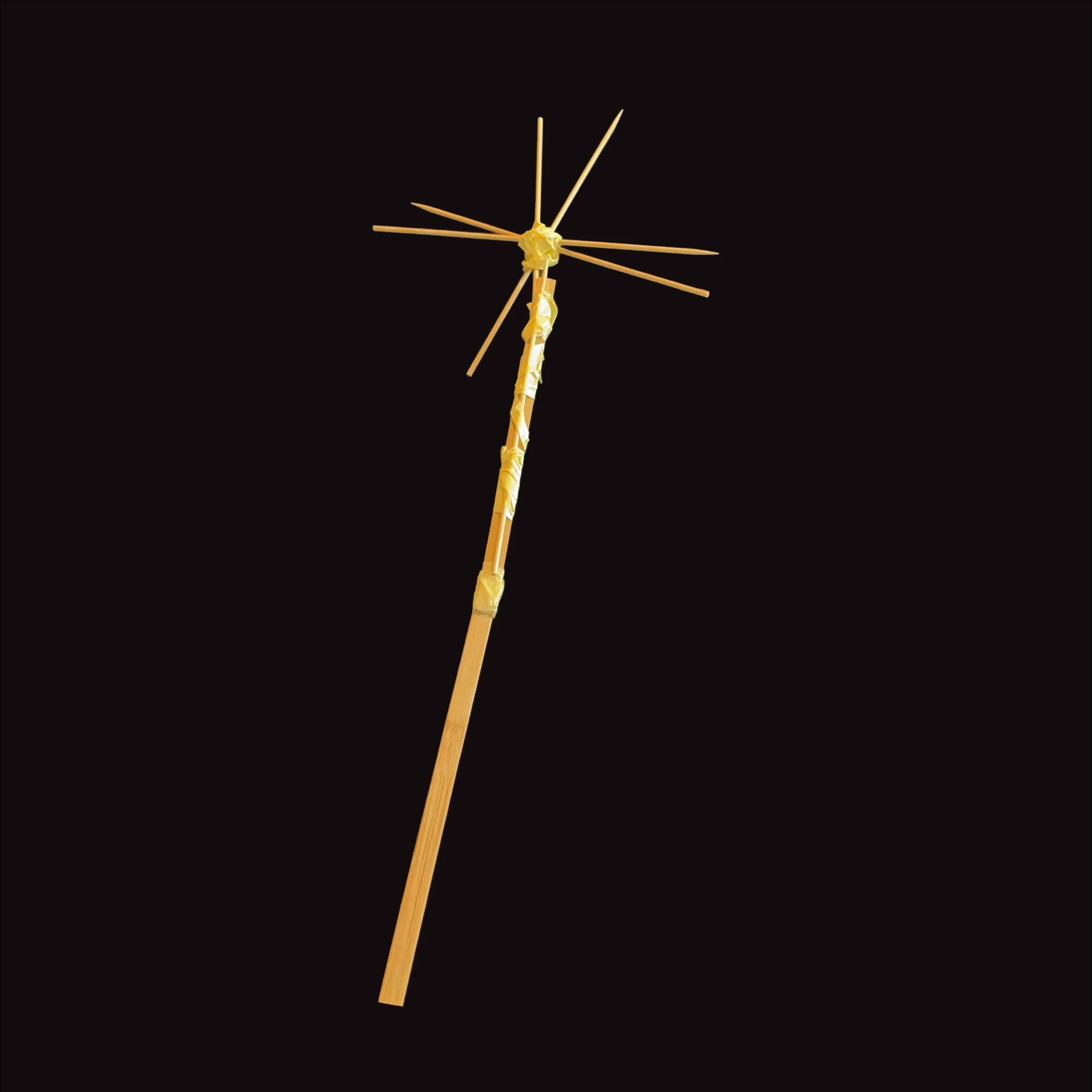
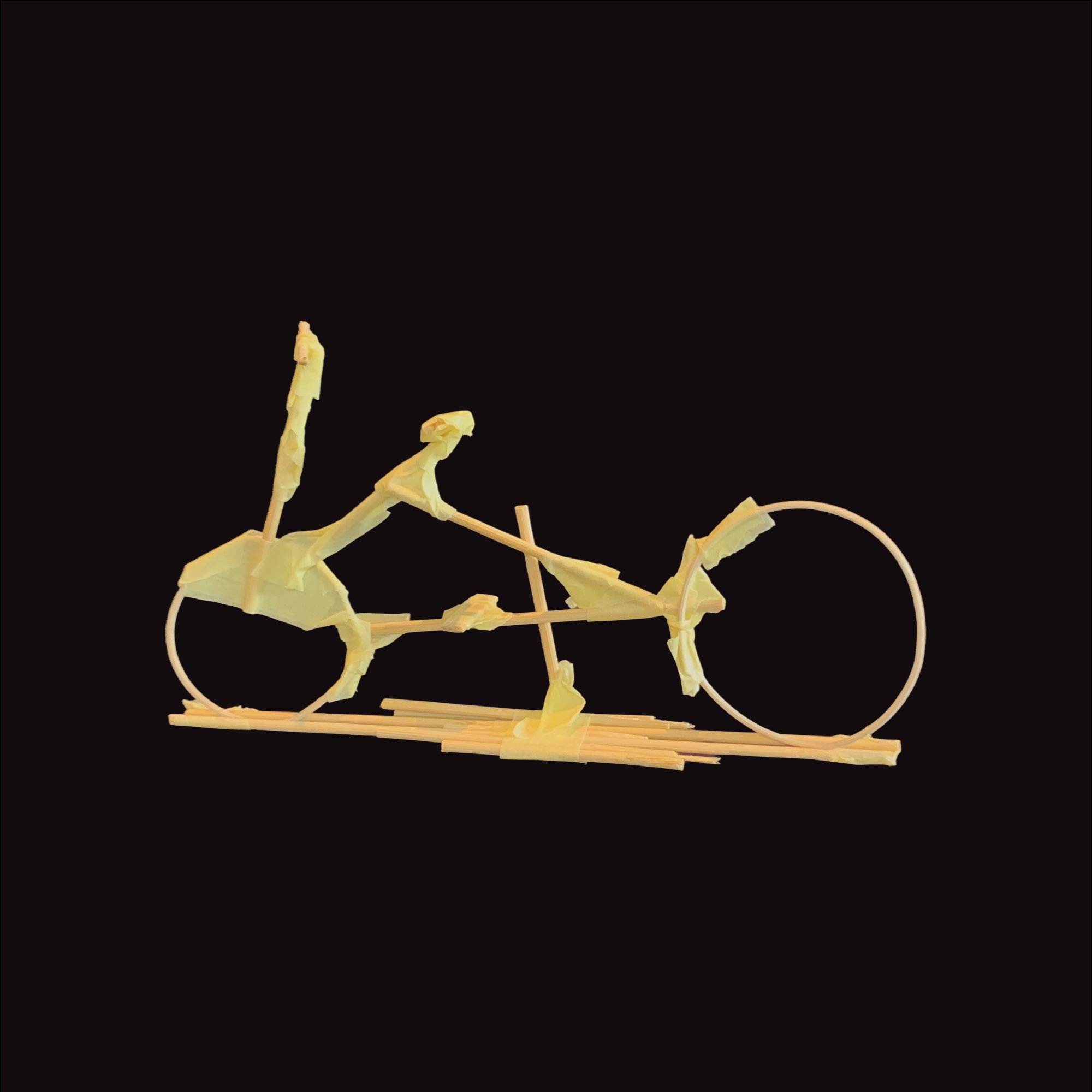
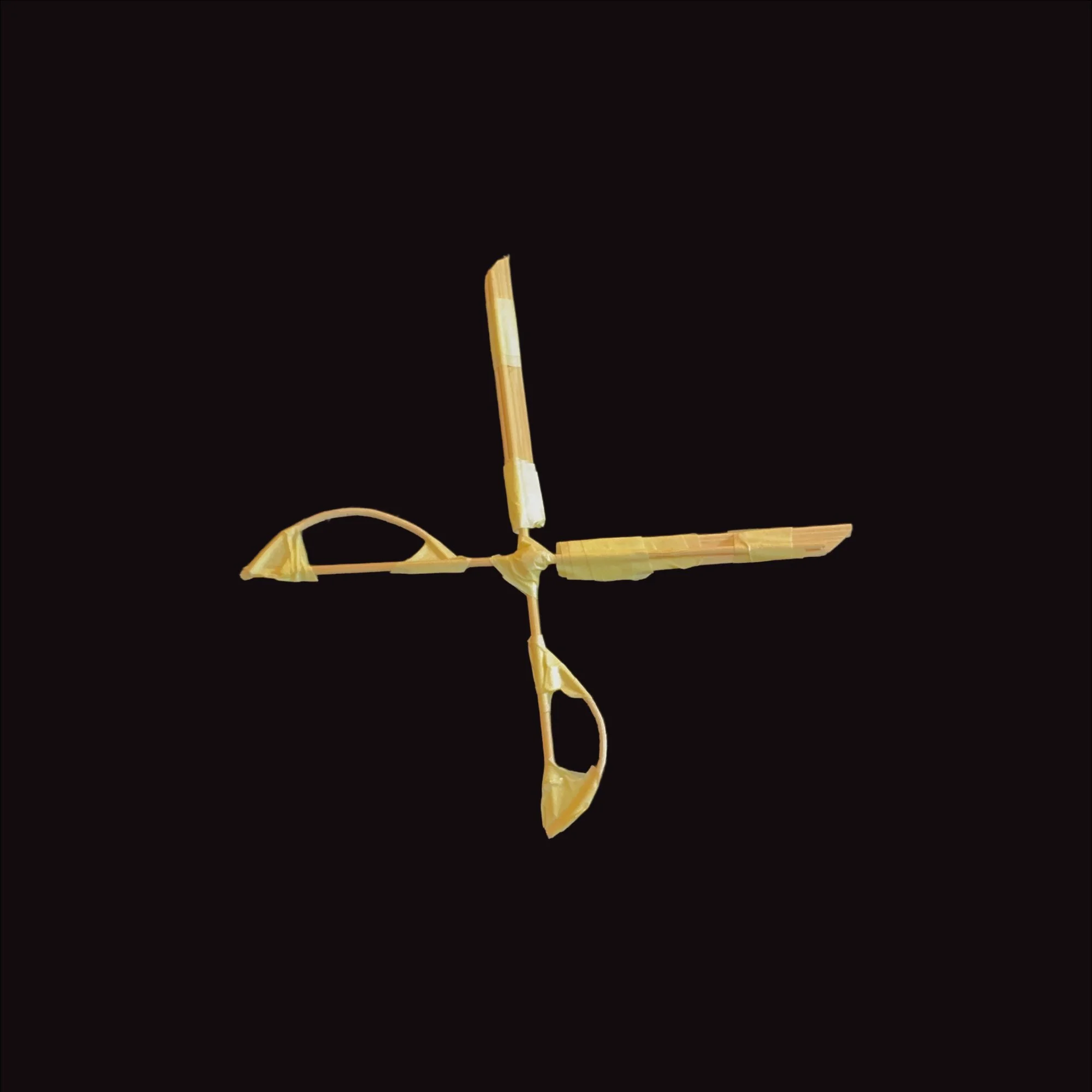

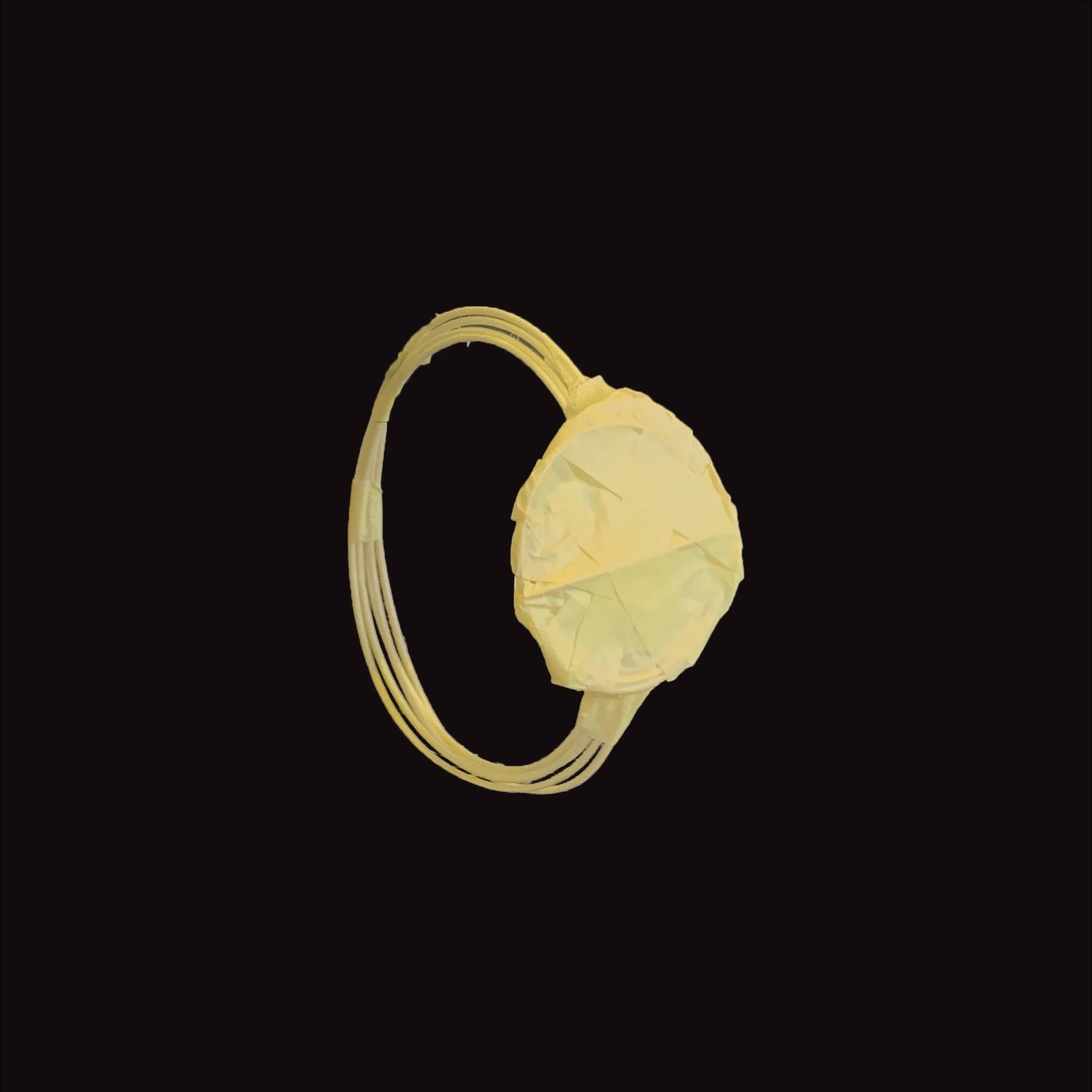
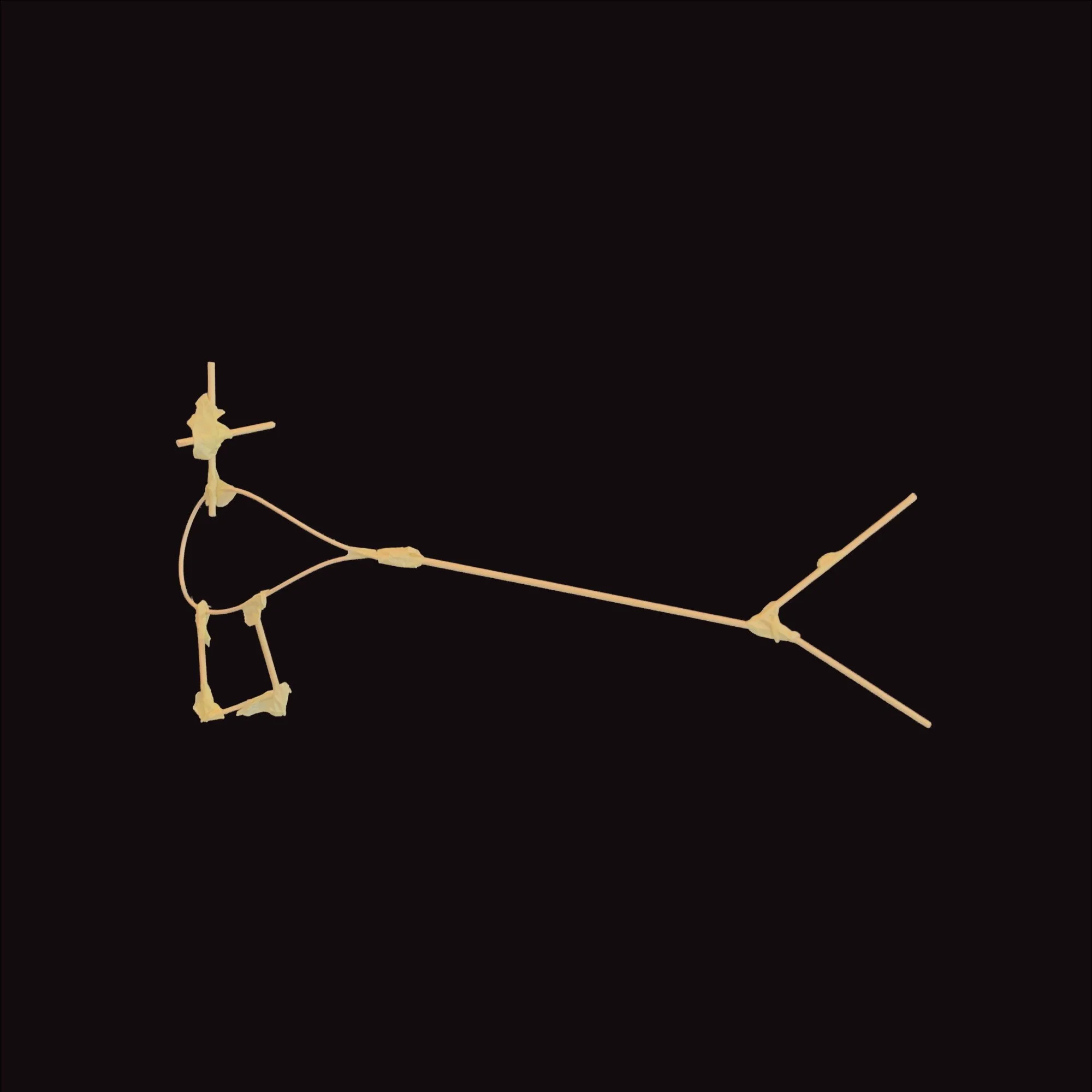
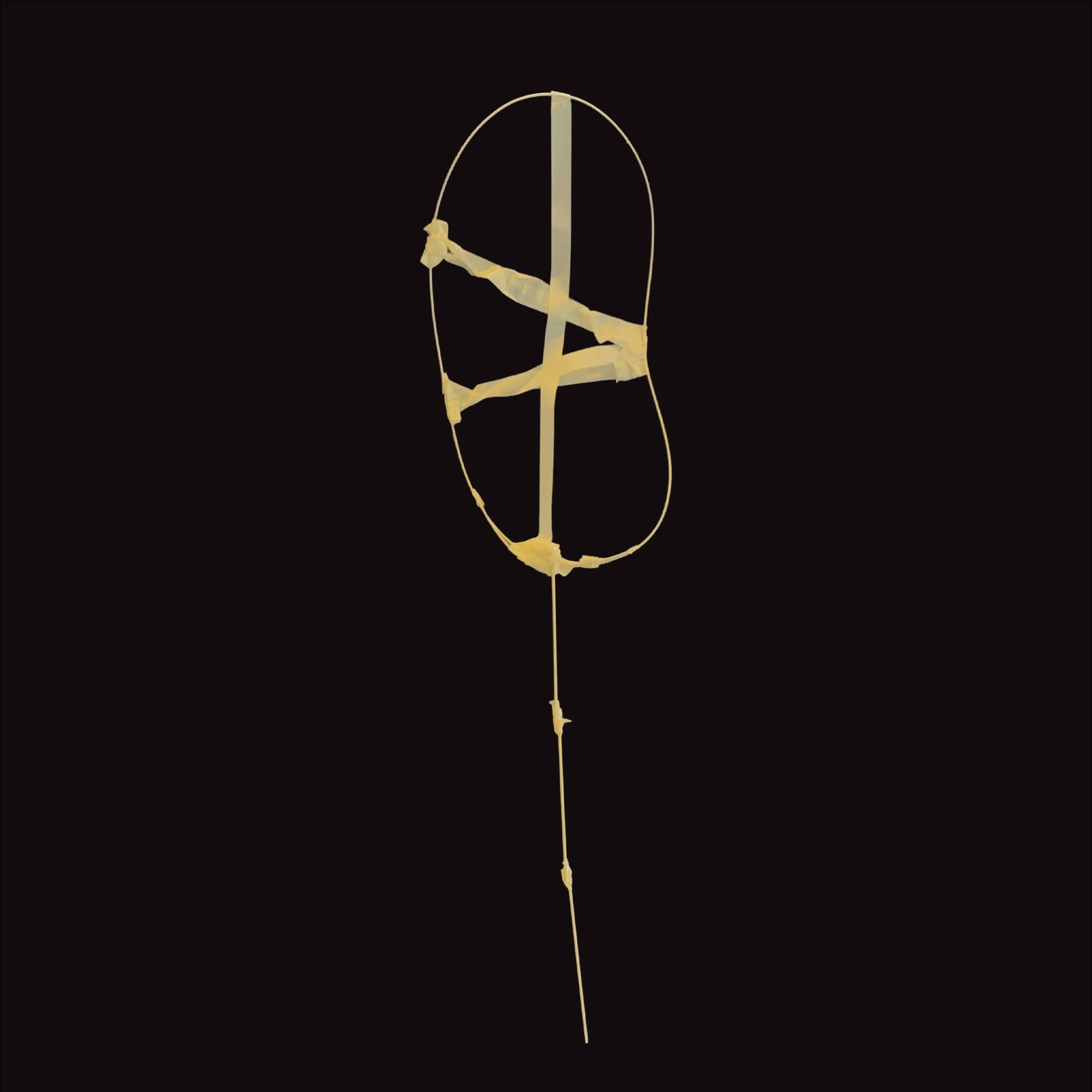
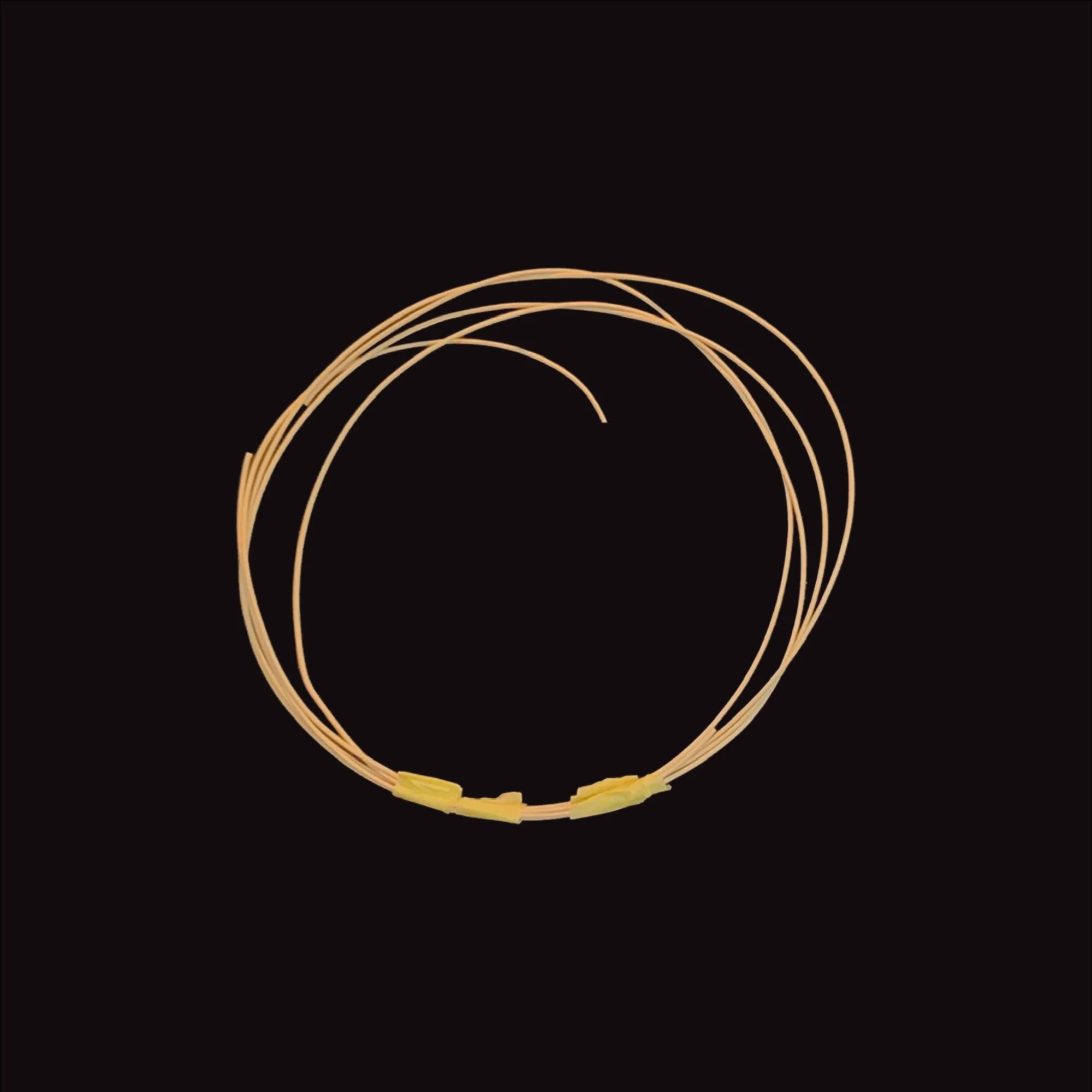
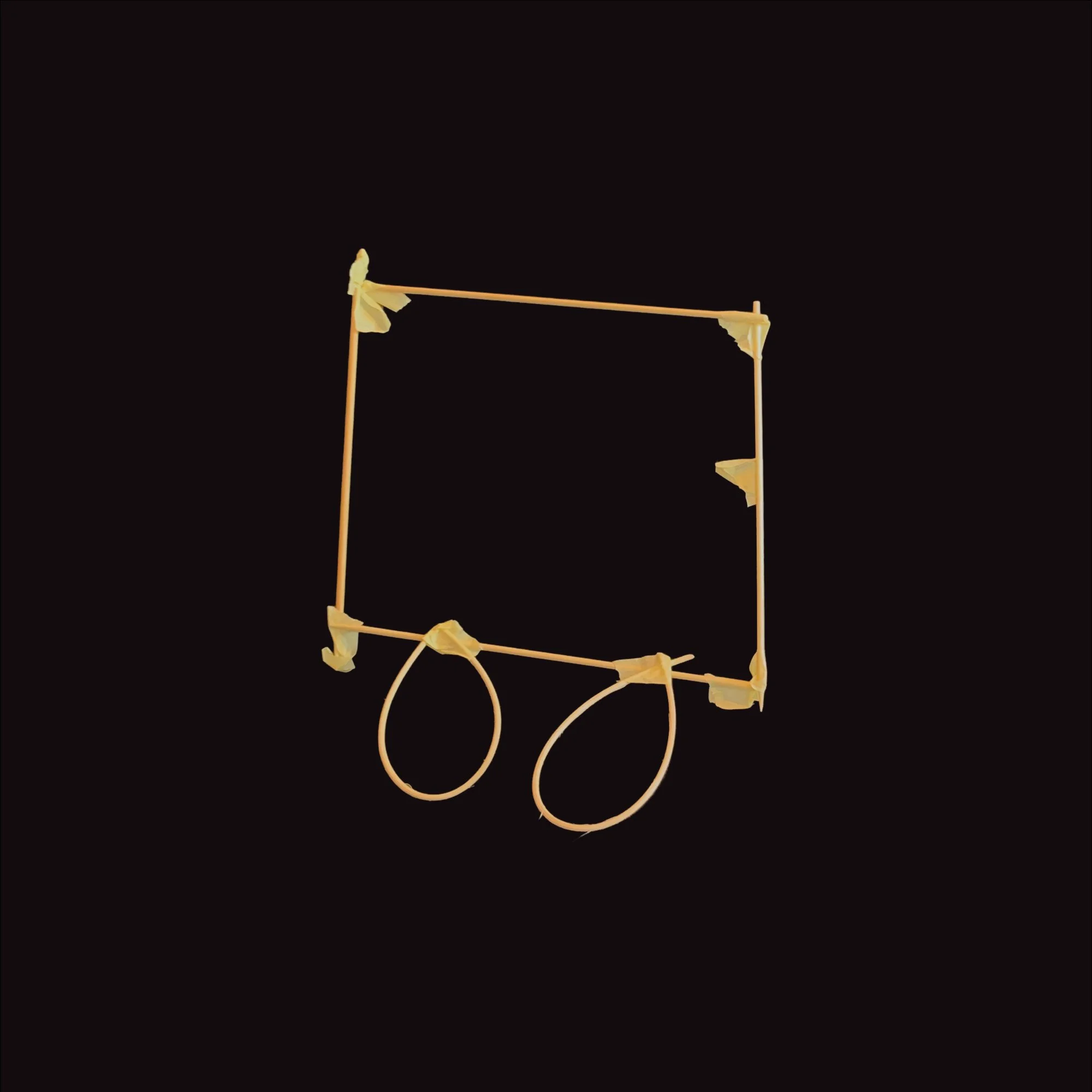
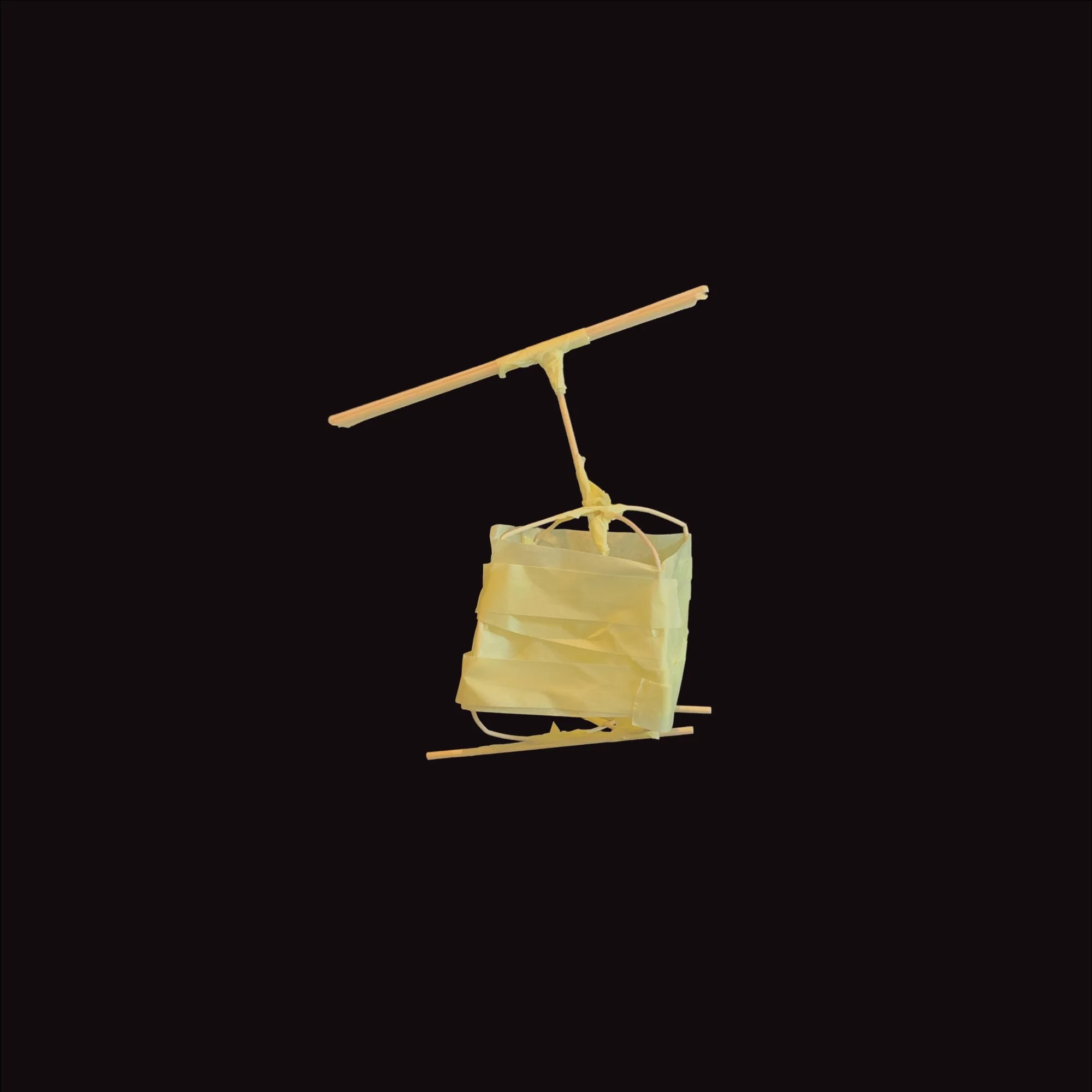
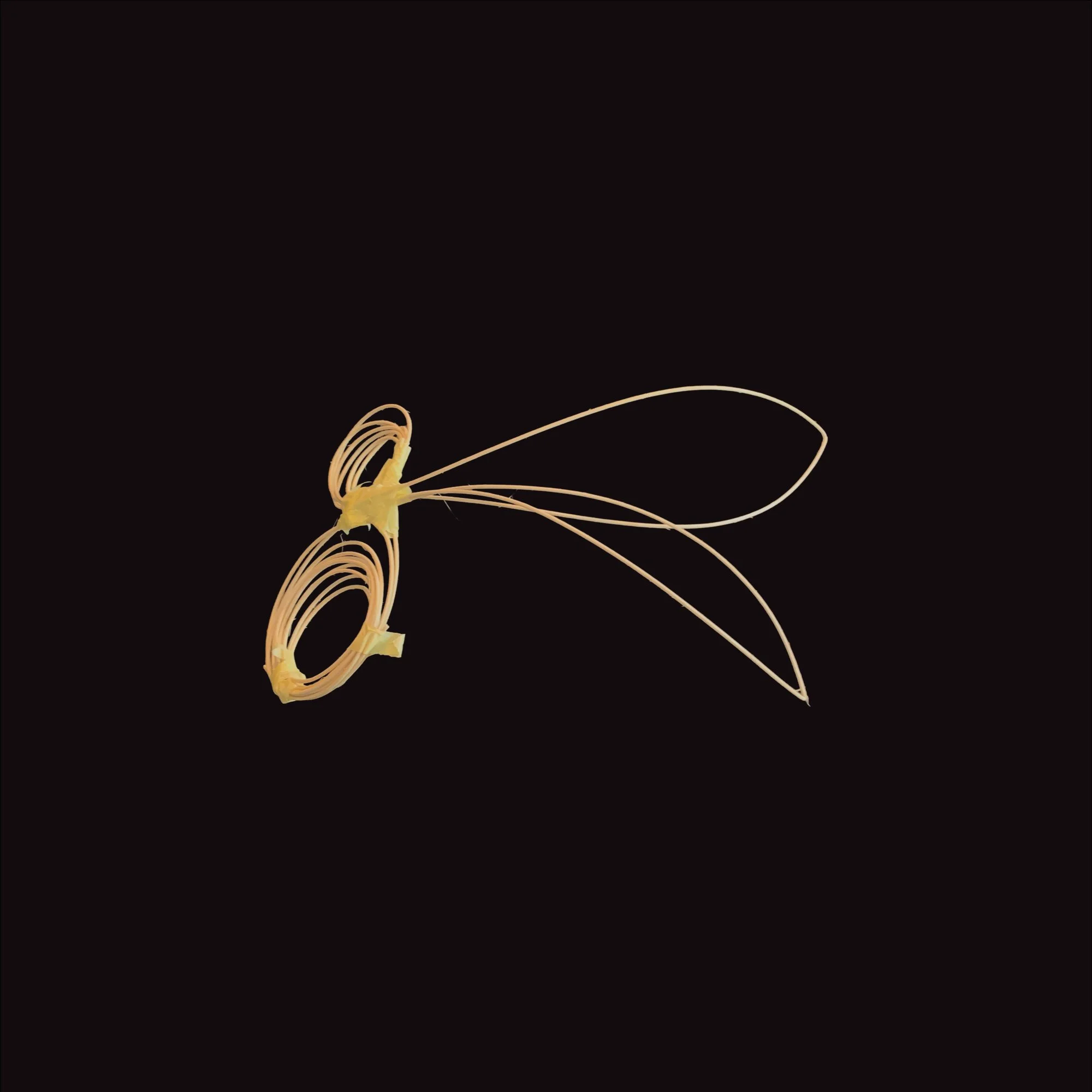
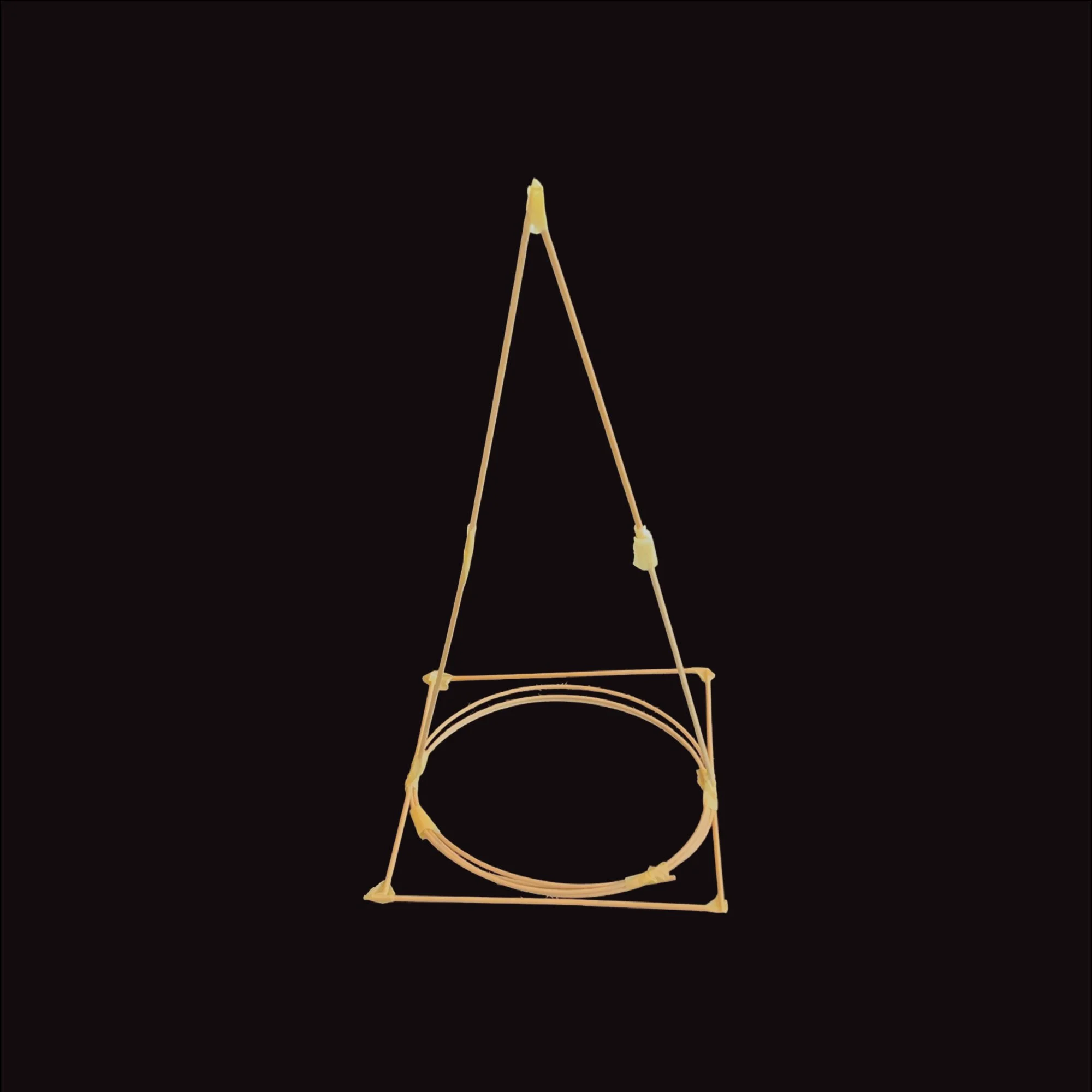
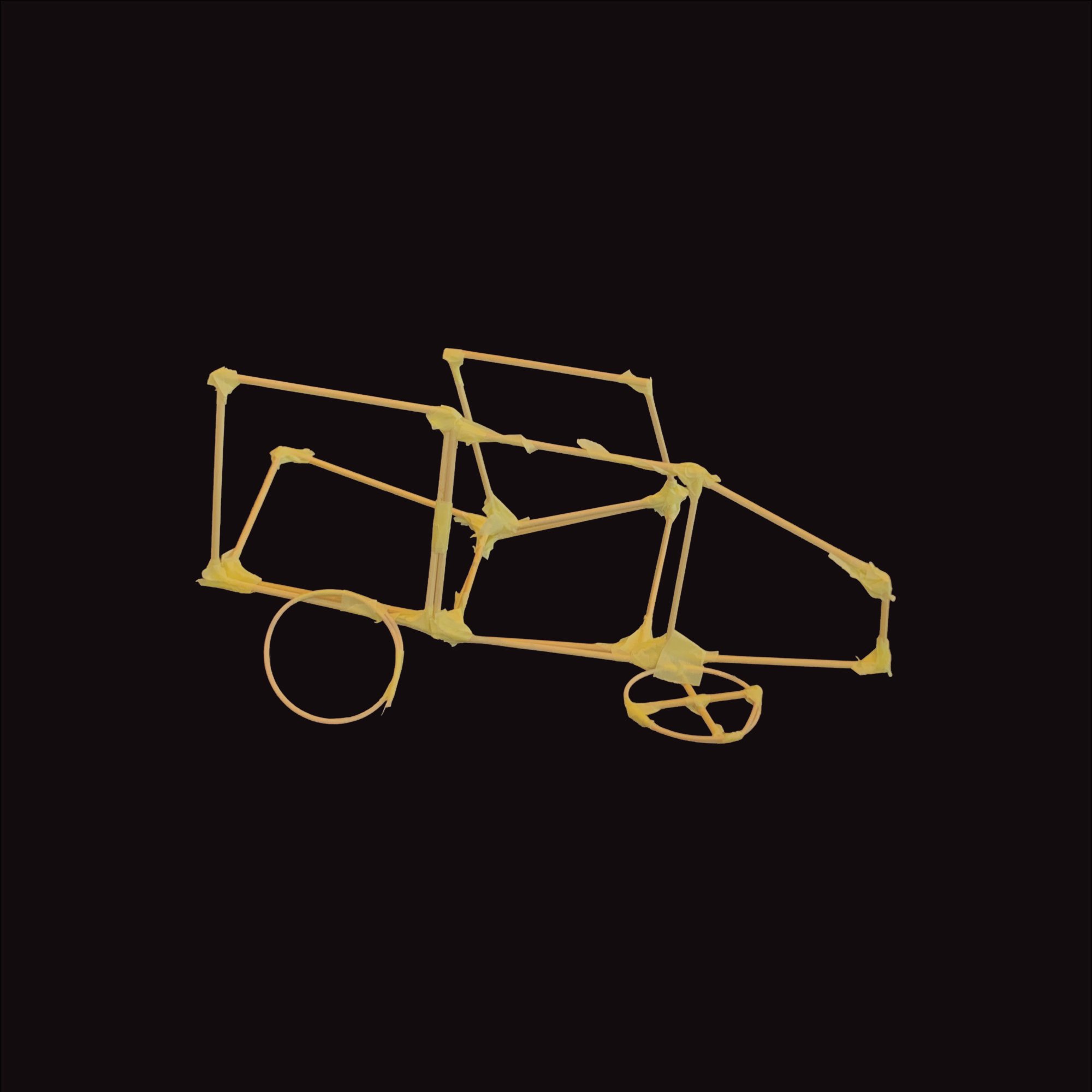
stage 2 day 2
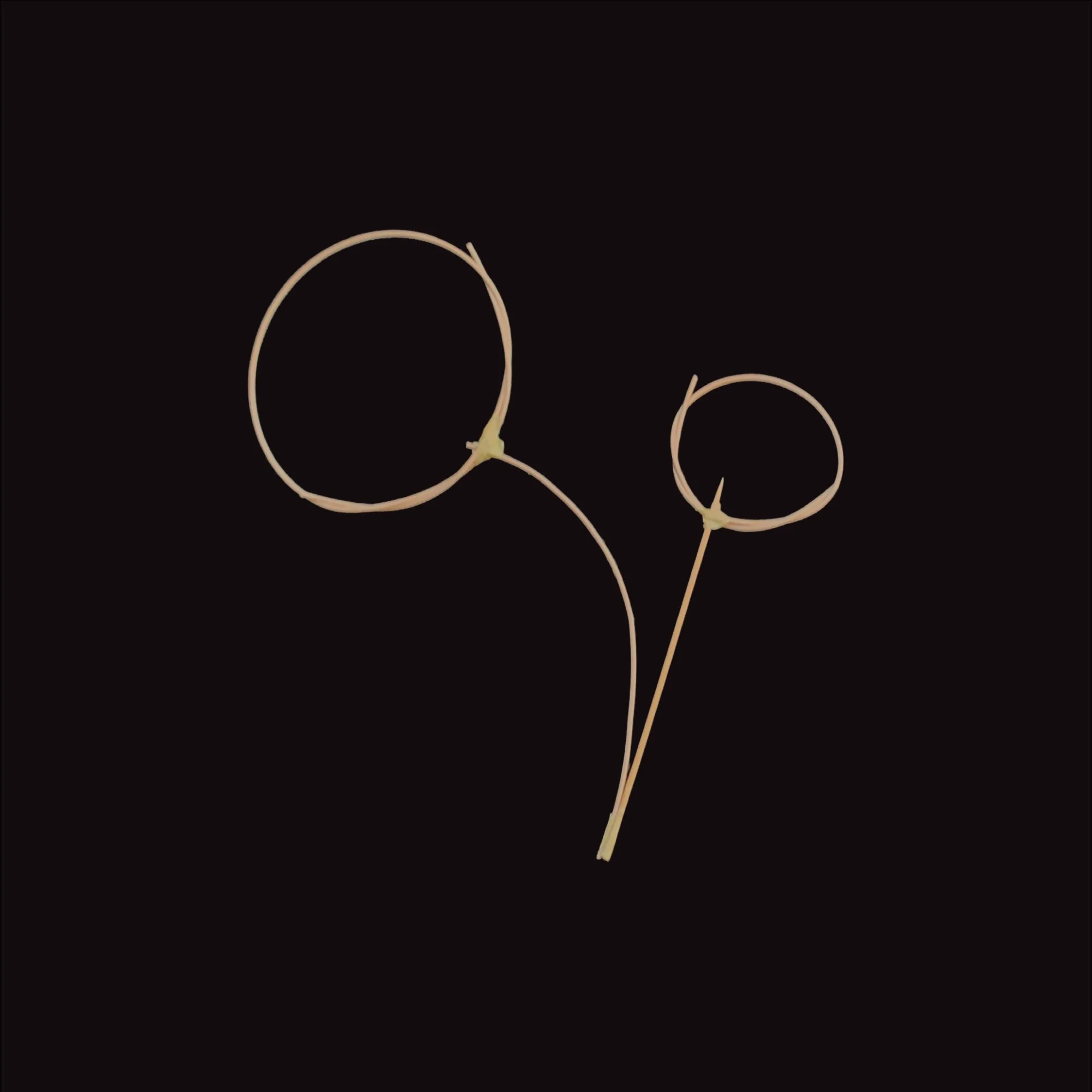
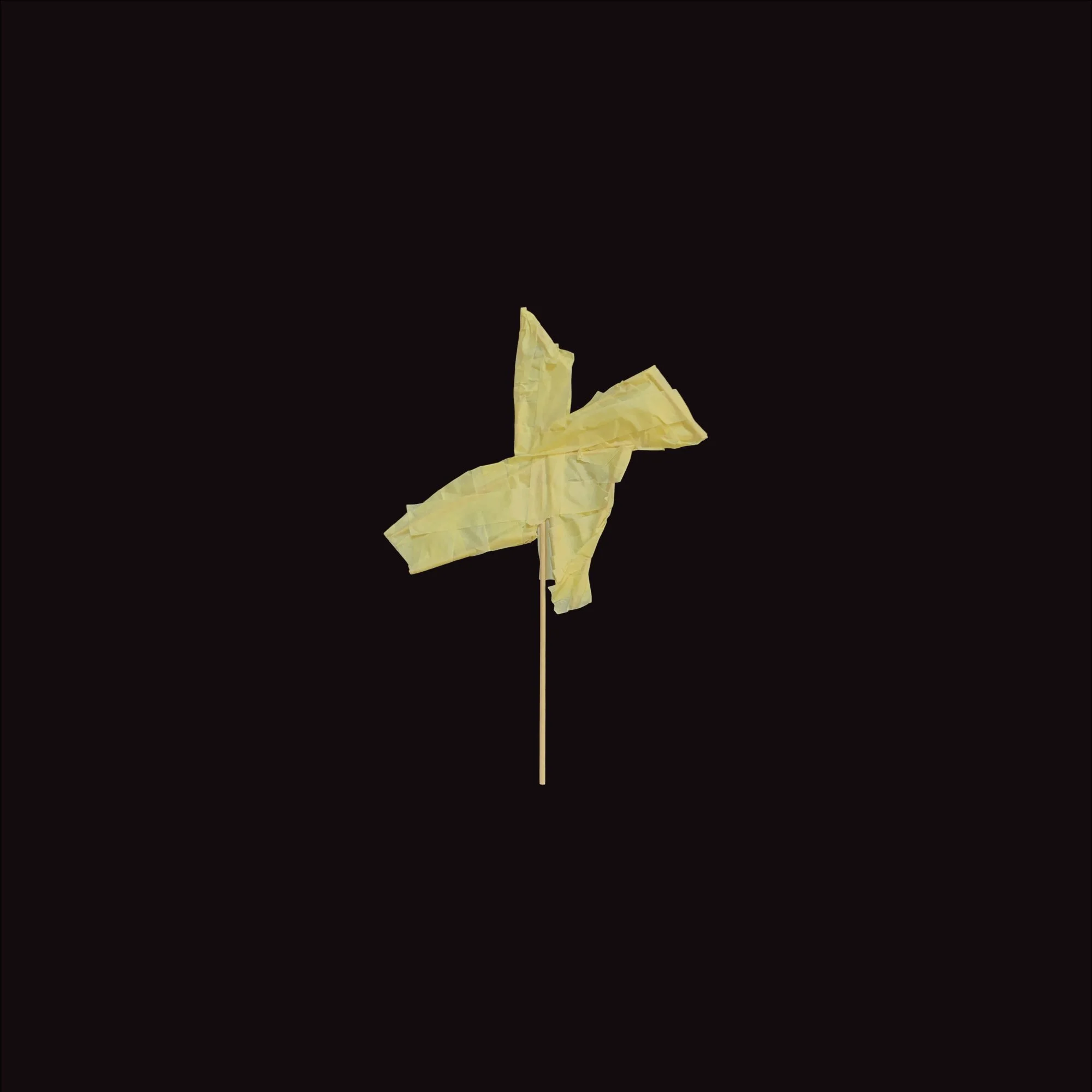
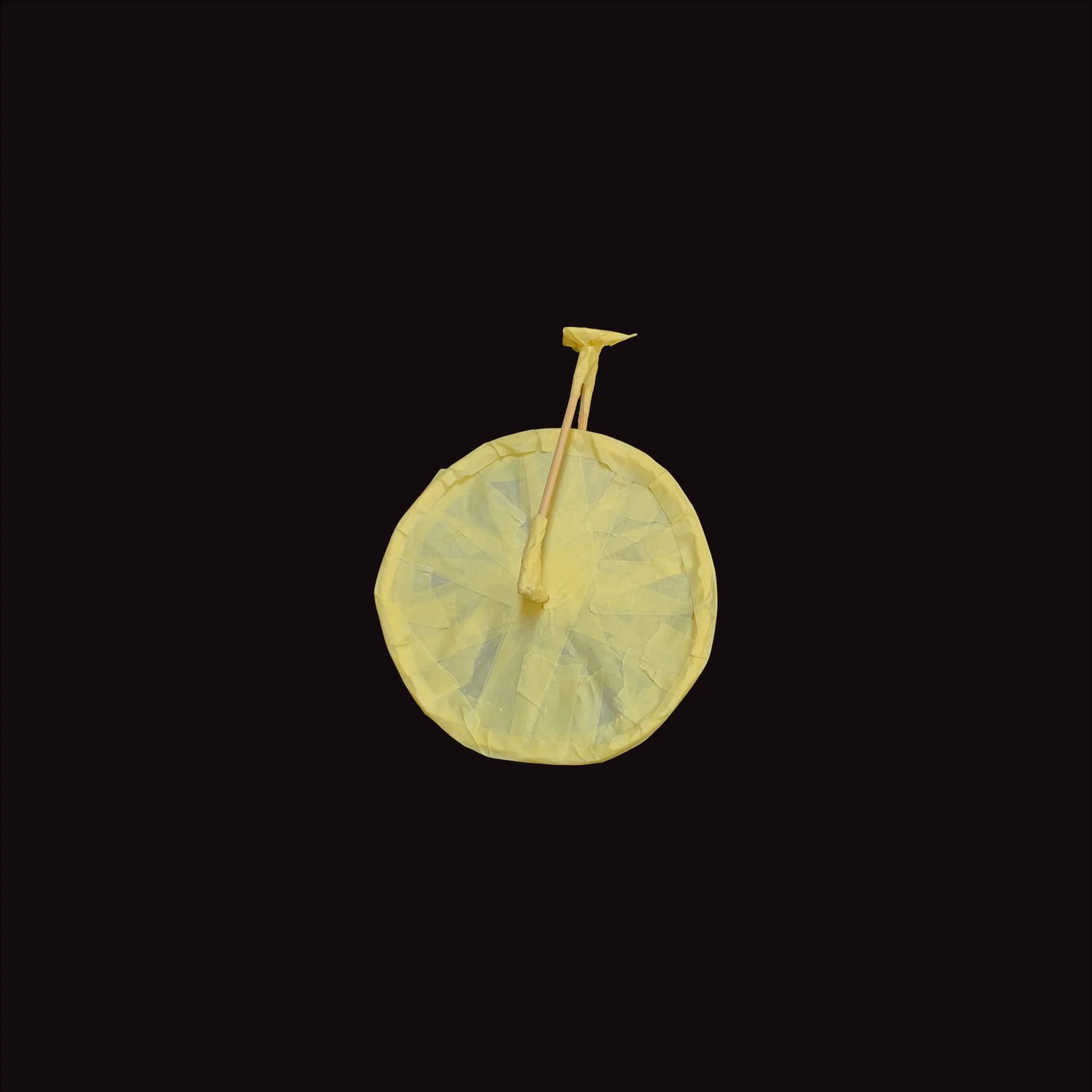
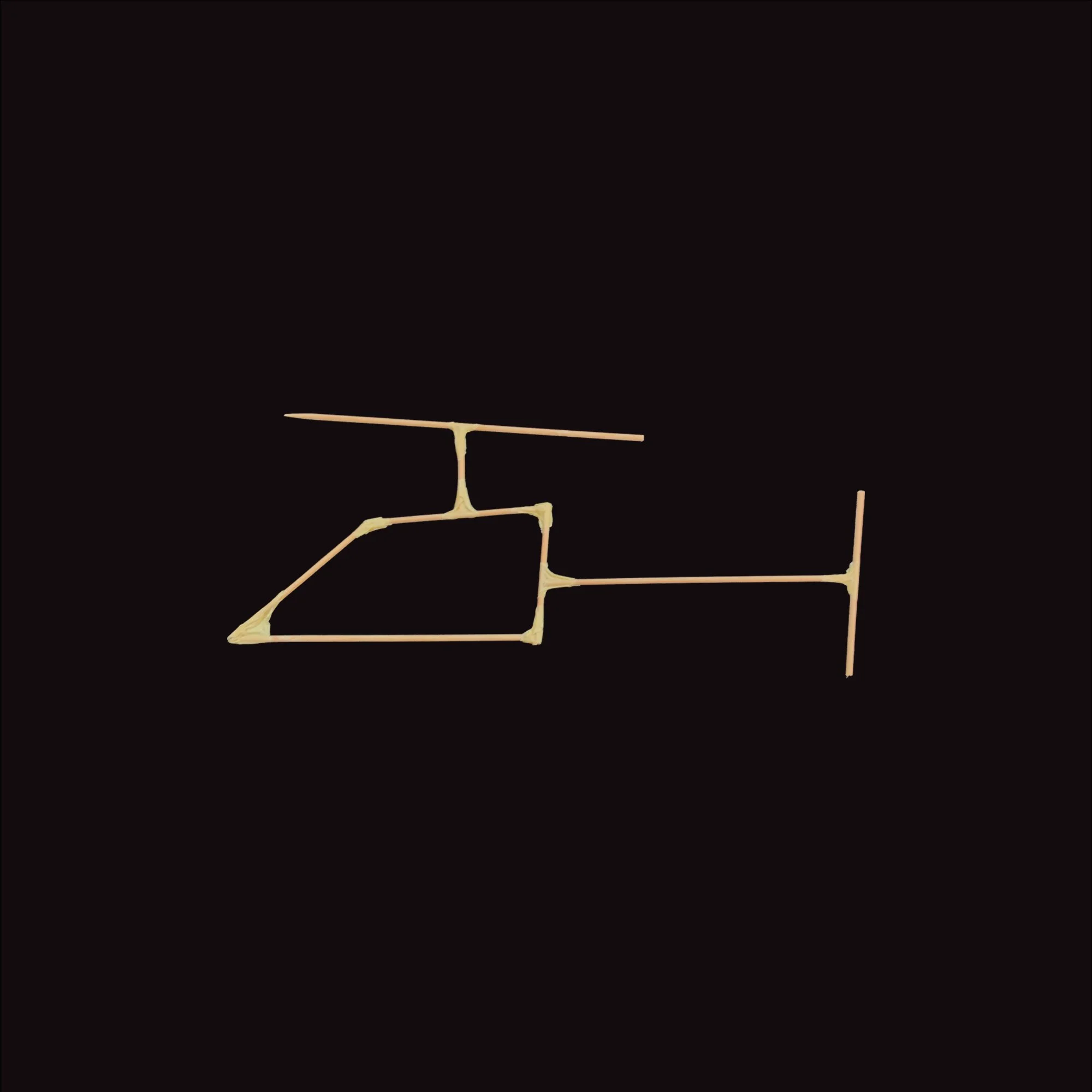
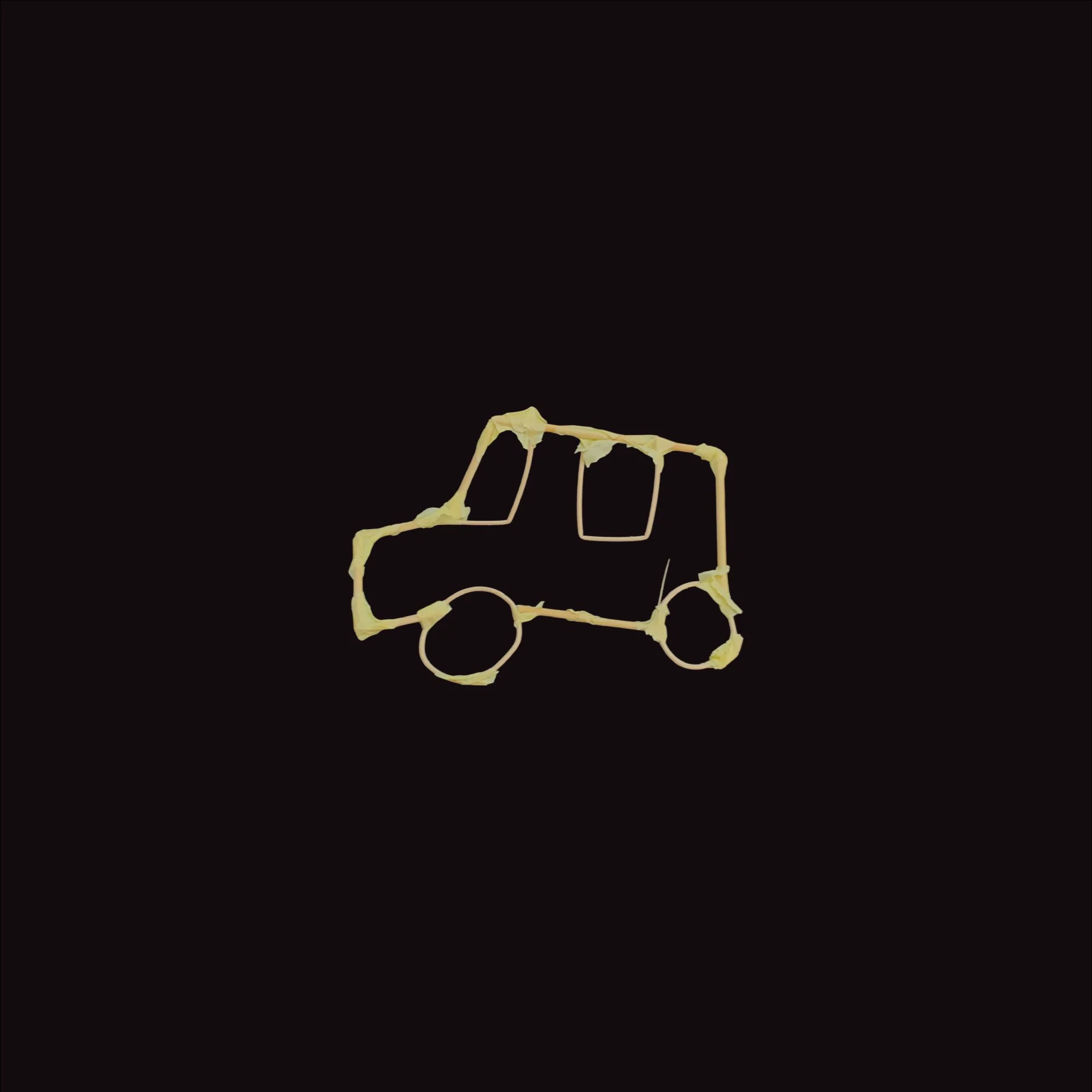
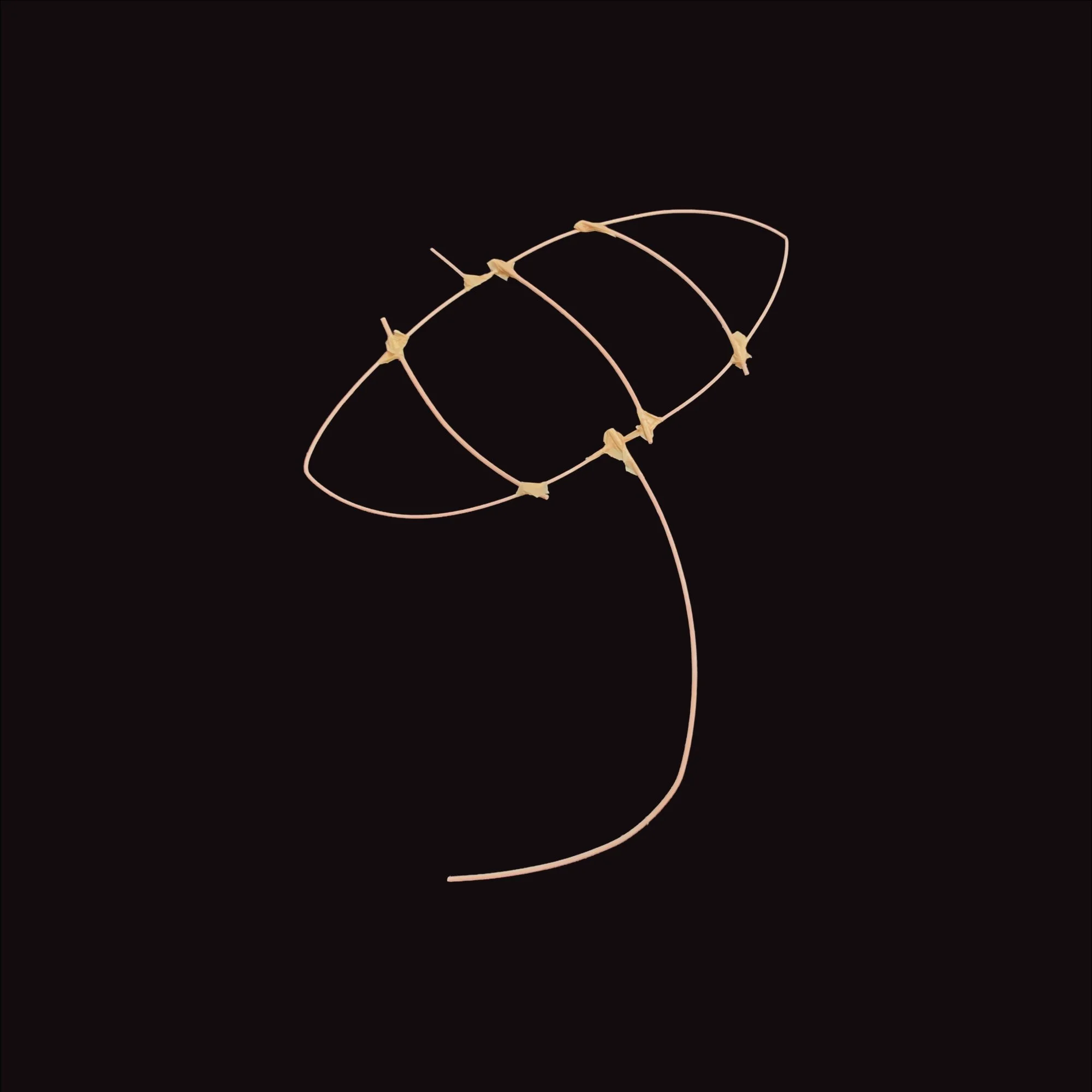
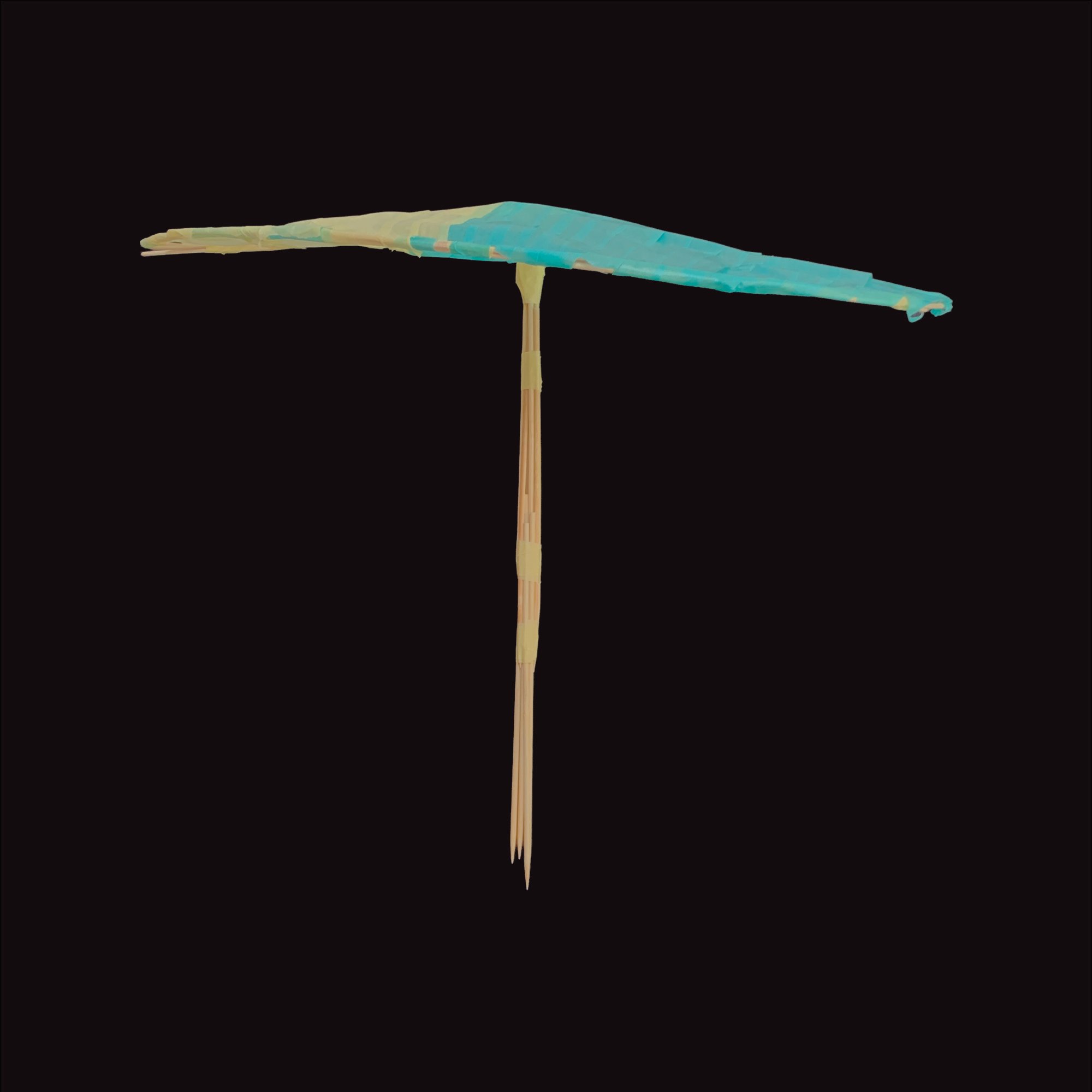
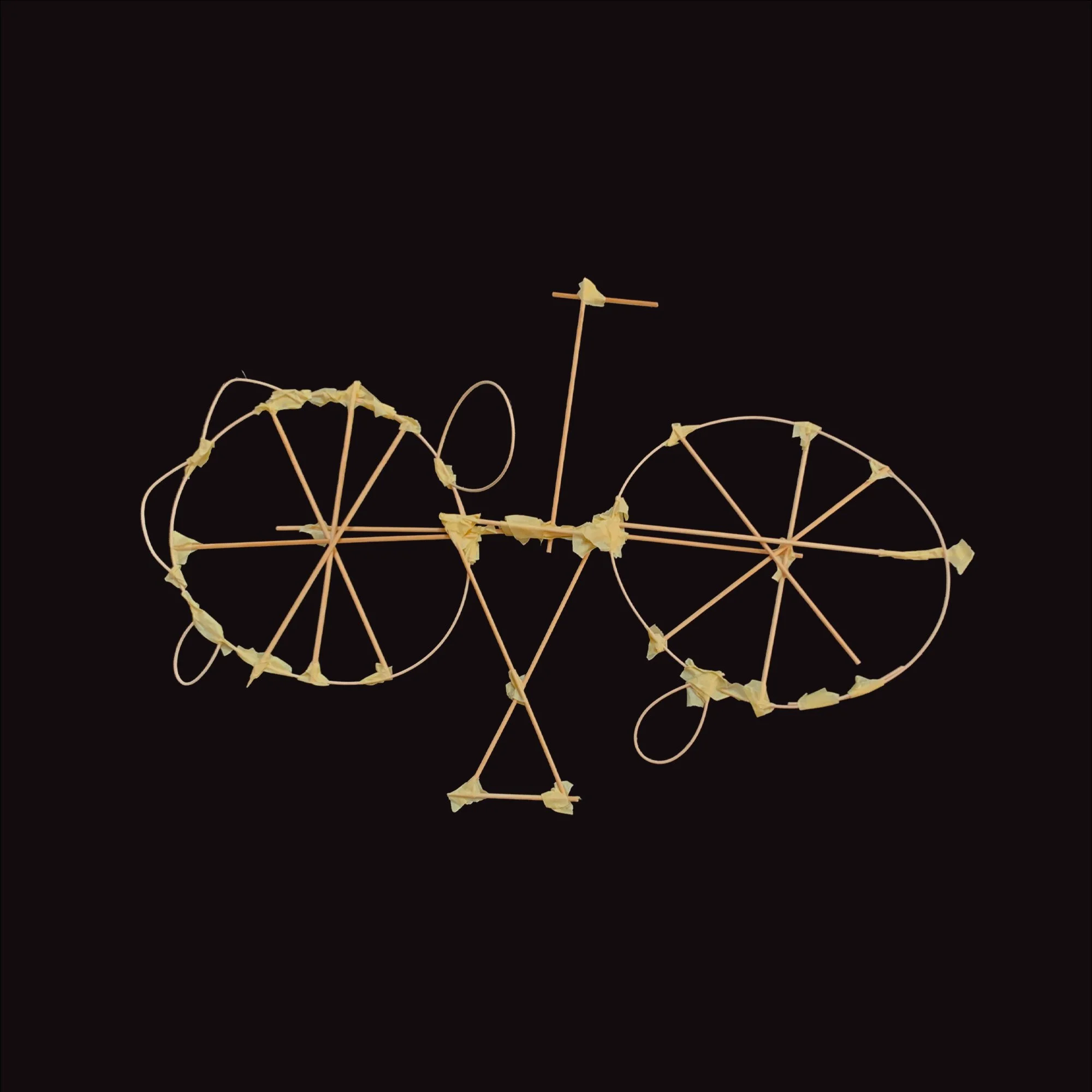
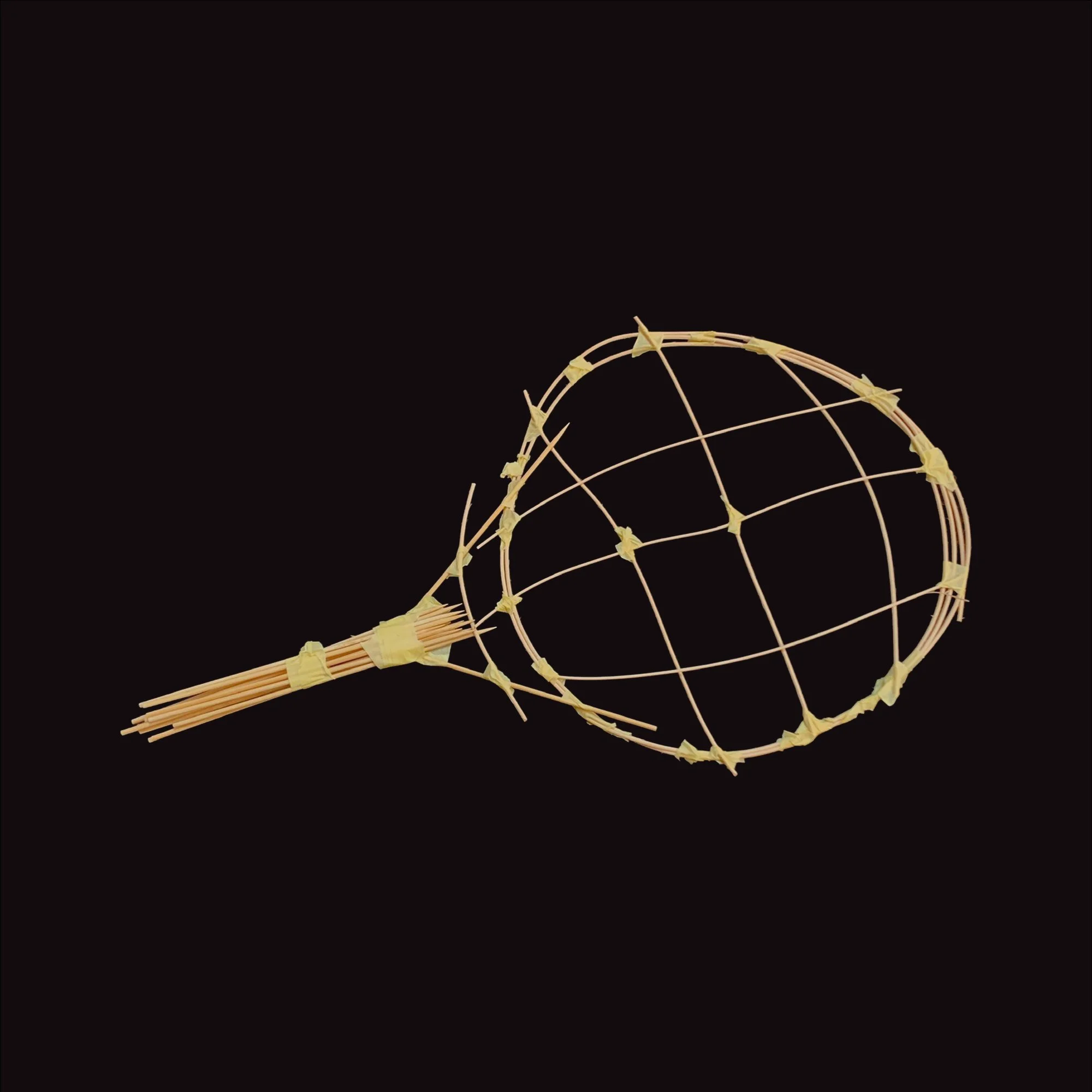
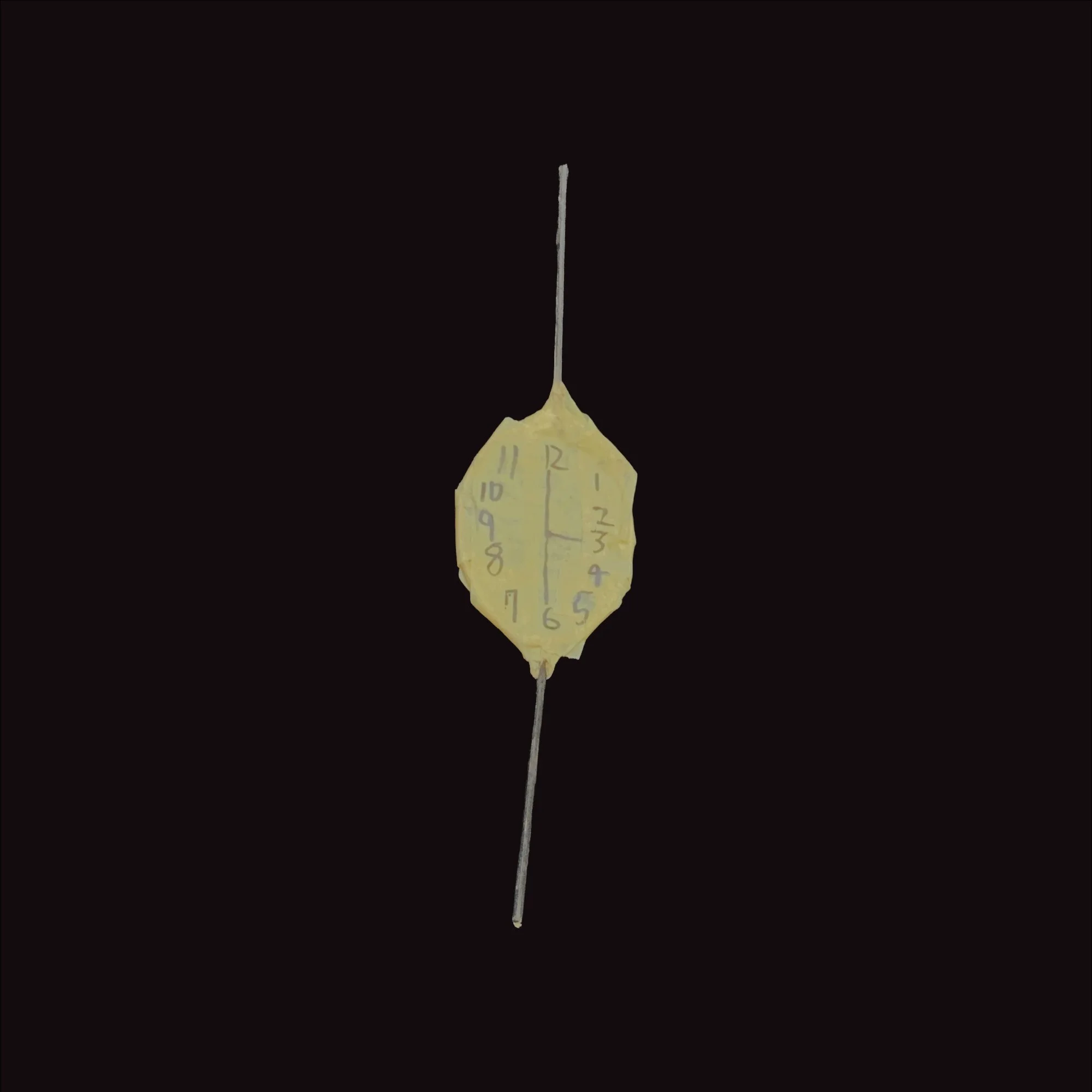
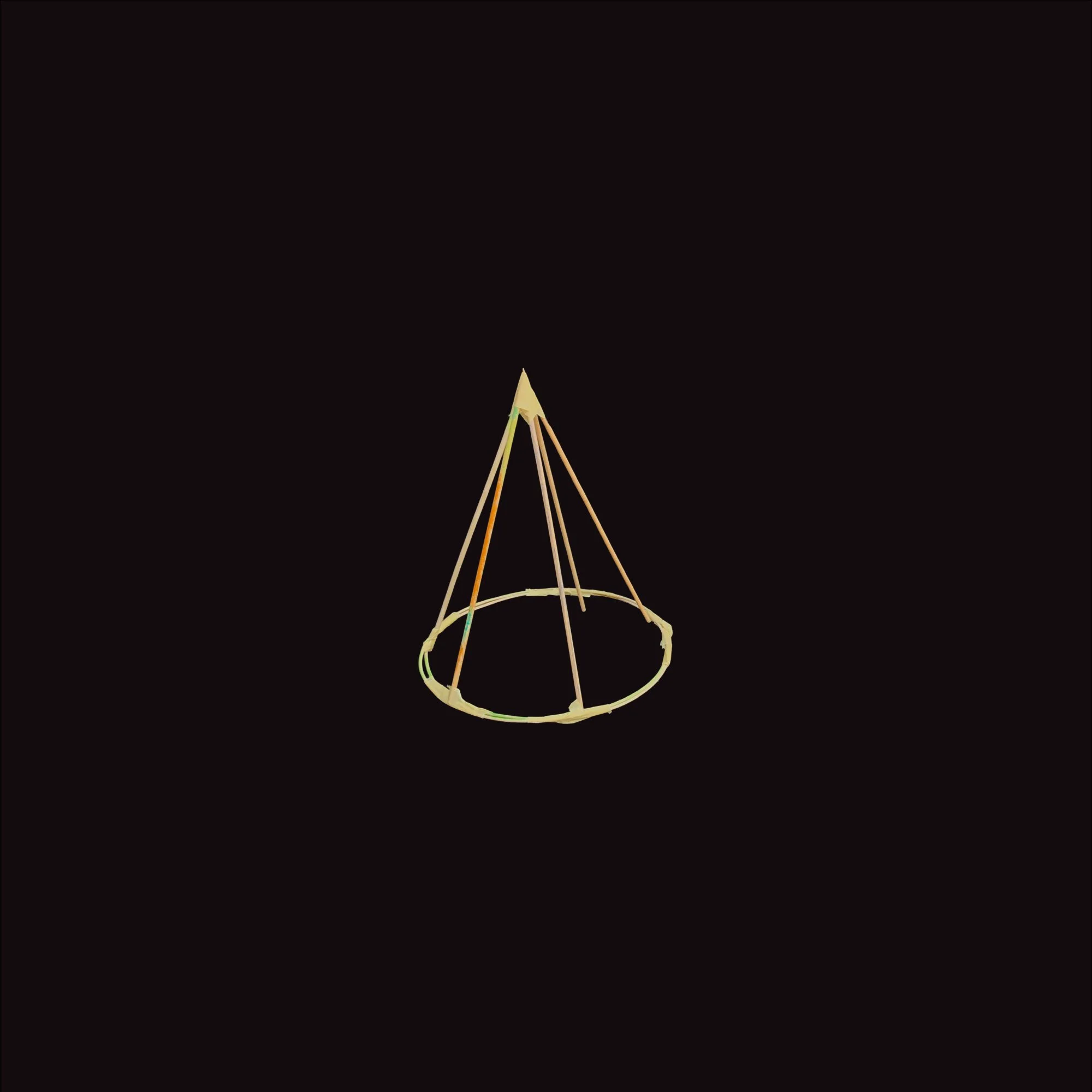
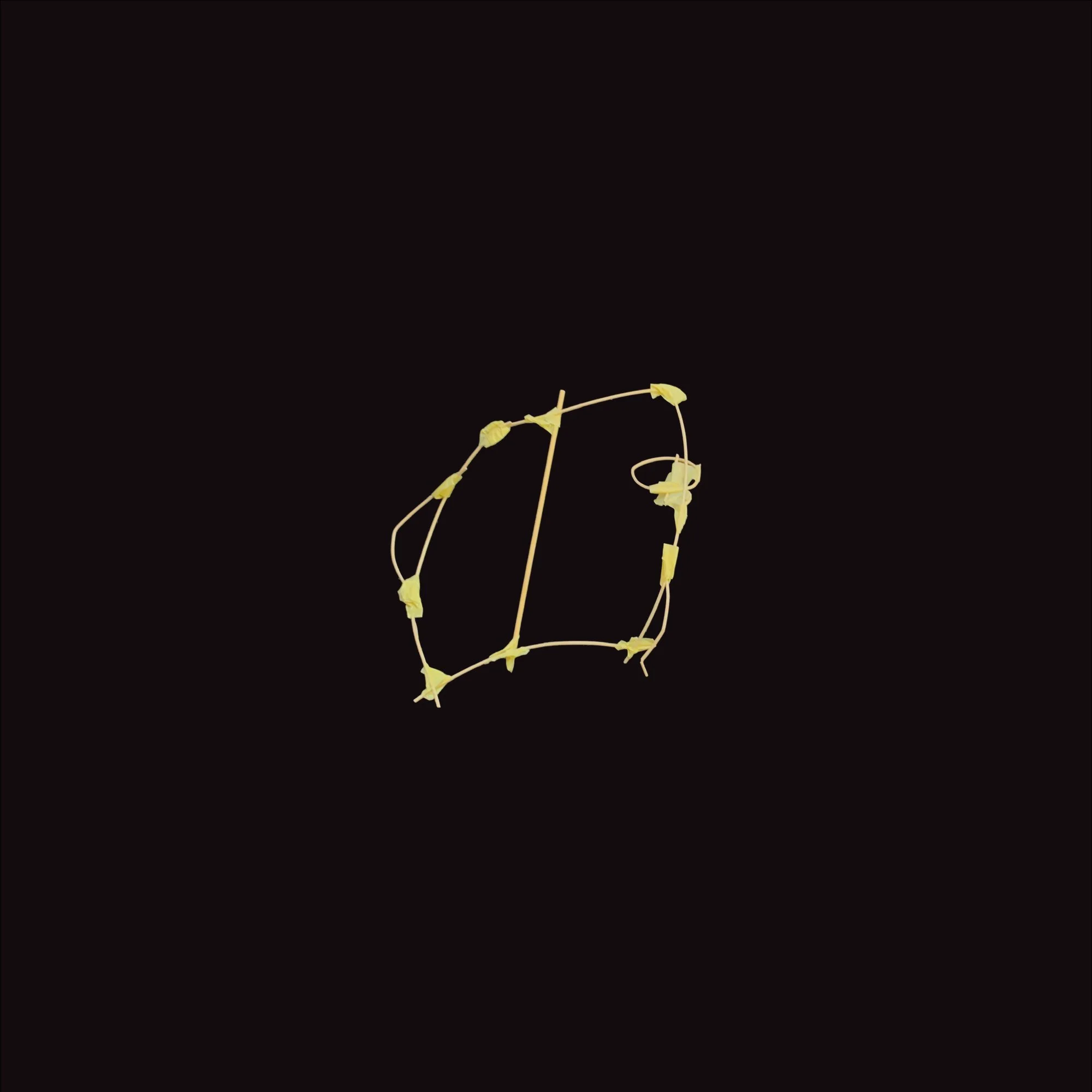
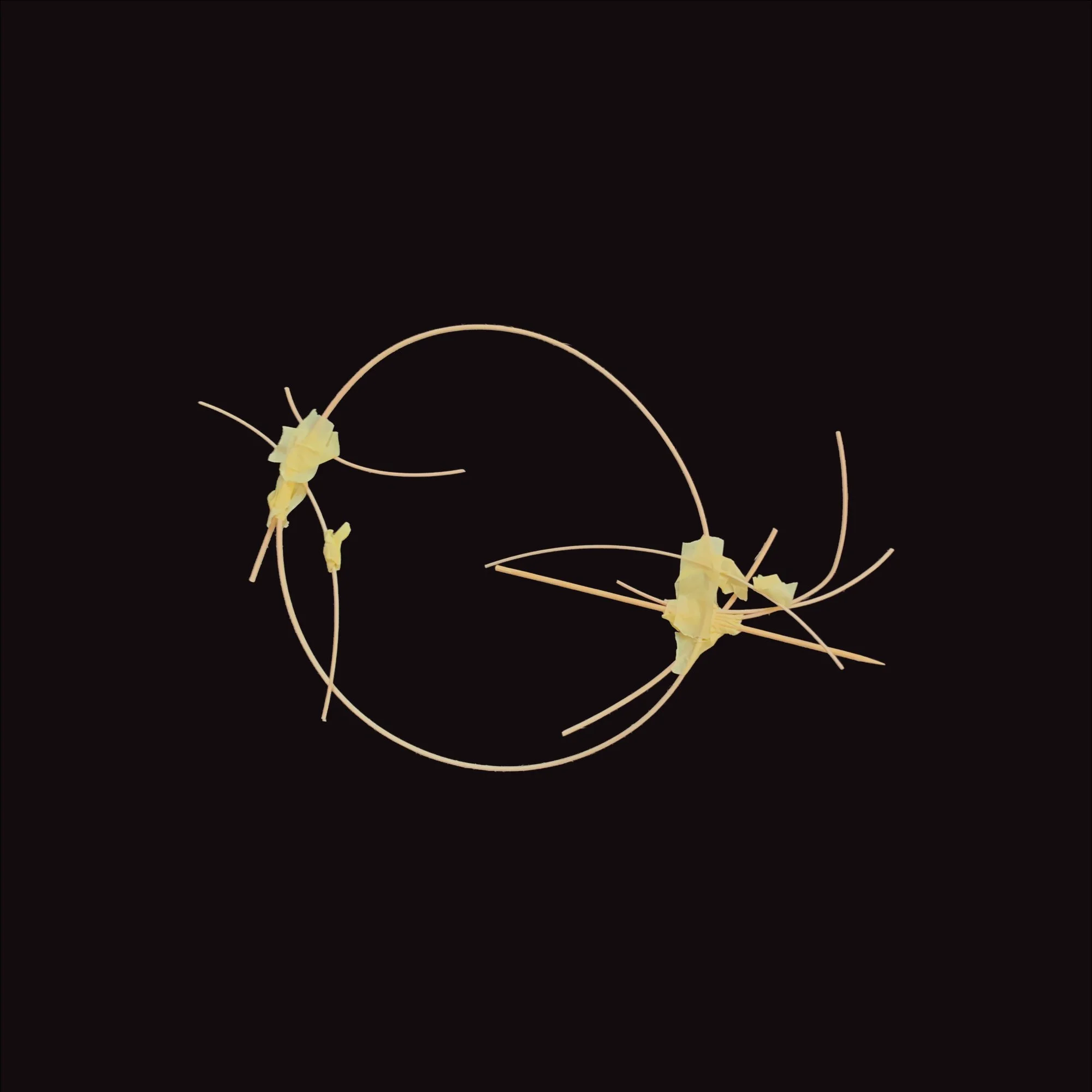
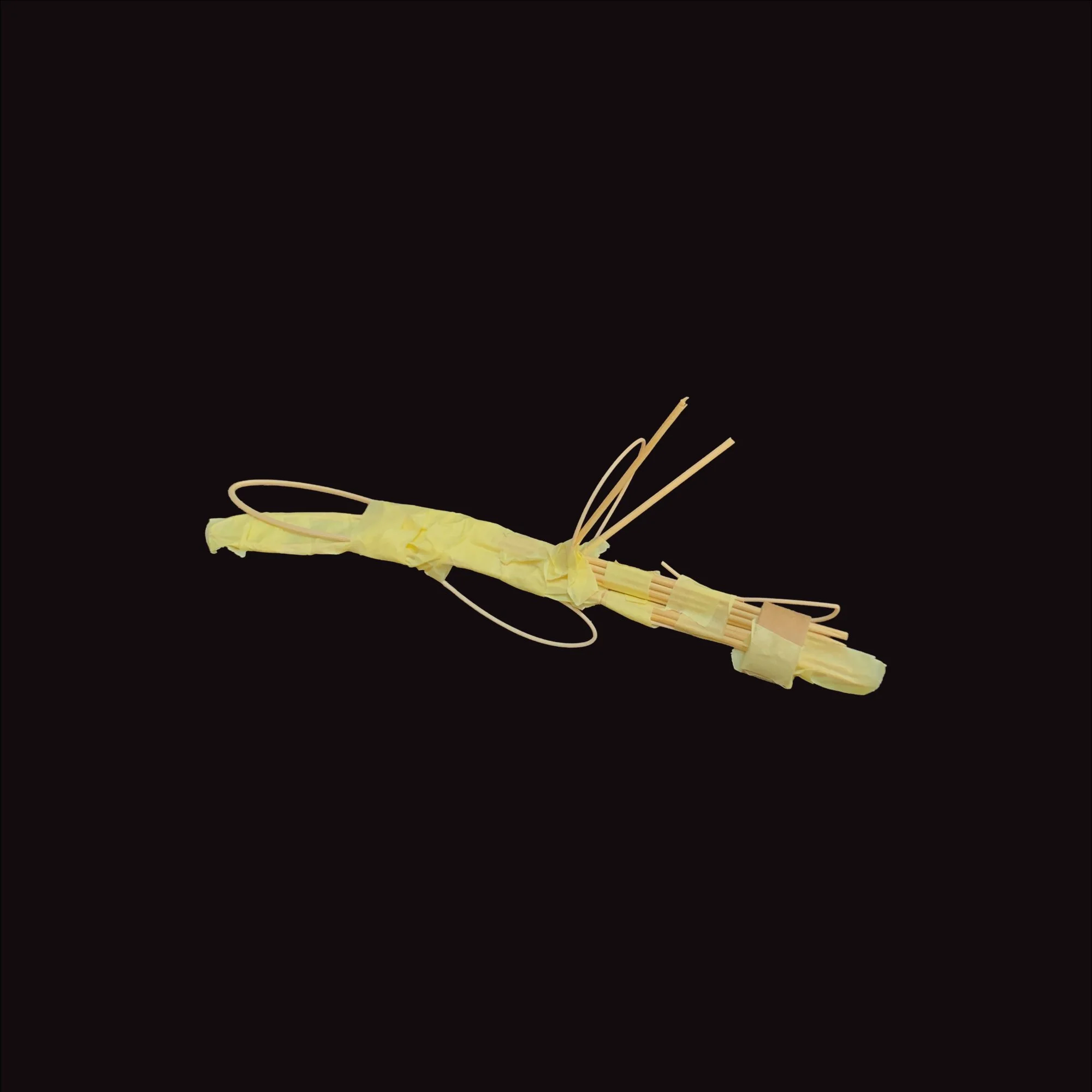
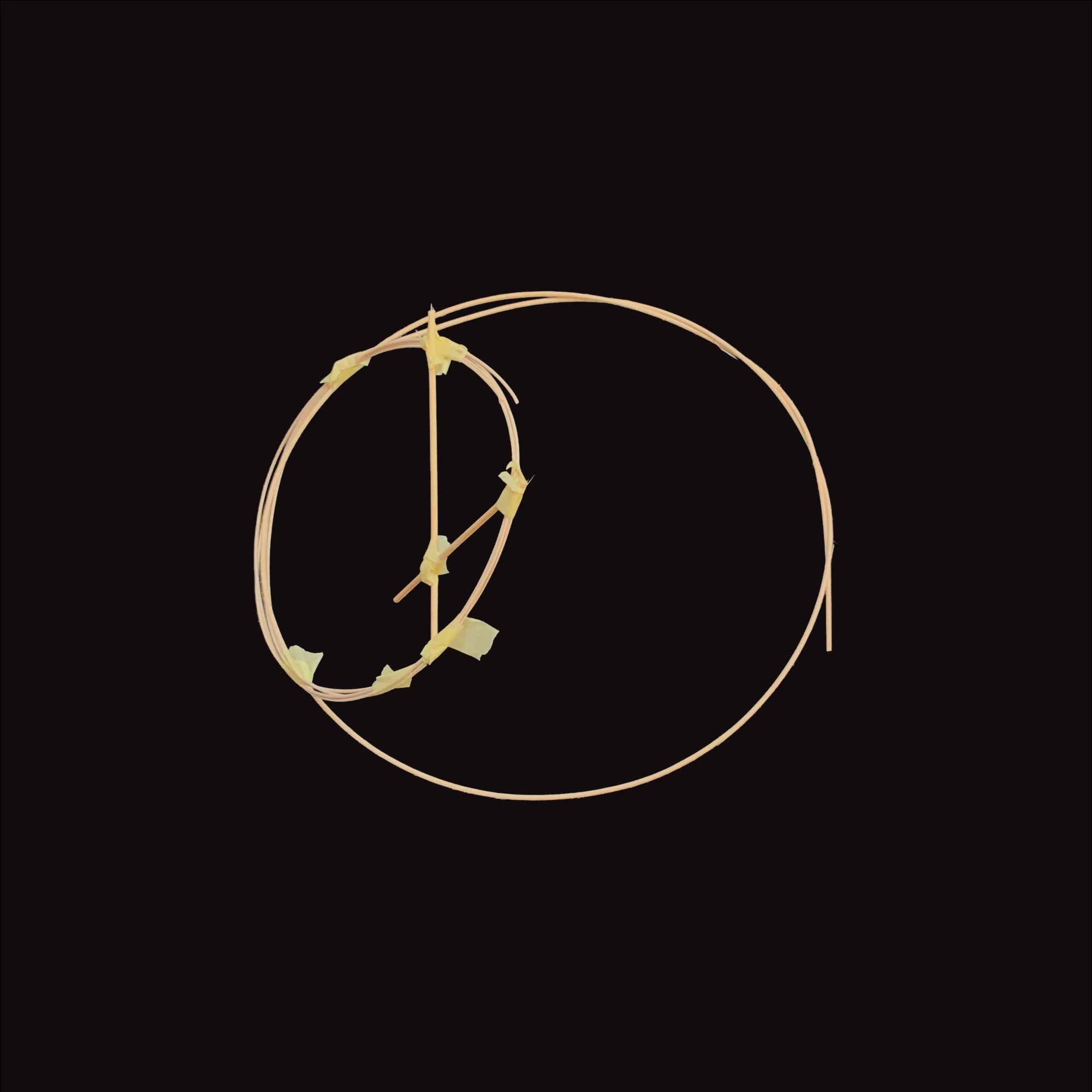
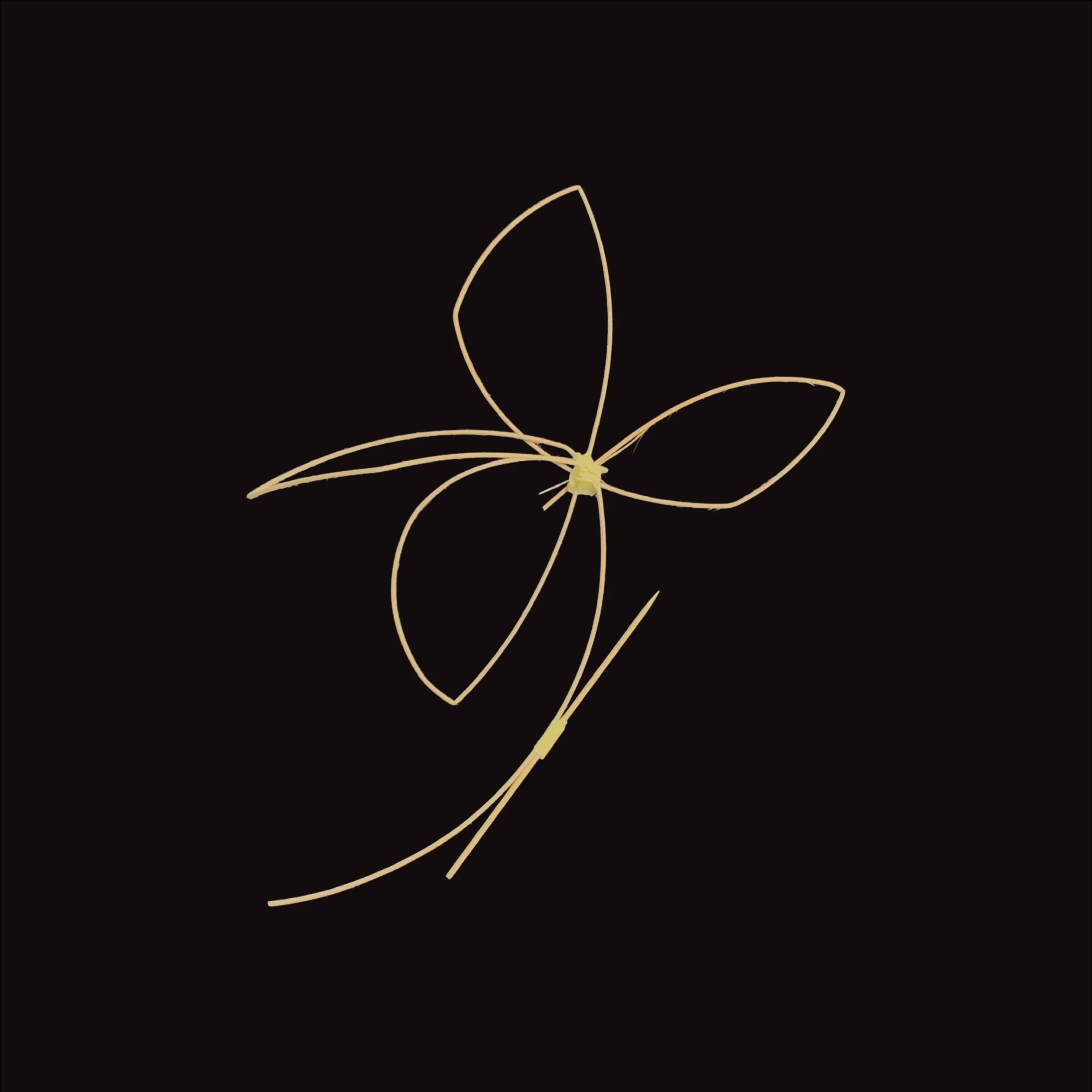
stage 3 day 1
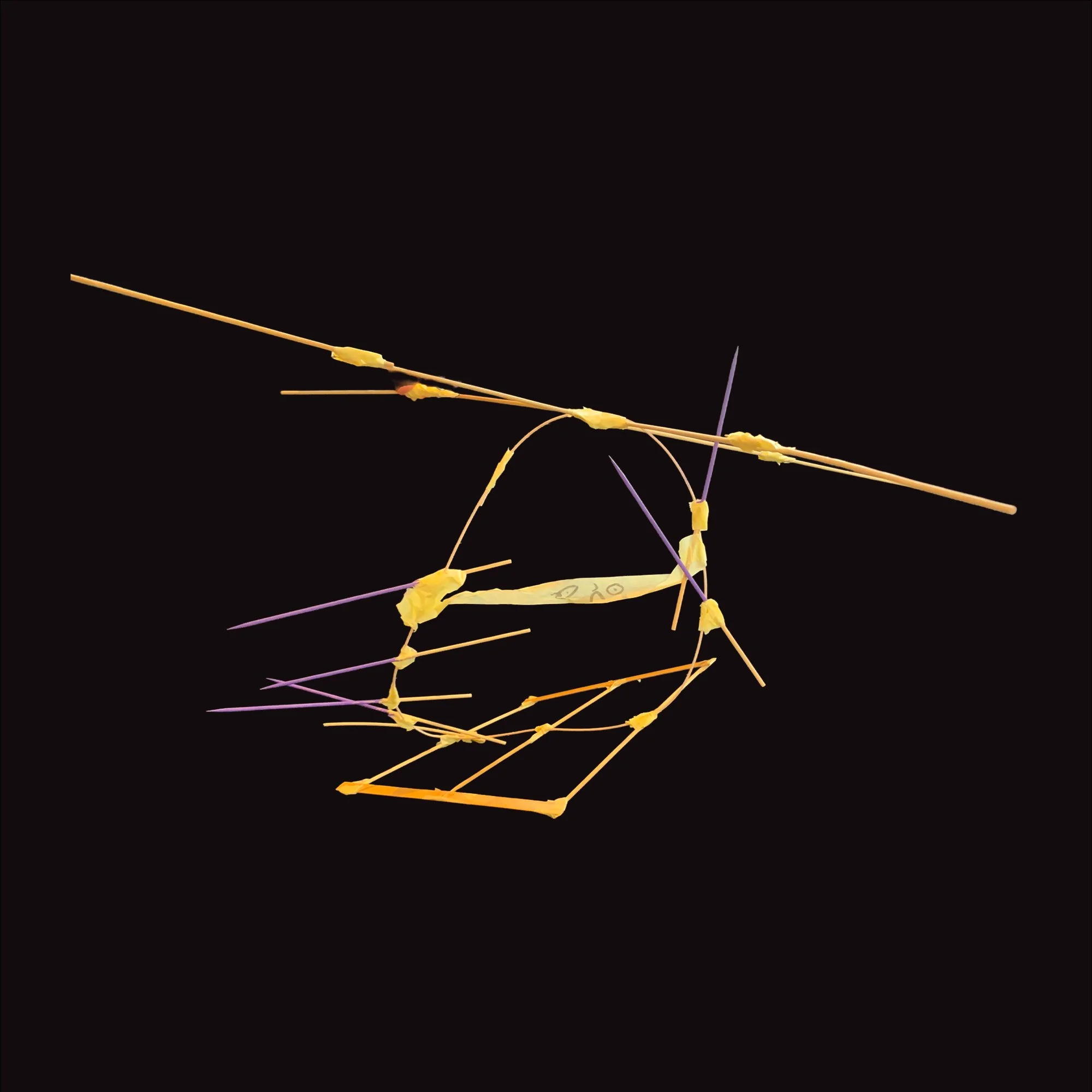
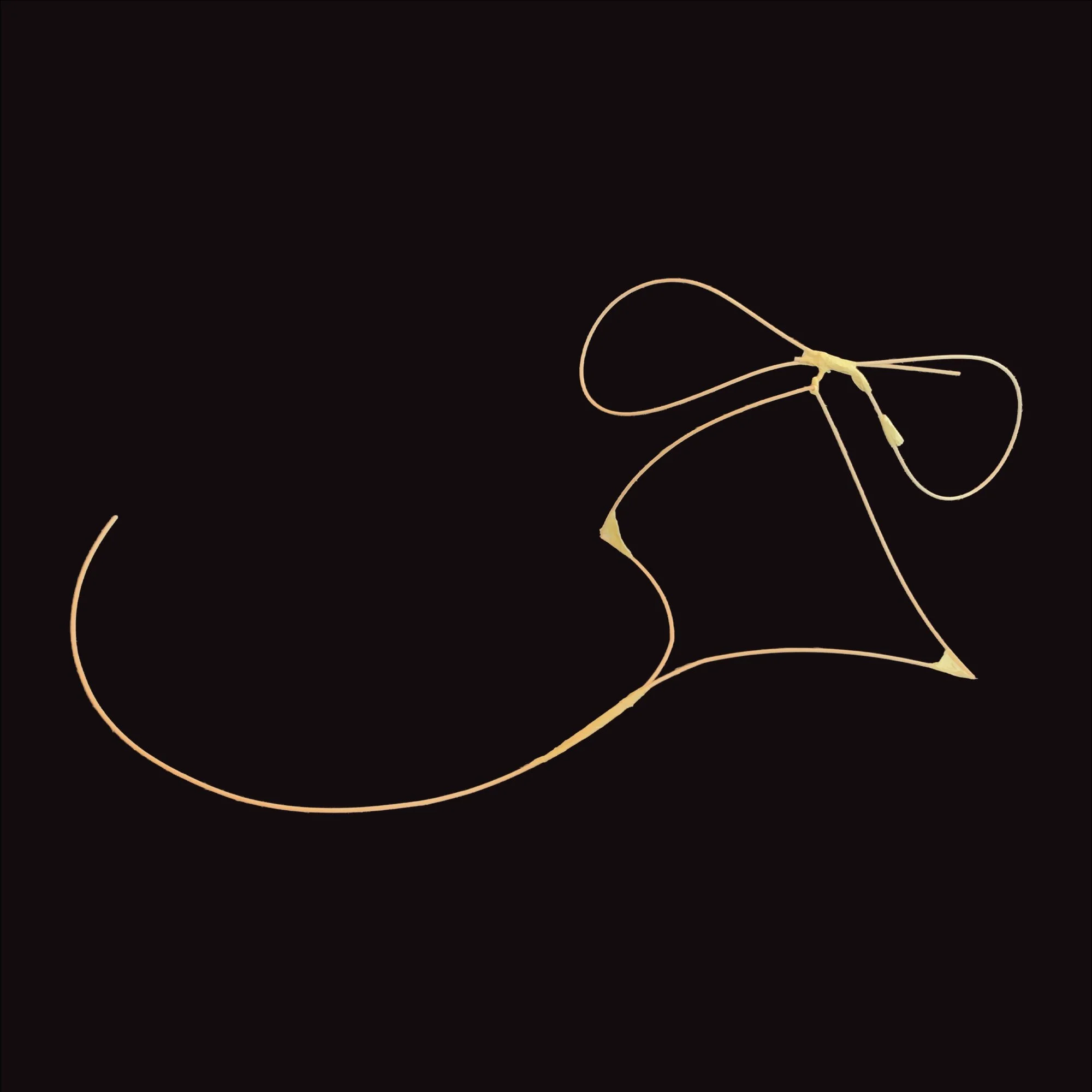
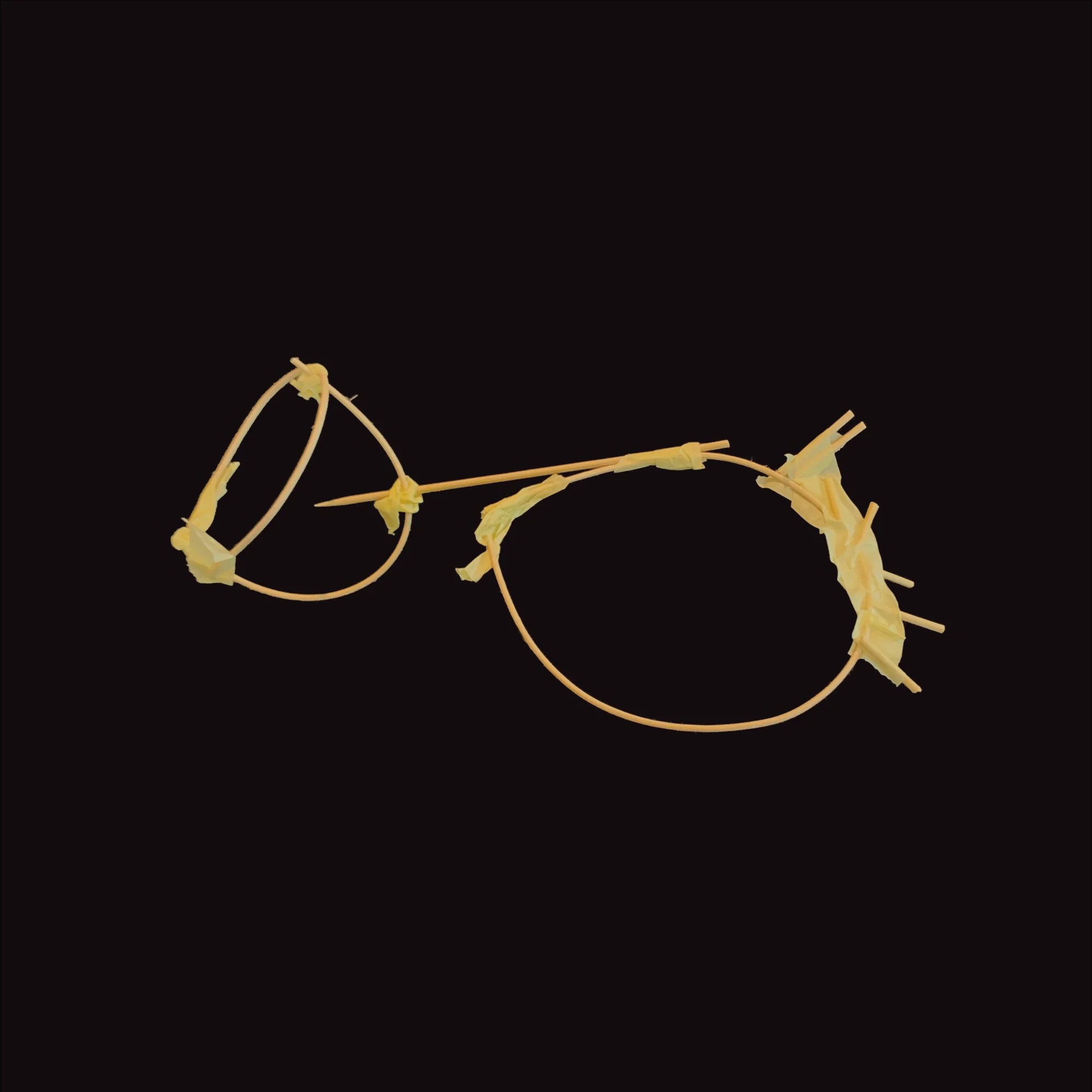
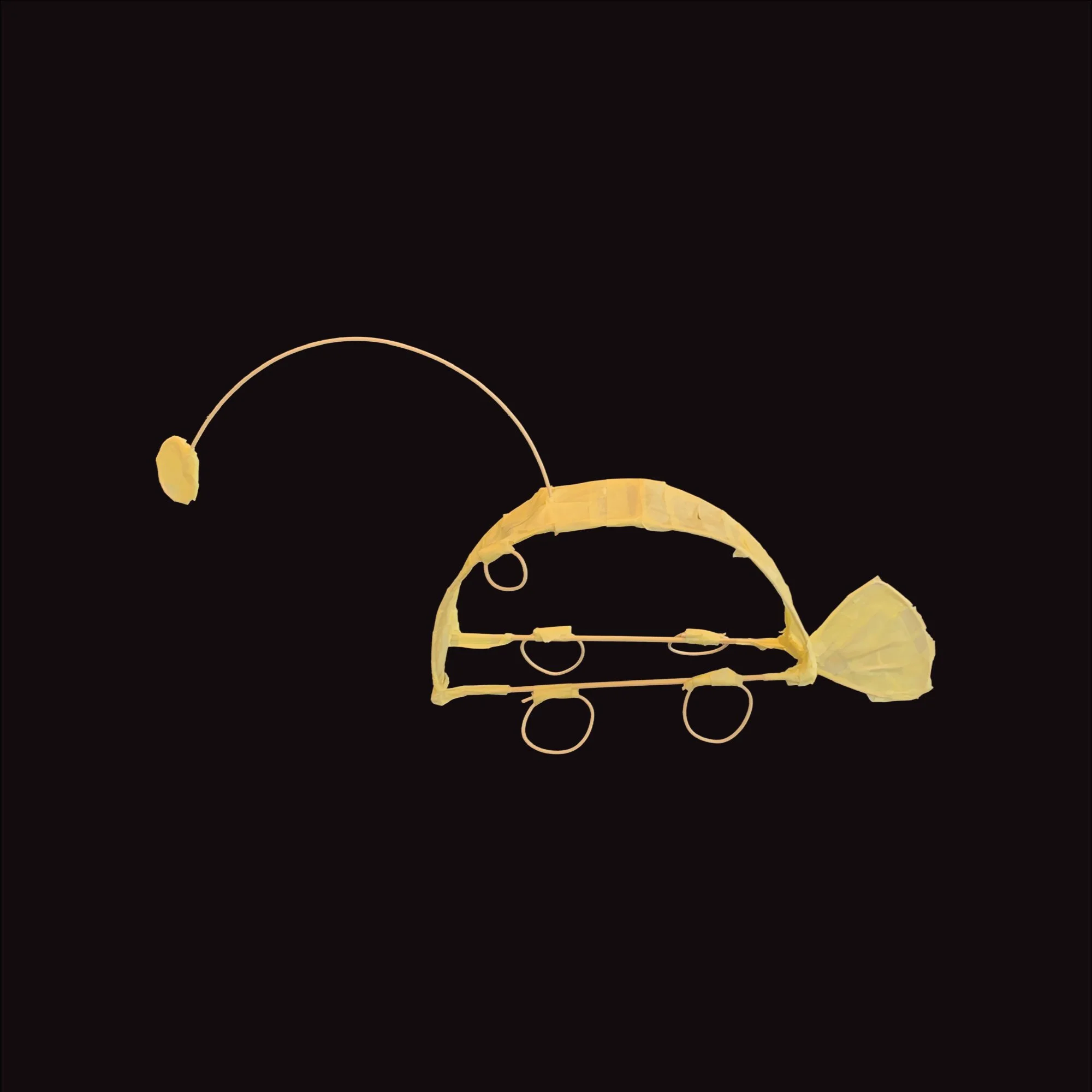
stage 3 day 2
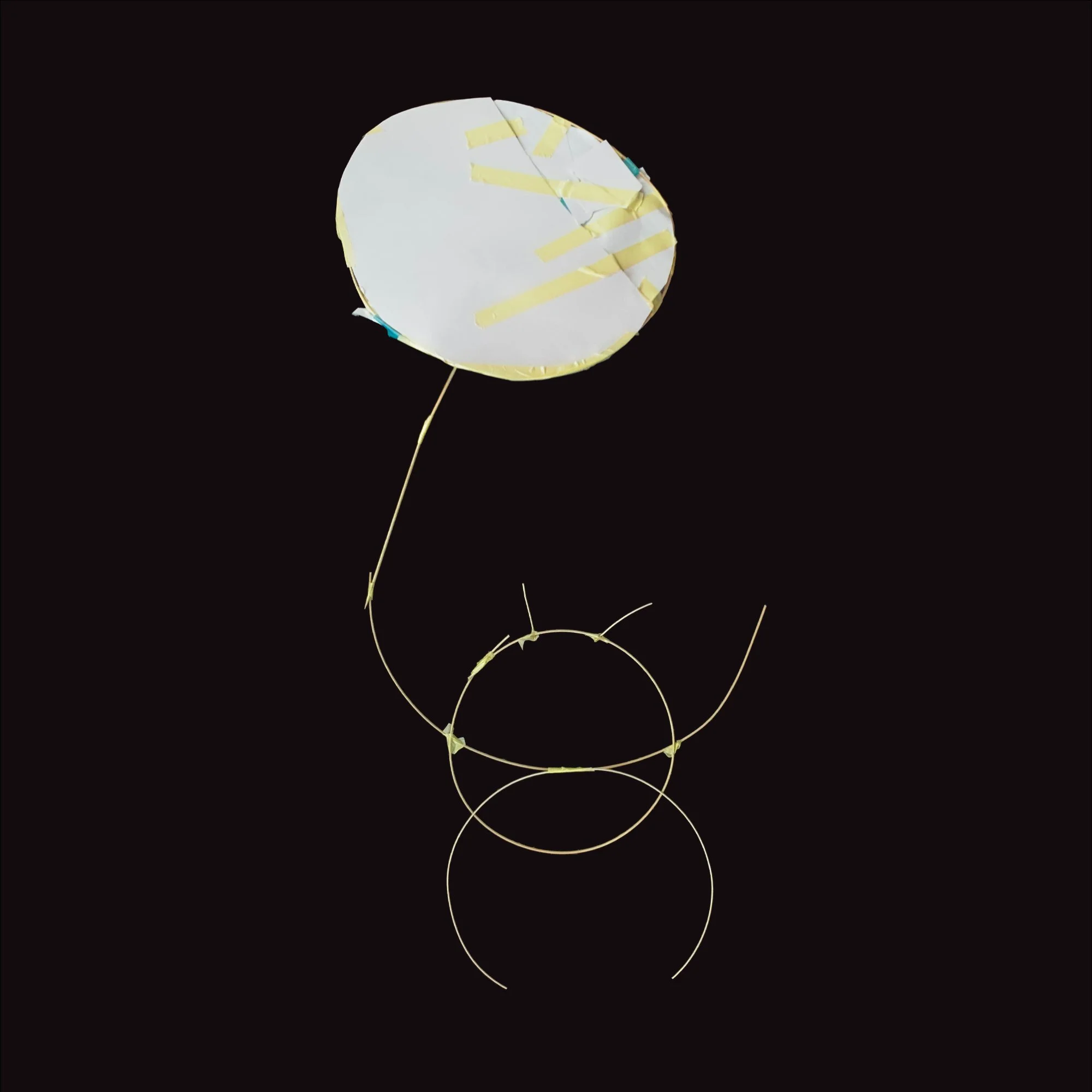
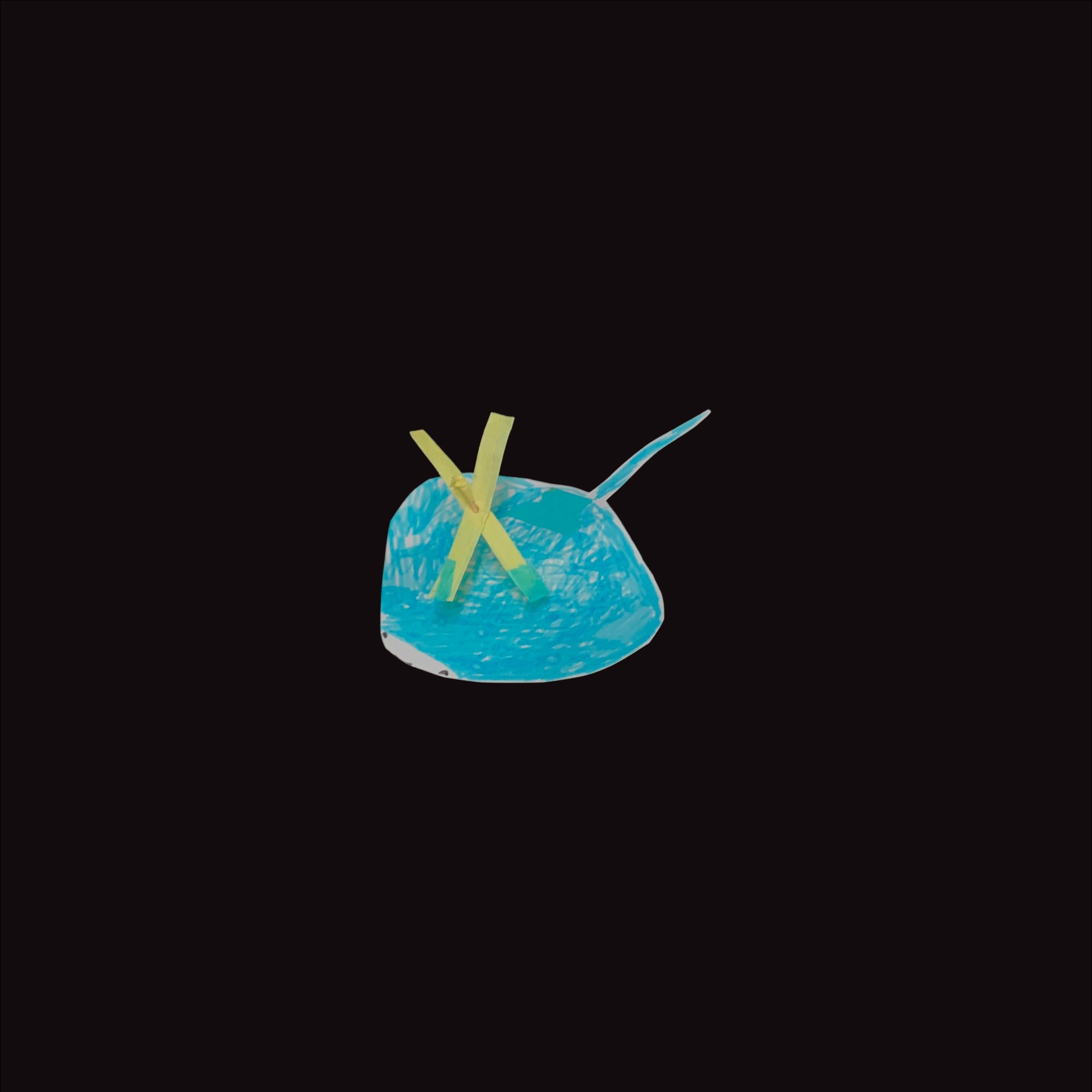
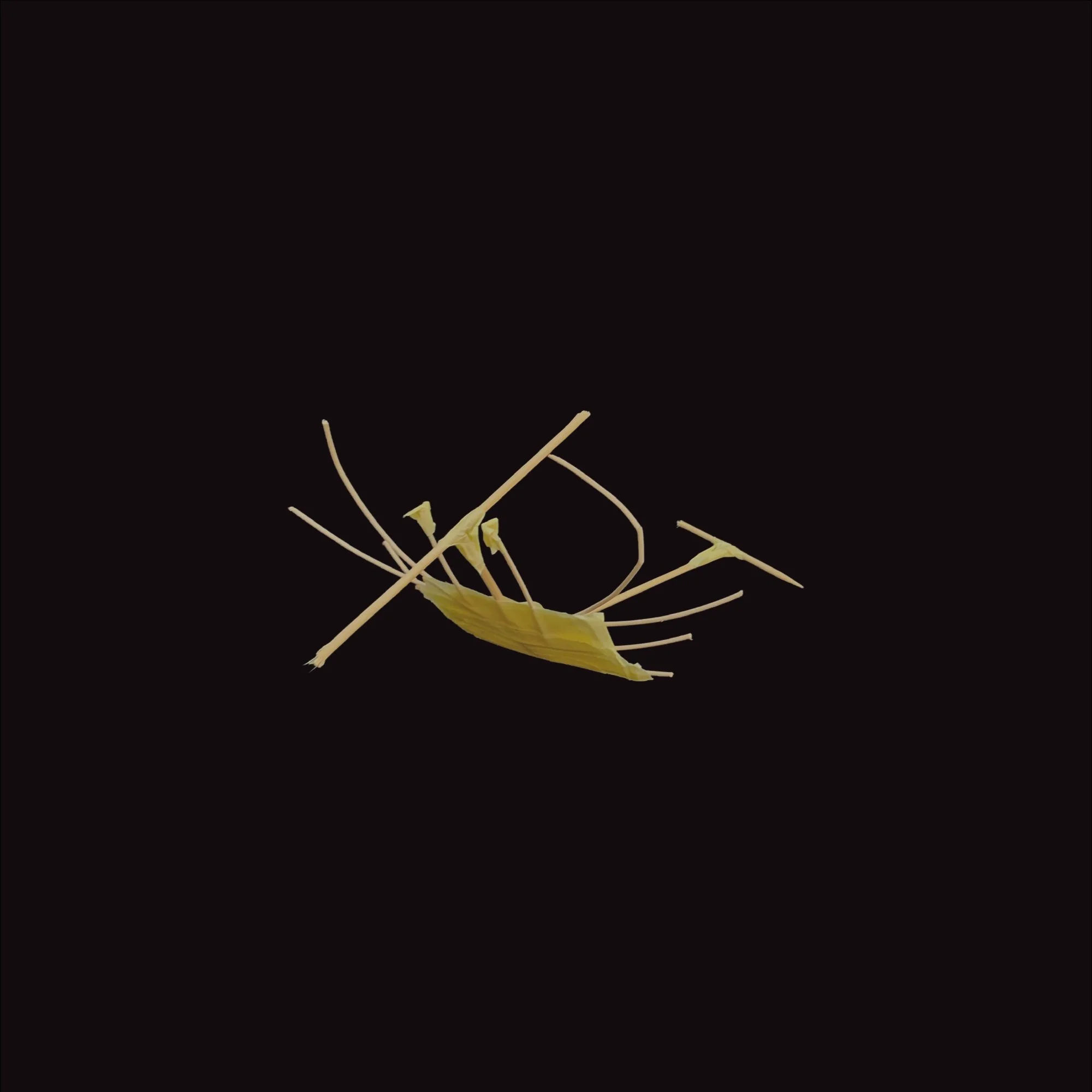
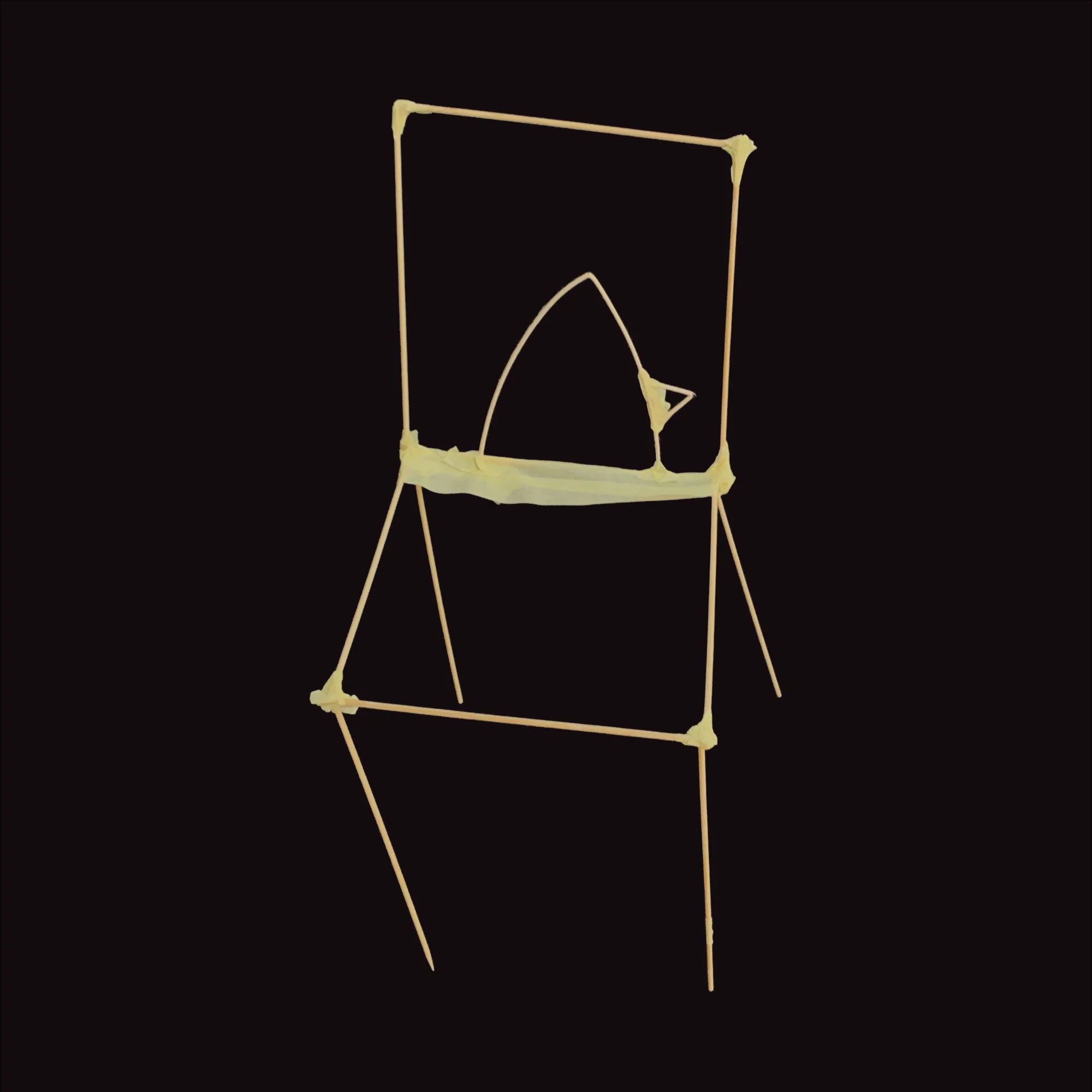
2025
Creative Form Workshop
2025|Artist Workshop 001|Acceptance Autism Society Kaohsiung|11/22 - 23|Guang Long Hang|Kaohsiung
artists|Cheng Tsung FENG
project design|Chan Wei HSU, Chen PENG
organizor|Acceptance Austism Society Kaohsiung
volunteer|Yu Kuang CHIANG, Meng Shan LU, Yi Hsin CHANG, Hsiang Yu KANG, Shi Yu WANG, Hsin Yu TU, Yu Hui WANG
staff|Ming Fang LEE, Le Ying MA, Ming Hui LEE, Li HUANG, Wei SUN, Yi Chen LIN, Chia Jun LIN, Meng Jun LIU, Kuan Chen CHEN
2025
創意造形工作坊
2025|藝術家工作坊 001 范承宗|社團法人高雄市接納自閉症學會|11/22 - 23|光隆行
藝術家|范承宗
專案設計|許展維、彭程
組織|社團法人高雄市接納自閉症學會
志工|江育廣、呂孟珊、張意歆、陳婷宜、康翔昱、王詩妤、凃昕妤、王妤慧
工作人員|李明芳、馬樂穎、李明慧、黃立、孫葳、林宜蓁、林佳蓉、劉萌容、陳冠臻